El Pilón Waterfall Horseback Day Trip
5.0(93)
From$60
El Pilón Waterfall Horseback Day Trip
5.0 (93)
From$60per person
Explore Little Havana on a private Miami walking tour with a local guide. Discover Calle Ocho, Cuban culture, Domino Park, cigars, art, music and cafecito.
Miami is famous for its turquoise beaches, glamorous nightlife, Art Deco architecture, and vibrant international atmosphere. But beyond the palm-lined waterfront and modern skyline lies a neighborhood where Miami’s history, culture, music, food, and community come together in an unforgettable way. Welcome to Little Havana. This Miami Little Havana Private Walking Tour with a Guide invites you to step into the cultural heart of Miami’s Cuban-American community and experience the neighborhood through the eyes of a knowledgeable local guide. Rather than simply passing famous landmarks and taking photographs, you will have the opportunity to slow down, explore the streets on foot, listen to local stories, discover cultural traditions, and understand the people and history that have helped shape Miami. Walking along the legendary Calle Ocho, you will encounter colorful streets, historic monuments, traditional cigar shops, lively cafés, local art, music, and the unmistakable atmosphere that makes Little Havana one of Miami’s most distinctive neighborhoods. This is a private experience, meaning your tour is designed to feel more personal than a large-group sightseeing excursion. You can interact directly with your guide, ask questions, take your time at interesting locations, and gain a deeper understanding of the Cuban-American experience. From the sound of dominoes being played in the neighborhood to the aroma of freshly prepared Cuban coffee, every part of the experience introduces another piece of Little Havana’s story. If you are searching for things to do in Miami, looking for an authentic Little Havana walking tour, or want to discover a cultural side of the city beyond its beaches, this private tour offers an engaging and memorable way to experience Miami. Little Havana is not simply another sightseeing district. It is a neighborhood shaped by migration, family, tradition, creativity, resilience, and generations of cultural exchange. Its identity can be felt in its streets, heard in its music, seen in its artwork, and tasted in its food and coffee. The best way to appreciate this atmosphere is on foot. As you walk through the neighborhood with your private guide, you will have the chance to notice details that can easily be missed when traveling by car or exploring independently. A small café may reveal an important part of local coffee culture. A mural may tell a story about Cuban identity. A historic monument may connect the neighborhood to major events that influenced Miami and the wider Cuban-American community. Your guide helps bring these details together. Instead of simply telling you what a building or landmark is called, the experience provides context about why these places matter and how they connect to the wider story of Little Havana. This makes the tour especially valuable for travelers who enjoy cultural tourism, local history, photography, architecture, food traditions, and authentic neighborhood experiences. One of the defining experiences of any visit to Little Havana is exploring Southwest Eighth Street, better known as Calle Ocho. Calle Ocho is much more than a road. It has become one of the most recognizable symbols of Cuban culture in Miami and serves as a lively meeting place where history and modern city life exist side by side. During your private walking tour, your guide will introduce you to the atmosphere of this famous street while explaining the migration history and cultural development that helped shape the neighborhood. As you walk, you may notice Spanish-language signs, colorful storefronts, traditional businesses, artistic displays, cafés, cigar shops, and locals enjoying everyday life. The experience encourages you to look beyond the surface. Rather than seeing Calle Ocho simply as a popular tourist destination, you will learn about the community behind it. You will discover how generations of Cuban immigrants helped establish traditions and institutions in Miami and how those traditions continue to influence the city today. For travelers visiting Miami for the first time, Calle Ocho provides a fascinating contrast to the city’s better-known beach and luxury experiences. For returning visitors, it offers an opportunity to see a different side of Miami—one rooted deeply in culture, community, and history. There are neighborhoods you visit primarily for their architecture. There are neighborhoods you visit for their museums. And then there are places that you experience with all your senses. Little Havana belongs firmly in the third category. As you explore the neighborhood, the atmosphere constantly changes. Music may drift through the streets. Conversations take place in both English and Spanish. Cafés create the aroma of strong Cuban coffee. Colorful artwork catches your attention from across the street. Traditional shops preserve crafts that have been passed down through generations. Your private guide helps you understand how all these elements fit together. The result is an experience that feels less like checking attractions off a list and more like stepping into the daily rhythm of a living community. This is one of the reasons a private Little Havana tour in Miami can be such a rewarding experience. You are given the opportunity to engage with the neighborhood rather than simply observe it from a distance. One of the most recognizable cultural stops in Little Havana is Domino Park, officially known as Maximo Gomez Domino Park. For decades, dominoes have been an important part of social life within the Cuban-American community. The game represents more than entertainment. It is a tradition that brings people together for conversation, competition, friendship, and community connection. During the tour, you will have the opportunity to visit this famous gathering place and see locals participating in the tradition. Watching a game can provide a fascinating glimpse into everyday life in Little Havana. The atmosphere is often lively and social. Players concentrate on the game while conversations continue around them, creating a sense of community that is difficult to capture in a guidebook. Your local guide can explain the cultural importance of the tradition and help you understand why Domino Park has become such an iconic symbol of the neighborhood. For photographers and travelers interested in authentic cultural experiences, this can also be one of the most memorable moments of the walk. Instead of visiting a staged attraction, you are observing a tradition connected to the real life of the community. Little Havana is also a destination for travelers who appreciate art. Colorful murals, independent galleries, creative spaces, decorative storefronts, and public artwork contribute to the neighborhood’s distinctive visual identity. During the private walking experience, your guide will help you discover artistic details throughout the area and may introduce you to lesser-known creative spaces that you could easily overlook when exploring alone. The art of Little Havana often reflects themes of identity, heritage, migration, family, memory, music, and Cuban culture. This makes the neighborhood particularly rewarding for travelers who enjoy photography. Every few steps can present a new visual opportunity—from colorful walls and signs to classic architectural details and lively street scenes. Rather than simply pointing out what looks attractive, your guide can provide the cultural context that makes the artwork more meaningful. You begin to see the neighborhood not only as a collection of colorful streets but as a place where people use art to preserve and express their identity. Another important landmark along Calle Ocho is the iconic Tower Theater. This historic theater has long been associated with the cultural life of Little Havana and stands as one of the neighborhood’s recognizable architectural and cultural landmarks. As part of your guided exploration, you can learn about the role of places like the Tower Theater in the development of the community. Its presence also illustrates the way Little Havana combines historic buildings with contemporary cultural activity. For visitors interested in Miami history, architecture, and local culture, landmarks such as the Tower Theater provide important reference points as you explore Calle Ocho. Your guide can help connect these physical places with the broader story of the neighborhood, allowing you to understand why particular locations have remained meaningful over time. Little Havana’s history cannot be separated from the story of Cuban migration and the political events that shaped generations of Cuban families. The Bay of Pigs Monument is an important reminder of this history. During your tour, your guide will introduce the historical significance of the monument and explain the events and experiences connected to the Cuban-American community. For many travelers, this portion of the tour provides a deeper perspective on Little Havana. What may initially appear to be a colorful and lively neighborhood becomes something much more complex—a place where personal memories, political history, family stories, migration, and cultural identity are deeply connected. The guide’s storytelling helps make this history accessible without turning the experience into a conventional classroom lesson. Instead, the neighborhood itself becomes the setting for understanding the past. You can ask questions, discuss the historical context, and learn how major events influenced the development of Miami’s Cuban community. This combination of walking, storytelling, and real-world landmarks creates a more engaging way to explore history. Cigar craftsmanship is another important part of Little Havana’s cultural identity. During your walking tour, you will have the opportunity to visit cigar shops and see skilled torcedores, or cigar rollers, demonstrating the traditional craft of making Cuban-style cigars by hand. Watching an experienced cigar roller work can be fascinating even if you know very little about cigars. The process reflects patience, skill, tradition, and craftsmanship. Your guide can explain the cultural importance of cigars in Cuban traditions and introduce you to the role that cigar businesses have played in the identity of Little Havana. For visitors, it is a chance to see a traditional craft rather than simply purchase a souvenir. The experience also provides another example of how cultural traditions have survived and evolved within the Cuban-American community. From the selection and preparation of tobacco to the careful rolling process, the craftsmanship offers a glimpse into a tradition with a long cultural history. No cultural exploration of Little Havana would feel complete without experiencing its famous coffee tradition. Included with this private walking tour is a traditional serving of Cuban coffee, known as cafecito. Cafecito is famous for its bold flavor and concentrated character, but its importance goes beyond the drink itself. Coffee culture is deeply connected to social life in Cuban communities. A small cup of coffee can be an invitation to pause, talk, connect, and share a moment. During your tour, your guide can explain the tradition behind Cuban coffee and help you appreciate why such a small serving has become such a recognizable part of Miami’s Cuban identity. For many travelers, this simple coffee stop becomes one of the most enjoyable memories of the experience. You may arrive expecting a sightseeing walk and leave remembering the aroma of strong Cuban coffee, the colorful streets of Calle Ocho, and the conversation you shared with your guide. That is the beauty of cultural travel. Sometimes the smallest moments become the most memorable. The tour also introduces travelers to cultural landmarks such as the Cubaocho Museum and Performing Arts Center. Spaces like Cubaocho contribute to the cultural richness of Little Havana by preserving and presenting elements of Cuban art, history, music, and creative expression. A visit or guided introduction to such a place can help you see another side of the neighborhood beyond restaurants and tourist attractions. Little Havana has developed a strong artistic identity, and its museums and cultural centers provide important spaces for that identity to continue. Your guide can help explain the significance of these cultural institutions and place them within the larger story of the neighborhood. For travelers who enjoy combining sightseeing with cultural education, this adds depth to the walking experience. Music is another essential part of Little Havana. The neighborhood has a strong connection to Latin music, particularly salsa and other Cuban musical traditions. As you explore the streets, you may hear music coming from local establishments or encounter the lively atmosphere created by musicians and community spaces. Music helps communicate something that historical information alone cannot. It captures emotion. It creates energy. It brings people together. And it helps preserve cultural traditions across generations. Your guide can explain how Cuban music became an important part of Miami’s cultural landscape and how music continues to shape the identity of Little Havana. For visitors, this creates a sensory experience that makes the neighborhood feel alive. You are not simply reading about Cuban culture. You are walking through it. One of the greatest advantages of choosing a private walking tour is the opportunity to hear stories directly from a knowledgeable local guide. Little Havana contains countless details that may not be obvious to an independent visitor. Why are certain streets decorated in particular ways? How did Cuban businesses become established in the neighborhood? What traditions remain important today? How has Little Havana changed over the years? What does Calle Ocho mean to the people who live and work there? A good guide helps answer these questions while adapting the conversation to your interests. If you are fascinated by history, you can spend more time discussing historical events. If you are interested in food and daily life, you can ask about Cuban cafés, local traditions, and neighborhood businesses. If you enjoy art and photography, you can focus more closely on murals, galleries, architecture, and street scenes. This flexibility is one of the defining advantages of a private experience. Large-group tours can be fun, but they often require travelers to follow a fixed pace. A private tour offers something different. You have direct access to your guide and more freedom to engage with the experience according to your interests. You can ask questions without worrying about interrupting a large group. You can pause for photographs. You can spend more time learning about a landmark that interests you. You can enjoy the neighborhood without constantly trying to keep up with dozens of other people. This makes the private Little Havana walking tour particularly appealing to couples, families, friends, solo travelers, and small private groups looking for a more personal Miami experience. The private format also makes the tour feel more conversational. Instead of listening passively, you can participate. Ask. Explore. Discuss. Observe. Discover. That interaction can turn an ordinary sightseeing activity into a much more memorable travel experience. Miami is often associated with luxury hotels, beaches, nightlife, shopping, and entertainment. All of these are part of the city. But Miami’s identity is much broader. The city has been shaped by communities from around the world, and the Cuban-American influence is one of the most important chapters in Miami’s cultural story. Exploring Little Havana allows you to see this side of the city firsthand. You move away from the conventional tourist image and into a neighborhood where history and everyday life are closely connected. The experience is especially valuable if you want your Miami itinerary to include more than beaches. Instead of spending your entire trip around the waterfront, you can dedicate a few hours to understanding one of the city’s most culturally significant communities. It is a chance to return home with more than photographs. You return with stories. There are many reasons travelers choose Little Havana when planning what to do in Miami. For some visitors, it is the history. For others, it is the food and coffee. Some come for cigars, music, art, or photography. Others simply want to experience a neighborhood that feels different from the rest of the city. Little Havana offers all of these experiences at once. The neighborhood creates an environment where cultural traditions remain visible in everyday life. You can watch people play dominoes, see a cigar being rolled by hand, admire colorful artwork, hear Latin music, learn about Cuban migration, and enjoy a traditional cafecito—all within the same walking experience. That combination is what makes Little Havana so distinctive. This tour is ideal for travelers who believe the best trips are about understanding places rather than simply photographing them. If you enjoy meeting local people, learning history, exploring neighborhoods, discovering traditions, and hearing stories that go beyond standard tourist information, the experience offers plenty to appreciate. It is also a great choice for travelers who want a manageable activity within a busy Miami itinerary. With an approximate duration of 2 to 3 hours, the tour can fit comfortably into a day of sightseeing while still providing a meaningful introduction to Little Havana. You do not need to dedicate an entire day to exploring the neighborhood. A few hours can be enough to discover its key cultural highlights, learn from a local expert, and experience the atmosphere of Calle Ocho. One of the most attractive aspects of a private walking tour is the feeling that the experience belongs to your group. There is no need to feel like you are simply one person in a crowd. You can engage with your guide directly and make the most of your time in Little Havana. This is particularly useful for travelers who have specific interests. History lovers can ask detailed questions about Cuban migration and political history. Culture enthusiasts can learn about traditions and community life. Photography lovers can look for murals, colorful streets, and memorable local scenes. First-time visitors can ask for recommendations about other places to explore during their stay. The guide becomes not only a source of information but also a local connection. The private format can also make the tour a comfortable choice for couples and families. For couples visiting Miami, Little Havana provides a refreshing alternative to the city’s conventional romantic activities. Walking together through colorful streets, sharing a cafecito, discovering local art, and listening to stories can create memorable moments throughout the experience. Families can also benefit from the private setting. Children and younger travelers may have questions about the neighborhood, music, food, or history, and a private guide can make it easier to adapt the storytelling to their interests and attention span. Because the experience is conducted on foot, families should be prepared for several hours of walking and should wear comfortable footwear. If this is your first trip to Miami, it can be difficult to decide how to experience the city. There are beaches to visit, neighborhoods to explore, museums to discover, restaurants to try, and countless attractions competing for your attention. A private Little Havana tour gives you an easy way to experience one of Miami’s most distinctive cultural areas within a few hours. You can use the tour as an introduction to Little Havana early in your trip and then return later to explore restaurants, cafés, galleries, shops, or other places that caught your attention. Because your guide provides local context, you can also gain a better understanding of the neighborhood before exploring it independently. Some tours focus almost entirely on historical information. Others concentrate on food. Some are primarily sightseeing experiences. This private Little Havana tour brings several elements together. You can learn about history while walking through real streets. You can discover cultural traditions while observing everyday life. You can explore landmarks while listening to local stories. You can enjoy Cuban coffee while learning about coffee culture. You can watch cigar craftsmanship while discovering the importance of traditional businesses. The result is a balanced experience that appeals to different types of travelers. It is educational without feeling like a lecture. It is entertaining without sacrificing cultural depth. And it is structured without feeling overly rigid. Bring your camera or smartphone because Little Havana offers countless opportunities for memorable photographs. The neighborhood is full of visual details that can make your Miami travel photos stand out. Look for colorful murals. Historic architecture. Cuban flags. Traditional signs. Street scenes. Cigar craftsmanship. Domino players. Local cafés. Artistic storefronts. And the lively atmosphere of Calle Ocho. Because the tour is private, you can communicate with your guide when you see something worth photographing. Instead of rushing from one attraction to another, you can take a moment to capture the details that make the neighborhood special. Remember that the best travel photographs often come from observing everyday life respectfully rather than staging a scene. Although the tour is cultural and relaxed, it is still a walking experience. Comfortable shoes are essential. Miami can also be sunny and warm, so travelers should bring sun protection such as a hat, sunglasses, and sunscreen. A bottle of water is recommended to stay hydrated during the walk. A smartphone or camera is also useful for capturing the colorful streets, artwork, architecture, and cultural moments you encounter along the way. Dressing comfortably will help you enjoy the experience without distractions. The goal is simple: stay comfortable, stay curious, and allow yourself to become immersed in the neighborhood. By the end of your experience, you may realize that Little Havana cannot be fully understood through photographs alone. You need to hear the stories. You need to walk the streets. You need to see the community. You need to experience the traditions. You need to taste the coffee. You need to listen to the music. And you need to speak with someone who can explain the meaning behind what you are seeing. That is what makes this private tour different from simply visiting Little Havana on your own. The guide provides the connection between the places and their stories. A monument becomes part of a larger historical journey. A cigar shop becomes a window into traditional craftsmanship. A domino game becomes an example of community life. A cup of cafecito becomes a cultural ritual. A colorful mural becomes part of a story about identity and artistic expression. Suddenly, the neighborhood feels much more meaningful. Travel is often at its most powerful when it helps us understand people. Little Havana offers exactly that opportunity. Behind every café, shop, monument, mural, and street corner is part of a larger story about families, migration, cultural preservation, adaptation, and community. Exploring the neighborhood with a local guide allows you to connect those individual details into a broader understanding of Miami. You begin to see how one community has contributed to the character of an entire city. You discover how traditions can survive across generations. And you experience how culture can remain vibrant while continuing to evolve. This makes the tour more than a list of places to visit. It becomes a human story told through the streets of Miami. If you are ready to step beyond Miami’s famous beaches and discover the cultural heartbeat of the city, this Miami Little Havana Private Walking Tour with a Guide is an experience worth adding to your itinerary. Walk along historic Calle Ocho. Discover the atmosphere of Domino Park. Learn about the Bay of Pigs Monument. Explore local art and cultural landmarks. Visit traditional cigar shops. Watch skilled torcedores demonstrate their craft. Discover the history behind Miami’s Cuban-American community. Experience the iconic Tower Theater. Learn about places such as the Cubaocho Museum and Performing Arts Center. Listen for the rhythms of salsa. And enjoy an authentic Cuban cafecito along the way. Most importantly, experience Little Havana through personal stories and local insight rather than simply checking another attraction off your Miami itinerary. With a private professional guide, an intimate walking format, and approximately 2 to 3 hours dedicated to discovery, this experience gives you the opportunity to explore one of Miami’s most fascinating neighborhoods at a more personal pace. Whether you are traveling as a couple, with family, with friends, or simply looking for an authentic cultural activity during your Miami vacation, Little Havana offers a memorable change of scenery and perspective. Come ready to walk. Come ready to listen. Come ready to discover. And come ready to experience a side of Miami where history, culture, music, art, tradition, and community meet on the streets of Calle Ocho. Miami has many unforgettable places, but Little Havana has a personality all its own. It is colorful without being artificial. Historic without feeling frozen in time. Traditional while continuing to evolve. And lively in a way that invites you to slow down and become part of the atmosphere. A private walking tour allows you to experience that personality more deeply. Instead of simply asking, “What is there to see in Little Havana?”, you can discover the more interesting question: “What makes Little Havana feel the way it does?” The answer is found in its people, stories, traditions, music, art, coffee, craftsmanship, and community. Join your local guide and discover it one street, one story, and one unforgettable moment at a time. A visit to Miami is not complete without experiencing the neighborhood that has become one of the strongest symbols of Cuban culture in the United States. The Miami Little Havana Private Walking Tour with a Guide gives you the opportunity to explore this fascinating neighborhood at a personal pace while learning directly from a professional local guide. The experience lasts approximately 2 to 3 hours and focuses on the streets, landmarks, traditions, stories, and cultural details that make Little Havana such a memorable part of Miami. The tour is designed as a private experience rather than a large group excursion. That difference matters. Instead of moving through the neighborhood as part of a crowd, you can have a direct conversation with your guide, ask questions, pause to appreciate interesting places, and focus on the aspects of Little Havana that interest you most. The experience begins in the heart of Little Havana, generally around the central Calle Ocho area or near the Tower Theater, with the exact meeting or pickup details confirmed after booking. The operator also notes that guests may receive confirmation of their exact hotel, Airbnb pickup time, or meeting point one day before the tour. From there, your cultural journey unfolds through one of Miami's most recognizable neighborhoods. Your Little Havana adventure begins in the heart of the neighborhood. The starting area places you close to the action of Calle Ocho, allowing you to immediately experience the distinctive atmosphere that separates Little Havana from many other parts of Miami. Rather than beginning with a conventional tourist attraction, the walking experience introduces you to the neighborhood itself. As you meet your guide, this is the perfect moment to ask questions and explain what interests you most. Because the experience is private, the conversation can be more personal and flexible than a standard group sightseeing tour. You may be particularly interested in Cuban history. You may want to understand Miami's immigrant communities. You may love photography and street art. Perhaps you are interested in food, coffee, cigars, music, architecture, or local traditions. Your guide can help put the experience into context as you begin walking through the neighborhood. The next part of the experience takes you along Southwest Eighth Street, widely known as Calle Ocho. Calle Ocho is the cultural artery of Little Havana and one of the most recognizable streets in Miami. The street offers an immediate introduction to the neighborhood's visual and cultural identity. Colorful storefronts, Spanish-language signs, cafés, traditional businesses, artwork, music, and local gathering places create an atmosphere that feels distinctly different from Miami's beachside districts. As you walk, your guide explains the migration history that helped shape the neighborhood and the continuing influence of Cuban culture on Miami. This part of the tour is not simply about seeing a famous street. It is about understanding why Calle Ocho became so important. You will begin to recognize how businesses, traditions, music, art, and community spaces have helped preserve cultural identity while allowing the neighborhood to continue evolving. Take your time looking around. The most memorable details are often the small ones—a colorful sign, a piece of artwork, the sound of music from a nearby establishment, or the lively conversation happening around you. One of the essential stops on the Little Havana experience is Domino Park, officially known as Maximo Gomez Domino Park. The park is famous for its tradition of domino playing and its role as a social gathering place within the Cuban-American community. Your visit gives you the opportunity to see locals participating in a tradition that has become closely associated with Little Havana. The atmosphere can be lively and conversational, with players concentrating on their games while interacting with friends and fellow community members. Your guide helps explain the cultural importance of dominoes and why this small public space has become one of the neighborhood's best-known landmarks. For travelers, this can be an especially rewarding moment because it provides an opportunity to observe everyday community life. It is not simply a monument created for tourists. It represents a living tradition. That distinction makes the experience more authentic. As you continue walking, the tour explores the historical forces that shaped Little Havana and Miami's Cuban-American community. Migration is an essential part of the neighborhood's story. Families arrived in Miami carrying traditions, memories, language, skills, beliefs, and cultural practices. Over time, these influences became deeply woven into the identity of the city. Your guide provides context about this history and connects it with the places you encounter along the way. This approach makes the history easier to understand because you are learning about events while standing in the neighborhood they helped shape. Rather than memorizing dates, you can see how history influenced streets, businesses, cultural institutions, and community traditions. The Bay of Pigs Monument provides another important historical stop during the tour. The monument is associated with a significant and emotional chapter in Cuban-American history. Your guide can explain the historical context surrounding the Bay of Pigs and why this event continues to hold importance for many members of the Cuban-American community. For visitors unfamiliar with this part of Miami's history, the stop offers an opportunity to understand the neighborhood from a deeper perspective. Little Havana is colorful and lively, but it also carries memories of migration, political change, separation, resilience, and family history. The monument helps illustrate that complexity. It is one of the reasons having a knowledgeable guide can make such a difference. A landmark becomes more meaningful when you understand the human experiences connected to it. The Tower Theater is another recognizable landmark along Calle Ocho. Its historic presence contributes to the distinctive character of the neighborhood and provides an important connection between Little Havana's past and its continuing cultural life. As you explore this area, take time to appreciate the surrounding streets and architecture. The Tower Theater area is also useful as a visual introduction to Little Havana because it brings together several of the elements that define the neighborhood—historic structures, businesses, art, cultural activity, and busy street life. Your guide can explain the significance of the theater and its place within the wider story of Calle Ocho. For photographers, this section of the walk can also provide excellent opportunities to capture the architecture and colorful atmosphere of the neighborhood. Your journey continues into the artistic and cultural side of Little Havana with landmarks such as the Cubaocho Museum and Performing Arts Center. This cultural institution represents the neighborhood's commitment to preserving and expressing Cuban artistic traditions. For travelers interested in art and culture, this adds another dimension to the experience. You are no longer looking only at streets and buildings. You are learning how a community preserves its cultural memory through art, music, performance, and creative expression. The museum and performing arts environment helps demonstrate that Little Havana is not simply a historical neighborhood. It remains an active cultural destination. One of the pleasures of walking through Little Havana is discovering artwork in unexpected places. Your guide can point out hidden art galleries, murals, colorful walls, decorative storefronts, and other creative details that may be easy to overlook when exploring independently. The official tour description specifically highlights the opportunity to discover hidden art galleries alongside major landmarks. This is an excellent part of the experience for travelers who enjoy photography. Little Havana has a visual personality that rewards curiosity. Look beyond the main attraction. Look up. Look down side streets. Notice the details around doorways and storefronts. Observe how colors, symbols, language, and artistic styles contribute to the neighborhood's identity. Your guide can also provide context for the art, helping you understand how creativity is connected to Cuban culture and Miami's multicultural character. A particularly memorable cultural experience is seeing traditional cigar craftsmanship. During the tour, you visit cigar shops and have the opportunity to watch master torcedores roll cigars by hand. This traditional skill requires precision and experience, making the demonstration fascinating even for visitors who are not cigar enthusiasts. Instead of simply seeing cigars displayed for sale, you can observe the craftsmanship behind them. The process provides a window into an important part of Cuban cultural tradition. Your guide can explain the role of cigar making in Little Havana and why traditional cigar shops remain part of the neighborhood's identity. For many visitors, this becomes one of the moments they remember most clearly after returning home. A traditional Cuban cafecito is included in the experience. This small but powerful coffee tradition is one of the simplest ways to experience a part of Cuban culture through the senses. Cafecito is known for its concentrated flavor and strong character, but coffee culture also has an important social dimension. It is about taking a moment. Connecting with others. Sharing conversation. And enjoying a familiar tradition. During the tour, the coffee stop gives you a chance to pause after exploring the streets while your guide continues explaining aspects of local culture and everyday life. It also provides a natural opportunity to ask questions about other places to visit, eat, or explore during your Miami vacation. Music is woven into the identity of Little Havana. As you walk through the neighborhood, you may encounter the sounds of salsa and other Latin musical traditions. The official tour description emphasizes the opportunity to feel the energy of live salsa music while exploring the neighborhood. Music gives Little Havana another layer of personality. The rhythm can change the entire feeling of a street. Instead of simply walking between landmarks, you begin to experience the neighborhood through sound as well as sight. For visitors, this is part of what makes the tour immersive. You are not just learning about Cuban culture. You are experiencing an environment shaped by it. The most important preparation is simple: wear comfortable shoes. This is a walking tour lasting approximately 2 to 3 hours, so supportive footwear will make the experience considerably more enjoyable. Avoid choosing shoes based only on appearance. Little Havana is best explored when you can walk comfortably, stop when something catches your attention, and move through the neighborhood without worrying about sore feet. Comfortable sneakers or other supportive walking shoes are ideal. Miami's sunshine can be strong, particularly during the warmer parts of the year. Bring: These are also specifically recommended by the tour operator. Sun protection is especially important during a walking experience because you may spend much of the tour outdoors. Little Havana is highly photogenic. Bring a smartphone or camera so you can capture colorful streets, artwork, architecture, cultural details, and memorable moments. However, remember that this is a real neighborhood rather than a theme park. When photographing local people, be respectful and ask permission when appropriate. The goal is to experience the community respectfully while capturing memories of your visit. A bottle of water is strongly recommended. Even when the walking pace is comfortable, Miami's heat and humidity can make outdoor activities feel more demanding than expected. Take advantage of opportunities to pause and stay hydrated. If you are traveling with children or older family members, carrying enough water is particularly important. One of the biggest advantages of choosing a private guide is having someone available to answer your questions. Do not hesitate to ask. If you want to know more about Cuban migration, ask. If you are interested in local food, ask. If a mural catches your attention, ask about it. If you want to understand the history behind a monument, ask. If you are curious about cigar craftsmanship, coffee traditions, music, or neighborhood life, ask. The more you interact with your guide, the more personalized the experience can become. Couples looking for a cultural activity can enjoy the private nature of this experience. Instead of joining a large group, you can explore together, share the experience with your guide, stop for photographs, and discover the neighborhood at a comfortable pace. The combination of walking, history, art, coffee, music, and local stories makes this a strong addition to a Miami itinerary. Families can also enjoy the tour, particularly those who want to introduce children or teenagers to Miami's cultural history. The private format can make it easier to adapt conversations to younger travelers. Parents can ask questions about family-friendly places to visit afterward, while children can engage with colorful artwork, street scenes, music, and the visual energy of Calle Ocho. Because this is a walking experience, families should consider the walking ability of every participant. Solo travelers can benefit greatly from a private guided experience. Exploring an unfamiliar neighborhood alone can sometimes mean missing the context behind what you see. With a private guide, you have someone to talk to and someone who can help you understand the neighborhood. It also makes it easier to ask spontaneous questions and discover details that might otherwise go unnoticed. Travelers interested in Cuban-American history will find plenty to explore. The migration story, Bay of Pigs history, cultural institutions, monuments, and community traditions create a rich historical narrative. The advantage of learning this history while physically exploring the neighborhood is that the information becomes connected to real places. The murals, galleries, architecture, storefronts, signs, and street scenes make Little Havana an appealing destination for visual travelers. Bring your camera and allow yourself time to notice the details. The private format can also make it easier to pause when you find an interesting photographic opportunity. If you are visiting Miami for the first time, this tour provides a useful introduction to one of the city's most distinctive cultural neighborhoods. It can also help you decide which parts of Little Havana you want to revisit independently later in your trip. A private tour means the experience is focused on your group rather than a large crowd. This makes conversation easier and allows you to ask questions throughout the experience. A professional local guide provides context that can be difficult to obtain from simply walking through the neighborhood alone. You learn not only what you are seeing, but why it matters. The tour focuses on real cultural landmarks, community traditions, local businesses, and everyday neighborhood life. This gives you an opportunity to experience Little Havana beyond the standard tourist checklist. Your guide can respond to your interests. If one topic fascinates you, you can explore it further. If you have questions about Miami beyond Little Havana, you can also use the opportunity to ask for local recommendations. The private format provides a more intimate atmosphere than a conventional group walking tour. For travelers who value personal attention, this can make a significant difference. The current GoBookingAdventures listing shows the tour from approximately $101.99 per person, with the final price depending on group size. The page also displays a separate child price in the booking interface, so travelers should check the booking configuration for the applicable rate when reserving. The experience is listed with an approximate duration of 2 to 3 hours. The typical starting point is in the heart of Little Havana, around the central Calle Ocho area or near the Tower Theater, with the exact details provided after booking. When completing your reservation, make sure the contact information you provide is accurate. The operator states that the team contacts guests approximately one day before the tour to confirm the exact hotel or Airbnb pickup time or meeting point when applicable. If you have special requirements, weather-related questions, or need to make changes to your reservation, contacting the tour team in advance is recommended. The tour includes several elements designed to provide a complete cultural introduction to Little Havana. A professional local guide accompanies your private experience and provides insight into Cuban culture, history, and local life. A traditional shot of Cuban coffee is included, giving you the opportunity to experience one of the neighborhood's recognizable culinary traditions. The experience includes information about Cuban culture, history, and local political context, helping you understand the deeper story behind Little Havana. The tour includes visits to important locations such as Domino Park and local cigar shops. Travelers should plan for personal expenses that are not expressly listed as inclusions. Unless separately confirmed during booking, travelers should generally expect to pay for personal purchases, additional food or drinks beyond the included cafecito, souvenirs, and other optional expenses. Because inclusions can change, always review the final booking details before payment. For travelers who want to understand Miami beyond its beaches and nightlife, the experience offers strong value. The tour combines several elements in one approximately 2-to-3-hour experience: History + culture + local stories + art + coffee + cigars + music + neighborhood exploration. More importantly, the private format allows you to experience these elements through conversation with a local guide. The value is therefore not simply measured by the number of landmarks visited. It is measured by how much more meaningful those landmarks become after you understand their stories. A street becomes part of a migration story. A monument becomes a reminder of historical events. A domino table becomes a symbol of community. A cigar shop becomes a place where traditional craftsmanship continues. A cup of coffee becomes a cultural ritual. And a neighborhood becomes a living story. A Miami vacation can easily become centered around beaches, shopping, nightlife, and entertainment. Those experiences are worthwhile. But adding a cultural activity gives your trip greater variety. The Little Havana private walking tour can fit naturally into a larger Miami itinerary. You might explore Little Havana in the morning, spend the afternoon discovering another Miami neighborhood, and enjoy the city's nightlife later. Alternatively, schedule the tour early in your vacation so you can use your guide's local knowledge to discover additional places to visit afterward. Little Havana can also be combined with other Miami experiences depending on your interests, including food, architecture, art, waterfront attractions, and city sightseeing. The important thing is to leave enough time to enjoy the neighborhood rather than rushing through it. Little Havana is a real community where people live, work, meet friends, operate businesses, and maintain cultural traditions. Approach the neighborhood with curiosity and respect. Observe local customs. Ask permission before photographing people when appropriate. Support local businesses when you choose to purchase something. Listen to your guide. And remember that authentic cultural tourism is about learning from communities rather than treating them simply as attractions. This respectful approach makes the experience more meaningful for both travelers and residents. One of the most valuable outcomes of the tour is the opportunity to understand how Cuban culture became an important part of Miami's identity. The neighborhood demonstrates how immigrant communities can preserve language, traditions, food, music, art, craftsmanship, and social customs while adapting to a new environment. That story is visible throughout Little Havana. You can see it in businesses. Hear it in music. Taste it in coffee. Observe it in traditional games. Find it in artwork. And learn about it through the stories of the neighborhood. A guided walk allows these different elements to come together. Instead of experiencing each attraction independently, you understand how they are connected. Traditional sightseeing often focuses on famous attractions. You arrive. Take a photograph. Read a short description. Move to the next place. A private cultural walking tour offers a different approach. You slow down. You talk. You observe. You ask. You listen. You experience. That difference is particularly important in a neighborhood like Little Havana because its significance cannot be captured by a handful of landmarks. The real attraction is the combination of history, people, traditions, atmosphere, and everyday life. The guide helps you recognize those connections. Months after your Miami vacation, you may not remember every street name or historical detail. But you are likely to remember moments. The sound of dominoes. The aroma of Cuban coffee. The sight of a cigar being rolled by hand. A colorful mural. A story about migration. The rhythm of salsa. The architecture of Calle Ocho. A conversation with your local guide. These are the details that turn a vacation into a travel memory. The Little Havana private walking tour is designed around exactly those kinds of moments. Miami offers endless ways to spend your time, but few experiences provide such a direct introduction to the city's Cuban-American heritage. The Miami Little Havana Private Walking Tour with a Guide gives you the opportunity to explore Calle Ocho, discover Domino Park, learn about the Bay of Pigs Monument, see traditional cigar craftsmanship, discover cultural and artistic landmarks, experience the energy of salsa, and enjoy a traditional Cuban cafecito. The experience is approximately 2 to 3 hours, making it easy to incorporate into a busy Miami vacation. Most importantly, it is private. You are not simply following a crowd. You are exploring with a guide who can answer your questions, explain the history, introduce cultural traditions, and help you see the neighborhood from a more informed perspective. Whether you are a first-time visitor to Miami, a returning traveler looking for something different, a couple searching for a cultural experience, a family interested in local history, or a solo traveler eager to explore beyond the obvious attractions, Little Havana offers an experience worth discovering. Step away from the familiar Miami postcard and discover the stories behind one of the city's most culturally important neighborhoods. Walk the streets of Calle Ocho. Meet the living traditions of Little Havana. Discover the history behind its monuments. See cigar craftsmanship up close. Explore colorful art and cultural spaces. Listen to the rhythms of the neighborhood. Enjoy a traditional cafecito. And learn from a local guide who can bring the story of Little Havana to life. Book your Miami Little Havana Private Walking Tour and experience the culture, history, color, and character of Calle Ocho from a personal perspective. Your Miami adventure is more than a list of attractions. Make it a story worth remembering. The tour lasts approximately 2 to 3 hours. This gives travelers enough time to walk through key areas of Little Havana, explore Calle Ocho, learn about Cuban-American history, discover cultural landmarks, see traditional cigar craftsmanship, and experience the neighborhood with a local guide. Yes. The experience is designed as a private tour, allowing your group to explore Little Havana with a professional guide rather than joining a large public sightseeing group. The private format also provides more opportunities to ask questions and interact directly with your guide. The experience takes place in Little Havana, Miami, with a strong focus on the famous Calle Ocho area. The tour's listed meeting arrangements can include a central Little Havana meeting location, while applicable hotel or Airbnb pickup details are confirmed with guests before the experience. Yes. A professional local guide is included. Your guide provides information about Cuban culture, Miami history, Little Havana traditions, local landmarks, and the Cuban-American community while accompanying you through the neighborhood. The experience introduces travelers to several important Little Havana landmarks and cultural highlights, including Calle Ocho, Domino Park, the Bay of Pigs Monument, Tower Theater, Cubaocho Museum and Performing Arts Center, local cigar shops, art spaces, and traditional Cuban cultural locations. The exact sequence of stops can vary according to the tour experience and local conditions. Yes. A traditional Cuban cafecito is included in the experience. This gives visitors an opportunity to sample one of the most recognizable elements of Cuban coffee culture while learning more about its social and cultural significance. Yes. The tour includes an opportunity to visit cigar shops and watch experienced cigar rollers demonstrate the traditional hand-rolling process. This is a cultural and craftsmanship experience and provides insight into the role of cigar-making traditions within Little Havana. Yes. Domino Park, officially known as Maximo Gomez Domino Park, is one of the cultural highlights associated with the tour. Visitors can learn about the importance of dominoes as a social tradition within Miami's Cuban-American community. A full lunch is not listed as a standard inclusion. The experience includes a traditional Cuban cafecito, while additional meals, snacks, drinks, or personal purchases should be considered separate expenses unless specifically stated in your booking confirmation. The tour can be suitable for families, but parents should consider the child's ability to comfortably participate in a 2-to-3-hour walking experience. Because this is a private experience, families can benefit from a more personal environment and direct interaction with the guide. Check the booking page for the current child-age and pricing requirements before reserving. The tour can be enjoyable for active seniors who are comfortable walking for approximately 2 to 3 hours. Because the experience takes place primarily on foot, travelers with limited mobility should consider their individual walking ability and discuss accessibility requirements with the tour provider before booking. Comfortable, lightweight clothing and comfortable walking shoes are recommended. Miami can be warm and sunny, so travelers should also consider bringing: Dressing for the weather will help make the walking experience more enjoyable. Yes. Bringing water is recommended, particularly during warm or humid weather. Walking outdoors for several hours can increase the need for hydration, so keeping a bottle of water with you is a practical way to stay comfortable. Yes. Little Havana offers numerous photography opportunities, including colorful streets, murals, architecture, cultural landmarks, cigar craftsmanship, and Calle Ocho. However, travelers should be respectful when photographing local residents or people participating in cultural activities. When appropriate, ask permission before taking close-up photographs of individuals. Miami weather can change quickly. If rain or other weather conditions affect the tour, the operator's current weather and cancellation policies will apply. Travelers should review the booking terms before the experience and contact the tour provider if severe weather is forecast. For light rain, carrying a compact rain jacket or umbrella can be useful, but the final decision regarding tour operation should be based on the operator's instructions. Restroom availability can depend on the establishments and public facilities visited during the walking experience. Because the tour takes place in an active urban neighborhood, it is recommended that travelers use restroom facilities before starting and ask their guide about suitable restroom stops when necessary. Absolutely. Little Havana is one of Miami's most distinctive cultural neighborhoods. Visitors can experience Cuban-American heritage through Calle Ocho, music, art, coffee, cigar craftsmanship, domino traditions, historical monuments, cultural institutions, and local businesses. A guided tour makes the experience particularly valuable because the guide can explain the stories and historical context behind what you see. The biggest difference is local context and personalized attention. When exploring independently, you may see a landmark without knowing why it matters. With a private guide, you can ask questions, learn the background behind important locations, and discover cultural details that may otherwise be overlooked. The private format also allows your experience to feel more personal than a large-group tour. Yes. It is particularly useful for first-time visitors who want to experience a side of Miami beyond beaches, shopping, nightlife, and luxury attractions. The approximately 2-to-3-hour experience provides an introduction to Little Havana while allowing travelers to continue exploring other parts of Miami afterward. The strongest reason is the opportunity to experience Miami through its Cuban-American cultural heritage rather than simply seeing another tourist attraction. You can walk Calle Ocho, discover local history, learn about Cuban traditions, see cigar craftsmanship, visit cultural landmarks, experience the atmosphere of Domino Park, and enjoy Cuban cafecito—all while accompanied by a knowledgeable local guide.Miami Little Havana Private Walking Tour with a Local Guide
Discover the Heart, History, and Cuban Soul of Miami
Explore Little Havana Beyond the Tourist Attractions
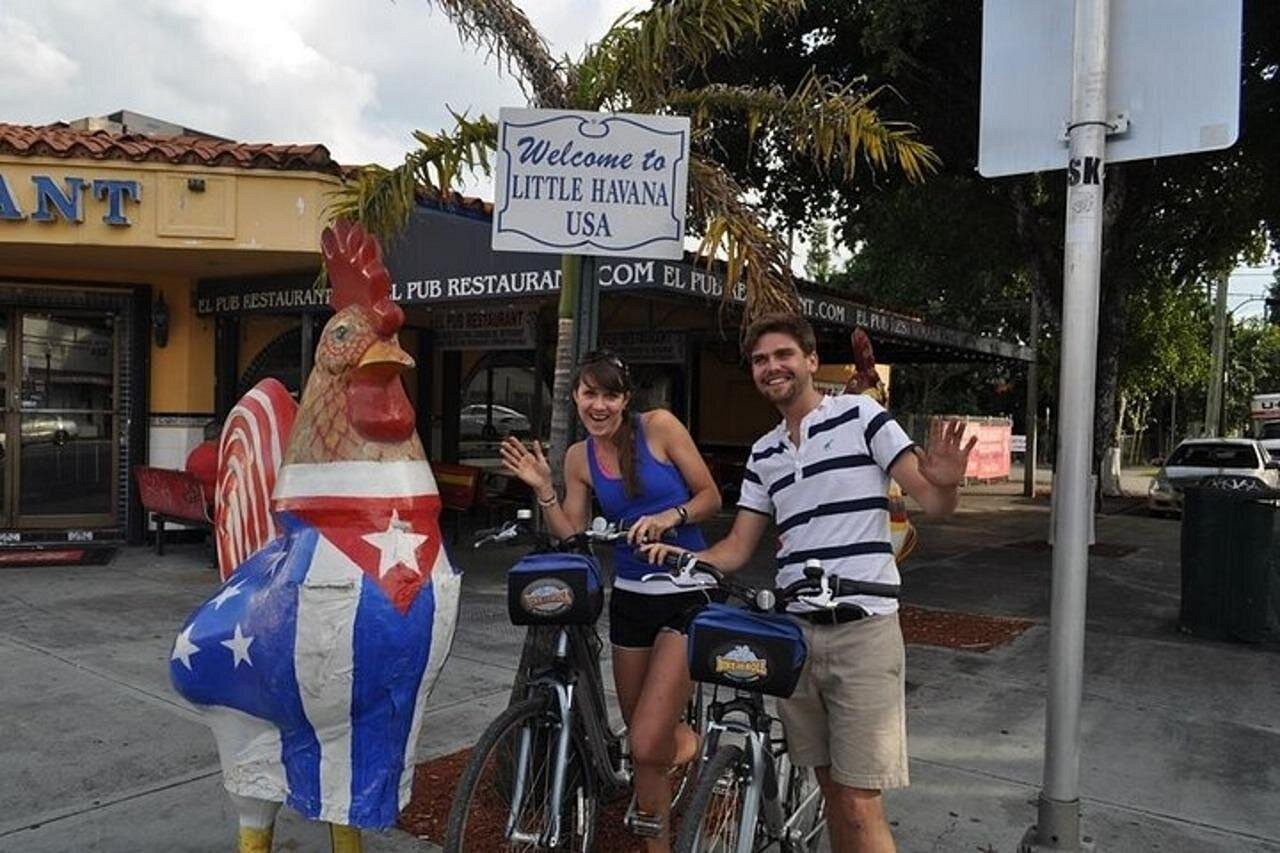
Walk Along the Famous Calle Ocho
Experience the Rhythm and Energy of Little Havana
Visit the Famous Domino Park
Discover the Art and Creativity of Little Havana
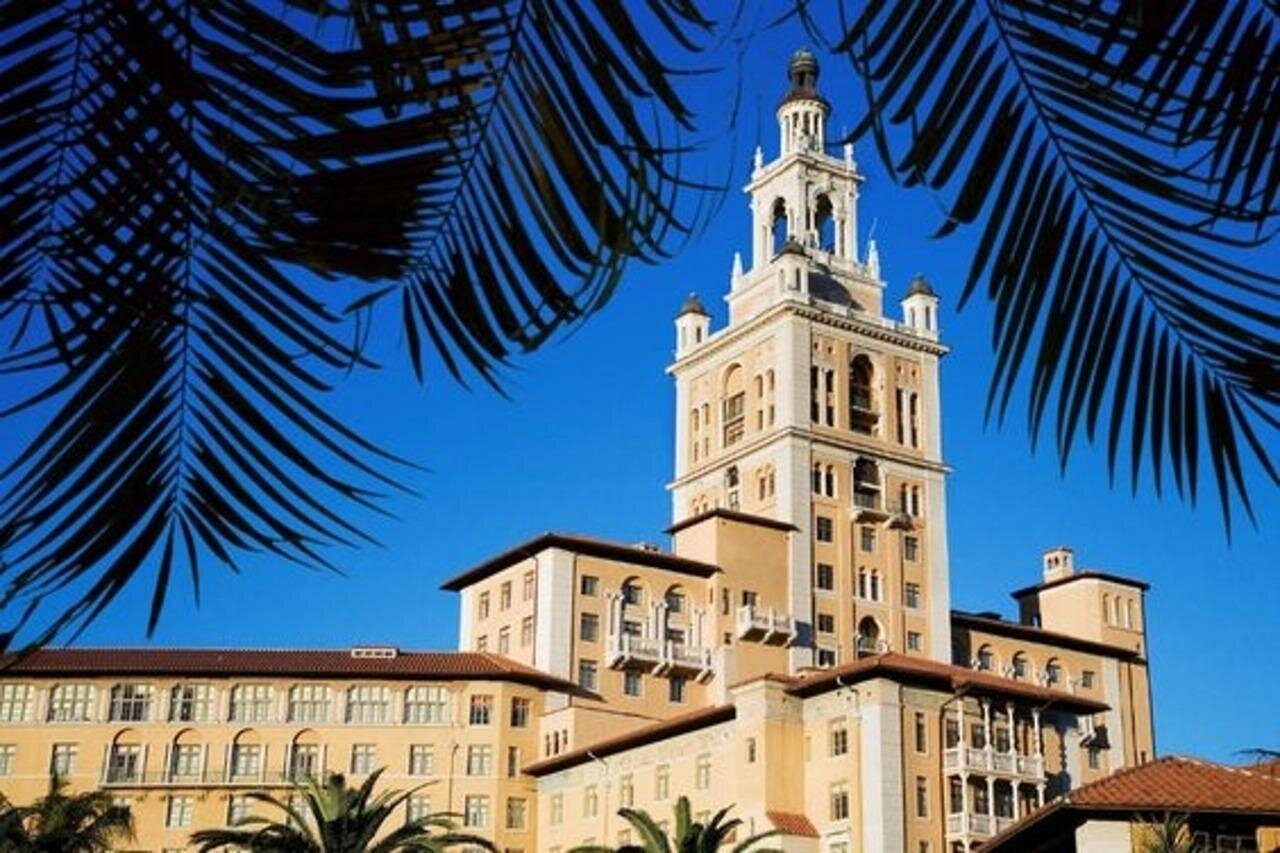
Discover the Historic Tower Theater
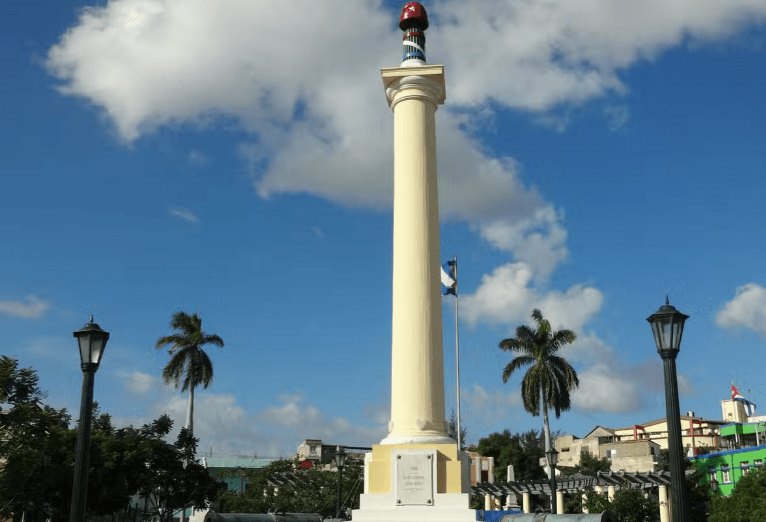
Learn About the Bay of Pigs Memorial and Cuban-American History
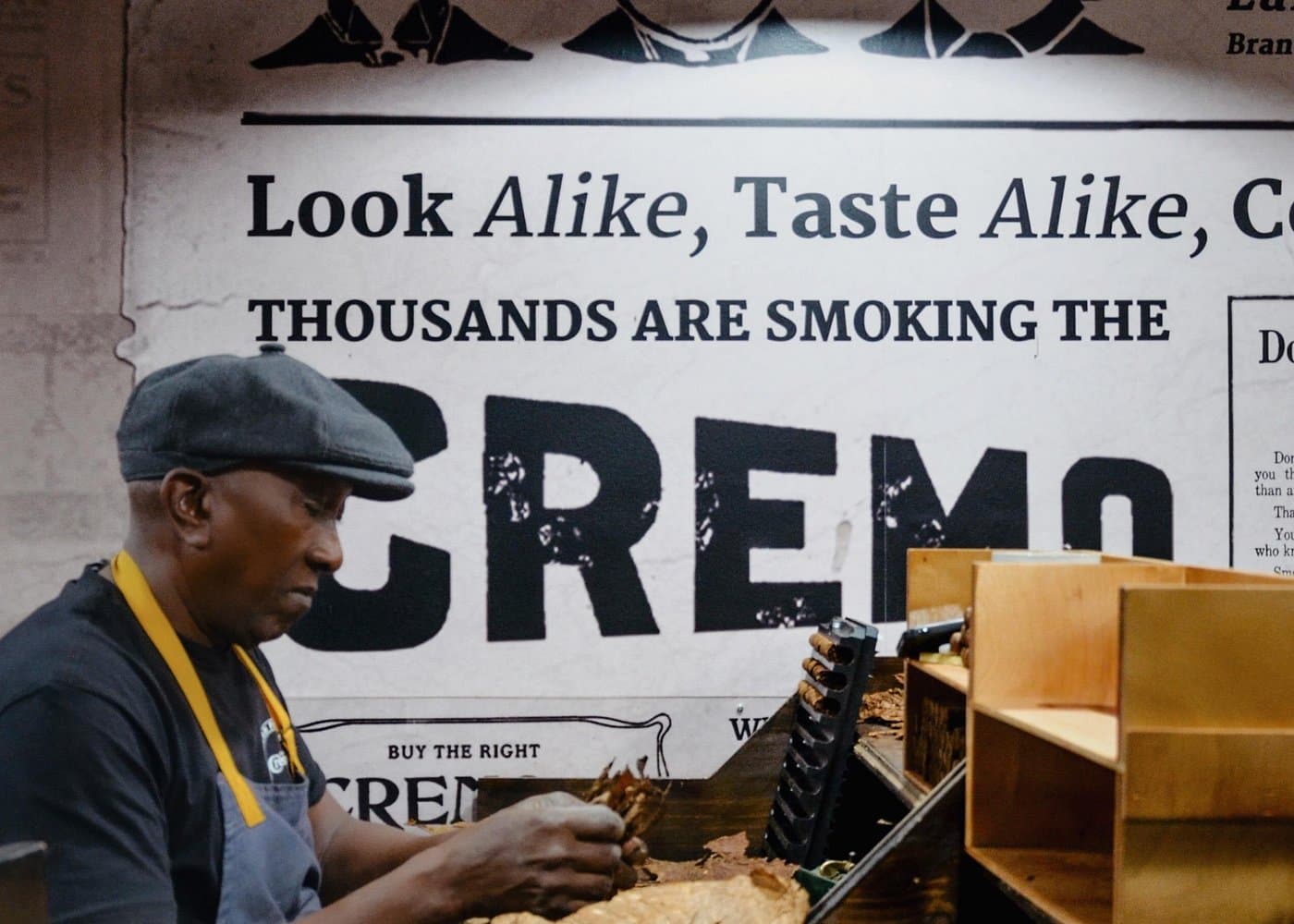
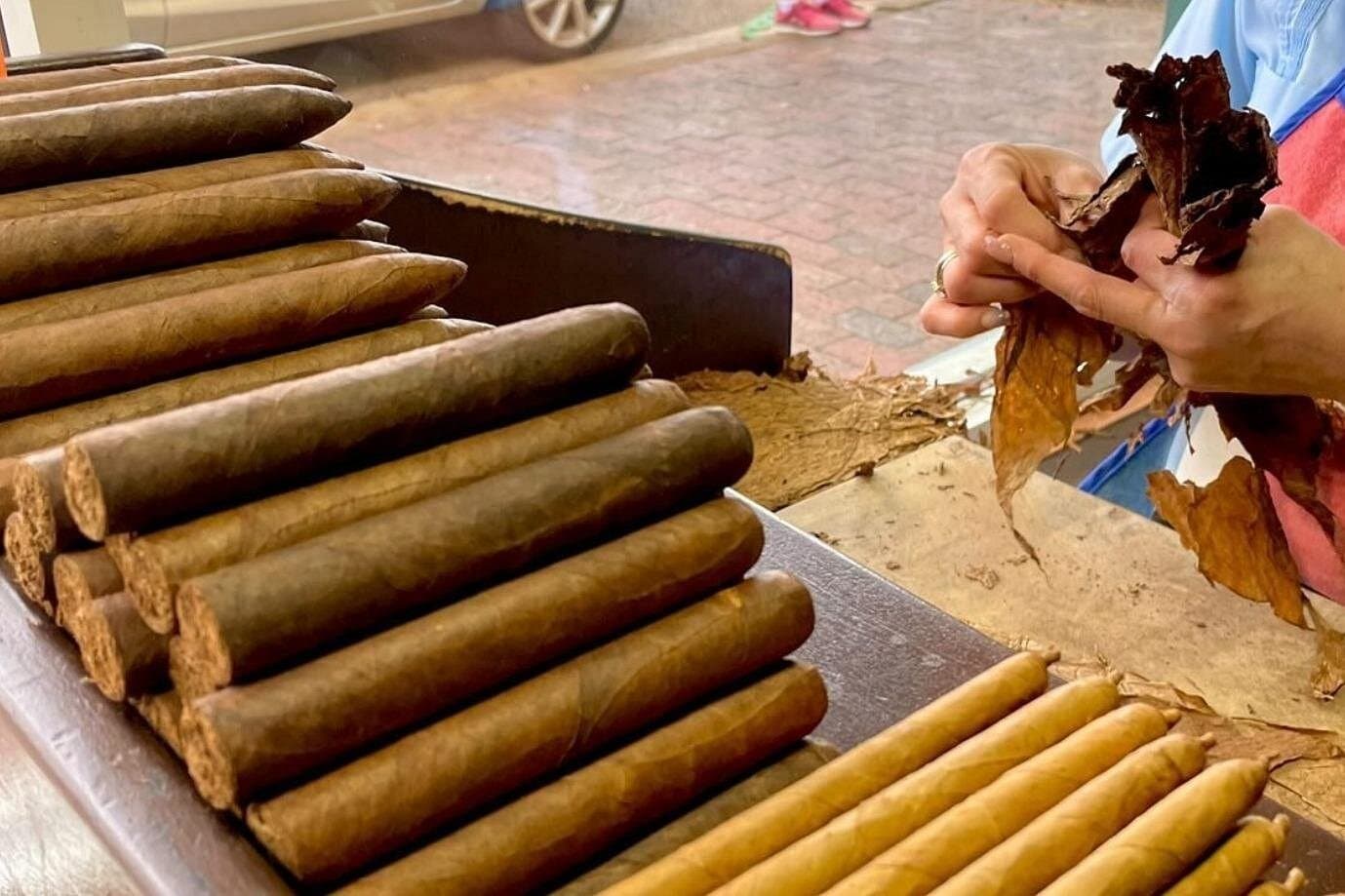
Watch Traditional Cuban Cigars Being Made
Enjoy an Authentic Cuban Cafecito
Explore the Cubaocho Museum and Performing Arts Center
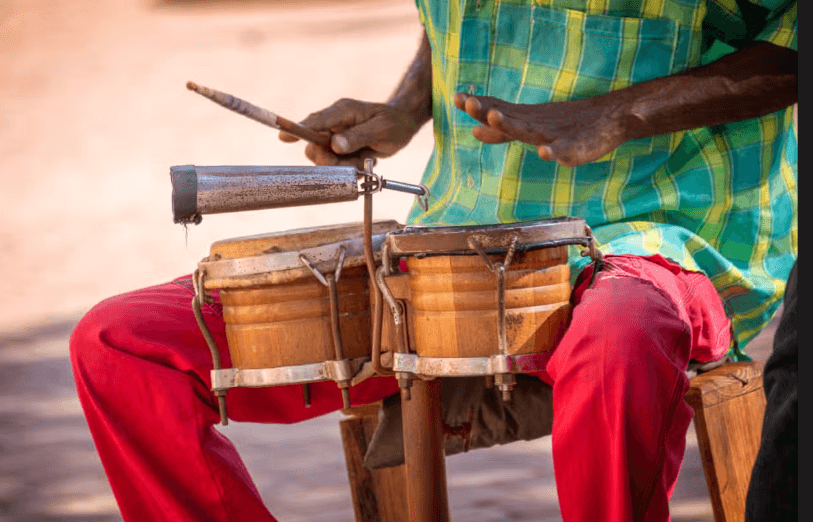
Hear the Sounds of Salsa and Miami’s Cuban Culture
Discover the Stories Behind the Neighborhood
A Private Experience Designed Around You
See Miami Through a Different Perspective
Why Little Havana Is a Must-Visit in Miami
An Immersive Cultural Experience for Curious Travelers
Experience the Neighborhood at Your Own Pace
A Memorable Experience for Couples and Families
A Great Choice for First-Time Visitors to Miami
The Perfect Balance of History, Culture, and Local Life
Capture the Colors of Little Havana
Prepare for a Comfortable Walking Adventure
More Than a Sightseeing Tour
Discover the Human Side of Miami
Your Invitation to Discover Little Havana
Experience the Authentic Spirit of Little Havana
Miami Little Havana Private Walking Tour: Complete Itinerary, Travel Tips & Booking Guide
Follow the Story of Little Havana Through Its Streets
Full Little Havana Walking Tour Itinerary
Start Your Experience in the Heart of Little Havana
Walk Along Southwest Eighth Street — Calle Ocho
Discover Domino Park
Learn About Cuban-American History
Visit the Bay of Pigs Monument
Explore the Tower Theater Area
Discover the Cubaocho Museum and Performing Arts Center
Discover Little Havana's Art Scene
Watch Cuban Cigars Being Rolled by Hand
Experience the Cuban Coffee Tradition
Experience the Sounds of Little Havana
Travel Tips for Your Little Havana Walking Tour
Wear Comfortable Walking Shoes
Protect Yourself From the Miami Sun
Bring a Camera or Smartphone
Stay Hydrated
Ask Questions
Who Is This Little Havana Tour Best For?
Couples Visiting Miami
Families
Solo Travelers
History Enthusiasts
Art and Photography Lovers
First-Time Miami Visitors
Why Choose a Private Little Havana Walking Tour?
Personalized Attention
Local Knowledge
A More Authentic Neighborhood Experience
Flexible Conversation
Small-Group Comfort
Booking Information
What Is Included?
Professional Local Guide
Cuban Cafecito
Cultural and Historical Insights
Major Cultural Landmarks
What Is Not Specifically Included?
Is the Tour Worth It?
Make the Most of Your Miami Visit
Travel Respectfully Through Little Havana
A Deeper Understanding of Cuban-American Culture
A More Meaningful Alternative to Ordinary Sightseeing
Create Stories You Will Remember After Miami
Your Little Havana Experience Starts Here
Book Your Private Little Havana Walking Tour
Frequently Asked Questions About the Miami Little Havana Private Walking Tour
1. How long is the Miami Little Havana Private Walking Tour?
2. Is this a private Little Havana walking tour?
3. Where does the Little Havana tour take place?
4. Is a local guide included?
5. What attractions can I see during the tour?
6. Is Cuban coffee included?
7. Will I see Cuban cigars being made?
8. Can I visit Domino Park?
9. Is lunch included in the tour?
10. Can children join the Little Havana walking tour?
11. Is the tour suitable for seniors?
12. What should I wear for the Little Havana walking tour?
13. Should I bring water?
14. Can I take photographs during the tour?
15. What happens if it rains?
16. Are bathrooms available during the tour?
17. Is Little Havana worth visiting in Miami?
18. What makes a private Little Havana tour different from exploring alone?
19. Is this tour good for first-time visitors to Miami?
20. What is the best reason to book a Little Havana private walking tour?
After completing your reservation, our team will contact you one day before your tour to confirm your exact hotel / Airbnb pickup time or meeting point.
If you selected a meeting point during your booking, please note that your reservation is fully confirmed — simply arrive at the chosen location at the scheduled time.
Please ensure the WhatsApp number, phone number, or email you entered during booking is correct so we can reach you smoothly.
For any changes to your reservation, weather questions, or special requests, feel free to contact us:
We look forward to welcoming you! 🌴✨