Cayo Levantado at Bacardi Island including Boat transfer, Lunch and Snorkeling
5.0(67)
From$125
Cayo Levantado at Bacardi Island including Boat transfer, Lunch and Snorkeling
5.0 (67)
From$125per person
Explore Ciénaga de Zapata National Park from Varadero on a 10-hour wildlife tour with crocodiles, endemic birds, Bermejas trail, lunch and a nature guide.
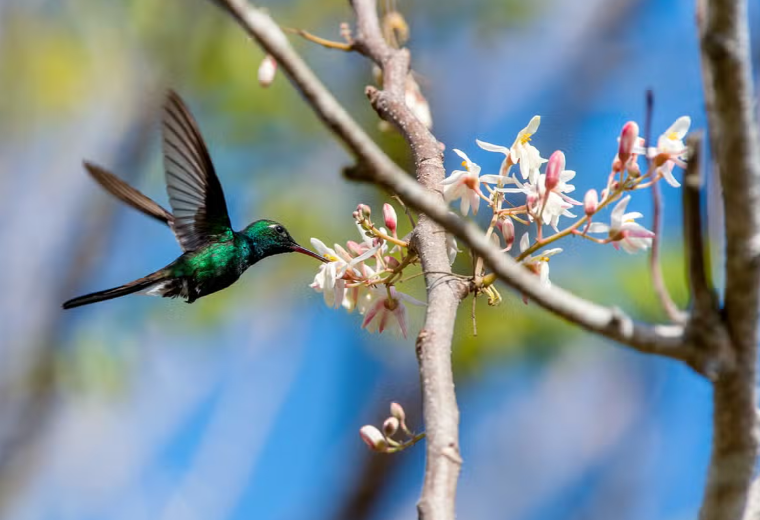
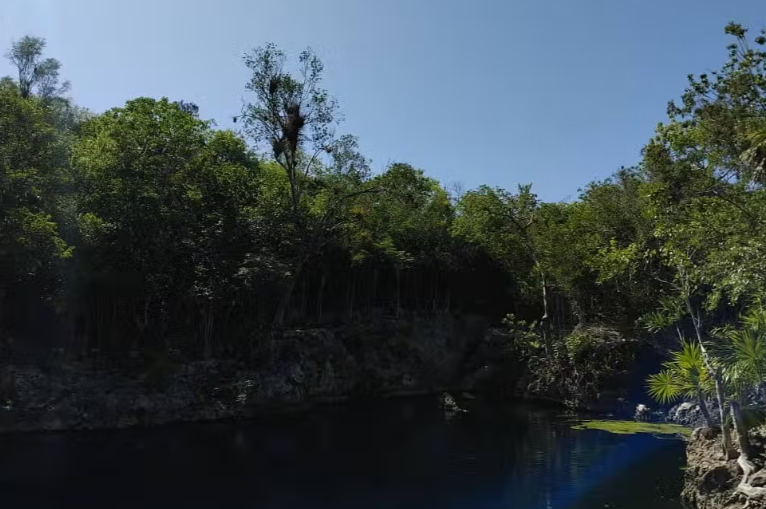
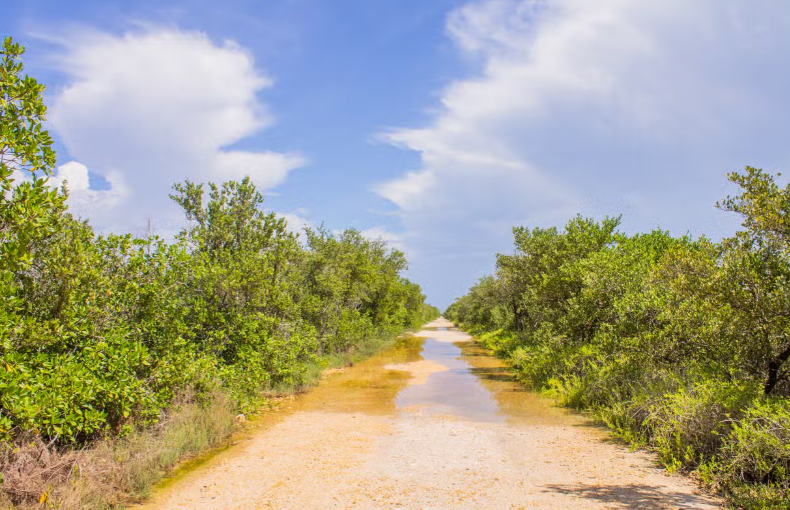
Ciénaga de Zapata National Park Tour from Varadero – Wildlife, Wetlands & Cuban Nature Escape the busy resort atmosphere of Varadero and venture into one of Cuba’s most extraordinary natural landscapes on a Ciénaga de Zapata National Park tour. Located on the Zapata Peninsula in Matanzas Province, this vast wetland is a place where dense forests, freshwater habitats, swamps, mangroves, wildlife sanctuaries, and protected ecosystems come together to create one of the Caribbean’s most remarkable natural environments. This approximately 10-hour nature and wildlife excursion from Varadero is designed for travelers who want to experience a different side of Cuba—one that goes beyond beaches, swimming pools, and traditional resort experiences. Instead, the journey takes you deep into the protected landscapes of the Zapata Peninsula, where rare birds, endemic wildlife, conservation projects, and fascinating Cuban ecosystems become the focus of your day. The Ciénaga de Zapata is recognized as a UNESCO Biosphere Reserve and is widely regarded as one of the most important wetland ecosystems in the Caribbean. Its combination of forests, wetlands, coastal environments, and wildlife habitats provides shelter for an impressive range of species, including birds found nowhere else in the world. From the moment you leave your hotel in Varadero in a comfortable, air-conditioned vehicle, the experience becomes a journey of discovery. Your professional English-speaking nature guide introduces you to the landscapes and wildlife of southern Matanzas while explaining how the unique geography of the peninsula supports such exceptional biodiversity. One of the highlights of the day is a visit to a specialized crocodile farm, where you can learn about the conservation and breeding of Cuban crocodiles and other reptiles. Later, the adventure continues into the protected natural environment of the Bermejas trail, a renowned area for observing Cuba’s endemic birdlife. For birdwatchers, nature photographers, families, and travelers who simply want to explore Cuba beyond its famous beaches, this experience offers an opportunity to see the island from an entirely different perspective. The Ciénaga de Zapata National Park is one of the largest and most important protected natural areas in the Caribbean. Covering an immense portion of the Zapata Peninsula, the region is characterized by wetlands, forests, waterways, coastal habitats, and remarkably diverse wildlife. Unlike the polished atmosphere of a beach resort, the Zapata Peninsula feels raw, natural, and wonderfully untamed. Here, the landscape is shaped by water and vegetation rather than buildings and urban development. The further you travel into the region, the more the scenery reveals the extraordinary relationship between Cuba’s wildlife and its natural environment. The wetlands are particularly important because they provide essential habitats for countless species. The peninsula’s isolated geography has also contributed to the development and preservation of numerous endemic species—animals and birds that are uniquely associated with Cuba. This is what makes a Ciénaga de Zapata wildlife tour so special. You are not simply visiting a scenic destination. You are entering a living ecosystem and learning how its different elements interact. As you travel through the peninsula, your guide can help you understand the importance of the wetlands, forests, and protected habitats. Instead of simply seeing a landscape through a vehicle window, you gain a deeper appreciation of why the area is so valuable to Cuba and to Caribbean conservation. For travelers interested in ecotourism, wildlife, photography, birdwatching, or nature, Ciénaga de Zapata provides an unforgettable setting. Your adventure begins with convenient pickup from your hotel or private rental in Varadero. Rather than spending another day at the resort, you will travel south toward the Zapata Peninsula and into one of Cuba’s most important natural regions. The drive itself becomes part of the experience. As the resort environment gives way to quieter rural landscapes, you begin to see a different side of Cuba. The scenery becomes increasingly green and open, and the anticipation builds as you approach the protected area. Traveling in an air-conditioned vehicle makes the journey comfortable, particularly during Cuba’s warmer months. Your professional English-speaking guide accompanies you throughout the excursion, providing information about the destination and helping you understand the significance of the places you visit. This combination of comfortable transportation and guided exploration makes the tour suitable for travelers who want an authentic nature experience without having to organize complicated transportation or navigation independently. Instead of worrying about directions, entrance arrangements, or planning the day, you can concentrate on the scenery, wildlife, photography, and stories shared by your guide. One of the first major experiences on the tour is a visit to a specialized crocodile farm dedicated to the breeding, protection, and conservation of Cuban crocodiles. Crocodiles are among the planet’s most ancient surviving reptiles, and encountering them in a conservation-focused environment provides a fascinating glimpse into Cuba’s natural heritage. The Cuban crocodile is an endemic species, making it especially significant to the island’s biodiversity. During your visit, you can learn more about the species, its behavior, its natural habitat, and the conservation challenges involved in protecting it. For many visitors, seeing these powerful reptiles up close is one of the most memorable moments of the entire excursion. The crocodile farm also adds variety to the experience. Instead of spending the entire day hiking through forest or wetlands, the itinerary combines wildlife education with outdoor exploration. This makes the excursion engaging for different types of travelers, including families and visitors who may be experiencing a wildlife tour for the first time. Your guide can help put what you see into context, explaining why protected breeding and conservation programs matter and how wildlife protection contributes to the long-term health of Cuba’s ecosystems. After exploring the crocodile farm, the journey continues deeper into the natural environment of the Zapata Peninsula. The Bermejas trail is one of the most exciting parts of the excursion, particularly for travelers interested in birds and endemic Cuban wildlife. Walking through this protected environment gives you the chance to slow down and experience the forest at a completely different pace. Instead of rushing from attraction to attraction, you become more attentive to movement in the trees, sounds in the vegetation, and small details along the trail. The Bermejas area is known for its exceptional birdlife and is especially appealing to birdwatchers hoping to spot some of Cuba’s most distinctive species. Among the potential sightings is the famous Bee Hummingbird, locally known as the Zunzuncito. Often described as the world’s smallest bird, this tiny hummingbird is one of Cuba’s most extraordinary natural treasures. Seeing such a small and elusive bird in its natural environment can be an unforgettable wildlife moment. Because it is so tiny and fast-moving, spotting one requires patience and careful observation. That sense of anticipation is part of what makes birdwatching in Cuba so rewarding. For many travelers, the possibility of seeing the Bee Hummingbird is the defining reason to visit the Bermejas area. The bird is exceptionally small, but its significance is enormous. It is endemic to Cuba, meaning its natural distribution is restricted to the island. During your walk, your guide can help you understand where to look and what signs to watch for. Birdwatching is not about rushing through the forest—it is about becoming immersed in the environment and allowing nature to reveal itself. You may hear movement before you see anything. A flash of wings might appear among vegetation. A distant bird call may prompt you to pause and look toward the trees. Those quiet moments are often among the most memorable parts of a wildlife excursion. Even if wildlife does not appear exactly when expected, the experience remains rewarding because the trail itself provides an opportunity to observe the complexity of Cuba’s natural environment. Bring binoculars if you have them, keep your camera ready, and listen carefully to the forest. The smaller details can sometimes produce the biggest memories. The Bermejas trail offers more than the chance to search for the Bee Hummingbird. It is also associated with other remarkable Cuban bird species, including the Cuban Trogon and Cuban Tody. The Cuban Trogon is especially interesting because it is Cuba’s national bird. Known locally as the Tocororo, it carries cultural significance as well as natural beauty. The Cuban Tody is another fascinating species and is one of the birds that makes Cuba such an appealing destination for birdwatchers. Because many of Cuba’s bird species are endemic or regionally distinctive, a guided nature excursion can reveal details that casual sightseeing might miss. Your professional nature guide can point out birds, explain their characteristics, and share information about the habitats that support them. This is one of the major advantages of taking a guided Ciénaga de Zapata birdwatching tour rather than exploring the area without local knowledge. A guide can transform a simple walk through the forest into a deeper educational experience. One of the most valuable parts of the excursion is the opportunity to travel with a professional English-speaking guide who understands the natural environment. A good nature guide does more than lead the way. They help travelers interpret what they see. A tree becomes part of a larger ecosystem. A bird becomes a clue to the health of its habitat. A wetland becomes more than water and vegetation—it becomes a critical natural system supporting wildlife and communities. Throughout the journey, your guide can explain the ecological importance of the Zapata Peninsula and discuss the conservation work taking place in the region. This educational element makes the excursion particularly rewarding for travelers who want to understand Cuba rather than simply photograph it. You return to Varadero not only with photographs but also with a better understanding of the island’s natural heritage. The journey continues toward the Soplillar area, where the tour includes a visit to a bird breeding center. Conservation is an essential part of protecting the biodiversity of Ciénaga de Zapata. Visiting a breeding center provides an opportunity to learn about practical efforts designed to support local bird populations and preserve the region’s natural heritage. For travelers interested in sustainable tourism and wildlife conservation, this part of the excursion adds an important educational dimension. Instead of viewing wildlife only as something to photograph, you gain insight into the work involved in protecting species and maintaining healthy ecosystems. The visit also helps demonstrate why protected natural areas are important. Conservation requires research, monitoring, habitat protection, breeding programs, education, and cooperation among local communities and environmental organizations. Your guide can provide context throughout the visit, helping connect the conservation work you see with the wider importance of the Zapata Peninsula. The Ciénaga de Zapata is more than a beautiful place to visit. It represents an important part of Cuba’s environmental heritage. Wetlands play vital ecological roles. They provide habitat for wildlife, support biodiversity, influence water systems, and contribute to the resilience of natural environments. The Zapata Peninsula is particularly significant because of the extraordinary variety of ecosystems concentrated within the region. For visitors coming from Varadero, this tour offers a rare opportunity to experience this environmental diversity in a single day. The experience can change the way you see Cuba. The country is famous around the world for its beaches, music, architecture, vintage cars, and cultural traditions. But beyond those familiar images lies another Cuba—one of forests, wetlands, endemic species, protected landscapes, and conservation projects. This tour is designed to introduce you to that side of the island. One of the biggest attractions of the Ciénaga de Zapata National Park tour from Varadero is the contrast between the resort area and the natural environment of the peninsula. Varadero is famous for its beautiful beaches and relaxed coastal atmosphere. Ciénaga de Zapata offers something entirely different. Here, the emphasis is on observation and exploration. You may spend time listening to birds, walking along a forest trail, observing crocodiles, learning about conservation, and enjoying the peaceful surroundings. For travelers who have already experienced Varadero’s beaches or want to add something more adventurous to their Cuban vacation, the excursion provides an ideal change of pace. It is also an excellent option for visitors who do not want to commit to a multi-day wildlife expedition. In a single day, you can experience several different aspects of the Zapata Peninsula and return to Varadero in the late afternoon. The Ciénaga de Zapata is an inspiring destination for photographers. The variety of landscapes creates opportunities for different types of photography, from wide natural scenes to close-up wildlife images. Birdwatchers and wildlife photographers should bring a camera with enough battery capacity and memory for a full day of exploration. A zoom lens can be particularly useful for photographing birds and wildlife from a respectful distance. Binoculars are also strongly recommended. Photography in a natural environment is different from photographing a monument or city street. Wildlife does not pose on demand, and the best photographs often come from patience. Pause. Observe. Listen. Wait. Sometimes the most rewarding moment happens after several quiet minutes of watching the vegetation. Whether you are using professional equipment or simply a smartphone, the landscapes and wildlife of the Zapata Peninsula provide plenty of opportunities to create lasting memories. After a morning of wildlife exploration, hiking, and conservation experiences, it is time to slow down and enjoy a traditional Cuban lunch at a local restaurant. Food is an important part of travel, and enjoying a local meal adds a cultural dimension to the nature experience. Rather than treating lunch as simply a break between activities, it becomes another opportunity to experience Cuba through its flavors and hospitality. A traditional Cuban meal can provide a welcome moment to relax, recharge, and discuss the day’s discoveries with fellow travelers. After spending hours outdoors, surrounded by forest and wildlife, sitting down for a hearty meal creates a natural transition toward the final part of the excursion. It is also a chance to reflect on the experience so far—from the crocodiles and birdlife to the unique landscapes and conservation efforts. This excursion is especially appealing to travelers who want more from their Cuban vacation than a conventional sightseeing itinerary. Ciénaga de Zapata is an outstanding destination for travelers interested in Cuban birds and endemic species. The Bermejas trail provides an opportunity to search for remarkable species such as the Bee Hummingbird, Cuban Trogon, and Cuban Tody. The combination of crocodile conservation, birdwatching, forest exploration, and protected habitats makes this a varied wildlife experience. Families looking for an educational outdoor activity can enjoy the combination of animals, nature, hiking, and cultural experiences. Seeing crocodiles and searching for tiny hummingbirds can be especially memorable for children. The landscapes and wildlife provide excellent opportunities for nature photography. Bring your camera and binoculars and be prepared to observe patiently. Travelers interested in conservation can learn about protected ecosystems and local wildlife programs while visiting important natural areas. If you have spent most of your Cuban vacation beside the pool or on the beach, this excursion provides an exciting change of scenery and introduces you to a wilder side of the island. The best travel experiences are not always the ones with the longest list of attractions. Sometimes they are the experiences that make you stop and notice something you would otherwise have missed. A tiny hummingbird hovering beside a flower. A crocodile resting quietly in the water. A colorful Cuban bird appearing between branches. The sound of insects and birds surrounding a forest trail. The feeling of leaving the resort world behind and entering an environment where nature sets the rhythm of the day. These are the moments that can make a Ciénaga de Zapata National Park excursion memorable. The tour is not simply about checking attractions off a list. It is about seeing Cuba from a different perspective and understanding why the country’s natural heritage deserves protection. Cuba has many famous attractions, but its natural environments are among its greatest treasures. The Ciénaga de Zapata demonstrates how diverse the island can be. Within a relatively compact travel experience, you can encounter wetlands, forests, wildlife habitats, conservation centers, rural landscapes, and endemic species. That diversity makes the destination particularly appealing for travelers who enjoy experiential tourism. Instead of simply looking at Cuba, you become part of a journey through one of its most important ecosystems. The experience can also provide a deeper appreciation for the relationship between people and nature. Conservation centers, protected trails, and wildlife programs demonstrate the ongoing effort required to safeguard these environments for future generations. Although the tour is rich in activities, approximately 10 hours gives you enough time to experience the destination without turning the day into an exhausting race between attractions. Round-trip transportation from your Varadero hotel or private rental is included, allowing you to focus on enjoying the journey. The air-conditioned vehicle provides comfort during the road portions of the excursion, while the guided walking experience allows you to get closer to the natural environment. The balance between driving, wildlife observation, hiking, conservation visits, and lunch creates a varied itinerary that keeps the experience engaging throughout the day. At the end of the excursion, you can relax during the drive back to Varadero and reflect on the wildlife and landscapes you experienced. You are expected to return in the late afternoon, carrying memories of a very different side of Cuba. There are many reasons travelers choose this experience as an addition to a Varadero vacation. First, it offers access to a protected natural environment that feels completely different from the resort zone. Second, it combines several experiences in one day: crocodile conservation, birdwatching, hiking, conservation education, local food, and scenic travel. Third, it is guided by a professional English-speaking nature guide who can provide valuable context throughout the day. Fourth, it offers the possibility of seeing some of Cuba’s most fascinating endemic wildlife. And finally, it provides an authentic travel experience that connects visitors with the environmental character of the island. For anyone searching for things to do in Varadero beyond the beach, this excursion offers a compelling option. Because the excursion includes walking through a natural environment, preparation can make the day more comfortable. Comfortable walking or hiking shoes are highly recommended. The Bermejas trail is a nature experience rather than a city walk, so practical footwear is much more useful than fashionable shoes. Lightweight, long-sleeved clothing is also recommended, particularly for protection from insects and vegetation. Because the Zapata Peninsula is a wetland environment, insect repellent is strongly recommended. Sun protection is equally important. Bring sunscreen, sunglasses, and a hat, especially during the warmer months. Birdwatchers should bring binoculars if available, while photographers should ensure their camera or phone is fully charged. It is also useful to carry some extra cash for drinks, personal purchases, or local souvenirs. A little preparation allows you to concentrate on the experience rather than worrying about comfort during the day. If your Cuban vacation is based in Varadero, you already have access to one of the country’s most famous beach destinations. But adding a day in Ciénaga de Zapata allows you to experience something dramatically different. Instead of turquoise water and white sand, you encounter dense vegetation and wetlands. Instead of resort entertainment, you listen for birds. Instead of simply relaxing beside the sea, you explore a protected ecosystem. Instead of passing wildlife attractions quickly, you learn about conservation. The contrast is exactly what makes the excursion so rewarding. A well-rounded Cuban holiday can include both relaxation and exploration. Varadero provides the perfect setting for rest, while Ciénaga de Zapata provides the opportunity for adventure and discovery. Travel is often about going beyond the obvious. The famous beaches are beautiful. The historic cities are fascinating. The music and culture are unforgettable. But Cuba’s natural landscapes deserve just as much attention. Ciénaga de Zapata offers an opportunity to step away from the standard tourist route and discover an environment shaped by wildlife, wetlands, forests, and conservation. For travelers who value authentic experiences, this can be one of the most rewarding day trips from Varadero. You are not simply visiting another attraction. You are entering one of the Caribbean’s most important wetland environments and learning about the species and conservation projects that make it special. Imagine beginning your morning in Varadero, leaving the resort area behind, and traveling toward the green landscapes of southern Cuba. Imagine arriving at a crocodile conservation facility and seeing powerful reptiles up close. Imagine walking beneath the forest canopy, listening carefully for bird calls. Imagine searching the vegetation for the tiny Bee Hummingbird. Imagine spotting a Cuban Trogon or Cuban Tody. Imagine learning about local conservation efforts at a bird breeding center. Then imagine sitting down to enjoy a traditional Cuban lunch before beginning the relaxing journey back to Varadero. That is the essence of this Ciénaga de Zapata National Park tour. It is an opportunity to experience Cuba through nature, wildlife, conservation, local knowledge, and authentic travel moments. A visit to Ciénaga de Zapata is a reminder that some of Cuba’s greatest treasures are not found inside museums, hotels, or city streets. They are found in the forests. In the wetlands. In the quiet movement of birds. In the ancient presence of crocodiles. In the delicate wings of a hummingbird. And in the people working to protect these environments for the future. This Ciénaga de Zapata National Park tour from Varadero brings all of those elements together in one immersive day. Whether you are a dedicated birdwatcher hoping to spot Cuba’s endemic species, a family looking for an educational adventure, a photographer searching for unique wildlife moments, or simply a curious traveler wanting to see beyond Varadero, this excursion offers a memorable way to connect with the island. With round-trip transportation, a professional English-speaking nature guide, park and crocodile farm entrance fees, a guided Bermejas trail experience, and a traditional Cuban lunch included, the day is designed to make exploring the Zapata Peninsula comfortable and accessible. The journey begins in Varadero, but the experience takes you much farther. It takes you into the wild heart of Cuba. And once you have heard the birds calling through the forest, watched crocodiles in a protected environment, and experienced the remarkable biodiversity of Ciénaga de Zapata, you may leave with a new appreciation for the natural side of this extraordinary Caribbean island. A Ciénaga de Zapata National Park tour from Varadero is more than a simple day trip. It is an opportunity to leave the familiar resort environment behind and enter one of Cuba’s most important natural landscapes. The experience combines wildlife, conservation, hiking, birdwatching, local food, and scenic travel into a carefully structured full-day adventure. According to the current Booking Adventures product page, the excursion lasts approximately 10 hours, includes round-trip transportation from Varadero accommodation, a professional English-speaking nature guide, entrance fees, the guided Bermejas trail experience, and a traditional Cuban lunch. The page currently displays the tour with a 5.0 rating from 73 reviews and a listed booking price from approximately $139.54 per person, while the supplied product information indicates prices can vary by season and group size. The exact pickup time is confirmed with travelers before the excursion. Booking Adventures states that its team contacts guests one day before the tour to confirm the hotel or Airbnb pickup time or meeting point. From the first kilometer of the journey south from Varadero to the final drive back in the late afternoon, the day is designed around discovery. Your adventure begins with pickup from the lobby of your hotel or private rental in Varadero. This convenient arrangement removes one of the biggest challenges of organizing an independent day trip: figuring out transportation to a remote natural destination. Once everyone is ready, you leave Varadero and travel south toward the Zapata Peninsula. The transition from Varadero’s resort environment to the quieter landscapes of southern Matanzas is part of the experience. The further you travel from the beach resorts, the more the atmosphere changes. The journey gives you time to settle into the day and meet your guide. Your professional English-speaking nature guide is not simply there to show you where to go. Throughout the excursion, the guide helps explain the ecosystem, wildlife, conservation projects, and natural history of the region. This is particularly valuable in a destination such as Ciénaga de Zapata, where many of the most interesting details are easy to overlook without local knowledge. One of the first important stops is the specialized Crocodile Farm, where you learn about the breeding and protection of Cuban crocodiles. This is an excellent introduction to the wildlife theme of the day. Crocodiles are powerful, ancient reptiles, and seeing them in a protected setting provides a memorable encounter with one of the region’s most recognizable animals. The experience is not simply about looking at crocodiles. The conservation aspect gives the visit educational value, allowing travelers to understand the importance of protecting native wildlife and maintaining populations of species associated with Cuba’s natural heritage. For children, this can be one of the most exciting parts of the excursion. For adults, it provides an opportunity to learn more about the challenges involved in wildlife protection. And for photographers, it offers another chance to capture memorable images from the journey. The combination of observation and education is one of the reasons this excursion works particularly well for families and travelers interested in nature. The crocodile experience also introduces an important idea that continues throughout the day: conservation. The Zapata Peninsula is not simply a place where wildlife happens to exist. It is an environment where protected habitats and conservation initiatives play an important role. When you see crocodiles in a conservation setting, the experience becomes more meaningful when you understand the relationship between the animals and their natural environment. Your guide can help explain what makes the Cuban crocodile special and why wildlife protection matters. For travelers accustomed to traditional sightseeing, this can be a refreshing change. Instead of simply looking at another attraction, you are learning about a living part of Cuba’s environmental heritage. After the crocodile farm, the tour moves deeper into the natural landscape. The atmosphere gradually becomes more immersive. This is where the excursion begins to feel less like conventional sightseeing and more like a genuine wildlife adventure. The Zapata Peninsula is characterized by a remarkable mixture of wetland and terrestrial habitats. Water, vegetation, forests, and wildlife interact to create an ecosystem that is exceptionally rich in biodiversity. As the vehicle travels toward the trail area, keep your camera nearby. Even when you are not actively hiking, the landscapes surrounding the road can provide interesting views of rural Cuba and the transition into the protected region. The guide continues to provide information about the destination, helping you understand what makes this part of Cuba so different from the resort areas along the northern coast. The Bermejas trail is one of the defining experiences of this Ciénaga de Zapata excursion. Here, you leave the vehicle and begin exploring the natural environment on foot. Walking is essential because wildlife observation works differently when you slow down. The sounds become clearer. Small movements become easier to notice. Bird calls emerge from the vegetation. The forest becomes something you experience rather than simply observe through a window. Your guide leads the walk and helps you look for some of Cuba’s most interesting endemic bird species. For serious birdwatchers, the trail can be one of the most rewarding parts of the day. For casual travelers, it provides a peaceful opportunity to experience a completely different side of Cuba. The Bermejas area is particularly appealing because of the variety of Cuban birdlife that may be encountered. Among the species travelers hope to see is the Bee Hummingbird, known locally as the Zunzuncito. It is famous for being the world’s smallest bird. Because of its tiny size and quick movements, finding one is a genuine wildlife-watching moment rather than a guaranteed photo opportunity. This is why patience matters. Rather than expecting wildlife to appear on command, travelers should approach the experience with curiosity and realistic expectations. Your guide can help identify birds and point out potential sightings, but nature always operates on its own schedule. That unpredictability is part of the magic. Imagine walking quietly along the trail when your guide suddenly pauses. Everyone becomes silent. You look toward the vegetation. Something moves. A tiny bird flashes through the greenery and disappears. For a moment, you are not thinking about your hotel, your schedule, or your next beach day. You are simply trying to understand what you just saw. That is the type of moment wildlife travel can create. The Bee Hummingbird is small enough that travelers can easily miss it if they are distracted. This makes the search itself part of the experience. Whether you are a dedicated birder or someone who has never used binoculars before, the possibility of seeing one of Cuba’s most remarkable endemic birds adds excitement to the walk. Another bird associated with the Cuban birdwatching experience is the Cuban Trogon, locally known as the Tocororo. It is especially significant because it is Cuba’s national bird. For visitors interested in Cuban culture, seeing the national bird in its natural environment adds another layer to the journey. Instead of seeing a symbol printed on a souvenir or displayed in a museum, you have the possibility of encountering the living animal in the forest. This connection between wildlife and national identity makes the experience particularly memorable. Your guide can help explain the significance of the species and assist with identification. The Cuban Tody is another fascinating bird that may be encountered during the nature walk. Its small size and distinctive appearance make it an interesting target for birdwatchers. The search for smaller species encourages travelers to slow down and pay attention to the details of the forest. A nature trail is not necessarily about walking quickly from one point to another. Sometimes the best part is standing quietly for several minutes. Listen. Look. Wait. The more attentive you become, the more the environment reveals itself. One of the strongest advantages of this tour is the presence of a professional English-speaking nature guide. Ciénaga de Zapata is the type of destination where local knowledge can make a significant difference. A traveler without experience in birdwatching might walk past a bird without recognizing it. A guide may identify the sound immediately. A visitor might see an ordinary-looking tree. A guide may explain its importance to the local ecosystem. A traveler might simply see a wetland. A guide can explain how wetlands support biodiversity and why protected areas matter. That is the difference between visiting a destination and understanding it. After the Bermejas trail, the journey continues toward the Soplillar area. Here, you visit a bird breeding center and learn more about local conservation initiatives. This portion of the excursion helps connect what you have seen in the wild with the work being done to protect wildlife. Conservation is not always visible to tourists. It involves monitoring species, maintaining suitable habitats, supporting breeding programs, educating visitors, and working to ensure that threatened ecosystems continue to function. By visiting a bird breeding center, travelers gain a more practical understanding of these efforts. The experience can be particularly meaningful for families because it turns wildlife tourism into an educational opportunity. Children can learn that seeing beautiful animals in the wild is only possible when their habitats are protected. Throughout the tour, your guide shares information about the complex ecosystem of the Zapata wetland. The landscape may look simple at first. Green vegetation. Water. Trees. Birds. But underneath that apparent simplicity is a highly interconnected natural system. Wetlands provide habitats for many species and contribute to ecological balance. Ciénaga de Zapata is especially important because of the diversity of environments found across the peninsula. This makes the region an ideal destination for travelers who want to learn about tropical ecosystems. Instead of receiving information from a textbook, you are learning while standing inside the environment itself. That can make the information much easier to understand and remember. After a morning filled with wildlife, hiking, and conservation experiences, the tour includes a traditional Cuban lunch at a local restaurant. Lunch is an important part of the itinerary because it gives you time to relax after the active portion of the morning. The meal also adds a cultural element to what might otherwise be a purely nature-focused excursion. Food is one of the simplest ways to connect with a destination. A local meal allows you to pause, enjoy Cuban hospitality, and reflect on the experiences of the day. It is also a practical opportunity to recharge before the return journey. After spending hours outdoors, walking trails, watching birds, and exploring wildlife facilities, a comfortable meal is a welcome part of the experience. After lunch and the final activities, it is time to begin the journey back toward Varadero. This portion of the day is deliberately more relaxed. There is no need to rush. You can settle into the air-conditioned vehicle, review your photographs, discuss your favorite wildlife encounters, and enjoy the changing scenery outside the window. For many travelers, the return journey becomes a time for reflection. Perhaps you spotted the Bee Hummingbird. Perhaps the crocodiles were your favorite part. Maybe the Cuban Trogon was the highlight. Or perhaps what you remember most is simply walking quietly through the forest and realizing how different Cuba can feel away from the beach resorts. The tour concludes with arrival back in Varadero in the late afternoon. This is a full-day nature excursion, not a short sightseeing stop. Expect a mixture of: The itinerary is varied, which helps prevent the day from feeling repetitive. You are not spending ten hours doing one activity. Instead, the experience moves between different environments and activities. That variety is particularly useful for families and mixed-interest groups where not everyone is a dedicated birdwatcher. Comfortable walking or hiking shoes are among the most important things to bring. The Bermejas trail involves walking through a natural environment, so practical footwear is much more suitable than sandals or formal shoes. Choose shoes that you are comfortable wearing for an extended period. Lightweight, long-sleeved clothing is recommended for the forest environment. It can provide additional protection from insects and vegetation while keeping you comfortable in tropical conditions. Choose breathable materials whenever possible. Insect repellent is highly recommended. Ciénaga de Zapata is a wetland environment, and insects are naturally part of the ecosystem. Applying repellent before beginning the outdoor activities can make the experience significantly more comfortable. Consider carrying a small amount with you so you can reapply if necessary. Cuba’s tropical climate means sun protection is important. Bring: Even if portions of the trail pass through forest, you may spend time in exposed areas during transportation and other activities. If you are interested in birdwatching, binoculars can make a major difference. Small birds can be difficult to observe with the naked eye, especially when they are high in trees or moving quickly through vegetation. A compact pair of binoculars is easy to carry and can greatly enhance the experience. A camera or smartphone is highly recommended. The tour provides opportunities to photograph: Remember that wildlife photography is best approached respectfully. Follow your guide's instructions and avoid disturbing animals simply to obtain a photograph. The tour information recommends bringing extra cash for drinks or local souvenirs. It is always useful to have some money available for personal purchases during a full-day excursion. Keep cash secure and carry only what you reasonably need. Independent travel has its advantages, but a guided excursion can be particularly useful in a protected wildlife destination. Round-trip transportation from Varadero is included, removing the need to arrange separate transportation to the peninsula. The listed tour package includes entrance fees to the National Park and Crocodile Farm. A professional English-speaking guide accompanies the experience and provides interpretation of the wildlife and ecosystem. Rather than simply walking through the forest without context, the tour provides a guided nature experience. The traditional Cuban lunch eliminates another logistical concern during a long day away from Varadero. Instead of coordinating transportation, tickets, navigation, and meal arrangements yourself, you can concentrate on observing wildlife and enjoying the landscape. Birdwatching requires patience and knowledge. The Zapata Peninsula provides an exceptional environment for travelers interested in endemic Cuban species, and the Bermejas trail is a central part of this excursion. The possibility of seeing the Bee Hummingbird alone makes the experience attractive to many bird enthusiasts. Add the possibility of observing the Cuban Trogon, Cuban Tody, and other native birds, and the excursion becomes an excellent introduction to Cuban birdwatching. Experienced birdwatchers can bring their preferred equipment and approach the trail with specific species in mind. Beginners can simply enjoy learning how to identify birds with the help of the guide. Either way, the forest provides a memorable setting. A wildlife excursion can be an excellent alternative to another beach day for families staying in Varadero. Children often respond naturally to animals, making the crocodile farm an immediate point of interest. The possibility of seeing a tiny hummingbird creates another kind of excitement. Instead of passively sightseeing, children can participate in the search. “Can you see the bird?” “Did you hear that sound?” “What do you think is moving in the trees?” These moments can turn a nature walk into an interactive family experience. The conservation component can also provide educational value, helping young travelers understand why wildlife and natural habitats need protection. Yes, particularly for travelers who enjoy documenting landscapes and wildlife. The tour combines multiple photographic environments. The crocodile farm provides opportunities for animal photography. The Bermejas trail offers forest and bird photography. The wider Zapata Peninsula provides landscape scenes. The conservation center introduces another dimension. And the journey itself offers glimpses of rural Cuban scenery. If photography is important to you, keep your equipment easily accessible rather than packed away in the vehicle. A lightweight camera bag can be more practical than carrying heavy equipment. The most important birdwatching tool is not always the most expensive camera. It is patience. Walk quietly. Listen. Watch the vegetation. Avoid unnecessary movement. Give your eyes time to adjust. Let the guide know if birdwatching is one of your main interests so they can help you focus on potential sightings. And remember that wildlife encounters cannot be guaranteed. That uncertainty is part of authentic nature travel. The reward is not only seeing a particular species. It is developing a deeper awareness of the environment. Many visitors choose Varadero because of its beaches. There is nothing wrong with spending the day swimming, relaxing, and enjoying the Caribbean coast. But Cuba is much larger than its resort areas. A Ciénaga de Zapata excursion reveals a different dimension of the island. Here, the focus is on: Nature instead of nightlife. Wildlife instead of water sports. Forests instead of resort buildings. Conservation instead of conventional sightseeing. Observation instead of rushing. This contrast makes the excursion an excellent addition to a beach-focused Cuban holiday. Organizing a remote wildlife day trip can involve multiple separate decisions. How will you get there? Where do you buy entrance tickets? Who will explain the wildlife? Which trail should you visit? Where will you eat? How will you return to Varadero? This tour combines many of those logistics into one organized experience. The current product information lists round-trip transportation, professional guide services, entrance fees, the guided Bermejas trail, and lunch as included components. That means travelers can book the experience in advance and enjoy a more straightforward day. A nature guide can significantly improve the quality of a wildlife excursion. The guide helps establish the rhythm of the day. They explain what you are seeing. They help identify species. They provide context about conservation. And they make it easier for travelers to understand the relationship between the different ecosystems. This is particularly important for visitors who do not speak Spanish fluently. An English-speaking professional guide makes the experience more accessible and helps ensure that important information is not lost. The current Booking Adventures page emphasizes the tour as an authentic nature experience and highlights the expertise of guides passionate about Cuban wildlife. The product also presents the experience as especially appealing to birdwatchers and families interested in seeing a wilder side of Cuba. That positioning is important. This is not designed as a luxury sightseeing transfer with occasional photo stops. It is a nature-focused day. You are encouraged to observe, walk, learn, and experience the environment. For travelers who value authenticity, that distinction can make the excursion particularly appealing. The current product page displays a 5.0 out of 5 rating based on 73 reviews, with all listed rating categories receiving five-star scores. Reviews shown on the page describe the guide as excellent, the sites as memorable, and the overall experience as worthwhile. Travelers also specifically highlight the guide, scenery, organization, and overall experience. While every traveler’s experience is different, strong guest feedback can provide additional confidence when choosing a full-day excursion. The most important takeaway is that the tour combines several elements travelers consistently value: knowledgeable guidance, interesting wildlife, memorable scenery, and organized logistics. The current product information lists the following inclusions: Transportation from hotels in Varadero is included. A guide specializing in nature accompanies the tour. The relevant National Park entry fee is included. Admission to the specialized crocodile facility is included. The hiking experience along the Bermejas trail is included. A traditional lunch at a local restaurant is included. These inclusions allow travelers to experience the major components of the day without separately organizing each element. Travelers should distinguish between the services explicitly included in the package and personal expenses. The listed inclusions do not specifically identify personal drinks, souvenirs, or other discretionary purchases as included. This is why carrying extra cash is recommended. If you have dietary requirements, mobility concerns, or other special requests, it is advisable to communicate them when making your reservation so the tour operator can advise you appropriately. Before departure, make sure your booking contact information is correct. Booking Adventures states that its team contacts travelers one day before the excursion to confirm the exact hotel or Airbnb pickup time or meeting point. This makes it particularly important to provide an active phone number, WhatsApp contact, or email address during booking. If you are staying at a private rental rather than a conventional hotel, ensure the accommodation details are accurate. A clear pickup arrangement helps the day begin smoothly. This experience is particularly well suited to people who say: “I want to see more than the beach.” “I want to photograph Cuban wildlife.” “I want to see endemic birds.” “I enjoy nature and conservation.” “I want a day trip from Varadero.” “I want an educational family activity.” “I would like to explore a protected natural area.” “I enjoy guided outdoor experiences.” If those statements describe your travel style, Ciénaga de Zapata is likely to be one of the more rewarding day trips you can add to a Varadero itinerary. The Caribbean is often presented through images of beaches and palm trees. Ciénaga de Zapata challenges that image. Here, the Caribbean is green, humid, wild, and full of life. The landscape is not designed for tourists. It exists as a functioning natural environment. That makes the experience feel different. You are not simply visiting a scenic location created for sightseeing. You are entering a protected ecosystem and learning about the animals and habitats that make it important. For travelers who enjoy meaningful experiences, this can be far more memorable than another conventional excursion. Wildlife tourism should always prioritize the protection of animals and habitats. During your visit, follow your guide’s instructions. Do not attempt to feed wildlife unless explicitly permitted by the responsible facility. Avoid making loud noises around birds. Do not remove plants, rocks, shells, or other natural materials. Stay on designated trails where instructed. Respect conservation facilities and local communities. And remember that a successful wildlife encounter is one where the animal remains comfortable and undisturbed. Responsible behavior helps ensure that future visitors can experience the same natural environment. By the time you return to Varadero, you will have experienced a very different side of Cuba. You will have traveled through the Zapata Peninsula. You will have encountered crocodiles. You will have walked through the Bermejas natural environment. You will have searched for tiny endemic birds. You will have learned about conservation. You will have enjoyed traditional Cuban food. And you will have spent a full day surrounded by nature. The experience creates a natural balance between adventure and relaxation. The morning is filled with exploration. The afternoon becomes more relaxed. The journey back provides time to reflect. If you are staying in Varadero and want to experience Cuba beyond its famous beaches, the Ciénaga de Zapata National Park Tour offers an exceptional opportunity to discover the island’s wildlife and natural heritage. With approximately 10 hours dedicated to exploration, the experience combines a crocodile farm, the Bermejas trail, endemic birdwatching, conservation education, a traditional Cuban lunch, and comfortable transportation. The current Booking Adventures listing shows the tour with a 5.0 rating from 73 reviews and provides booking from Varadero with transportation and major entrance fees included. Whether you are traveling with family, searching for an authentic Cuban adventure, interested in birdwatching, or simply ready to spend one day away from the resort, this excursion offers a compelling reason to explore farther. The wild side of Cuba is waiting. Step away from the beach. Follow the road south. Enter the wetlands. Listen for the birds. Look carefully through the trees. Watch ancient crocodiles. Learn from local conservation efforts. Taste traditional Cuban food. And return to Varadero with a story that goes far beyond a typical beach vacation. Make your Cuban vacation more memorable by adding a day of wildlife, conservation, hiking, and authentic nature exploration to your Varadero itinerary. Book the Ciénaga de Zapata National Park Tour from Varadero and discover the wild heart of Cuba. The Ciénaga de Zapata National Park Tour is approximately 10 hours long. The excursion begins with pickup from your hotel or private rental in Varadero, continues through the Zapata Peninsula, and includes the crocodile farm, Bermejas trail, bird conservation center, traditional Cuban lunch, and return transportation to Varadero. The tour generally concludes in the late afternoon. The tour departs from Varadero, with pickup available from the lobby of your hotel or private rental. After completing your reservation, the tour team contacts you approximately one day before departure to confirm the exact pickup time or meeting point. Yes. Round-trip transportation from hotels in Varadero is included in the tour package. Travelers staying in private rentals can also provide their accommodation details so the pickup or meeting arrangements can be confirmed in advance. The tour focuses on Cuban wildlife and endemic species. Depending on natural conditions and wildlife activity, travelers may have opportunities to see the Cuban crocodile, Bee Hummingbird (Zunzuncito), Cuban Trogon, Cuban Tody, and other birds and wildlife in the Ciénaga de Zapata ecosystem. Wildlife sightings cannot be guaranteed because animals move freely in their natural or protected environments. The Bee Hummingbird, or Zunzuncito, is one of the principal wildlife highlights associated with the Bermejas trail. The tour provides an opportunity to search for this exceptionally small Cuban endemic bird. However, because it is wild and highly mobile, a sighting cannot be guaranteed. Yes. The tour description specifically identifies the Cuban Trogon as one of the bird species travelers may look for while exploring the Bermejas trail. The Cuban Tody is also mentioned among the potential bird sightings. Yes. A traditional Cuban lunch at a local restaurant is included. After the morning's wildlife and nature activities, travelers have an opportunity to relax, enjoy local food, and recharge before continuing the day. Yes. Entrance to the Crocodile Farm is included in the tour. The visit focuses on the breeding and protection of Cuban crocodiles and provides an opportunity to see these remarkable reptiles in a specialized facility. Yes. The tour information states that National Park entrance fees are included, along with entry to the Crocodile Farm. The itinerary includes a guided hike along the Bermejas trail. Travelers should be prepared for outdoor walking in a natural forest environment and should wear comfortable walking or hiking shoes. The product information does not specify a formal difficulty rating, so travelers with mobility limitations should contact the tour operator before booking to discuss suitability. Yes. The tour is presented as suitable for families interested in experiencing Cuba's wildlife and natural environment. Children may particularly enjoy the crocodile farm, birdwatching, and opportunity to explore the forest. Parents should consider the approximately 10-hour duration and the amount of outdoor walking when deciding whether the excursion is appropriate for younger children. The tour can be suitable for active seniors who are comfortable with a full-day excursion and outdoor walking. However, the experience includes a guided hike along the Bermejas trail, so travelers with mobility limitations or concerns about walking should discuss their requirements with the tour operator before booking. Comfortable footwear and appropriate sun protection are recommended. Wear comfortable walking or hiking shoes and lightweight, long-sleeved clothing. Long sleeves can be useful in the forest environment. Because the destination is a wetland ecosystem, insect repellent is strongly recommended. Sunscreen, sunglasses, and a hat are also advisable. Yes. Insect repellent is highly recommended for this excursion because Ciénaga de Zapata is a large wetland and forest environment. Applying repellent before entering the natural areas can help make the outdoor experience more comfortable. Yes. Binoculars are strongly recommended if you are interested in birdwatching. The tour specifically suggests bringing binoculars, particularly because species such as the Bee Hummingbird are extremely small and can be difficult to observe from a distance. A camera is also recommended for wildlife and landscape photography. Ciénaga de Zapata is a natural wetland environment, so weather conditions can change. Outdoor activities may be affected by rain or other conditions. Travelers should follow the guide's instructions and contact the tour operator if severe weather is forecast before departure. Because the exact response to adverse weather can depend on conditions and operational decisions, travelers should confirm the current weather policy at the time of booking. Bathroom availability can vary depending on the specific stop and facility. Restroom facilities may be available at established visitor facilities, restaurants, or other organized stops, but travelers should not assume that bathrooms will be continuously available along natural trails. It is advisable to use facilities when available and ask the guide about the next restroom stop if needed. Yes. The tour description states that travelers travel comfortably in an air-conditioned vehicle. This is particularly useful for a full-day excursion in Cuba's tropical climate. The product information indicates that pricing can vary according to season and group size. The current Booking Adventures page displays the bookable tour from approximately $139.54 per person, while the supplied product information gives a starting price of $75. Because travel pricing can change, travelers should check the live booking page for the current price before reserving. This tour is a convenient way to experience one of Cuba's most important natural regions without organizing transportation, entrance tickets, guiding, and lunch separately. It combines wildlife viewing, crocodile conservation, birdwatching, the Bermejas trail, a bird breeding center, traditional Cuban food, and round-trip Varadero transportation in one full-day experience. The current product page also displays a 5.0 rating from 73 reviews, providing an additional trust signal for travelers considering the excursion.Discover the Wild Heart of Cuba on a Ciénaga de Zapata National Park Tour
Explore the Ciénaga de Zapata: Cuba’s Caribbean Wetland Wonderland
Leave Varadero Behind and Enter the Natural Side of Cuba
Visit the Crocodile Farm and Discover Cuba’s Ancient Reptiles
Walk the Bermejas Trail: A Paradise for Birdwatchers
Look for the Zunzuncito, the World’s Smallest Bird
Discover the Cuban Trogon and Cuban Tody
Experience Cuba’s Biodiversity Through the Eyes of a Local Guide
Visit the Soplillar Area and Learn About Conservation
Understand Why Ciénaga de Zapata Matters to Cuba
A Nature Experience Away From the Crowds
Capture Authentic Cuban Wildlife Photography
Enjoy a Traditional Cuban Lunch Surrounded by Nature
Designed for Curious Travelers, Families, and Nature Lovers
For Birdwatchers
For Wildlife Enthusiasts
For Families
For Photographers
For Eco-Conscious Travelers
For Adventurous Vacationers
More Than a Tour: A Story About Cuba’s Wild Side
Experience the Authentic Natural Beauty of Cuba
A Comfortable Full-Day Adventure From Varadero
What Makes This Ciénaga de Zapata Tour Special?
Prepare for Your Ciénaga de Zapata Adventure
The Perfect Nature Escape From Varadero
Discover a Side of Cuba Many Visitors Never See
Your Day in Ciénaga de Zapata Awaits
Ciénaga de Zapata National Park Tour Highlights at a Glance
An Unforgettable Cuban Wildlife Experience
Ciénaga de Zapata National Park Tour from Varadero: Complete Itinerary, Travel Tips & Booking Guide
Your Full-Day Journey Into Cuba’s Wildest Wetland
Ciénaga de Zapata National Park Tour Itinerary
Morning: Hotel Pickup in Varadero
First Major Stop: Crocodile Farm
Understanding the Cuban Crocodile
Continue Into Ciénaga de Zapata National Park
Bermejas Trail: The Heart of the Wildlife Experience
Birdwatching in Bermejas
Search for the Bee Hummingbird
Look for the Cuban Trogon
Discover the Cuban Tody
A Guided Experience Instead of Independent Exploration
Soplillar Area and Bird Conservation
Learn About the Zapata Wetland Ecosystem
Traditional Cuban Lunch
Afternoon: Relaxing Return to Varadero
What to Expect During the 10-Hour Tour
Travel Tips for Ciénaga de Zapata National Park
Wear Comfortable Shoes
Wear Lightweight Long-Sleeved Clothing
Bring Insect Repellent
Protect Yourself From the Sun
Bring Binoculars
Bring a Camera
Carry Extra Cash
Why Choose a Ciénaga de Zapata Tour Instead of Exploring Independently?
Transportation Is Organized
Entrance Fees Are Included
You Have a Nature Specialist
The Bermejas Trail Is Guided
Lunch Is Included
You Can Focus on the Experience
Why This Tour Is Ideal for Birdwatchers
Why Families Can Enjoy the Experience
Is This Tour Good for Nature Photography?
How to Make the Most of the Birdwatching Experience
What Makes Ciénaga de Zapata Different From a Typical Varadero Excursion?
Booking Advantages of This Organized Nature Tour
Professional Guidance Throughout the Experience
A Tour Built Around Authentic Experiences
Trust Signals From Previous Travelers
What Is Included in the Ciénaga de Zapata Tour?
Round-Trip Transportation
Professional English-Speaking Nature Guide
National Park Entrance
Crocodile Farm Entry
Guided Bermejas Trail
Traditional Cuban Lunch
What Is Not Specifically Listed as Included?
Practical Planning Before Your Tour
What Kind of Traveler Will Enjoy This Tour Most?
A Different Kind of Caribbean Adventure
Responsible Travel in Ciénaga de Zapata
A Memorable Full-Day Escape From Varadero
Book Your Ciénaga de Zapata National Park Adventure
Reserve Your Place on the Ciénaga de Zapata National Park Tour
Frequently Asked Questions About the Ciénaga de Zapata National Park Tour
1. How long is the Ciénaga de Zapata National Park Tour?
2. Where does the Ciénaga de Zapata tour depart from?
3. Is hotel pickup included from Varadero?
4. What wildlife can I see during the tour?
5. Can I see the Bee Hummingbird on this tour?
6. Is the Cuban Trogon included in the birdwatching experience?
7. Is lunch included in the Ciénaga de Zapata tour?
8. Is the crocodile farm included?
9. Is the National Park entrance fee included?
10. Is the Bermejas trail difficult?
11. Is the tour suitable for families with children?
12. Is the tour suitable for seniors?
13. What should I wear for the Ciénaga de Zapata National Park Tour?
14. Should I bring insect repellent?
15. Should I bring binoculars for birdwatching?
16. What happens if it rains during the tour?
17. Are bathrooms available during the tour?
18. Is transportation air-conditioned?
19. What is the price of the Ciénaga de Zapata National Park Tour?
20. Why should I book the Ciénaga de Zapata tour from Varadero?
After completing your reservation, our team will contact you one day before your tour to confirm your exact hotel / Airbnb pickup time or meeting point.
If you selected a meeting point during your booking, please note that your reservation is fully confirmed — simply arrive at the chosen location at the scheduled time.
Please ensure the WhatsApp number, phone number, or email you entered during booking is correct so we can reach you smoothly.
For any changes to your reservation, weather questions, or special requests, feel free to contact us:
We look forward to welcoming you! 🌴✨