Madrid: El Retiro Park Guided Tour and Tapas
5.0(96)
From$53
Madrid: El Retiro Park Guided Tour and Tapas
5.0 (96)
From$53per person
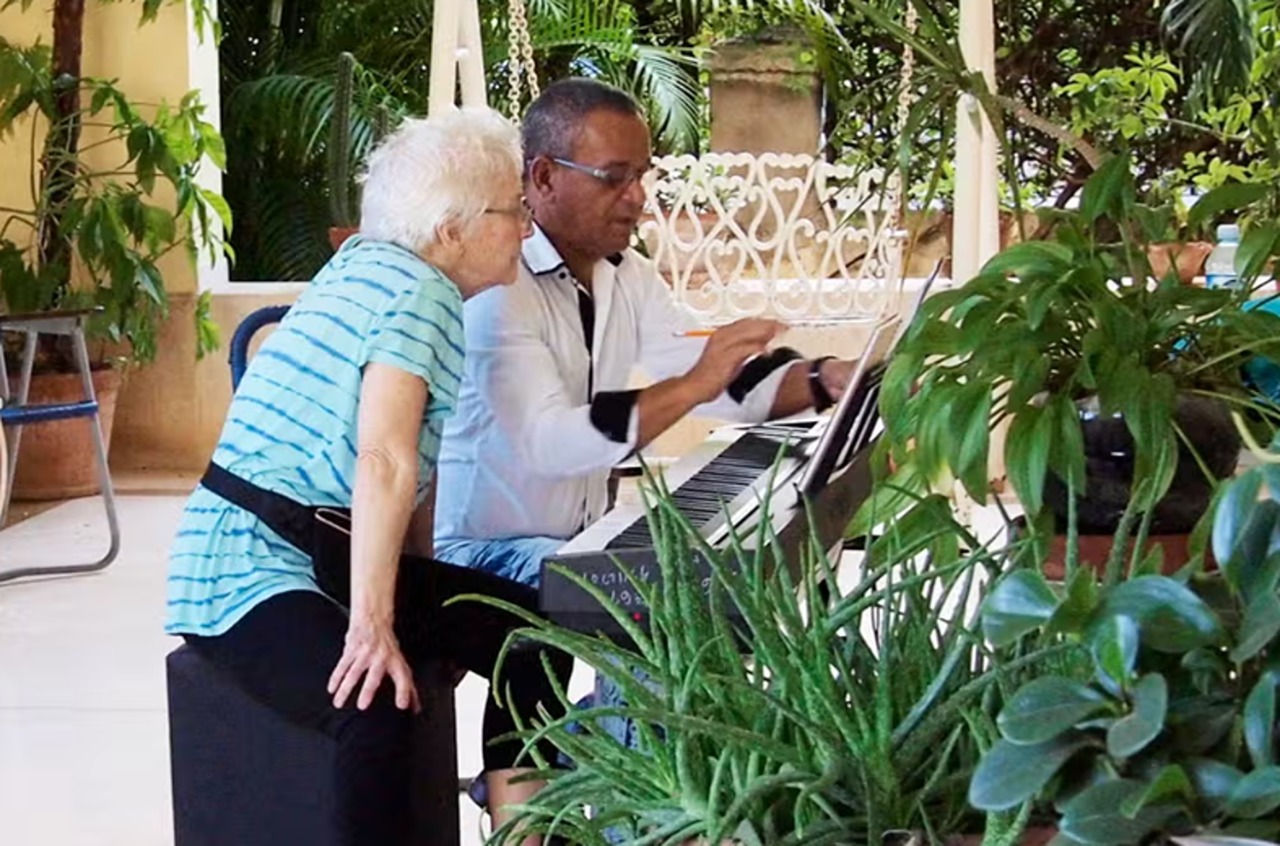
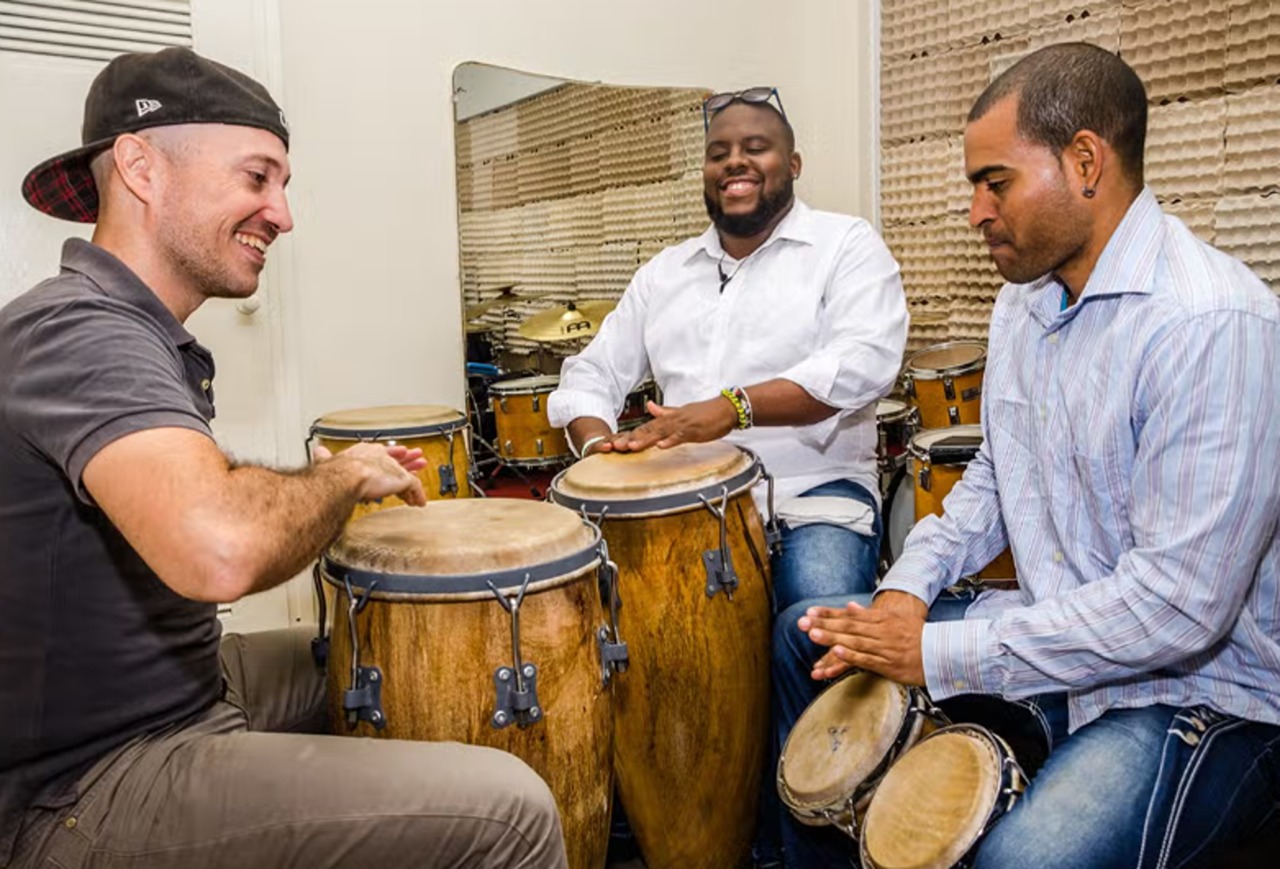
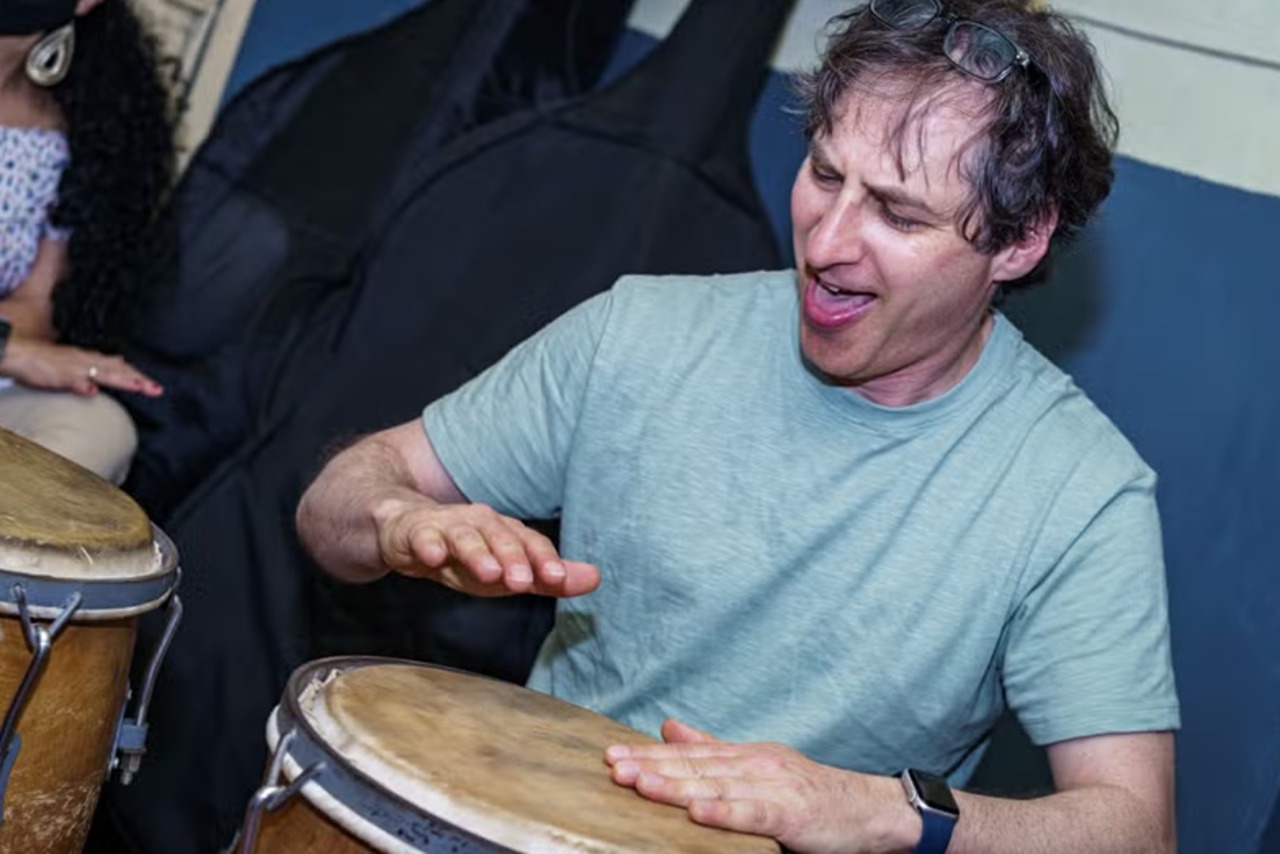
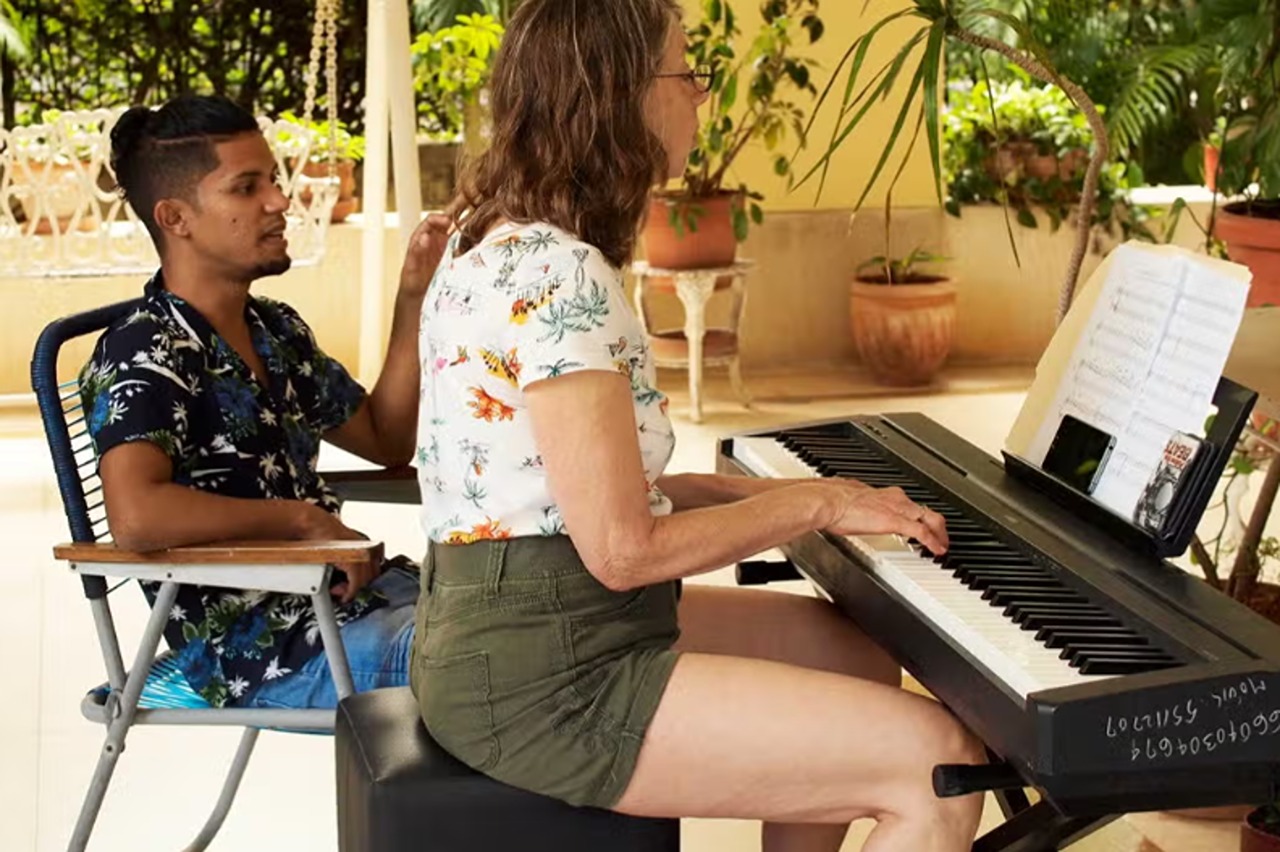
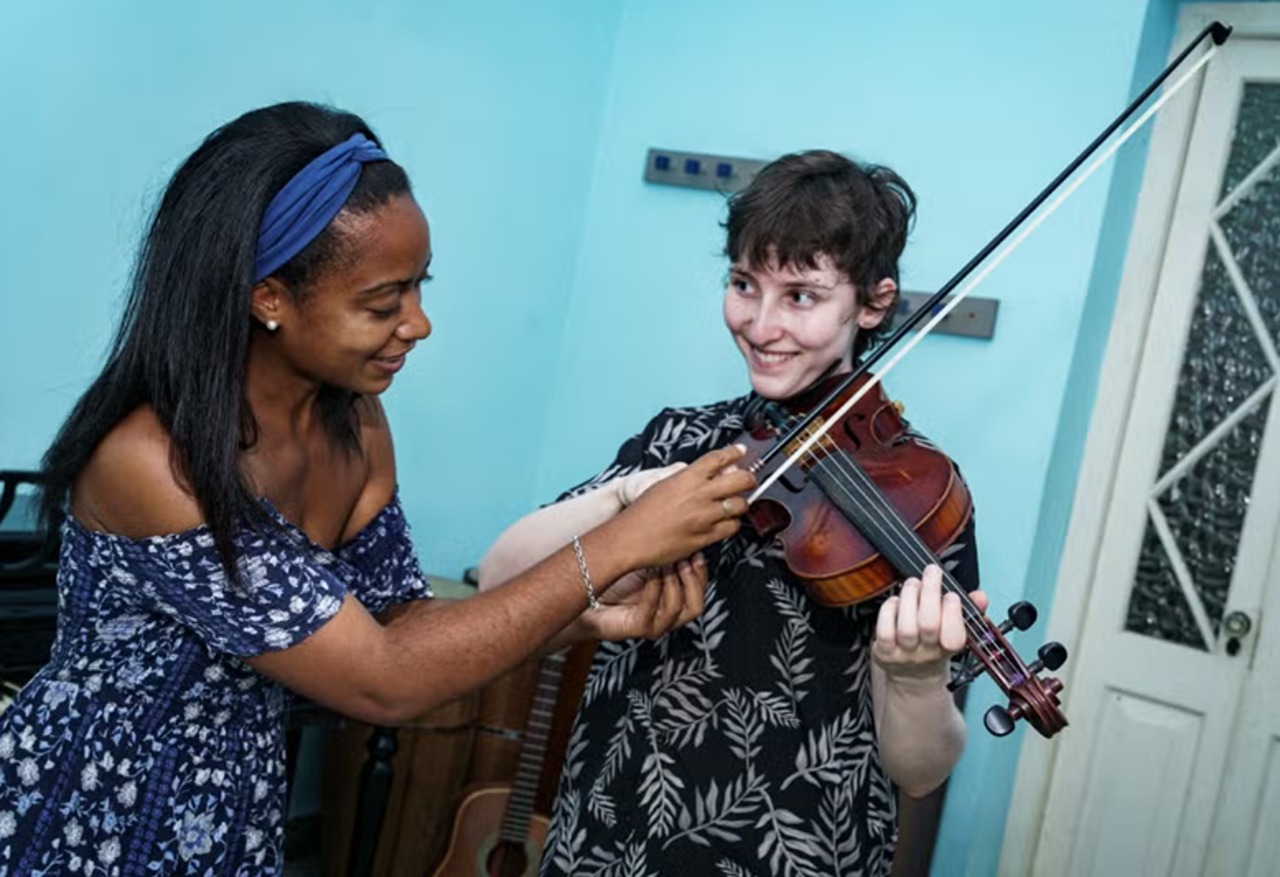
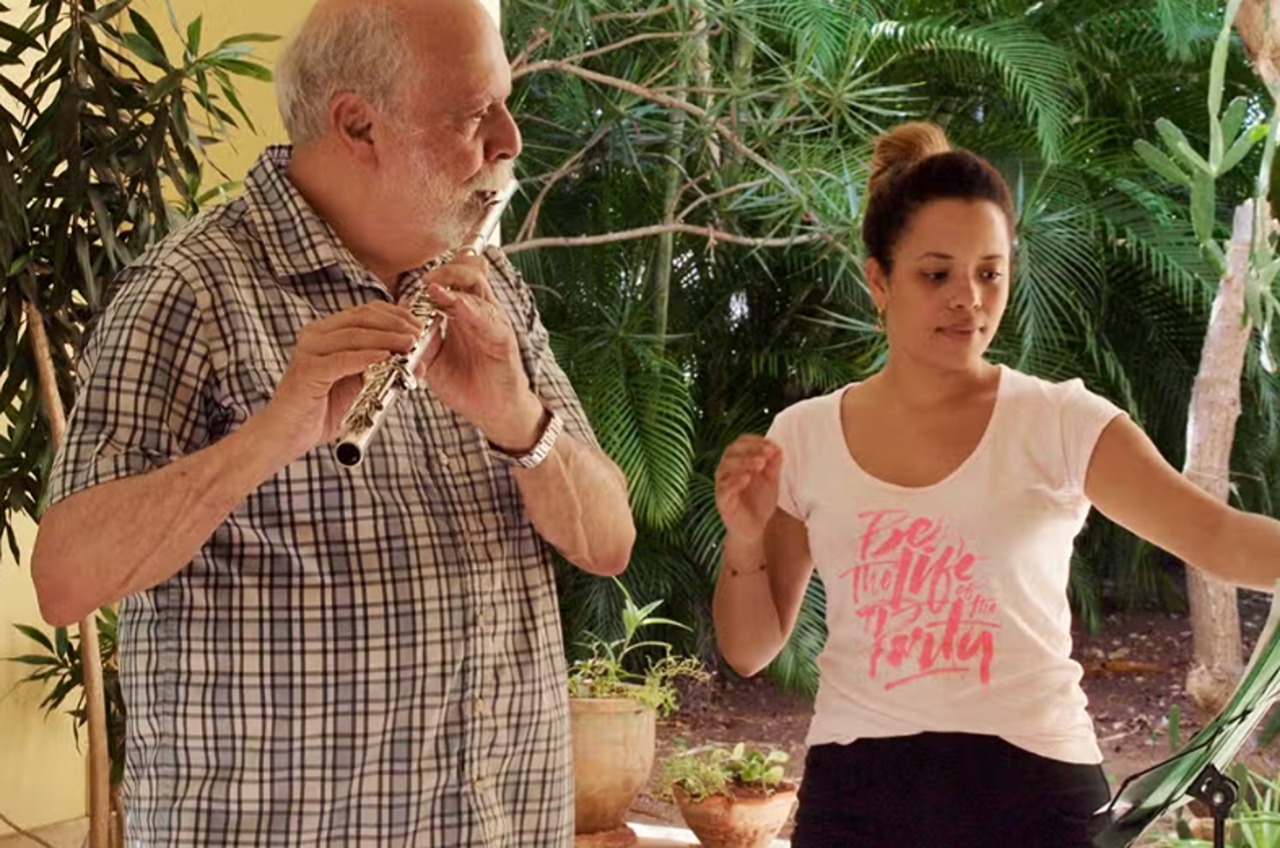
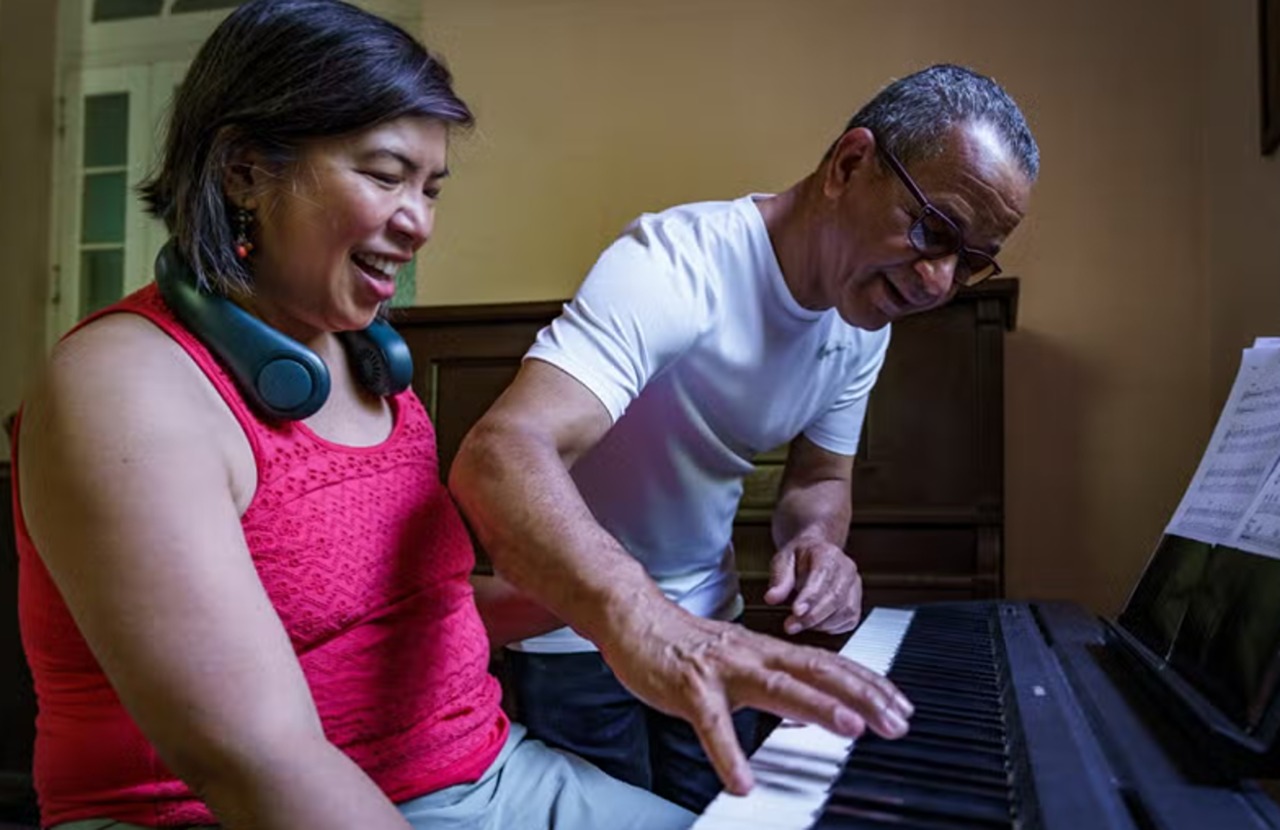
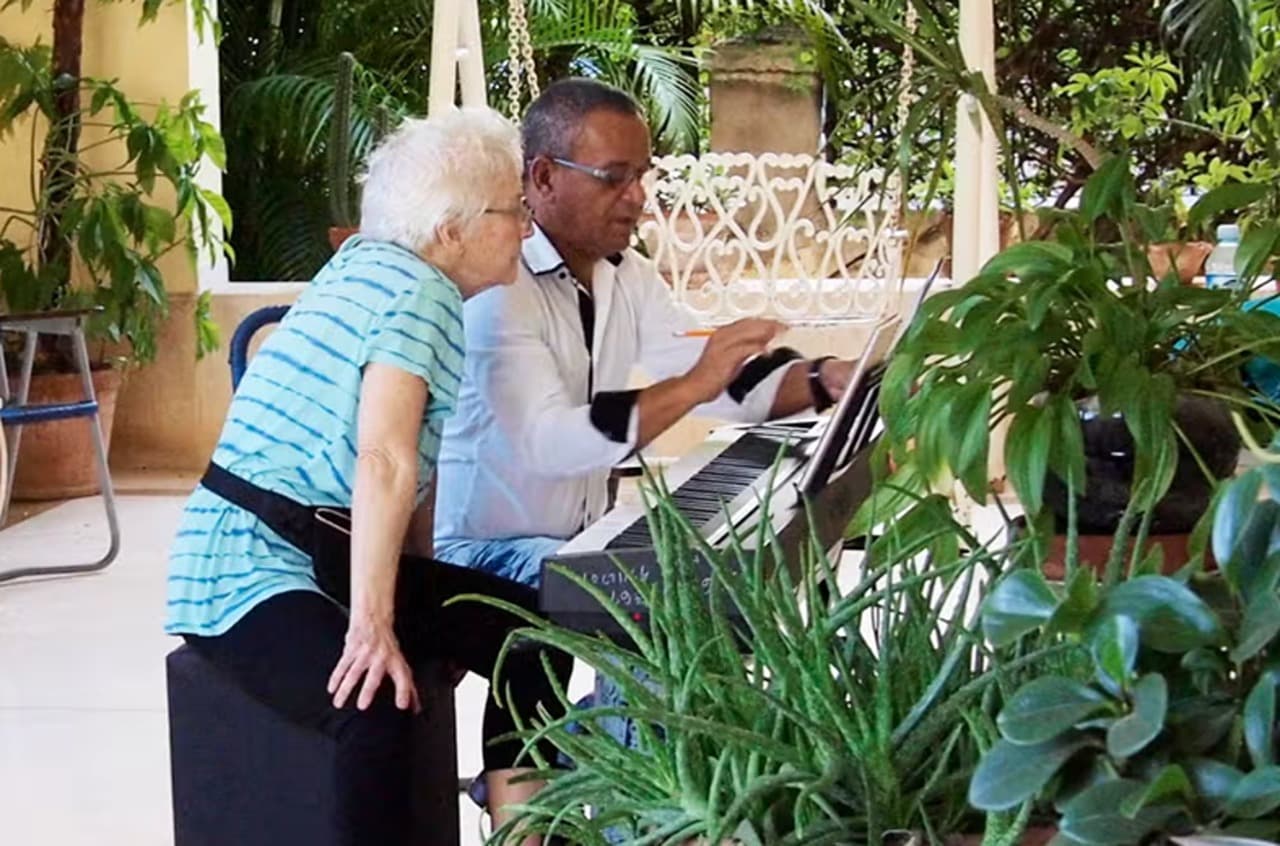
Join a Cuban music class in Havana to learn authentic percussion, explore Son and Salsa rhythms, and enjoy a hands-on cultural experience in El Vedado.
There are many ways to experience Havana, but few are as personal, energetic, and memorable as learning to play Cuban music yourself. Step beyond simply listening to the rhythms drifting through Havana’s streets and become part of the music with an authentic Cuban music class in Havana.
Located in the lively El Vedado neighborhood, this one-hour interactive music workshop invites travelers to discover the percussion traditions that have helped shape Cuba’s extraordinary musical identity. Guided by a professional English-speaking instructor, the experience introduces you to the rhythms, instruments, patterns, and cultural traditions behind some of the island’s most recognizable musical styles.
You do not need previous musical experience. You do not need to read music. You do not need to know how to play an instrument.
All you need is curiosity, a willingness to participate, and a desire to experience Havana from a different perspective.
During the workshop, you can choose from traditional Cuban percussion instruments such as congas, bongos, maracas, güiros, and claves. Your instructor will demonstrate fundamental techniques and rhythmic patterns before helping you put those techniques into practice. As the sounds begin to come together, you will gain a new appreciation for the intricate rhythms that form the foundation of Cuban music.
This is more than a beginner music lesson. It is a cultural experience that connects you directly with one of the most important expressions of Cuban identity.
Whether you are traveling alone, exploring Havana as a couple, enjoying a family vacation, or discovering Cuba with friends, a Cuban percussion workshop offers an engaging way to spend an hour immersed in local culture.
By the end of the class, you may hear Havana’s music differently. A rhythm that once sounded like a simple beat can suddenly reveal layers of timing, coordination, repetition, and tradition.
Music is deeply connected to everyday life in Cuba. From lively social gatherings and neighborhood performances to dance floors, cultural venues, and the sounds that fill Havana’s streets, rhythm is an essential part of the Cuban experience.
The Cuban music class in Havana gives you the opportunity to explore that musical culture from the inside.
Instead of sitting in an audience and watching musicians perform, you take an active role. You hold an instrument, follow the rhythm, practice traditional patterns, and begin to understand how different percussion sounds work together.
The experience takes place in El Vedado, one of Havana’s well-known neighborhoods and a lively area associated with culture, architecture, restaurants, entertainment, and local life. Meeting at Calle 42 and Calle 44, Number 4201, the workshop provides a convenient setting for travelers looking to add an authentic cultural activity to their Havana itinerary.
For one hour, the focus shifts away from sightseeing and toward participation.
You listen.
You practice.
You make mistakes.
You try again.
And eventually, the rhythm begins to make sense.
That process is part of what makes this experience so enjoyable. You are not expected to perform like a professional musician. The atmosphere is designed to be welcoming and accessible, allowing beginners and experienced musicians alike to enjoy the class.
One of the most exciting aspects of this Havana music workshop is the opportunity to interact directly with traditional Cuban percussion instruments.
Depending on your interests, you can explore instruments including congas, bongos, maracas, güiros, and claves. Each instrument has a different sound, technique, and role within Cuban music.
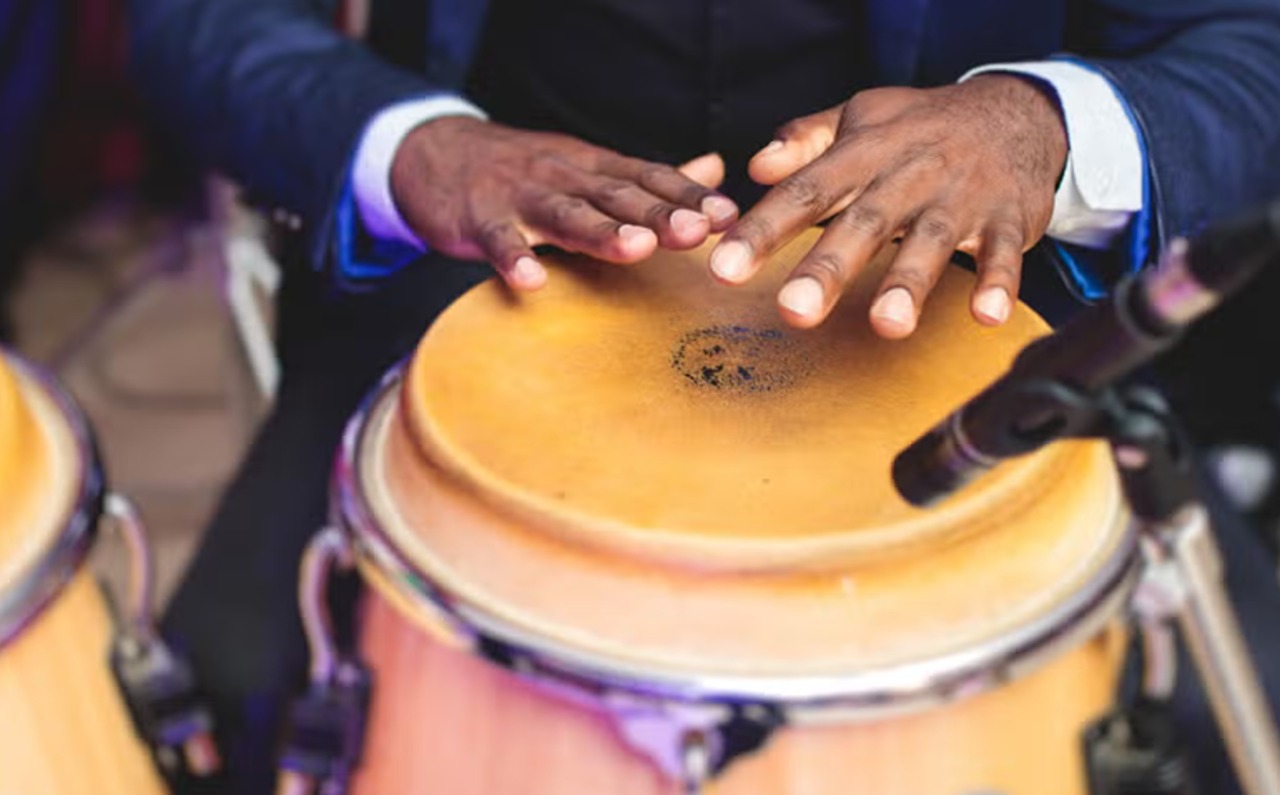
Congas are among the most recognizable percussion instruments associated with Cuban music. These tall drums produce deep, resonant tones and can create a powerful foundation for rhythmic arrangements.
During the workshop, beginners can learn basic hand techniques and discover how different strikes create different sounds.
For many travelers, playing the congas for the first time is one of the highlights of the experience. The physical sensation of creating a deep drum sound with your own hands makes Cuban rhythm feel immediate and tangible.
Smaller and higher-pitched than congas, bongos bring a distinctive sound to many Cuban musical traditions.
Their compact size makes them approachable for first-time players, while their rhythmic possibilities can also interest experienced musicians.
Learning the basic bongo patterns gives participants a glimpse into the coordination and timing required to create the lively percussion arrangements heard throughout Cuban music.
Maracas may look simple, but keeping a steady rhythm while coordinating with other instruments can be surprisingly engaging.
Their bright, shaking sound contributes movement and texture to Cuban musical arrangements. For beginners, they offer an accessible introduction to rhythm while demonstrating how even a relatively simple instrument can play an important musical role.
The güiro is a traditional percussion instrument recognized by its distinctive scraped sound.
Rather than striking the instrument like a drum, the player uses a scraper to create rhythmic patterns across its textured surface. This creates a sound that is immediately associated with many Latin American and Caribbean musical traditions.
Trying the güiro is an excellent way to understand how rhythm can be produced through different types of movement and technique.
Claves are simple wooden percussion instruments that produce a sharp, clear sound when struck together.
Their simplicity is deceptive. Claves can play an important role in maintaining rhythmic structure, and learning their patterns helps participants appreciate the underlying organization of Cuban music.
For travelers who have never studied percussion, the experience of discovering how much musical structure can come from two small wooden sticks can be surprisingly rewarding.
The heart of this experience is rhythm.
Cuban music is famous around the world for its energy, complexity, and distinctive rhythmic character. Styles such as Son, Salsa, and Bolero have developed through rich cultural histories and musical traditions, with percussion playing an essential role.
During the class, your professional instructor introduces the fundamental patterns and polyrhythms that form the foundation of Cuban music.
The goal is not to overwhelm beginners with technical theory. Instead, the workshop is designed around practical learning.
You hear a pattern.
Your instructor demonstrates it.
You try it.
You adjust your timing.
Then you begin playing alongside the rhythm.
This hands-on approach makes the lesson accessible even if you have never taken a music class before.
As you progress, you can begin to recognize how different instruments interact. One rhythm may provide a steady pulse while another creates accents or additional layers. What initially sounds complicated starts to become easier to understand once you physically participate in the pattern.
That is one of the most valuable aspects of the experience.
You are not simply learning how to hit a drum or shake an instrument. You are developing a basic understanding of how Cuban musical rhythms fit together.
A Cuban music experience would not be complete without understanding the cultural roots behind the rhythms.
The workshop introduces participants to musical traditions associated with genres such as Son, Salsa, and Bolero, helping connect the practical exercises with the broader history of Cuban music.
Son is one of the foundational musical traditions associated with Cuba and has played an important role in the development of many later Latin music styles.
Its rhythmic structure, instrumentation, and musical traditions have influenced generations of performers and listeners.
By learning basic percussion patterns connected with Cuban music, you gain a more practical understanding of the rhythmic foundation behind Son.
Salsa is now recognized internationally as one of the most energetic forms of Latin music and dance. Its development reflects a complex history involving Cuban musical traditions and broader Caribbean and Latin American influences.
Learning Cuban percussion provides insight into the rhythmic language that helps make Salsa so compelling.
Even if you are not a dancer, understanding the percussion behind the music can change the way you experience Salsa performances.
Bolero offers another perspective on Cuban musical heritage.
Known for its romantic character and expressive melodies, Bolero demonstrates that Cuban music is not defined by high-energy rhythms alone. The island’s musical traditions encompass a wide emotional range.
Exploring these different genres during the workshop helps travelers understand that Cuban music is both rhythmically rich and culturally diverse.
One of the biggest advantages of this Cuban music class in Havana is its accessibility.
You can be a complete beginner and still enjoy the experience.
If you have never touched a conga before, your instructor can introduce you to the basic technique. If you have played percussion previously, you can use the session as an opportunity to explore Cuban rhythmic traditions from a new perspective.
The class is designed for travelers with different backgrounds and levels of musical confidence.
There is no expectation that everyone will perform perfectly.
In fact, experimentation is part of the fun.
The workshop gives you an environment where you can listen carefully, follow instructions, practice different techniques, and gradually become more comfortable with the rhythm.
This makes the activity particularly appealing for travelers who want to try something different from traditional Havana sightseeing.
Instead of spending another hour visiting a landmark, you can spend an hour creating something yourself.
Travel often involves observing.
You visit historic buildings.
You photograph streets.
You watch performers.
You taste local food.
You admire the architecture.
But some of the most memorable travel experiences happen when you become part of the activity.
That is exactly what this Cuban music workshop offers.
For one hour, you are not simply listening to Cuban music from a distance. You are participating in it.
You pick up an instrument.
You learn a pattern.
You attempt to keep time.
You listen to the instructor.
You hear the sounds around you.
And eventually, you begin to understand the rhythm through your own hands.
This transformation from spectator to participant is what makes the experience particularly memorable.
Long after the class is finished, you may find yourself noticing percussion differently when you hear Cuban music in a restaurant, plaza, cultural venue, or live performance.
The rhythm becomes more recognizable because you have experienced it firsthand.
Havana is a city with a powerful cultural personality.
Its colorful streets, historic architecture, classic cars, neighborhood life, dance traditions, art, and music combine to create an atmosphere unlike almost anywhere else.
A Cuban music class allows you to experience one of the city’s defining cultural elements in a direct and interactive way.
Rather than treating music as background entertainment, the workshop makes it the center of your experience.
This is especially valuable for travelers who want to understand more than the visual side of Havana.
You can photograph a beautiful building in minutes.
You can admire an old car passing through the street.
But understanding how music functions within Cuban culture requires a deeper form of engagement.
The workshop gives you that opportunity.
Through rhythm and percussion, you gain a small but meaningful window into the cultural traditions that have shaped Havana and Cuba.
The workshop takes place in El Vedado, a well-known Havana neighborhood with a strong cultural and urban character.
Its location makes the activity easy to combine with other Havana experiences, whether you are exploring the city’s architecture, discovering local restaurants, visiting cultural attractions, or simply walking through the neighborhood.
The meeting point is:
Calle 42 and Calle 44, Number 4201, El Vedado, Havana
Because the experience lasts approximately one hour, it can fit naturally into a larger day of sightseeing.
You might begin your day exploring Havana’s historic areas, enjoy lunch nearby, and then participate in the music workshop. Alternatively, you can schedule the class before an evening of Cuban food, dancing, or live music.
The relatively short duration makes it particularly useful for travelers who want to add an authentic cultural activity without committing an entire day.
There is something uniquely engaging about percussion.
You do not need to understand music theory to feel a beat.
You do not need years of training to recognize rhythm.
And you certainly do not need to be a professional musician to enjoy the satisfaction of creating a sound and keeping it in time.
That accessibility is part of what makes a Cuban percussion class such a strong travel experience.
The instructor provides guidance, but the experience remains active. Your hands are involved. Your attention is involved. Your listening skills are involved.
As the workshop progresses, the sounds become more coordinated.
A simple rhythm can start to feel musical.
A repeated pattern can begin to feel natural.
And an unfamiliar instrument can quickly become something you want to keep playing.
This is the kind of experience that can turn an ordinary hour in Havana into one of the stories you tell after returning home.
One common concern among travelers considering a music workshop is whether they need previous musical knowledge.
For this experience, you do not need to be able to read sheet music.
The class focuses on practical learning, demonstration, listening, and repetition.
Your instructor can show you the basic patterns and techniques directly, allowing you to learn through observation and participation.
This makes the workshop particularly suitable for travelers who may have always been interested in music but never had formal training.
You can simply listen carefully and follow along.
The emphasis is on experiencing the rhythm rather than mastering complicated musical notation.
For experienced musicians, the practical focus also creates an opportunity to explore Cuban percussion in a culturally relevant setting.
Not every travel activity needs to last all day.
Sometimes a short, focused experience can become one of the most enjoyable parts of a trip.
This one-hour Cuban music class offers exactly that.
It gives you enough time to learn, practice, experiment, and enjoy the atmosphere without taking up a large portion of your Havana itinerary.
The experience can work particularly well between sightseeing activities.
After spending time walking through the city, the class gives you an opportunity to shift your focus and engage with something creative.
It can also provide a welcome change of pace from museum visits, guided tours, and historical attractions.
Instead of simply consuming information, you get to do something.
That balance between cultural learning and active participation makes the workshop easy to incorporate into many different types of Havana vacations.
Travel memories often become strongest when they involve participation.
Years later, you may not remember every street you walked down or every building you photographed.
But you may remember the first time you successfully played a Cuban rhythm.
You may remember the sound of the congas.
You may remember trying the bongos.
You may remember laughing when you lost the beat and then finding it again.
You may remember realizing that a rhythm you had heard many times suddenly made sense.
Those small moments give a travel experience personality.
A Cuban music workshop creates the opportunity for those moments to happen naturally.
The experience is short, but its cultural impact can last much longer.
The most important thing to bring to a Cuban music class is not musical talent.
It is curiosity.
Come ready to listen.
Come ready to try.
Come ready to make mistakes.
Come ready to discover something new.
Comfortable clothing is recommended so you can participate easily. A bottle of water is useful, especially when visiting Havana in warm weather. You may also want to bring a phone or camera so you can capture memories of your experience.
Most importantly, bring an open mind.
The class is designed to be enjoyable, informative, and accessible. You do not have to prove that you are a musician. You simply have to participate.
There are countless things to see in Havana, but cultural activities that allow genuine participation can make a trip feel more personal.
This Cuban music class in Havana combines several elements travelers often look for in an authentic experience:
It is also an experience that works for different types of travelers.
Music lovers can explore Cuban percussion.
First-time visitors can experience an important part of local culture.
Experienced musicians can discover rhythmic traditions outside their usual musical environment.
Couples can enjoy a creative shared activity.
Families with suitable participants can introduce younger travelers to music and culture.
Solo travelers can meet an instructor and immerse themselves in a memorable local experience.
At a starting price of $20 USD per person, the Cuban music class offers an accessible way to add a meaningful cultural activity to your Havana trip.
You do not need to dedicate an entire day or spend a large amount of money to experience Cuban musical traditions.
The workshop includes the one-hour music session, a professional English-speaking instructor, and the necessary musical instruments and equipment.
That means you can arrive ready to participate without needing to bring or rent your own percussion instruments.
The value of the experience comes from more than the instrument itself.
You are also gaining instruction, cultural context, practical experience, and a new way to understand the music you encounter during your travels.
A traditional sightseeing tour can tell you about Havana.
A Cuban music workshop lets you feel part of it.
That distinction matters.
Instead of receiving information passively, you learn through action.
Instead of simply hearing about Cuban rhythms, you attempt to play them.
Instead of watching musicians from a distance, you discover what it feels like to coordinate your own rhythm with others.
The result is an experience that engages your senses and your curiosity at the same time.
You listen to the sound.
You feel the vibration of the instrument.
You watch the instructor’s technique.
You coordinate your hands.
You recognize patterns.
You begin to understand.
That combination of physical participation and cultural discovery is what gives the workshop its unique appeal.
A souvenir can remind you of Havana, but learning a rhythm gives you something different.
It gives you an experience you can carry with you.
After the workshop, you may hear Cuban music in a completely new way. When a percussionist begins playing, you may recognize patterns that previously seemed mysterious. When you hear Salsa or Son, you may pay closer attention to the instruments underneath the melody.
The class can therefore influence how you experience the rest of your Cuba trip.
You may become more attentive to live music.
You may notice percussion in places you previously overlooked.
You may feel more confident joining a dance or music-related cultural experience.
And you may simply appreciate the extraordinary musical creativity that has become one of Cuba’s most recognizable cultural signatures.
Imagine arriving in El Vedado and stepping into a vibrant musical environment.
At first, the instruments may seem unfamiliar.
Then your instructor begins explaining their basic characteristics.
You choose an instrument.
The first sounds are tentative.
You listen.
You try again.
The rhythm becomes clearer.
Soon, you are no longer simply holding an instrument. You are using it to create a recognizable Cuban rhythmic pattern.
The hour passes quickly because you are actively engaged.
When the workshop ends, you leave with more than a few new techniques. You leave with a deeper appreciation of the role rhythm plays in Cuban culture and a personal memory of participating in it yourself.
That is the essence of this Havana music experience.
The best cultural experiences often answer a simple question: Can I do something here that I could not easily do somewhere else?
In Havana, the answer can be found in Cuban music.
You can listen to Cuban music almost anywhere, but learning traditional rhythms with an instructor while surrounded by the cultural atmosphere of Havana creates a much more personal experience.
This is why the workshop is particularly appealing to travelers who value authentic, interactive activities.
It is not about becoming a professional drummer in one hour.
It is about understanding.
It is about participation.
It is about discovering the rhythm beneath the music.
And above all, it is about having fun while connecting with Cuban culture.
Your Havana adventure does not have to be limited to sightseeing.
Make time to experience the city through its music.
Join a professional instructor in El Vedado, choose a traditional Cuban percussion instrument, learn fundamental rhythms, and discover the cultural roots behind some of the island’s most influential musical traditions.
Whether you are a complete beginner or an experienced musician, this one-hour Cuban music workshop gives you the chance to explore Havana through sound, movement, rhythm, and participation.
With a professional English-speaking instructor, musical equipment provided, an accessible one-hour format, and a starting price of $20 USD per person, it is an easy and memorable addition to a Havana itinerary.
Come ready to listen.
Come ready to learn.
Come ready to play.
Most importantly, come ready to find your rhythm in Havana.
Skvelý zážitok z Havany si nie vždy vyžaduje celodennú prehliadku mesta. Niekedy sú najpamätnejšie chvíle strávené sústredenou hodinou robením niečoho, čo je skutočne spojené s kultúrou okolo vás.
The Cuban music class in El Vedado is designed around that idea.
From the moment you arrive at the meeting point at Calle 42 and Calle 44, Number 4201, you are stepping into an experience centered on one of Cuba’s most recognizable cultural traditions: music.
The workshop lasts approximately one hour and is structured as a practical introduction to Cuban percussion. Rather than simply listening to an instructor explain musical history, you become involved in the learning process.
You will have access to traditional instruments and can explore the sounds of congas, bongos, maracas, güiros, and claves. Your professional English-speaking instructor guides you through the fundamentals, helping you understand how rhythmic patterns work and how individual instruments contribute to Cuban music.
The experience is suitable for complete beginners as well as travelers with previous musical experience.
Odporúčame vám zúčastniť sa vlastným tempom, pozorne počúvať, klásť otázky a užívať si proces objavovania niečoho nového.
Your Cuban music experience begins in El Vedado, Havana.
The meeting point is located at:
Calle 42 a Calle 44, číslo 4201, El Vedado, Havana
Travelers should plan to arrive with enough time to locate the meeting point and get settled before the workshop begins.
Keďže ide o interaktívnu aktivitu, príchod včas vám pomôže vyťažiť maximum z celej jednohodinovej relácie.
Once you arrive, you can prepare yourself for a different kind of Havana experience—one where you will not simply observe Cuban culture but actively participate in it.
Workshop začína úvodom do hudobných tradícií, ktoré preskúmate.
Váš profesionálny inštruktor vysvetľuje úlohu bicích nástrojov v kubánskej hudbe a predstavuje niektoré zo základných rytmických konceptov za žánrami ako Son, Salsa a Bolero.
Táto úvodná fáza vám poskytne kontext predtým, ako začnete hrať.
Pochopenie toho, prečo na rytme záleží, môže urobiť praktickú časť oveľa zmysluplnejšou. Namiesto toho, aby ste každý úder považovali za izolovaný pohyb, začnete rozpoznávať, ako rytmus zapadá do väčšej hudobnej tradície.
Inštruktor udržiava učenie prístupné, vďaka čomu je aktivita vhodná, aj keď ste hudbu nikdy neštudovali.
One of the most engaging parts of the class is choosing an instrument.
Depending on your preference and the structure of the workshop, you can explore traditional Cuban percussion instruments such as:
Each instrument creates a different sound and requires a different approach.
Ak máte radi hlboké, rezonujúce bubnové tóny, konga môžu okamžite upútať vašu pozornosť.
Ak dávate prednosť menším bicím nástrojom s ostrým, živým zvukom, bonga môžu byť prirodzenou voľbou.
Maracas ponúka prístupný úvod do dodržiavania času, zatiaľ čo güiro poskytuje úplne inú techniku škrabania.
Claves demonstrate how a simple pair of wooden percussion instruments can contribute to the rhythmic structure of a musical arrangement.
Vďaka možnosti vybrať si a experimentovať bude workshop pôsobiť skôr osobne než ako všeobecná hodina hudby.
Po výbere nástroja vám váš inštruktor predvedie základnú techniku potrebnú na vytvorenie správnych zvukov.
V prípade nástrojov na báze bubnov to môže zahŕňať učenie sa, ako umiestnenie rúk a rôzne typy úderov ovplyvňujú zvuk.
Pri iných bicích nástrojoch sa možno zamerať na pohyb, načasovanie, koordináciu a konzistenciu.
Inštruktor predvedie techniku skôr, ako ju vyskúšate sami.
This makes the workshop accessible to beginners because you do not need to arrive with technical knowledge.
Učíte sa pozorovaním a opakovaním.
Po naučení základnej techniky sa trieda presunie do rytmickej praxe.
This is where the experience becomes especially interactive.
You begin repeating simple patterns and learning how to maintain a steady pulse.
Spočiatku môže rytmus vyžadovať koncentráciu.
You may lose the beat.
Môžete začať príliš rýchlo.
You may need to repeat a pattern several times.
That is completely normal.
The workshop is designed as a learning experience, not a professional performance.
With guidance from your instructor, the patterns gradually become easier to follow.
As your confidence increases, you can begin to appreciate the coordination involved in Cuban percussion.
Hodina spája aj praktické bicie cvičenia s významnými kubánskymi hudobnými tradíciami.
You will gain insight into rhythmic elements associated with genres such as Son, Salsa, and Bolero.
This cultural context helps explain why Cuban music has such a distinctive character.
Namiesto toho, aby ste sa na každý rytmus pozerali ako na izolované cvičenie, začnete chápať, že kubánske hudobné tradície sa vyvinuli prostredníctvom generácií kultúrnej výmeny, kreativity, vystupovania a spoločenského života.
The workshop therefore combines practical participation with cultural discovery.
The final part of the experience focuses on putting what you have learned into practice.
You have the opportunity to play your instrument, repeat rhythmic patterns, and experiment with the techniques introduced during the session.
This is often where the most enjoyable moments happen.
You stop worrying about whether every beat is perfect and start enjoying the rhythm itself.
The atmosphere is intended to be friendly and encouraging, making it comfortable for travelers who may feel nervous about trying an unfamiliar activity.
By the end of the workshop, you should have a stronger understanding of Cuban percussion and a personal connection to the rhythms you have learned.
After approximately one hour, the class comes to an end.
You leave with the memory of actively participating in Cuban musical culture rather than simply watching it.
The experience can also influence how you experience music during the rest of your Havana trip.
When you hear live percussion later, you may recognize some of the patterns introduced during the workshop.
You may listen more carefully to the instruments underneath a melody.
You may notice how different percussion sounds interact.
And you may appreciate just how much structure exists beneath the seemingly effortless energy of Cuban music.
The Cuban music class is designed to make participation simple and convenient.
Your experience includes:
The activity includes a one-hour hands-on music workshop focused on Cuban percussion and rhythmic traditions.
The one-hour format makes it easy to incorporate the experience into a larger Havana itinerary.
A professional English-speaking instructor leads the session and provides guidance throughout the workshop.
This allows international travelers to understand the explanations, techniques, and cultural information without needing advanced knowledge of Spanish.
All necessary musical instruments and equipment for the workshop are provided.
You do not need to travel with your own percussion instruments.
This makes the activity especially convenient for travelers who want to experience Cuban music without carrying additional equipment around Havana.
The experience is focused specifically on the one-hour music workshop.
Unless otherwise stated at the time of booking, travelers should plan separately for personal expenses, transportation to and from the meeting point, food, drinks, and other activities outside the workshop.
The meeting point is in El Vedado, so travelers should organize their transportation according to their Havana accommodation and daily itinerary.
If you require additional services or have special arrangements, confirm the details when booking.
Choose clothing that allows you to move your arms and participate comfortably.
There is no need for formal attire.
Comfort is more important, especially because percussion involves active hand and arm movement.
Light, breathable clothing can also be useful when visiting Havana during warmer weather.
A bottle of water is recommended.
Havana can be warm, and even a one-hour indoor activity can leave you wanting something to drink, particularly if you have been sightseeing beforehand.
A phone or camera can help you preserve memories of your experience.
You may also want to capture short videos if photography or recording is permitted during your session.
However, always follow the instructor’s guidance regarding photography and recording.
The most important part of the workshop is participation, so avoid spending the entire session behind your phone.
Because the class is only one hour long, arriving on time is particularly important.
A late arrival can reduce the amount of time you have to participate and may interrupt the flow of the lesson.
Plan your route to El Vedado in advance and allow extra time for Havana traffic, navigation, and finding the meeting point.
You do not need to be a musician.
You do not need to have perfect coordination.
You do not need to know Cuban rhythms before arriving.
The best approach is to come prepared to learn.
Listen carefully to the instructor, practice the patterns, and enjoy the experience.
If this is your first trip to Havana, the workshop provides an excellent introduction to Cuban culture through music.
It gives you a practical cultural experience that complements traditional sightseeing.
Travelers who already enjoy music will find plenty to appreciate.
The opportunity to explore Cuban percussion in a local setting offers a different perspective from simply listening to recordings or watching performances.
If you have always wanted to learn percussion but have never had the opportunity, this class provides a relaxed starting point.
The emphasis on fundamental techniques means you can participate without formal musical training.
Experienced musicians can also enjoy the opportunity to explore Cuban rhythmic traditions.
Even if you already play drums or percussion, Cuban musical structures may introduce techniques, patterns, and cultural contexts that differ from your usual experience.
For couples, the workshop provides a shared activity that is more interactive than traditional sightseeing.
Learning something together can create a memorable moment during a Havana vacation.
Solo travelers can enjoy the social and interactive nature of the experience while connecting with Cuban culture.
The instructor provides guidance throughout the session, so you do not need to arrive as part of a large group of friends.
Families traveling with children or teenagers may consider the experience if the participants are comfortable with a one-hour music workshop.
Because participation involves rhythm and hands-on instruments, it can offer younger travelers a creative way to engage with Cuban culture.
Parents should consider the individual child’s interest, attention span, and comfort level when deciding whether the experience is appropriate.
Watching a Cuban music performance is an important part of experiencing Havana.
But participating in a music class gives you something different.
A performance allows you to admire professional musicians.
A workshop allows you to understand what those musicians are doing.
When you hold the instrument yourself, you begin to appreciate the coordination and timing involved.
You realize that the rhythm is not simply a repetitive beat.
It involves structure, precision, interaction, and musical communication.
This deeper appreciation can make later performances more enjoyable.
After taking the class, you may find yourself listening differently.
Instead of hearing one overall sound, you may start separating the percussion elements in your mind.
You may notice the steady pulse of one instrument and the contrasting rhythm of another.
That is a valuable cultural takeaway from a relatively short activity.
Music is an important part of Cuban cultural identity, and this workshop gives travelers an opportunity to engage with that tradition directly.
You are not simply listening to an explanation. You are playing instruments and practicing rhythmic patterns.
No previous musical experience is required.
An English-speaking instructor helps make the experience understandable and approachable.
You can explore several traditional Cuban percussion instruments and discover which sounds appeal to you.
At approximately one hour, the workshop can fit easily into a busy Havana travel schedule.
With prices starting from approximately $20 USD per person, the activity offers an affordable way to add cultural depth to your vacation.
Learning a Cuban rhythm gives you a personal memory that goes beyond photographs and sightseeing.
Booking your Cuban music workshop in advance can make your Havana itinerary easier to organize.
Planning ahead allows you to include the workshop at a convenient point in your itinerary rather than trying to arrange an activity at the last minute.
Because the class lasts one hour, you can plan sightseeing, meals, transportation, and other cultural experiences around it.
The activity details provide clear information about the duration, meeting point, included instruction, and equipment.
The necessary musical instruments and equipment are provided, allowing you to travel light.
International visitors can participate with the support of an English-speaking professional instructor.
El Vedado is a rewarding area to explore as part of a Havana vacation.
Consider combining your music workshop with additional activities before or after the class.
You might explore the neighborhood on foot, discover local architecture, stop for a meal, or enjoy Havana’s cultural atmosphere.
Because the workshop takes only one hour, you can build a flexible day around it.
For example, a traveler might spend the morning exploring Havana, enjoy lunch, attend the music workshop in the afternoon, and then continue into the evening with dinner or live music.
Another option is to schedule the class earlier in the day and use the afternoon for additional sightseeing.
The key advantage is flexibility.
For travelers particularly interested in Cuban music, the workshop can become the starting point for a broader musical experience.
After learning basic percussion patterns, seek out opportunities to hear Cuban music performed live during your stay.
Listen for the instruments you practiced.
Try to identify the rhythms.
Notice how professional musicians coordinate with each other.
If you encounter Son, Salsa, Bolero, or other Cuban musical traditions during your travels, consider how the workshop has changed your understanding of them.
The class can therefore become more than a one-hour activity.
It can become a lens through which you experience the musical side of Havana.
Music and nightlife are closely connected to many travelers’ experiences of Havana.
Taking a music workshop earlier in the day can create a natural introduction to an evening focused on Cuban music and dance.
After practicing percussion yourself, listening to professional musicians can feel more meaningful.
You may recognize rhythmic concepts that you encountered in class.
You may become more curious about the instruments being played.
And you may have a better appreciation for the skill required to maintain complex rhythmic patterns while performing.
This makes the workshop a useful addition to an itinerary centered on Cuban culture.
Many travelers have limited time in Havana.
You may only have a few days to experience the city, which means every activity needs to fit efficiently into your schedule.
The one-hour Cuban music workshop works particularly well for this type of trip.
It does not require an entire morning or afternoon.
You can place it between larger sightseeing activities without sacrificing significant time.
At the same time, the experience offers enough cultural depth to feel worthwhile.
That balance makes it an excellent option for travelers who want meaningful activities without committing to a long excursion.
One of the most valuable parts of an interactive cultural experience is the opportunity to learn directly from someone who understands the tradition.
A professional instructor can provide more than technical demonstrations.
They can help explain the meaning and context behind the rhythms.
They can correct your technique.
They can encourage you when a pattern feels difficult.
And they can help turn an unfamiliar instrument into something approachable.
This human interaction is difficult to recreate through a guidebook or online video.
You are learning in the place where the cultural tradition exists, with an instructor who can respond to your questions and guide your participation.
That makes the workshop feel personal.
At the beginning of the class, you may not know what to expect.
You might be unfamiliar with the instruments.
You may wonder whether you can keep time.
You may even feel slightly nervous about making mistakes.
But the workshop is designed to help you progress gradually.
You begin with the basics.
You listen.
You imitate.
You repeat.
You improve.
Eventually, the rhythm starts to feel less foreign.
That moment—when your hands begin following the beat naturally—is one of the most satisfying parts of the experience.
The workshop does not promise to turn you into a professional percussionist in one hour.
Instead, it gives you something more realistic and valuable for a traveler: a genuine introduction to Cuban rhythm and a personal experience of creating it.
Travel becomes more memorable when multiple senses are involved.
This Cuban music workshop engages hearing, touch, movement, and observation.
You hear the instructor demonstrate a rhythm.
You see how the instrument is played.
You feel the vibration of the percussion.
You move your hands to create the beat.
You listen to how the rhythm changes when different sounds interact.
This sensory combination makes the experience engaging from beginning to end.
It is also one reason why a hands-on cultural activity can remain memorable long after the trip is over.
By participating in the workshop, you can expect to gain a basic understanding of:
The exact depth of learning naturally depends on your previous experience and participation, but the workshop is designed to provide an accessible introduction within approximately one hour.
When experiencing another culture, it is important to approach traditions with curiosity and respect.
A Cuban music workshop offers a chance to learn directly rather than making assumptions from a distance.
Listen to your instructor.
Ask questions respectfully.
Treat the instruments carefully.
Follow any guidance concerning photography or recording.
Most importantly, appreciate that the rhythms you are learning are part of a much larger cultural and musical history.
The goal is not simply to imitate a sound.
It is to gain a small window into the tradition behind that sound.
A little planning can make the experience even smoother.
Before leaving your accommodation, confirm the meeting point and allow sufficient travel time.
Keep your schedule flexible enough to avoid arriving stressed.
Wear comfortable clothing.
Carry water.
Bring your phone or camera if you would like to document the experience.
And leave yourself enough time afterward to continue exploring Havana without rushing.
Since the workshop is approximately one hour, it can be positioned conveniently within many different travel schedules.
Experience: Cuban Music Class in Havana
Location: El Vedado, Havana
Meeting Point: Calle 42 and Calle 44, Number 4201
Duration: Approximately 1 hour
Starting Price: From $20 USD per person
Instructor: Professional English-speaking instructor
Experience Type: Hands-on Cuban percussion and cultural workshop
Suitable For: Beginners, experienced musicians, solo travelers, couples, and culturally curious visitors
Instruments: Congas, bongos, maracas, güiros, claves, and other necessary workshop equipment as applicable
Included: One-hour music workshop, professional English-speaking instruction, and necessary musical instruments and equipment
Recommended to Bring: Comfortable clothing, water, and a phone or camera
No. The workshop is designed for all skill levels, including complete beginners.
No. The class focuses on practical demonstrations, rhythm, repetition, and hands-on participation rather than requiring participants to read musical notation.
Yes. Experienced musicians can use the workshop as an opportunity to explore Cuban percussion techniques and rhythmic traditions from a local cultural perspective.
The workshop lasts approximately one hour.
The meeting point is at Calle 42 and Calle 44, Number 4201, in El Vedado, Havana.
The experience features traditional Cuban percussion instruments such as congas, bongos, maracas, güiros, and claves.
Yes. The workshop is led by a professional English-speaking instructor.
Yes. The necessary musical instruments and equipment for the workshop are included.
Comfortable clothing is recommended so you can participate freely and move your arms comfortably.
Yes. Bringing a bottle of water is recommended, especially in Havana’s warm climate.
The strongest travel experiences are often those that create a sense of personal achievement.
You arrive knowing little about Cuban percussion.
You leave having played it.
That simple transformation is powerful.
You are no longer hearing Cuban rhythm only as an outside observer. You have experienced the mechanics of rhythm yourself.
You have learned that the sounds of Cuban music are built from individual patterns that interact with one another.
You have discovered that even a simple instrument can become an important part of a larger musical structure.
And you have created a memory that belongs specifically to your time in Havana.
That is why this experience can become a highlight even within a busy Cuban itinerary.
Havana offers extraordinary opportunities for sightseeing, photography, food, architecture, history, and entertainment.
Adding a hands-on music workshop gives your trip another dimension.
Instead of simply collecting places you have visited, you collect experiences you have participated in.
The Cuban music class is an opportunity to slow down for an hour and focus on something creative.
It allows you to connect with local culture through sound and rhythm.
It gives you an experience that does not depend on being an expert.
And it provides an accessible way to make your Havana vacation more personal.
If you want to experience Havana beyond its landmarks, consider adding a Cuban music workshop to your itinerary.
For approximately one hour, you can explore traditional Cuban percussion, learn fundamental rhythmic patterns, discover the musical roots of Son, Salsa, and Bolero, and practice instruments such as congas, bongos, maracas, güiros, and claves.
With professional English-speaking instruction, instruments and equipment provided, and a starting price of $20 USD per person, the experience offers an accessible way to connect with Cuban culture.
Whether you are a first-time visitor, a passionate music lover, a curious traveler, or someone simply looking for a fun activity in Havana, this workshop gives you a chance to do something memorable.
Do not just listen to the rhythm of Havana.
Experience it.
Pick up an instrument.
Follow the beat.
Discover the traditions behind the music.
And leave Havana with a rhythm you will remember long after your journey ends.
Make your Havana itinerary more than a collection of sightseeing stops.
Book your Cuban music class in Havana and turn one hour of your trip into an authentic, hands-on cultural experience.
Meet your professional instructor in El Vedado, choose your percussion instrument, learn the fundamentals of Cuban rhythm, and discover why music remains such an important part of the island’s cultural identity.
No professional experience is necessary.
No musical background is required.
Just bring your curiosity, comfortable clothing, and enthusiasm for discovering something new.
Your Havana adventure has a rhythm.
Come find yours.
The Cuban music workshop lasts approximately 1 hour. The compact format makes it easy to add to a busy Havana itinerary alongside sightseeing, dining, cultural attractions, and other activities. Within the session, participants receive practical instruction and hands-on time with traditional Cuban percussion instruments.
The meeting point is at Calle 42 and Calle 44, Number 4201, in El Vedado, Havana. El Vedado is a well-known Havana neighborhood with a vibrant cultural atmosphere, making the workshop a convenient addition to a day spent exploring the city.
Travelers should allow enough time to reach the meeting point before the scheduled class and should verify their booking information for the latest meeting instructions.
No. Previous musical experience is not required. The class is designed for participants of all skill levels, including people who have never played a musical instrument.
The instructor introduces the fundamental techniques gradually, allowing beginners to learn through demonstration, repetition, and hands-on practice. Experienced musicians can also participate and explore Cuban rhythmic traditions from a different cultural perspective.
Participants can explore a selection of traditional Cuban percussion instruments, including congas, bongos, maracas, güiros, and claves.
Each instrument produces a different sound and requires a different technique. Exploring these instruments gives travelers a practical introduction to the variety of percussion sounds that contribute to Cuban music.
Yes. The Cuban music experience includes a professional English-speaking instructor.
The instructor guides participants through the fundamental techniques and rhythmic patterns while providing cultural context about Cuban music. English-language instruction makes the experience accessible to international visitors who do not speak Spanish fluently.
Yes. The necessary musical instruments and equipment are included in the workshop.
Travelers do not need to bring or rent their own percussion instruments. You can arrive ready to participate and learn under the guidance of the instructor.
The workshop introduces participants to rhythmic traditions connected with important Cuban musical genres such as Son, Salsa, and Bolero.
The focus is primarily on rhythm and percussion, helping travelers understand how rhythmic patterns contribute to the distinctive character of Cuban music. The practical exercises provide a more hands-on perspective than simply listening to these genres.
No. You do not need to read sheet music to participate.
The workshop emphasizes practical learning through demonstrations, listening, repetition, and physical participation. This makes it particularly suitable for beginners who have never taken formal music lessons.
Comfortable clothing is recommended.
Because the experience involves hands-on percussion and active participation, travelers should choose clothing that allows comfortable movement. Lightweight, breathable clothing can also be useful when visiting Havana in warm weather.
There is no need to dress formally for the workshop.
Travelers are recommended to bring comfortable clothing, a bottle of water, and a phone or camera.
A phone or camera can help you preserve memories of your Havana experience, although participation should remain the priority. Follow the instructor's guidance regarding photography and video recording during the workshop.
The workshop can be a fun cultural activity for families, particularly for children or teenagers who enjoy music and hands-on experiences.
However, parents should consider each child's individual age, interest, attention span, and ability to participate comfortably in a one-hour instructional activity. Families should also confirm any applicable age requirements or restrictions when booking.
The workshop can be suitable for seniors who are comfortable participating in a seated or standing music activity and using their hands for light percussion.
Because the experience is relatively short and focuses on introductory techniques rather than strenuous physical activity, it can work well for many mature travelers. Guests with individual mobility concerns should consider their personal comfort and confirm any specific accessibility requirements before booking.
Nothing to worry about. The class is specifically designed to make Cuban percussion approachable for beginners.
Your instructor demonstrates the basic technique before you attempt it. You then practice simple rhythmic patterns and gradually become more familiar with the instrument.
Making mistakes is part of learning. The goal is to enjoy the rhythm, gain cultural insight, and experience playing traditional Cuban percussion rather than achieving professional-level performance in one session.
Yes. Experienced musicians can participate and use the workshop as an opportunity to explore Cuban percussion traditions.
Even musicians who already have extensive experience with drums or other instruments may discover unfamiliar rhythmic concepts, techniques, and cultural contexts.
The class can therefore appeal to both curious beginners and travelers who already have a strong interest in music.
The experience starts at approximately $20 USD per person.
The listed experience includes the one-hour music workshop, professional English-speaking instruction, and the necessary musical instruments and equipment. Travelers should review the current booking information for the applicable price and any updated terms before confirming their reservation.
Yes. The interactive nature of the workshop makes it a strong option for solo travelers interested in experiencing Havana through local culture.
You do not need to arrive with a group of friends to enjoy the activity. The instructor provides guidance throughout the session, allowing solo visitors to focus on learning, participating, and discovering Cuban musical traditions.
Yes. A Cuban percussion workshop can be an enjoyable activity for couples looking for something more interactive than conventional sightseeing.
Learning a new rhythm together creates opportunities for shared laughter, experimentation, and discovery. It can also provide a memorable break between other activities during a Havana vacation.
The listed experience focuses on the one-hour music workshop at the El Vedado meeting point. Transportation to and from the meeting point is not specified as part of the included experience.
Travelers should therefore plan their own transportation to Calle 42 and Calle 44, Number 4201, and allow sufficient time for Havana traffic and navigation.
No food or meal is listed as part of the standard workshop inclusion.
Travelers should plan separately for meals and personal refreshments. Bringing a bottle of water is recommended, particularly when attending the experience after spending time sightseeing around Havana.
Watching live Cuban music allows you to appreciate professional performers, but a workshop gives you the opportunity to participate in the musical tradition yourself.
You can handle traditional percussion instruments, learn basic rhythmic patterns, receive guidance from an instructor, and gain a practical understanding of how different sounds work together.
This hands-on approach can also change how you experience Cuban music later in your trip because you may begin recognizing rhythmic structures and percussion techniques that you previously heard only as background sound.
Po dokončení rezervácie vás náš tím kontaktuje deň pred túrou, aby potvrdil presný čas vyzdvihnutia v hoteli / Airbnb alebo miesto stretnutia.
Ak ste si počas rezervácie vybrali miesto stretnutia, vaša rezervácia je plne potvrdená — stačí prísť na zvolené miesto v plánovanom čase.
Uistite sa, že telefónne číslo pre WhatsApp alebo e-mail zadaný pri rezervácii je správny, aby sme vás mohli bez problémov kontaktovať.
V prípade akýchkoľvek zmien rezervácie, otázok o počasí alebo špeciálnych požiadaviek nás neváhajte kontaktovať:
Tešíme sa na vašu návštevu! 🌴✨