Explore Little Havana: The Ultimate Cuban Heritage Tour
5.0(53)
From$80
Explore Little Havana: The Ultimate Cuban Heritage Tour
5.0 (53)
From$80per person


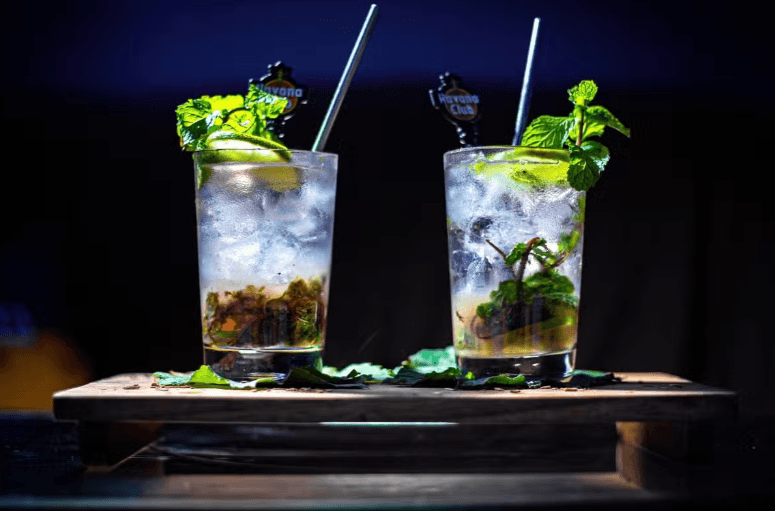
Join a Havana cooking class and cocktail workshop to make Cuban dishes, mix Mojitos, visit a local market, and enjoy an authentic food experience.
Havana is a city best experienced through its people, flavors, music, and everyday traditions. While its colorful streets, vintage cars, historic buildings, and lively plazas tell an important part of Cuba’s story, the kitchen offers an even more personal way to understand the island. The Cooking Class & Cocktail Workshop in Havana invites you to step beyond traditional sightseeing and experience Cuba through its food, drinks, local market culture, and warm hospitality.
This immersive Havana cooking class and cocktail experience is designed for travelers who want more than a meal. Over approximately three hours, you will visit a local market in the Vibora Park neighborhood, discover the ingredients commonly used in Cuban homes, learn how traditional dishes are prepared, practice classic Cuban cocktail-making techniques, and finally sit down to enjoy the meal you helped create.
The experience combines the best elements of a Cuban culinary adventure: authentic food, hands-on cooking, traditional drinks, local stories, and meaningful interaction with your hosts. Rather than simply watching a chef prepare a meal, you become part of the process from beginning to end.
Your culinary journey starts with a local market visit, where you can see how fresh produce, meats, vegetables, fruits, and other ingredients contribute to everyday Cuban cuisine. This market experience provides an authentic glimpse into local life and helps you understand where the flavors of Havana begin. From there, you move into the kitchen, put on your apron, and begin preparing some of Cuba’s most recognizable dishes.
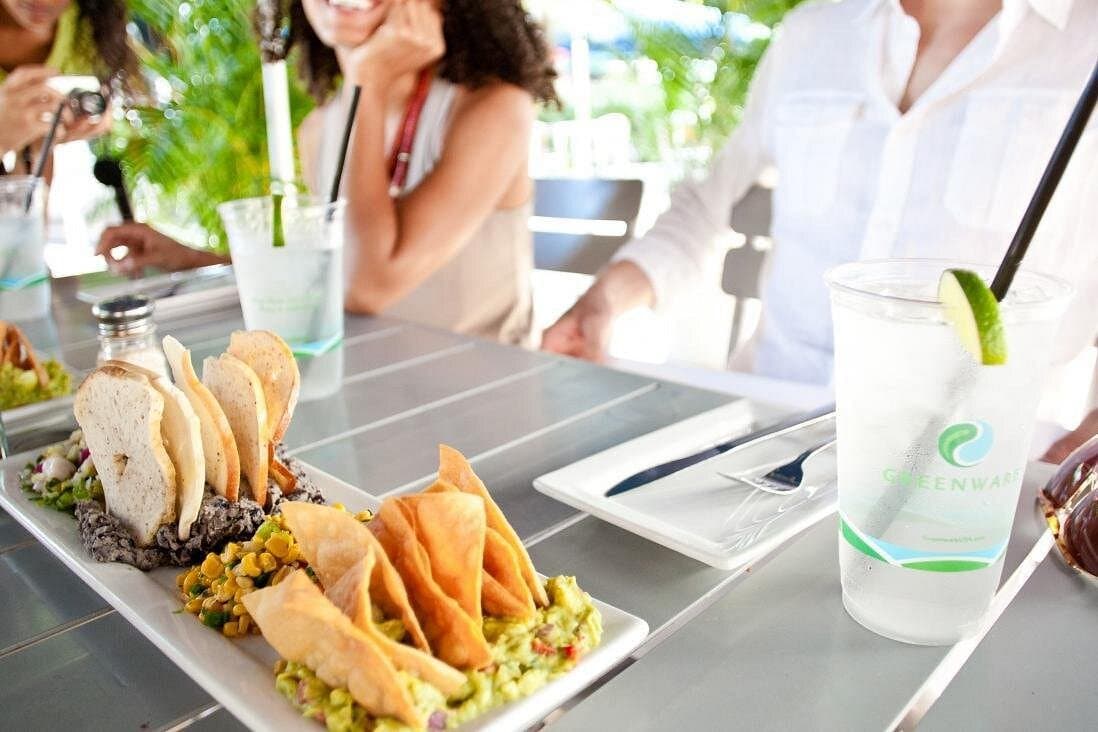
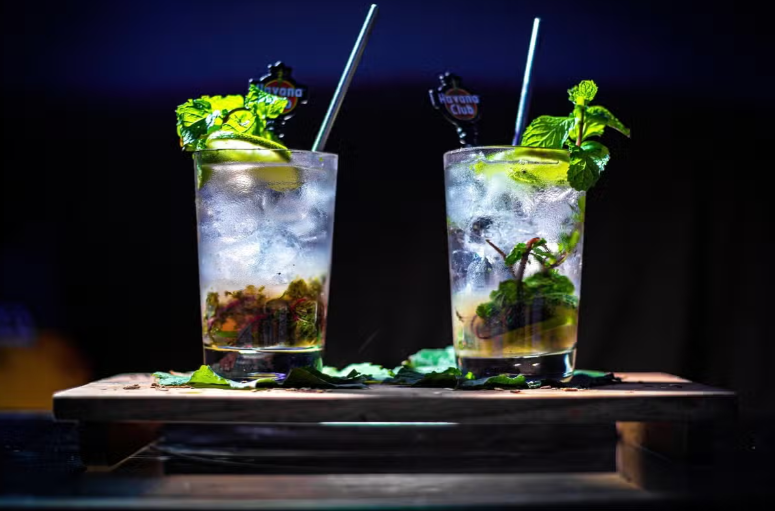
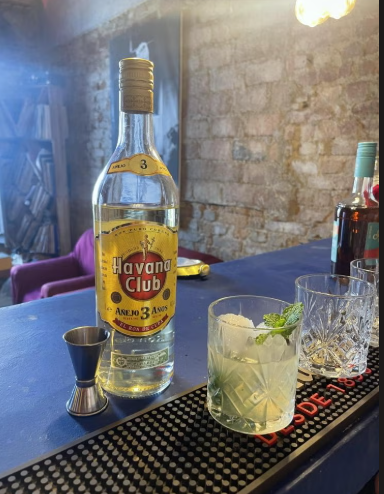
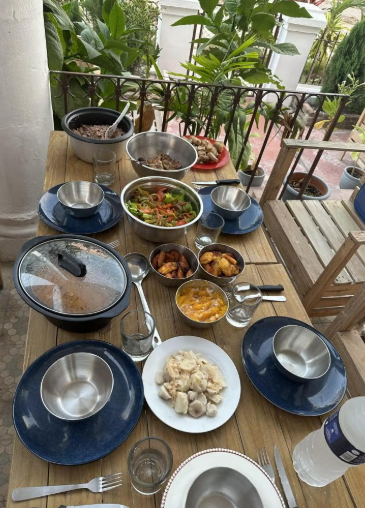
Among the recipes featured are Ropa Vieja, a beloved shredded beef dish; Moros y Cristianos, the classic Cuban combination of rice and black beans; and Tostones, crispy fried plantains that are a staple of Cuban cuisine. Alongside the food preparation, you will also learn the art of Cuban mixology, creating three iconic beverages: a refreshing Mojito, a classic Cuba Libre, and traditional Café Cubano.
The result is more than a cooking lesson. It is a cultural experience that connects food with history, daily life, hospitality, and the distinctive character of Havana.
Cuban cuisine reflects the island’s history and the creativity of its people. Its flavors have developed through a mixture of cultural influences, locally available ingredients, family traditions, and generations of home cooking. A dish served in a Cuban kitchen is rarely just food—it often carries memories, stories, and traditions.
During this Cuban cooking class in Havana, you have the opportunity to explore that connection firsthand.
Instead of sitting at a restaurant and simply ordering from a menu, you will learn how Cuban dishes come together. You will see the ingredients, handle them, prepare them, cook them, and eventually taste the finished dishes at the table.
That hands-on approach makes the experience especially memorable for travelers who enjoy food and cultural tourism. It also means that what you learn can stay with you long after your trip has ended.
When you return home, the recipes and techniques can become a way to recreate a small piece of Havana in your own kitchen.
Imagine preparing Ropa Vieja for friends and family and remembering the stories shared during your Havana experience. Imagine making a Mojito on a warm evening and remembering the rhythm and atmosphere of Cuba. Or preparing Moros y Cristianos and explaining that you learned the recipe during an authentic culinary experience in Havana.
That is the lasting value of this experience: you don't just take photographs home—you take knowledge, flavors, memories, and stories with you.
The experience begins with a visit to a local market in the Vibora Park neighborhood. This is an important part of the experience because Cuban cuisine begins with its ingredients.
Walking through a local market allows you to observe the everyday rhythm of Havana beyond the major tourist attractions. You can see the types of seasonal fruits, vegetables, meats, and other ingredients that are used in Cuban cooking.
Your guide and hosts help explain the ingredients and their role in local cuisine, giving you a better understanding of the foundations of Cuban flavor.
For food-loving travelers, this can be one of the most fascinating parts of the experience because it puts Cuban cuisine into context before you even enter the kitchen.
Once you have gathered the ingredients, the culinary workshop moves into the kitchen.
With guidance from your local hosts, you will participate in preparing several traditional Cuban dishes. Rather than simply observing, you will actively take part in the preparation process.
The featured dishes include:
Each recipe introduces you to different ingredients, techniques, and flavors associated with Cuban food culture.
Food is only one part of Cuban culinary culture.
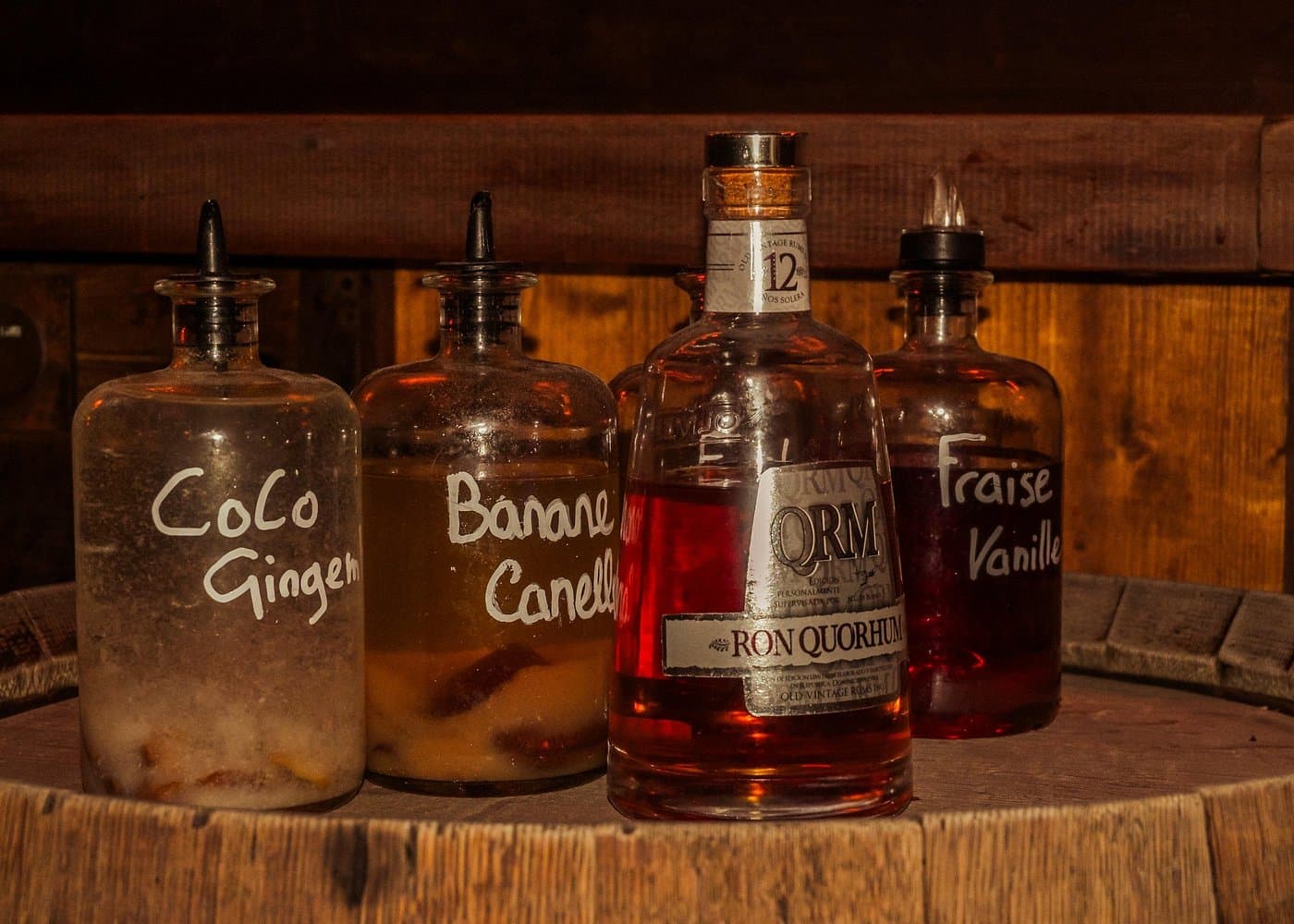
The cocktail portion of the workshop introduces you to three classic Cuban beverages:
Mojito: A refreshing cocktail associated with Cuba and widely enjoyed around the world.
Cuba Libre: A simple but iconic combination that has become one of the best-known Cuban cocktails.
Café Cubano: A strong, sweet Cuban coffee tradition that provides the perfect finishing touch to a Cuban meal.
Learning how to prepare these drinks adds another dimension to the experience. You are not simply tasting them—you are learning how they are made and understanding their place within Cuban hospitality.
After the cooking and cocktail workshop, the experience reaches its most satisfying moment: sitting down together and enjoying the food you have prepared.
Your meal is not something prepared separately for you. You have participated in creating it.
That makes the final dining experience feel more personal and rewarding.
You can enjoy the dishes, cocktails, and coffee while sharing the experience with your fellow travelers and hosts. The atmosphere is designed to feel less like a formal restaurant and more like being welcomed into a friendly Cuban gathering.
Many travelers visit Havana for its famous landmarks. They explore Old Havana, photograph classic American cars, admire colonial architecture, and walk through historic streets.
Those experiences are valuable, but there is another side of Havana that can only be discovered through everyday life.
The Cooking Class & Cocktail Workshop in Havana gives you the opportunity to experience that side of the city.
Instead of focusing exclusively on monuments and sightseeing, you spend time learning something practical and personal. You discover what ingredients are important to Cuban cooking, how dishes are prepared, how drinks are mixed, and how food brings people together.
This makes the tour particularly appealing to travelers who want to experience Havana at a deeper level.
You may arrive as a visitor, but for a few hours you become part of a shared Cuban culinary experience.
One of the strongest features of this experience is the progression from the local market to the kitchen and finally to the dining table.
Each stage adds something different.
Your culinary adventure begins at the local market in Vibora Park. Here, you get an introduction to the ingredients that form the foundation of Cuban meals.
Rather than learning about Cuban cuisine only from a recipe sheet, you see the ingredients in a real local setting.
This creates a connection between the destination and the food.
After the market visit, you head to the kitchen.
With your apron on and ingredients ready, it is time to get involved.
You will learn the preparation process for traditional dishes and receive guidance from your hosts. Whether you already enjoy cooking or normally stay away from the kitchen, the workshop is designed as a welcoming, interactive experience.
There is no need to be a professional cook.
The purpose is to participate, learn, have fun, and discover Cuban food traditions.
The cooking experience is complemented by a cocktail workshop.
You will learn to prepare three classic Cuban beverages and discover how different flavors work together.
The cocktail session creates a relaxed transition between cooking and dining and gives you another skill to take home.
Finally, everyone gathers around the table to enjoy the food and drinks.
This is where the experience becomes more than a cooking lesson.
It becomes a social and cultural encounter.
Food encourages conversation, stories, laughter, and connection. It is an opportunity to slow down and appreciate the experience rather than rushing from one attraction to another.
Travel is often remembered through sensory experiences.
You remember the sound of music coming from a Havana street. You remember the bright colors of the buildings. You remember the smell of food cooking nearby. You remember the taste of a freshly prepared dish or a refreshing Mojito.
A culinary experience brings several of these memories together.
The Havana cooking class engages your senses from the moment you enter the local market. You see fresh ingredients, smell the food being prepared, hear stories about Cuban traditions, touch and prepare the ingredients, and finally taste the dishes yourself.
This makes the experience especially suitable for travelers who believe that the best way to understand a destination is to experience it rather than simply observe it.
One of the most valuable elements of the workshop is the opportunity to learn about the cultural meaning behind the dishes.
Recipes are not isolated instructions. They are connected to families, traditions, celebrations, local ingredients, and everyday life.
During the experience, your hosts can provide context about Cuban food traditions and the role different ingredients and dishes play in local life.
For travelers, this storytelling can transform an ordinary recipe into a meaningful memory.
You may learn how a particular dish is traditionally served, why certain ingredients are important, or how Cuban families incorporate food into social occasions.
The goal is not simply to teach you what to cook, but to help you understand why Cuban food tastes and feels the way it does.
One of the dishes you will learn to prepare is Ropa Vieja, one of the most recognizable dishes associated with Cuban cuisine.
Its name literally refers to “old clothes,” a colorful name that reflects the shredded appearance of the meat.
During the workshop, you get to experience the preparation of this traditional dish rather than simply ordering it at a restaurant.
The hands-on approach allows you to appreciate the ingredients, preparation methods, and flavors that make it such a popular part of Cuban culinary culture.
For food travelers, preparing a dish like Ropa Vieja provides an authentic connection to Cuba that goes beyond the dining experience.
Rice and beans are central to many food traditions across the Caribbean and Latin America, and Cuba has its own iconic combination: Moros y Cristianos.
The dish brings together rice and black beans and is a classic component of Cuban meals.
Learning how to prepare it gives you insight into one of the comforting staples of Cuban cuisine.
It is also a dish that can be recreated at home, making it one of the practical culinary souvenirs you can carry with you after your Havana trip.
No Cuban culinary experience would feel complete without discovering plantains.
During the workshop, you will also learn to prepare Tostones, made from green plantains that are fried and traditionally flattened before being fried again to achieve their characteristic crispy texture.
Tostones are a popular accompaniment and provide a delicious contrast to richer dishes.
The preparation is hands-on, straightforward, and enjoyable, making it a fun part of the cooking class for travelers of different cooking backgrounds.
The cocktail portion of the experience introduces you to one of Cuba’s most internationally famous drinks: the Mojito.
The Mojito is closely associated with Cuba and has become a favorite cocktail around the world.
During the workshop, you have the opportunity to learn how to prepare your own version under the guidance of your hosts.
Instead of simply ordering a Mojito in a Havana bar, you learn about the process behind the drink.
That makes the first sip after completing the cocktail preparation even more rewarding.
The Cuba Libre is another famous Cuban cocktail included in the workshop.
Learning to prepare this drink gives you another glimpse into Cuban beverage culture and allows you to compare different styles and flavor combinations during the session.
Together, the Mojito and Cuba Libre create a fun introduction to Cuban mixology, while the traditional Café Cubano adds a distinctly Cuban coffee experience.
Coffee has an important place in Cuban culture, and the workshop includes a traditional Café Cubano.
Its strong character makes it a fitting way to finish the meal and culinary experience.
After spending time cooking, mixing cocktails, and enjoying a full meal, sitting down with a Cuban coffee provides a satisfying conclusion to the workshop.
The experience is designed to provide a personal atmosphere rather than feeling like a large commercial cooking demonstration.
A smaller setting makes it easier to participate, ask questions, interact with the hosts, and enjoy conversations with other travelers.
This is particularly valuable for travelers who prefer authentic experiences over crowded sightseeing activities.
You are encouraged to get involved rather than simply stand back and watch.
The kitchen becomes a shared space where travelers can cook, learn, laugh, taste, and exchange stories.
That sense of connection is one of the qualities that can turn a three-hour activity into one of the most memorable experiences of an entire Havana itinerary.
Picture arriving at the meeting point and beginning your culinary adventure.
Instead of immediately heading toward another famous monument, you are about to explore a different side of Havana.
You travel toward the Vibora Park neighborhood and visit a local market.
The surroundings become part of the experience.
You look at fresh ingredients and learn how they are used in Cuban cooking. Your hosts explain the products and traditions that shape everyday meals.
Then you head to the kitchen.
Aprons go on.
Ingredients are prepared.
The cooking begins.
There is conversation as everyone works through the recipes. You learn techniques, ask questions, and discover that cooking can be one of the easiest ways to connect with people from another culture.
Then comes the cocktail workshop.
The Mojito is prepared.
The Cuba Libre follows.
Cuban coffee becomes part of the final experience.
Finally, everyone sits down.
The kitchen work becomes a shared meal.
You taste what you have prepared and realize that the experience was never simply about learning recipes.
It was about experiencing Havana through food.
Many travel souvenirs sit on shelves.
A cooking experience gives you something different.
You leave with skills.
The ability to prepare Cuban dishes at home means the experience can continue long after you leave the island.
You can recreate the dishes for your family.
You can prepare Cuban-inspired meals for friends.
You can make the cocktails you learned about.
And perhaps most importantly, you can tell the story of where you learned them.
That makes a Cuban cooking class in Havana a particularly meaningful experience for travelers who enjoy taking memories home in a practical form.
You do not need to be an experienced chef to enjoy this experience.
The workshop is suitable for travelers who simply enjoy food, culture, and trying something new.
It can be especially appealing to:
The emphasis is on participation and enjoyment rather than culinary perfection.
A trip to Havana can easily become filled with sightseeing.
Historic streets.
Museums.
Architecture.
Vintage cars.
Plazas.
Music.
Restaurants.
But adding a culinary workshop creates a different rhythm.
It gives you time to slow down.
It gives you an opportunity to interact with locals.
It gives you something to do with your hands rather than simply your camera.
Most importantly, it allows you to understand Cuban culture through one of the most universal experiences of all: sharing food.
The Cooking Class & Cocktail Workshop in Havana brings together food, drinks, culture, market life, storytelling, and social connection in a single experience.
For travelers looking for an activity that feels personal and memorable, it is an excellent addition to a Havana itinerary.
The experience includes the essential elements needed to enjoy a complete Cuban culinary workshop.
Your experience includes:
The combination of the market visit, cooking workshop, cocktail preparation, and shared meal means you can experience several aspects of Cuban culinary culture during one approximately three-hour activity.
The experience lasts approximately 3 hours, making it easy to include in a wider Havana itinerary. The listed booking price may vary depending on the selected date and booking configuration; the current product page displays a starting price of approximately $78.51 per adult, while the descriptive section gives an approximate range of $100–$110 per person. Travelers should check the live booking price when selecting their date.
The listed meeting point is Faco Rivera, with the exact location provided upon booking. After reservation, the tour team indicates that they will contact guests one day before the experience to confirm the exact hotel/Airbnb pickup time or meeting arrangements.
Because the activity involves cooking and moving around a kitchen, comfortable clothing and shoes are recommended.
Most importantly, arrive hungry and ready to participate.
The best travel experiences often leave you with more than photographs.
They leave you with stories.
The Cooking Class & Cocktail Workshop in Havana is designed to do exactly that.
You will explore a local market, learn about Cuban ingredients, prepare traditional dishes, create iconic cocktails, enjoy Cuban coffee, and share a meal with fellow travelers and local hosts.
By the end of the experience, you will have experienced Havana in a way that cannot be captured by simply walking through its streets.
You will have cooked it.
You will have tasted it.
You will have shared it.
And you will have learned how to bring a little of it home.
If you are searching for an authentic cooking class in Havana, a Cuban food experience, or a unique Havana cocktail workshop, this immersive culinary adventure offers a memorable way to discover the island through its flavors and traditions.
Put away the usual sightseeing checklist for a few hours.
Enter the market.
Step into the kitchen.
Learn the recipes.
Mix the cocktails.
Share the table.
And experience Havana from the inside out.
The Cooking Class & Cocktail Workshop in Havana is more than a traditional cooking lesson. It is a carefully connected experience that takes you through several stages of Cuban culinary culture—from discovering ingredients at a local market to preparing traditional dishes, mixing famous Cuban cocktails, and sharing a meal around the table.
The complete experience lasts approximately 3 hours and is designed as a hands-on activity rather than a demonstration. The official tour information describes the experience as beginning from a Havana meeting point before continuing toward the Vibora Park neighborhood, where guests visit a local market and learn about the ingredients used in everyday Cuban cooking.
Your culinary adventure begins at the designated meeting point in Havana.
The listed meeting point is Faco Rivera, although the exact arrangements are confirmed during the booking process. The tour operator also notes that guests may receive confirmation of their exact hotel or Airbnb pickup time or meeting point approximately one day before the experience.
This is an important part of the experience because your local host is not simply there to lead you from one attraction to another. Your host becomes your introduction to Cuban food culture.
From the moment the experience begins, you can ask questions about Cuban ingredients, food traditions, local neighborhoods, and everyday life.
Rather than approaching Havana only as a sightseeing destination, you begin to experience it through the perspective of someone familiar with its culinary traditions.
The next stage takes you toward the Vibora Park neighborhood, where the local market visit takes place.
This transition is part of what makes the activity different from a standard cooking class.
You are not simply handed a prepared basket of ingredients.
Instead, you get an opportunity to understand where the ingredients come from and how local residents shop for food.
The official tour description specifically highlights seasonal fruits, vegetables, meats, and other ingredients that contribute to Cuba's distinctive sazón—the characteristic seasoning and flavor profile associated with Cuban cooking.
For travelers interested in authentic cultural experiences, this part of the itinerary can be especially valuable.
At the local market, you will discover ingredients that form the foundation of the dishes you will later prepare.
The market visit gives you an opportunity to observe everyday Cuban life from a different perspective.
Instead of looking at Havana exclusively through historic monuments or tourist attractions, you get to see an ordinary aspect of local life: buying food and selecting ingredients.
Your host can explain the different products, their culinary uses, and their importance in Cuban cooking.
This also provides context for the cooking class that follows.
When you later see those ingredients transformed into a complete meal, you understand their role more clearly because you have already encountered them in their local setting.
The market visit is therefore not simply an additional stop—it establishes the cultural foundation for the rest of the workshop.
Once you are at the market, the focus turns toward the ingredients required for the cooking experience.
You will discover the kinds of produce and other ingredients used in traditional Cuban meals.
This is a good opportunity to ask questions.
Why are particular ingredients used?
How are they prepared?
What makes Cuban seasoning distinctive?
Which foods are common in everyday meals?
How are ingredients affected by the seasons?
These questions help transform the market visit into an educational cultural experience.
For food enthusiasts, this is one of the strongest reasons to choose a cooking class rather than simply booking a restaurant meal.
You are learning about the ingredients before tasting the final dishes.
After the market visit, the experience moves into the kitchen.
This is where the hands-on portion of the Havana cooking class really begins.
You will put on an apron, prepare your workspace, and begin working with the ingredients.
The tour is designed so that guests participate in the preparation process.
You are not expected to be a professional chef.
You do not need extensive culinary experience.
The purpose is to learn, participate, and enjoy the process.
The official description emphasizes that the workshop is fully interactive and includes the equipment and ingredients necessary for the class.
That means the kitchen becomes a place where travelers can experiment, ask questions, follow instructions, and discover new cooking techniques.
One of the central dishes of the experience is Ropa Vieja.
This shredded beef dish is strongly associated with Cuban cuisine and is one of the dishes many visitors want to discover when exploring traditional Cuban food.
During the workshop, you will learn about its preparation rather than simply receiving it as part of a restaurant meal.
The process gives you an opportunity to understand how ingredients, seasoning, preparation, and cooking come together.
The final dish becomes even more satisfying because you have personally participated in making it.
For many travelers, this is the moment when the difference between “trying Cuban food” and “experiencing Cuban cuisine” becomes clear.
The next important Cuban staple is Moros y Cristianos, the traditional combination of rice and black beans.
It is one of the classic dishes associated with Cuban meals and an excellent example of how simple ingredients can become an essential part of a country's culinary identity.
Learning the dish in a local cooking environment gives you an opportunity to understand more than the ingredients themselves.
You also discover the preparation methods and traditions that help make the dish recognizable.
Because the recipe is practical enough to recreate at home, Moros y Cristianos can become one of the most useful culinary souvenirs from your trip.
The cooking workshop also introduces you to Tostones, a popular preparation made from green plantains.
Tostones are known for their crispy texture and are commonly enjoyed as an accompaniment to other dishes.
Preparing them yourself is an engaging part of the class because the process involves hands-on preparation rather than passive observation.
It also introduces travelers to an ingredient that is extremely important throughout Caribbean cuisine.
For visitors unfamiliar with plantains, this can be an especially enjoyable discovery.
You get to see how the ingredient changes during preparation and eventually becomes a crispy component of the finished meal.
Once the cooking portion is underway, the experience also introduces you to Cuban cocktail culture.
The workshop includes preparation of three classic Cuban drinks:
This combination makes the experience particularly appealing to travelers who want both food and drink experiences during their Havana visit.
Rather than treating cocktails as an afterthought, the activity gives them their own workshop component.
You can learn about the ingredients, proportions, preparation techniques, and traditions associated with the drinks.
The Mojito is one of Cuba's most famous cocktails and an essential part of the country's international culinary identity.
During the workshop, you will learn how to prepare the drink yourself.
The experience is not simply about drinking a Mojito in Havana.
It is about understanding the preparation behind it.
That difference can make the drink more memorable.
When you later prepare a Mojito at home, you can remember the Cuban kitchen where you learned the technique.
The cocktail workshop also includes a Cuba Libre.
This gives you the opportunity to experience another well-known Cuban drink and compare its flavors with those of the Mojito.
Learning several cocktails within the same workshop makes the experience more interactive and varied.
You move between cooking and mixology, keeping the activity engaging throughout the three-hour session.
The culinary experience also includes a traditional Cuban coffee.
Café Cubano provides a strong and distinctive ending to the meal.
After preparing the food and cocktails, enjoying coffee together creates a natural transition into the final dining portion of the experience.
It is a chance to slow down, talk with your fellow travelers, and appreciate everything you have prepared.
The final stage is the reward for everything you have done in the kitchen.
You sit down and enjoy a full meal featuring the dishes you helped prepare.
The official tour description explains that the experience concludes with a shared feast featuring the prepared food and cocktails.
This makes the final meal fundamentally different from an ordinary restaurant experience.
You are not simply being served.
You helped create it.
Every dish has a story.
Every cocktail has a memory.
And every flavor is connected to the experience you have just completed.
The shared meal also creates an opportunity for conversation and connection, reinforcing the small-group atmosphere highlighted by the tour operator.
Many culinary tours focus exclusively on eating.
This experience combines several layers of cultural discovery:
Market → Ingredients → Cooking → Cocktails → Meal → Conversation
That progression gives travelers a much more complete understanding of Cuban food culture.
You see where the ingredients come from.
You learn how they are prepared.
You make traditional dishes.
You mix iconic drinks.
Then you enjoy everything together.
The experience is designed around participation.
You are encouraged to get involved rather than simply watch.
You will spend time in the kitchen, work with ingredients, learn recipes, and participate in cocktail preparation.
This makes the experience particularly appealing to travelers who prefer interactive activities.
The official tour information lists the following inclusions:
A professional local host accompanies the experience and provides guidance throughout the activity.
The experience includes a visit to a local market where fresh ingredients are sourced.
You receive hands-on instruction while preparing traditional Cuban dishes.
The experience includes instruction in preparing three Cuban drinks.
Cooking ingredients and necessary equipment—including aprons and utensils—are included.
You enjoy a full lunch or dinner featuring the dishes prepared during the workshop.
The experience includes three cocktails.
Traditional Cuban coffee is also included.
The core culinary experience includes the items described above, but travelers should budget separately for personal purchases or expenses not specifically listed as inclusions.
For example, the tour recommends bringing cash if you want to purchase additional items at the local market.
Personal purchases, souvenirs, additional food or drinks outside the included experience, and other personal expenses should therefore be treated separately unless specifically confirmed during booking.
Preparing for a cooking experience is simple, but a few choices can make your day more comfortable.
Choose clothes that allow you to move comfortably.
You will be spending time standing and working in a kitchen, so restrictive or overly formal clothing is not ideal.
Comfortable shoes are particularly important because the tour information notes that guests will be on their feet in the kitchen.
Bring your phone or camera.
There will be plenty of opportunities to photograph ingredients, dishes, drinks, and your finished creations.
You may also want to photograph recipes or cooking stages for reference when recreating the dishes at home.
The tour operator recommends having a light breakfast before the experience.
This is practical because the activity includes a full meal and several drinks.
Arriving hungry means you can fully enjoy the food you have prepared.
If you would like to purchase something extra at the local market, bring some cash.
This is optional and is separate from the included tour experience.
The experience is hands-on, so approach it with a willingness to get involved.
Don't worry about making every technique perfect.
The goal is to learn and enjoy the process.
This is one of the most important practical recommendations.
Cooking, moving between stations, visiting the market, and standing during preparation can make uncomfortable footwear a problem.
Comfortable shoes allow you to focus on the experience.
Because the workshop includes a full meal, arriving after a very heavy breakfast may reduce how much you can enjoy the food.
The official tour information recommends a very light breakfast.
Don't hesitate to ask your host about Cuban food.
Ask about:
The storytelling and cultural explanations are an important part of the experience.
Photographs can help preserve the experience.
Capture the market.
Photograph the ingredients.
Take pictures of your cooking process.
Photograph the finished meal.
And, of course, document your Cuban cocktails.
These images can become much more meaningful than standard tourist photographs because they represent something you personally experienced.
Absolutely.
For couples visiting Havana, this experience offers something different from a conventional romantic dinner.
Instead of simply sitting across from each other at a restaurant, you can cook together, prepare cocktails together, and share the finished meal.
It creates natural opportunities for interaction and laughter.
Couples who enjoy food and cultural activities can make the workshop a memorable part of their Havana itinerary.
It can also provide a relaxed change of pace after days spent walking through the city.
A cooking class can be particularly rewarding for solo travelers.
The small-group environment creates natural opportunities to meet other people.
Cooking provides an easy way to start conversations because everyone is working toward the same goal.
Instead of exploring Havana alone for the entire day, you get several hours of social interaction in a welcoming environment.
For solo visitors looking for a meaningful cultural activity, the experience can be an excellent choice.
The interactive format can also work well for groups traveling together.
Friends can divide cooking tasks, learn recipes together, and compare their cocktail-making skills.
Families who enjoy food-related experiences can also find the workshop more engaging than a standard sightseeing activity, although parents should consider the practical suitability of the cooking environment and included alcoholic drinks for younger travelers.
The booking page currently displays a child pricing option, but families should confirm age requirements and suitability when making their reservation.
The experience can be enjoyable for travelers who are comfortable spending time standing in a kitchen and participating in a market visit.
However, the official information specifically notes that guests will be on their feet in the kitchen.
Travelers with mobility concerns should consider this before booking and contact the tour team if they require specific arrangements.
Because the experience is relatively short—approximately three hours—it can be easier to incorporate into a Havana itinerary than a full-day excursion.
Food photography enthusiasts should bring their cameras or smartphones.
The experience naturally provides multiple photographic opportunities:
Capture fresh ingredients and the atmosphere of a local Havana market.
Photograph the preparation process and your cooking station.
Document your Mojito, Cuba Libre, and Cuban coffee.
The completed dishes provide the perfect final photographs before you begin eating.
Just remember to remain present in the experience rather than spending the entire workshop behind a camera.
The experience focuses on local food and everyday traditions rather than simply presenting a tourist version of Cuba.
You get a market visit, cooking class, cocktail workshop, and meal within approximately three hours.
You learn dishes including Ropa Vieja, Moros y Cristianos, and Tostones.
The cocktail workshop introduces Mojito, Cuba Libre, and Café Cubano.
You can take the recipes and techniques home with you.
The small-group setting encourages conversation and interaction.
The experience connects food with Cuban traditions and daily life.
These qualities make the tour particularly attractive to travelers searching for an authentic Cuban food experience in Havana rather than another conventional sightseeing excursion.
Perhaps the greatest advantage of this experience is that it doesn't end when you leave Havana.
A sightseeing attraction stays in your memory.
A photograph stays on your phone.
But a recipe can become part of your life.
After returning home, you can prepare Cuban food for your family.
You can recreate a Mojito.
You can serve Moros y Cristianos.
You can make Tostones.
You can prepare Ropa Vieja.
And while you cook, you can tell your guests about the Havana kitchen where you learned the recipes.
In this way, the experience becomes a lasting part of your travel story.
The booking page currently shows the experience from approximately $78.51 per adult, while the descriptive section states an approximate price range of $100–$110 USD per person. Because the displayed booking price can vary according to availability, date, and booking configuration, travelers should verify the live price shown for their selected date before completing the reservation.
The booking interface also currently displays a child price of $59, although travelers should confirm applicable child age requirements and final pricing during checkout.
The experience is listed as approximately 3 hours long.
After completing your reservation, communication becomes an important part of the preparation process.
The tour operator states that its team will contact you approximately one day before the tour to confirm the exact hotel/Airbnb pickup time or meeting point. If you selected a meeting point during booking, the reservation is considered confirmed and you should arrive at the selected location at the scheduled time.
Make sure the contact information you provide during booking is accurate.
The operator specifically asks travelers to ensure that their WhatsApp number, phone number, or email address is correct so that the team can reach them smoothly.
This is especially important when traveling internationally because reliable communication can help avoid confusion about meeting arrangements.
Travelers with questions about weather, reservation changes, or special requests are encouraged to contact the tour team before the experience.
This is particularly useful if weather conditions affect transportation or your plans in Havana.
If you have dietary requirements or other special considerations, it is best to communicate them as early as possible rather than waiting until the day of the activity.
Havana culinary experiences can be popular because they offer something different from standard sightseeing.
Booking in advance can help you:
The booking page currently displays a 5.0 rating from 51 reviews in its product presentation, indicating strong traveler interest and positive feedback for the experience.
The cooking class is approximately three hours long, which makes it relatively easy to combine with other Havana activities.
You might choose to spend the morning exploring Havana and then participate in the culinary workshop later in the day.
Alternatively, the cooking experience can provide a break between sightseeing activities.
A possible Havana day could look like:
Morning: Explore Havana's historic streets and architecture.
Midday: Take a break and enjoy the cooking class.
Afternoon: Continue exploring the city.
Evening: Experience Havana's music and nightlife.
This approach allows you to combine traditional sightseeing with a deeper cultural activity.
What makes this activity especially meaningful is its focus on ordinary Cuban life.
Tourists often see Havana through its most recognizable images: colorful facades, classic cars, historic plazas, music, and famous landmarks.
Those images are part of the city's identity.
But everyday life happens elsewhere too.
It happens in markets.
It happens in kitchens.
It happens around dining tables.
It happens when people share food and stories.
This cooking experience gives travelers a window into that everyday world.
For approximately three hours, the focus moves away from checking attractions off a list and toward learning, preparing, eating, and connecting.
A good vacation gives you photographs.
A great vacation gives you stories.
The story from this experience might begin with a local market.
You might remember seeing unfamiliar ingredients and asking what they were used for.
Then you might remember putting on your apron.
You might remember attempting your first Cuban recipe.
You might remember making a Mojito.
You might remember the smell of the food cooking.
And eventually, you will remember sitting around the table with the meal you helped create.
That is the kind of travel memory that lasts.
If your idea of travel is about discovering how people actually live, this Havana cooking class and cocktail workshop offers an excellent opportunity to go beyond traditional sightseeing.
Spend approximately three hours exploring Cuban ingredients, learning traditional recipes, preparing iconic drinks, and sharing a meal with local hosts and fellow travelers.
Discover Ropa Vieja.
Prepare Moros y Cristianos.
Make Tostones.
Mix a Mojito.
Learn a Cuba Libre.
Enjoy Café Cubano.
And finish your experience around a table filled with food you helped create.
The official experience includes the local market visit, cooking and cocktail instruction, ingredients and equipment, a full meal, three cocktails, and Cuban coffee.
If you're looking for an authentic Cuban cooking class in Havana, a memorable Havana food tour, or a hands-on Cuban cocktail workshop, this experience offers a unique way to taste the destination while learning how its flavors are created.
Come to Havana as a traveler. Leave with the skills, stories, and flavors of a local culinary experience.
The experience lasts approximately 3 hours. This gives you enough time to visit a local market, learn about Cuban ingredients, participate in the cooking class, prepare traditional Cuban cocktails, and enjoy the meal you helped create.
The experience takes place in Havana, including the Vibora Park neighborhood for the local market portion. The listed meeting point is Faco Rivera, while exact pickup or meeting arrangements are confirmed with guests before the experience.
Pickup arrangements depend on the booking. The tour information indicates that the team contacts guests approximately one day before the experience to confirm the exact hotel/Airbnb pickup time or meeting arrangements. Travelers should review their booking confirmation for their specific pickup details.
The cooking workshop focuses on traditional Cuban dishes, including Ropa Vieja, Moros y Cristianos, and Tostones. You participate in preparing the dishes rather than simply watching someone else cook them.
The cocktail workshop includes three Cuban beverages:
The experience combines cooking and cocktail preparation to provide a broader introduction to Cuban food and drink culture.
Yes. The experience includes a full meal featuring the dishes prepared during the cooking class, along with the included drinks and traditional Cuban coffee.
No. You do not need to be a professional cook or have previous culinary training. The workshop is designed as a hands-on cultural experience, with local hosts guiding participants through the preparation process.
Children may be able to participate, depending on their age and the booking conditions. The booking page displays a child price, but families should confirm the applicable age requirements and suitability before booking, particularly because the experience includes cooking equipment and alcoholic beverages.
Yes. A cooking workshop can be an excellent activity for solo travelers because it naturally creates opportunities to interact with local hosts and other participants. The shared cooking and dining environment makes it easier to meet people while experiencing Cuban culture.
Yes. Couples can cook together, prepare Cuban cocktails, and share the final meal. It offers a more interactive alternative to simply going to a restaurant and can be a memorable addition to a romantic Havana itinerary.
The activity can be suitable for older travelers who are comfortable walking around a local market and standing during parts of the cooking workshop. Travelers with mobility limitations should check the arrangements with the tour operator before booking because the experience involves time on your feet.
Wear comfortable, casual clothing and comfortable closed-toe shoes. Since you will participate in food preparation and spend time standing, practical clothing is preferable to formal attire.
A light breakfast is recommended. The experience includes a substantial meal, so arriving excessively full may make it harder to enjoy the food you prepare.
Yes. The experience includes the ingredients and equipment required for the cooking workshop. Aprons and cooking utensils are also provided according to the tour information.
The market visit is primarily part of the culinary and cultural experience. However, travelers who want to purchase additional items should bring some cash. Personal purchases are separate from the tour inclusions.
Because parts of the experience involve local transportation and visiting a market, weather can affect the day's arrangements. If significant weather creates a problem, travelers should follow instructions from the local tour team and contact the operator regarding any necessary changes.
Bathroom access depends on the locations used during the activity. Travelers should use available facilities when visiting the meeting location or other appropriate stops and ask the local host if they need assistance during the experience.
Yes. Photography can be a great way to document the market visit, ingredients, cooking process, cocktails, and finished dishes. However, be respectful of local people and ask permission before photographing individuals where appropriate.
The experience is designed to teach participants how traditional Cuban dishes are prepared, making it a practical culinary experience as well as a cultural activity. Travelers interested in recreating the dishes should take notes and ask their host about ingredients and preparation techniques.
The tour page currently displays pricing that can vary according to the selected booking configuration and date. The page has shown a starting price around $78.51 per adult, while another section describes an approximate range of $100–$110 per person. Travelers should check the live booking price before confirming their reservation.
After completing your reservation, our team will contact you one day before your tour to confirm your exact hotel / Airbnb pickup time or meeting point.
If you selected a meeting point during your booking, please note that your reservation is fully confirmed — simply arrive at the chosen location at the scheduled time.
Please ensure the WhatsApp number, phone number, or email you entered during booking is correct so we can reach you smoothly.
For any changes to your reservation, weather questions, or special requests, feel free to contact us:
We look forward to welcoming you! 🌴✨