Punta Cana to Samaná Transfer: Routes, Time & Prices 2026

Samaná Fishing Heritage & Marine Life: A 2026 Coastal Guide
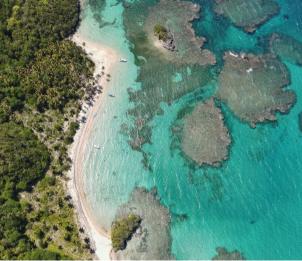
Samaná, located on the northeastern coast of the Dominican Republic, is famous for its tropical beaches, beautiful coastline, and remarkable marine environment. Beyond its natural scenery, the region has a long-standing connection with fishing and coastal livelihoods.
Samaná Bay is an important natural resource for local communities. Fishing has contributed to the area's economy and food traditions for generations, while its mangroves, marine habitats, and wildlife make the bay environmentally significant.
This 2026 guide explores Samaná's fishing heritage, marine biodiversity, seafood culture, and the importance of sustainable fisheries. It also explains how fishing communities contribute to the identity of the Samaná Peninsula.
1. Understanding Samaná's Fishing Heritage
Fishing is one of the traditional economic activities of Samaná Province.
The coastal communities around the peninsula have a strong relationship with the sea. Local fishing traditions have influenced food, commerce, family livelihoods, and the character of waterfront settlements.
Santa Bárbara de Samaná, Las Galeras, Las Terrenas, and Sánchez are among the communities associated with the region's coastal identity.
Fishing also contributes to the local restaurant industry, where seafood is an important part of Dominican cuisine.
The relationship between fishing and tourism makes Samaná an interesting destination for learning about the connection between coastal communities and marine resources.
2. Why Is Samaná Bay Important?
Samaná Bay is one of the most important natural environments in the Dominican Republic.
The Nature Conservancy describes the bay as a large semi-enclosed marine ecosystem with extensive mangrove habitats and important fisheries.
These environments support a variety of marine and coastal species. They also provide ecological services that benefit surrounding communities.
The bay is particularly important because it combines biodiversity, traditional economic activities, and marine conservation interests.
Its importance goes beyond tourism: healthy coastal ecosystems contribute to the long-term well-being of the region.
3. Marine Biodiversity in Samaná Bay
Samaná Bay supports a diverse natural environment.
Its coastal waters, mangroves, and surrounding habitats are associated with several forms of marine and coastal wildlife.
Mangrove Ecosystems
Mangroves are among the most valuable coastal habitats in the Samaná region.
Their complex root systems provide shelter for aquatic organisms and contribute to the stability of coastal environments.
Mangroves also help protect shorelines and support the wider marine food web.
Fish and Other Marine Species
The bay supports fisheries that have economic and cultural importance for local communities.
Different marine organisms depend on the region's coastal habitats during various stages of their life cycles.
Maintaining healthy habitats is therefore important for both biodiversity and the long-term sustainability of local fishing livelihoods.
Humpback Whales
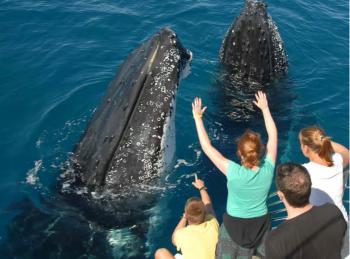
Samaná Bay is internationally recognized for its seasonal humpback whale migration.
Every winter, humpback whales arrive in the region as part of their annual breeding cycle.
The whales are one of Samaná's best-known wildlife attractions and highlight the ecological importance of the surrounding marine environment.
4. The Importance of Local Fishing Communities
Fishing communities are an important part of Samaná's identity.
Their relationship with the sea contributes to the local economy, traditional food culture, and everyday life.
The Nature Conservancy has highlighted the importance of the bay to local fishing livelihoods, noting that approximately 2,000 fishers have historically depended on its resources.
However, pressure on fish populations and unsustainable fishing practices can threaten the long-term health of the ecosystem.
Supporting responsible coastal development and marine conservation is important for the future of these communities.
5. Traditional Seafood Culture in Samaná
Seafood is an important part of the culinary identity of the Samaná Peninsula.
The region's coastal location influences its traditional recipes and food culture.
Pescado con Coco
Pescado con coco, or fish with coconut, is one of Samaná's best-known traditional dishes.
It combines fish with coconut-based ingredients and reflects the region's distinctive culinary heritage.
Fresh Fish Dishes
Fish is a familiar ingredient in many local restaurants.
Different establishments prepare seafood according to regional traditions and their own culinary styles.
Shrimp from Sánchez
The municipality of Sánchez is associated with shrimp and seafood traditions.
Its connection with the bay has contributed to its reputation as an important food destination within the province.
Coconut and Ginger
Coconut and ginger are important ingredients in Samaná's traditional cuisine.
They contribute distinctive flavors to several regional preparations and reflect the area's cultural and agricultural influences.
6. Sustainable Fisheries and Marine Conservation
The long-term future of Samaná's fishing heritage depends on maintaining healthy marine ecosystems.
Sustainable fisheries aim to balance the needs of fishing communities with the protection of marine biodiversity.
Important conservation priorities include:
- Protecting mangrove ecosystems.
- Maintaining healthy fish habitats.
- Reducing marine pollution.
- Protecting vulnerable marine species.
- Supporting responsible resource management.
- Encouraging sustainable coastal tourism.
Organizations such as The Nature Conservancy and the Center for Conservation and Eco-Development of Samaná Bay and Its Surroundings (CEBSE) have been involved in conservation initiatives in the region.
These efforts demonstrate the importance of cooperation between environmental organizations and local communities.
7. Fishing and Tourism in Samaná
Fishing and tourism are both important parts of the Samaná economy.
Tourism introduces visitors to the region's natural scenery, coastal towns, and local food culture.
Fishing communities contribute to this visitor experience through their connection with traditional seafood, local markets, and coastal heritage.
The challenge is to develop tourism in ways that respect local livelihoods and protect natural resources.
Responsible tourism should recognize that the bay is not simply a recreational destination. It is also an important ecosystem and a source of livelihood for local residents.
8. Coastal Communities Worth Learning About
Santa Bárbara de Samaná
Santa Bárbara de Samaná is the provincial capital and an important center of local culture.
Its waterfront, public market, and seafood traditions provide insight into the town's relationship with Samaná Bay.
Las Galeras
Las Galeras is a coastal community known for its natural surroundings and connection with the northeastern coastline.
Its local identity is closely connected to the sea and the wider tourism economy.
Las Terrenas
Las Terrenas combines a coastal atmosphere with a diverse food and tourism scene.
Its restaurants and local businesses reflect the mixture of Dominican traditions and international influences found throughout the town.
Sánchez
Sánchez is a historic municipality on the western side of Samaná Bay.
Its relationship with the bay and seafood traditions makes it an interesting community for understanding the region's coastal economy.
9. Samaná's Marine Environment and the Future
The future of Samaná depends partly on maintaining the health of its natural resources.
Marine biodiversity, traditional fishing livelihoods, and tourism are closely connected.
Environmental challenges can affect all three.
Protecting coastal habitats and encouraging responsible resource management can help preserve the region's natural identity.
Visitors also have a role to play by respecting local environmental rules, avoiding littering, and learning about the importance of marine conservation.
10. What Makes Samaná Different from Other Caribbean Destinations?
Samaná combines natural landscapes with a strong coastal community identity.
The region is known for its beaches, green mountains, marine wildlife, and traditional food culture.
Its fishing heritage adds another dimension to the destination, showing how local livelihoods and the natural environment are connected.
Rather than being defined only by beach tourism, Samaná offers an opportunity to understand the relationship between people, food, and the sea.
Frequently Asked Questions
1. Is fishing part of Samaná's local economy?
Yes. Fishing is one of the traditional economic activities of Samaná Province and contributes to local livelihoods and seafood culture.
2. Why is Samaná Bay important?
Samaná Bay is important for its marine biodiversity, mangrove habitats, fisheries, and seasonal humpback whale migration.
3. What seafood is Samaná famous for?
The region is known for fish, shrimp, and traditional seafood dishes, especially pescado con coco.
4. Which community is associated with shrimp in Samaná?
Sánchez is particularly associated with shrimp and seafood traditions.
5. Are mangroves important to Samaná Bay?
Yes. Mangroves provide habitat for aquatic organisms, contribute to coastal stability, and support the wider marine ecosystem.
6. What environmental challenges affect Samaná Bay?
Environmental concerns include pressure on fish populations, habitat degradation, and marine pollution. Conservation efforts focus on protecting important habitats and promoting sustainable resource management.
7. Why is marine conservation important to local fishing communities?
Healthy marine ecosystems help support biodiversity and the long-term availability of natural resources on which coastal communities depend.
8. What is Samaná's most famous traditional seafood dish?
Pescado con coco, fish prepared with coconut, is one of the region's best-known traditional dishes.
Final Thoughts
Samaná's fishing heritage is an important part of the Dominican Republic's northeastern coastal identity.
Samaná Bay supports traditional livelihoods, seafood culture, mangrove ecosystems, and remarkable marine biodiversity. Its natural resources are valuable not only for tourism but also for the communities that depend on the bay.
For visitors interested in understanding Samaná beyond its beaches, learning about local fishing traditions and marine conservation provides a meaningful perspective on the region.
Protecting the bay's natural environment while respecting the heritage of its coastal communities will remain important for Samaná's future.