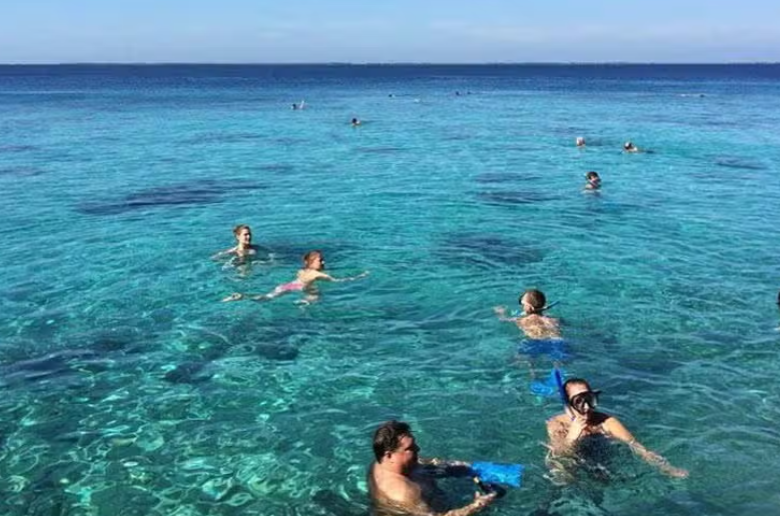
Tauchaktivität in der Schweinebucht
5.0(83)
From$78
Tauchaktivität in der Schweinebucht
5.0 (83)
From$78per person
Book top-rated tours, excursions, and adventures in Punta Cana, Bayahibe, Santo Domingo, and across the Dominican Republic.
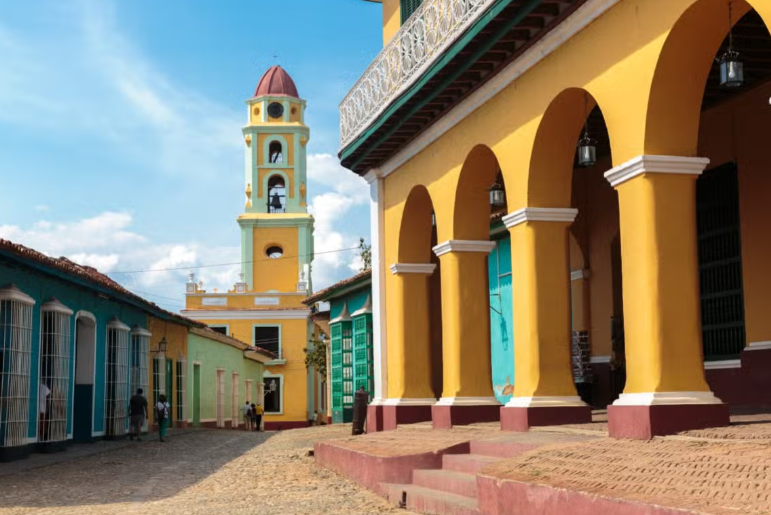
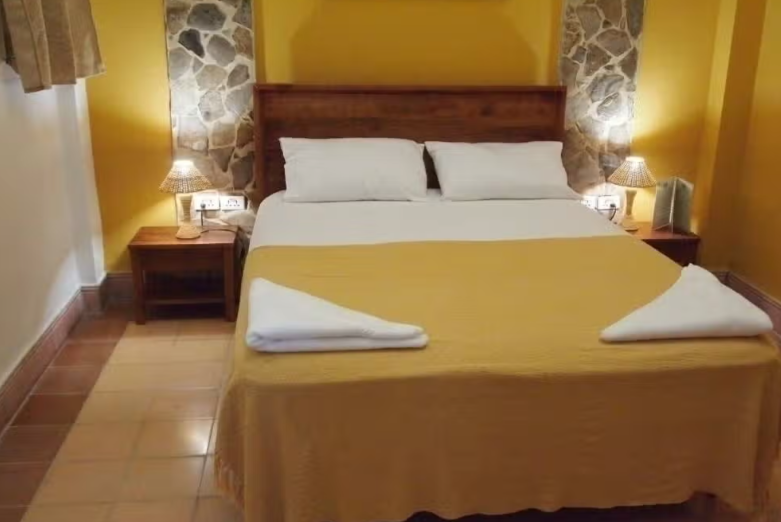
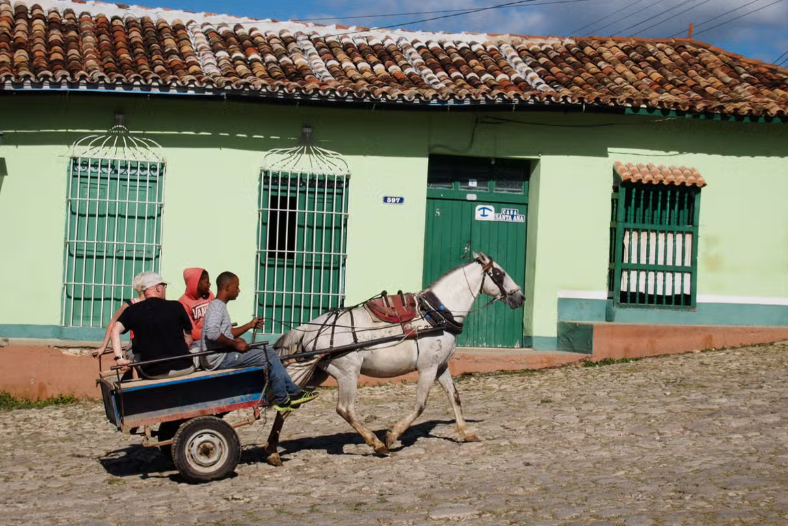
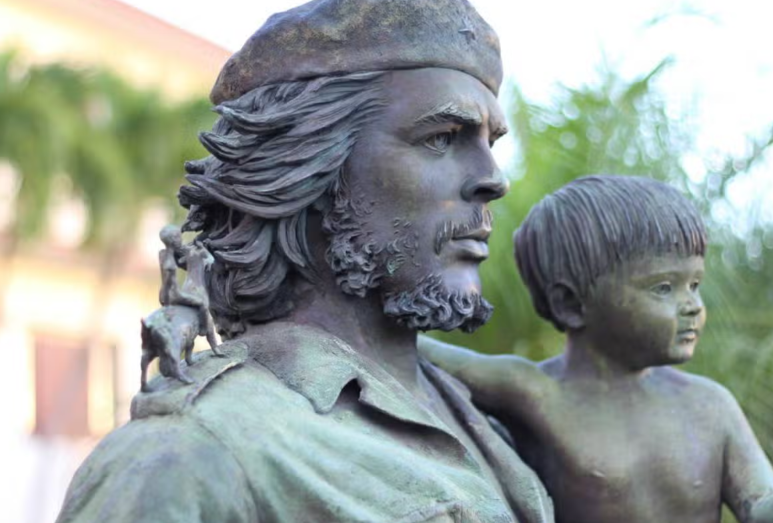
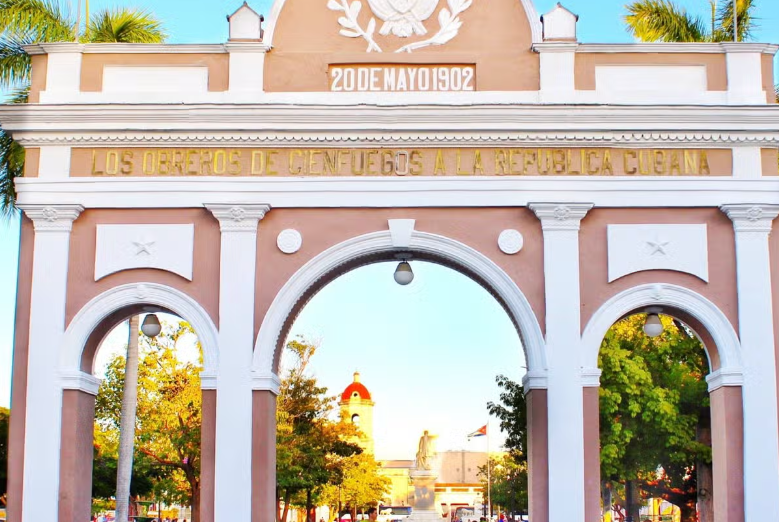
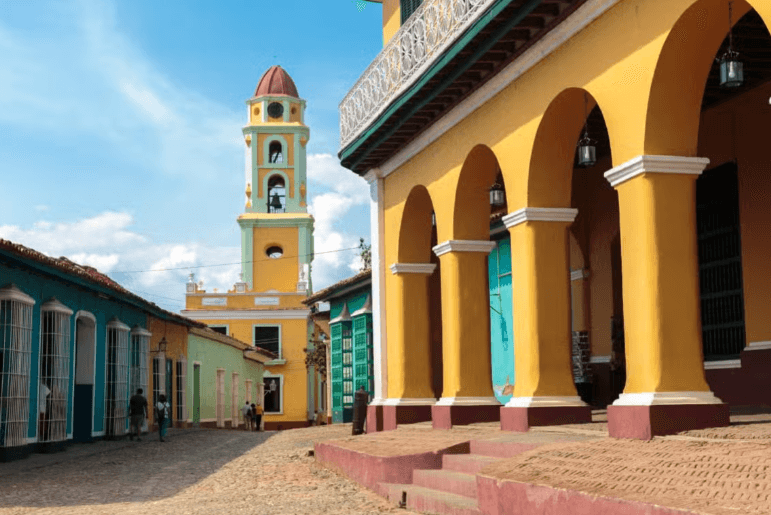
Cuba 15-Day Tour: The Ultimate Island Adventure from Havana Cuba is a destination that stays with you long after you leave. It is found in the rhythm of music drifting through a Havana street, the faded colors of colonial buildings glowing beneath the Caribbean sun, the stories shared over a homemade meal, and the welcoming conversations that begin with a simple “Hola.” It is a country where history, culture, nature, art, architecture, and everyday life come together in a way that is unlike anywhere else in the Caribbean. The Cuba 15-Day Tour is designed for travelers who want much more than a quick introduction to Havana. Over 15 days and 14 nights, this immersive Cuban adventure takes you beyond the capital and into the heart of the island, combining historic cities, revolutionary landmarks, colonial architecture, cultural experiences, coastal landscapes, local traditions, and opportunities to connect with Cuban people. Beginning and ending in Havana, this comprehensive Cuba tour allows you to experience the island from multiple perspectives. You will explore the atmospheric streets and iconic squares of Old Havana, discover the revolutionary history of Santa Clara, admire the colonial elegance of Cienfuegos, wander through the distinctive streets of Trinidad, uncover the fascinating heritage of Camagüey, experience the cultural character of Holguín, and reflect on the history surrounding the Bay of Pigs. Rather than simply moving from one attraction to another, this journey is built around cultural immersion. Accommodation in traditional casas particulares, or private Cuban homes, gives you a more personal way to experience local hospitality. Comfortable minibus transportation connects the different destinations, while professional English- and Spanish-speaking guides help bring Cuba's complicated and fascinating history to life. This is a journey for travelers who want to understand Cuba, not simply photograph it. Cuba is too diverse to understand through a single city or a short beach holiday. Havana alone can occupy several days of exploration, with its historic plazas, colorful streets, music-filled neighborhoods, classic architecture, and layers of history. But beyond Havana lies another side of Cuba: elegant colonial cities, rural landscapes, revolutionary landmarks, artistic communities, tropical coastlines, and towns where traditions remain an important part of everyday life. A 15-day Cuba itinerary gives you the time to experience these contrasts without reducing the country to a collection of rushed stops. You can begin your journey surrounded by the energy of Havana, then gradually travel deeper into the island. The scenery changes. The architecture changes. The atmosphere changes. Yet the unmistakable Cuban character remains. One day may be devoted to understanding revolutionary history. Another may introduce you to colonial architecture. Later, you may find yourself listening to Cuban music, walking along a historic street, relaxing near the sea, or sharing a conversation with a local family. That variety is one of the greatest strengths of this Cuba tour. It combines guided sightseeing and independent time, allowing you to learn from experienced local guides while still having opportunities to explore at your own pace. The official tour description specifically emphasizes this balance between educational visits, cultural experiences, free time, beaches, music, and local interaction. Your adventure begins when you arrive at Havana International Airport, José Martí International Airport, where your driver will meet you at the arrivals terminal. For many travelers, the first moments in Havana are unforgettable. The air feels warm and tropical. Spanish conversations surround you. Palm trees sway in the breeze. Vintage cars share the roads with modern vehicles, while colorful buildings and historic facades provide the first glimpse into the character of the Cuban capital. Instead of immediately rushing into a packed sightseeing schedule, the tour allows time to settle into the atmosphere of Havana. This opening experience is important because Havana is a city best appreciated slowly. Walk through its streets. Notice the architecture. Listen to the sounds around you. Watch daily life unfold. Allow yourself to become familiar with the pace of the city. The official tour information describes the first day as a welcome at the airport followed by free time to soak in Havana's atmosphere. One of the defining experiences of this Cuba vacation is exploring the historic streets and iconic squares of Old Havana. Havana's historic center is more than a collection of beautiful buildings. It is a living urban landscape where centuries of history remain visible in plazas, churches, narrow streets, balconies, courtyards, and grand colonial structures. Walking through Old Havana gives you the opportunity to experience the city at street level. Rather than seeing Havana through a vehicle window, you can appreciate the details: weathered walls, colorful doors, traditional balconies, musicians performing in public spaces, local cafés, small shops, and residents going about their daily routines. The experience becomes particularly memorable when you allow yourself to wander without constantly checking the time. The streets invite curiosity. Every corner seems to reveal another architectural detail or another story. For travelers interested in history, photography, culture, architecture, and local life, Old Havana provides an ideal introduction to the country. One of the most rewarding aspects of a long Cuba tour is discovering how different destinations can feel despite being part of the same island. The journey takes you through places associated with revolutionary history, colonial architecture, artistic traditions, local culture, and coastal landscapes. Instead of spending two weeks in one resort area, you experience Cuba as a changing landscape. As the minibus travels from one destination to another, the rhythm of the journey changes. Urban streets give way to quieter roads. Historic centers are replaced by rural scenery. Coastal landscapes appear. New architectural styles emerge. The journey itself becomes part of the experience. Comfortable internal minibus transportation is included, making it possible to focus on the scenery and experiences rather than managing complicated transportation arrangements independently. For travelers interested in Cuban history, Santa Clara is an essential destination. The city is closely associated with the Cuban Revolution and the historical legacy of Ernesto “Che” Guevara. During the tour, you will visit the Che Guevara Museum and monument, creating an opportunity to learn more about one of the most internationally recognizable figures associated with 20th-century Cuban history. A visit here is not simply about seeing a monument. It is an opportunity to understand how revolutionary history continues to influence Cuban identity, public memory, and the way the country's past is presented. Your professional guide can provide historical context and help place the events you encounter within the broader story of Cuba. For travelers who enjoy history, political history, museums, monuments, and cultural interpretation, Santa Clara adds a meaningful dimension to the journey. The official tour highlights Santa Clara's Che Guevara museum and monument as one of the major experiences included in the trip. Another important stop is Cienfuegos, a city known for its distinctive architectural character and elegant atmosphere. Often associated with French influence and grand urban planning, Cienfuegos offers a different visual experience from Havana. Its colonial-era architecture, broad streets, plazas, and Caribbean setting create an atmosphere that feels refined while still unmistakably Cuban. For travelers who appreciate architecture and photography, Cienfuegos provides countless opportunities to slow down and look more closely. Instead of focusing only on major landmarks, pay attention to the relationship between buildings, public spaces, local life, and the surrounding landscape. The city demonstrates how Cuba's history has been shaped by different cultural influences over time. The official Cuba 15-Day Tour highlights Cienfuegos for its “Parisian-style colonial elegance,” making it one of the key cultural stops on the journey. Few places capture the romance of historic Cuba quite like Trinidad. With its preserved colonial character, colorful buildings, cobblestone streets, and lively cultural atmosphere, Trinidad feels dramatically different from Havana. Walking through the city is an experience in itself. The pace can be slower. The streets invite exploration. Architectural details appear around every corner. Music can become part of the background. The city encourages travelers to pause, observe, and enjoy the atmosphere rather than constantly rushing toward the next attraction. Trinidad also provides opportunities to experience another side of Cuban leisure and culture. The official tour description emphasizes free time in places such as Trinidad, including opportunities to enjoy beaches and lively music scenes. This balance is important. A good Cuba vacation should not feel like an endless checklist. There should be moments when you simply sit down, listen to music, enjoy a drink, take photographs, speak with locals, or watch the city move around you. Trinidad creates space for exactly that kind of experience. Your journey also introduces you to Camagüey, famously associated with the nickname “City of Tinajones.” Camagüey is particularly interesting for travelers who enjoy exploring places with a strong sense of individuality. Its historic center is characterized by an unusual network of streets and urban spaces. The maze-like layout has often been associated with the city's historical development and defensive character. Instead of following a simple grid, the streets encourage curiosity. You turn one corner and discover another plaza. You follow another street and encounter a colorful building, a quiet courtyard, or an unexpected piece of Cuban life. This makes Camagüey particularly enjoyable on foot. The city also contributes to the cultural depth of the tour because it demonstrates that Cuba's historic identity is not limited to Havana or Trinidad. Every destination has its own story. Every city has developed its own personality. The official tour specifically highlights Camagüey's “City of Tinajones” identity and its maze-like streets as a major experience. As the journey continues, Holguín introduces another dimension of Cuban culture. The official tour description references the artistic heritage of Holguín, allowing travelers to look beyond the island's most famous historic and revolutionary sites. This is an important part of experiencing Cuba as a whole. Cuban culture is not defined only by its colonial architecture or revolutionary history. It also lives in music, dance, visual arts, performance, storytelling, craftsmanship, and the everyday creativity of local communities. Exploring the artistic side of Cuba helps reveal why the country has such a strong international cultural identity. For travelers interested in discovering local creativity, Holguín adds another layer to the itinerary. One of the distinctive cultural experiences included in the tour is a visit to a local Ballet School. This experience offers a glimpse into Cuba's internationally respected dance culture and provides a different way of understanding the country's artistic traditions. Dance in Cuba is not simply entertainment. It is deeply connected with culture, discipline, identity, music, movement, and community. Seeing students or performers train can offer insight into the dedication required to develop professional-level skills. For visitors, it is also an opportunity to experience something that cannot be fully understood through a museum or textbook. You see people practicing. You hear the music. You observe the concentration and movement. You experience Cuban culture in action. The Ballet School visit is specifically identified among the tour's highlights. The journey also takes you into the history surrounding the Bay of Pigs, one of the most internationally recognized locations connected with Cuba's 20th-century history. The area provides a fascinating contrast between peaceful Caribbean scenery and the events that made the location historically significant. Travelers can reflect on how geography and history intersect. The sea may appear calm. The landscape may feel tropical and inviting. Yet the region carries memories connected with one of the defining episodes of the Cold War era. Visiting historical places such as the Bay of Pigs provides context that is difficult to gain from reading about them from home. You are physically present in the landscape. You can understand distances and surroundings. You can listen to local explanations. And you can connect individual historical events to the wider story of Cuba. The official itinerary specifically describes walking through the history of the 1960s at the Bay of Pigs. One of the defining features of this 15-day Cuba tour is accommodation in casas particulares. For travelers seeking an authentic Cuban experience, this can be one of the most memorable aspects of the journey. A casa particular is a privately operated accommodation, often allowing visitors to stay in a more personal environment than a conventional international hotel. Instead of feeling completely separated from local life, you have an opportunity to experience Cuban hospitality at a closer level. You may notice the details of the home, learn about everyday routines, have conversations with your hosts, or receive recommendations about local places and customs. These interactions can become some of the most meaningful memories of a trip. A landmark may be impressive. A historic square may be beautiful. But a genuine conversation with a local person can stay with you for years. The tour's official description emphasizes cultural connection and explains that travelers stay in traditional private homes to encourage genuine interaction with Cuban families. There is a major difference between seeing a country and experiencing it. Seeing Cuba might mean visiting famous landmarks, taking photographs, and moving on. Experiencing Cuba means taking time to understand the people, traditions, history, music, architecture, food, landscapes, and everyday rhythm that make the country what it is. This tour is designed around the second approach. The combination of local accommodation, professional guides, cultural visits, historic cities, free time, and internal transportation makes it possible to experience multiple sides of the island within one organized journey. It is particularly suited to travelers who want the convenience of an organized tour without sacrificing opportunities for personal discovery. Cuba's history is complex. Colonialism, independence, revolution, international politics, migration, culture, and economic change have all shaped the island. A 15-day journey creates space to encounter different chapters of that story. In Havana, history is visible in architecture and urban spaces. In Santa Clara, revolutionary history becomes central. At the Bay of Pigs, international history and Cuban memory intersect. In colonial cities such as Trinidad and Cienfuegos, earlier chapters of Cuba's development remain visible through architecture and city planning. In Camagüey and Holguín, local cultural identity provides additional perspectives. Rather than presenting Cuba as a single story, the journey allows travelers to encounter many different stories. That is one of the reasons this tour can be so rewarding for curious travelers. A destination becomes more meaningful when someone can explain what you are seeing. The tour includes a professional English- and Spanish-speaking guide, providing travelers with local knowledge throughout the experience. A guide can add context to buildings that might otherwise appear simply old. A monument becomes connected to historical events. A city street becomes part of a larger story. A local tradition becomes easier to understand. For international visitors, having professional guidance also makes it easier to navigate the country while concentrating on the experience itself. Instead of spending your vacation researching transportation connections, route planning, historical background, and logistics, you can focus on discovering Cuba. One of the strongest features of the itinerary is its balance. A completely guided trip can sometimes feel exhausting. A completely independent trip can create logistical challenges, especially when traveling through multiple destinations. This Cuba tour aims to combine the advantages of both. You receive structured experiences and guided visits where local knowledge adds value, while free time allows you to explore independently and enjoy each destination according to your own interests. This means you can spend time photographing a historic street, listening to Cuban music, relaxing near the coast, exploring a plaza, enjoying local food, or simply taking a break after a day of sightseeing. The official description specifically emphasizes this combination of guided educational visits and free time. Cuba's appeal extends far beyond its cities. The island's tropical environment is an important part of the experience. As you travel across the country, the landscape changes from dense urban areas to quieter rural environments and coastal scenery. There are moments when the journey itself becomes an attraction. Look through the window. Watch the landscape change. Notice how towns become smaller and the scenery more open. Pay attention to the colors of the Caribbean sky. Listen to the changing sounds around you. A long-distance journey through Cuba can reveal details that are impossible to experience from a single resort. This is one reason a multi-destination Cuba itinerary is ideal for travelers who want variety. Although this is primarily a cultural and island discovery tour, there are also opportunities to enjoy Cuba's coastal environment. The official tour description mentions free time to enjoy crystal-clear beaches as part of the overall experience. This creates a welcome contrast with historical sightseeing. After exploring museums, monuments, colonial streets, and cultural sites, time beside the sea can provide a chance to relax. Take a walk. Feel the warm Caribbean air. Enjoy the scenery. Give yourself permission to slow down. Travel does not have to be about constant movement. Some of the best memories can come from the quietest moments. No journey through Cuba would feel complete without acknowledging music. Music is woven into the country's cultural identity and everyday atmosphere. In many destinations, travelers may encounter musicians, dancing, live performances, or rhythms emerging from restaurants, plazas, and local gathering places. The official tour description specifically highlights lively music scenes in destinations such as Trinidad. For visitors, these moments can feel spontaneous and authentic. Instead of attending only a formal performance, you may find yourself experiencing music as part of everyday life. That is one of the special qualities of Cuba. The culture is not always presented behind glass or inside a theater. Sometimes it is simply happening around you. Food is another important part of understanding a destination. While the tour includes breakfast throughout the 14-night accommodation period, as well as one traditional lunch and one dinner, travelers should also expect opportunities to explore Cuban food independently. Trying local dishes can become part of your cultural discovery. Meals provide opportunities to sit down, talk, observe, and experience another part of Cuban life. The tour's emphasis on private-home accommodation can also make food-related interactions feel more personal. Ask questions. Learn about ingredients. Discover how meals are prepared. Be open to trying something unfamiliar. Travel becomes richer when you engage with a destination through all your senses. A 15-day tour is long enough to change your relationship with a destination. During a short trip, every hour can feel like a race. You arrive. You photograph. You visit. You leave. A longer journey creates breathing room. You begin recognizing streets. You become familiar with the rhythm of a city. You stop feeling like a visitor passing through and start feeling more connected to your surroundings. That is especially valuable in Cuba, where the charm of the destination often lies in small details rather than a single famous attraction. A conversation. A street musician. A quiet plaza. A colorful doorway. A classic car. A sunset. A family home. A spontaneous dance. These moments are difficult to schedule, but a well-paced itinerary gives you more opportunities to encounter them. The Cuba 15-Day Tour is particularly well suited to travelers who want cultural depth. It can appeal to: The common thread is curiosity. You should want to walk. Listen. Learn. Taste. Observe. Ask questions. And experience Cuba beyond the obvious tourist highlights. Many travelers dream about visiting Cuba but hesitate because organizing a multi-city journey can be complicated. Where should you stay? How should you travel between cities? Which historic sites are worth visiting? How much time should you spend in each destination? How do you balance sightseeing with free time? How can you experience local culture without spending your entire vacation organizing logistics? This tour addresses those challenges by bringing the major elements together into one organized experience. Airport pickup is included. Internal transportation is included. Accommodation is arranged for 14 nights. Breakfast is included. A professional bilingual guide accompanies the journey. Activities and visits listed in the official itinerary are included. The result is a travel experience where you can focus on discovery rather than constantly planning the next logistical detail. Perhaps you have imagined Havana's colorful streets. Perhaps you have pictured classic cars beneath tropical sunlight. Maybe you want to hear Cuban music in a historic city. Maybe you are fascinated by the Cuban Revolution. Perhaps colonial architecture interests you. Maybe you want to meet local people and experience everyday life. Or perhaps you simply want to spend two weeks discovering a country that feels completely different from your everyday world. This journey brings those possibilities together. From Havana to Santa Clara, from Cienfuegos to Trinidad, from Camagüey to Holguín, and through historically significant regions such as the Bay of Pigs, the tour creates a broad portrait of Cuba. It is not simply a holiday. It is a story told through places. Authenticity does not have to mean sacrificing organization. The tour combines private-home accommodation with planned internal transportation and professional guiding. This creates a practical middle ground for travelers. You can experience the personal character of Cuban hospitality while knowing that major logistics have already been organized. The official package includes 14 nights of accommodation in private homes with breakfast, airport pickup, internal minibus transportation, a professional English- and Spanish-speaking guide, one traditional lunch, one dinner, and the activities and visits specified in the official itinerary. This combination makes the tour particularly attractive to travelers who want cultural immersion without having to arrange every component independently. Cuba's tropical climate means preparation matters. Pack lightweight, breathable clothing that is comfortable for warm weather. Comfortable walking shoes are particularly important because many of the most rewarding experiences take place on foot, especially when exploring historic city centers. A reusable water bottle can be useful throughout your journey. Sun protection should also be part of your daily travel routine. Bring sunscreen and a hat, particularly when spending time outdoors or near the coast. Insect repellent can be useful as well. The official tour recommendations include lightweight clothing, comfortable walking shoes, a reusable water bottle, sunscreen, a hat, insect repellent, and small denominations of cash for personal expenses and tips. The best approach is to pack practically rather than excessively. You will be moving between destinations, so a manageable bag can make the journey more comfortable. At the end of 15 days, you will likely remember more than the names of the cities you visited. You may remember the first moment you saw Havana. You may remember the sound of music coming from a nearby street. You may remember the atmosphere of Trinidad at sunset. You may remember standing in Santa Clara and reflecting on revolutionary history. You may remember walking through the unusual streets of Camagüey. You may remember the elegant atmosphere of Cienfuegos. You may remember a conversation with a local host. You may remember a guide explaining a historical event. You may remember a meal, a beach, a dance performance, or a spontaneous moment that was never included in the itinerary at all. Those are the experiences that transform a trip into a memory. The best way to experience Cuba is to arrive with curiosity. Do not expect everything to look or operate exactly as it does at home. Instead, embrace the differences. Listen to the stories. Observe local life. Give yourself time to appreciate the details. Allow the journey to surprise you. The Cuba 15-Day Tour gives you the framework for doing exactly that. You begin in Havana, travel through some of the island's most culturally significant destinations, experience historic landmarks and colonial cities, connect with local communities, discover Cuban art and dance, explore revolutionary history, enjoy coastal landscapes, and eventually return to Havana with a far deeper understanding of the country. This is Cuba beyond a postcard. It is Cuba as a journey. It is Cuba through history, culture, people, architecture, music, landscapes, and everyday experiences. If your dream is to explore Cuba beyond the typical resort experience, this 15-day journey offers an immersive way to discover the island. You will not simply visit Cuba. You will travel through it. You will walk its historic streets. You will learn its stories. You will meet its people. You will experience its artistic traditions. You will see its revolutionary landmarks. You will explore its colonial cities. You will discover landscapes beyond Havana. And, most importantly, you will have the time to appreciate the destination instead of rushing through it. With airport pickup, internal minibus transportation, 14 nights of private-home accommodation with breakfast, professional bilingual guiding, selected meals, and the activities included in the official itinerary, the journey is designed to remove much of the stress associated with planning a complex multi-city Cuba vacation. The result is an experience that combines organization with discovery, education with relaxation, and famous destinations with genuine cultural encounters. From the moment you land in Havana to your final evening back in the capital, this journey is designed to reveal the many faces of Cuba. Explore. Listen. Learn. Taste. Walk. Relax. Connect. Let the island unfold one destination at a time. Whether you are fascinated by history, drawn to architecture, passionate about culture, interested in music and dance, eager to meet local people, or simply looking for an unforgettable Caribbean adventure, the Cuba 15-Day Tour offers a rich and rewarding way to experience one of the world's most distinctive destinations. Your Cuban adventure begins in Havana. The rest of the island is waiting to be discovered. A journey across Cuba is not simply a matter of moving between destinations. It is an invitation to experience a country through its history, people, architecture, music, landscapes, traditions, and everyday rhythm. This 15-day Cuba tour from Havana is designed for travelers who want to experience the island beyond a single destination. Over 14 nights, you will travel through the heart of Cuba by comfortable minibus, discover historic cities, explore revolutionary landmarks, experience local cultural traditions, and stay in traditional casas particulares that create opportunities for genuine interaction with Cuban families. The journey begins and ends in Havana and includes experiences associated with Old Havana, Santa Clara, Cienfuegos, Trinidad, Camagüey, the Bay of Pigs, and Holguín. The official tour description also highlights cultural visits such as a local ballet school and educational experiences connected with Cuban history and traditions. Rather than presenting Cuba as a conventional beach destination, this itinerary takes a broader approach. It introduces travelers to the country behind the postcard: the historic neighborhoods, colonial streets, revolutionary memories, artistic traditions, rural landscapes, local hospitality, and lively cultural scenes that make Cuba so distinctive. Your Cuban adventure begins when you arrive at José Martí International Airport in Havana. After clearing the necessary airport procedures, your driver will meet you at the arrivals terminal and assist with the beginning of your journey. Airport pickup and internal transportation are included in the tour package, helping you start your vacation without the stress of arranging your first transfer independently. For many travelers, the first impression of Havana is unforgettable. The tropical climate immediately feels different. Spanish conversations fill the terminal and surrounding streets. The atmosphere is warm, colorful, energetic, and distinctly Caribbean. But one of the best things about the first day is that you do not have to rush. The itinerary allows free time to begin absorbing the atmosphere of Havana. Instead of trying to see every landmark immediately, use this opportunity to adjust to the local rhythm. Take a relaxed walk. Observe the architecture. Listen to the sounds of the city. Notice the classic vehicles moving through the streets. Look at the details of the buildings. Let Havana introduce itself naturally. Your first evening is an opportunity to begin understanding why Havana has become one of the most recognizable cities in the Caribbean. You may choose to explore nearby streets, enjoy a local meal, photograph the architecture, or simply relax after your journey. Do not worry about trying to experience everything immediately. Havana rewards curiosity, and the tour gives you additional opportunities to explore the city during the journey. Your exploration of Cuba's capital begins in earnest with the historic heart of the city. Old Havana is one of the most important cultural experiences on the itinerary, with its historic streets, plazas, architecture, and distinctive atmosphere. Walking through this part of Havana feels like moving through different chapters of Cuban history at the same time. Colonial architecture stands beside buildings shaped by later periods. Narrow streets open into larger public squares. Balconies overlook busy sidewalks. Musicians and local residents contribute to the atmosphere. This is a destination where walking is part of the experience. Rather than viewing the city only from a vehicle, walking allows you to appreciate the small details. Look upward at balconies and facades. Look down at the pavement and street patterns. Pause in plazas. Observe local life. Listen to music. Take photographs. Your guide can provide context that transforms what you see from attractive scenery into a meaningful historical experience. One of the advantages of having free time within a longer itinerary is that you can also experience Havana according to your own interests. History enthusiasts may want to spend additional time examining historic architecture. Photography lovers can look for colorful doors, classic cars, dramatic shadows, and street scenes. Culture-focused travelers may prefer music, dance, galleries, or conversations with locals. And travelers who simply want to absorb the atmosphere can sit in a plaza and watch the city unfold. There is no single correct way to experience Havana. After experiencing the capital, the journey begins to expand beyond Havana. This is where the character of the trip changes. You are no longer discovering only one city. You are beginning to experience Cuba as a country. The comfortable minibus becomes an important part of the journey, connecting destinations while allowing you to observe the changing landscapes along the way. The official tour includes internal transportation throughout the journey. As you travel, the urban environment gradually gives way to quieter areas and rural scenery. This is a chance to slow down and appreciate the journey itself. Look through the window. Watch the landscape change. Notice the differences between the capital and smaller Cuban communities. Traveling overland gives you an understanding of the country's geography that cannot be gained from staying in one city. One of the major historical experiences of the journey takes place in Santa Clara. Santa Clara occupies an important place in Cuban revolutionary history, and the tour includes a visit to the Che Guevara Museum and monument. For travelers interested in 20th-century history, this is one of the most significant stops on the itinerary. The story of Cuba cannot be separated from the events that transformed the island during the 20th century. At Santa Clara, travelers have an opportunity to examine that history in a physical setting rather than simply reading about it. The museum and monument provide a starting point for understanding the role of Che Guevara and the broader revolutionary movement. Your professional guide adds context and helps connect individual landmarks with the larger historical story. Historical tourism can sometimes become a simple exercise in visiting monuments. This journey encourages something deeper. Stand in the space. Consider what happened here. Think about how those events changed Cuba. Reflect on how history continues to influence national identity. Whether you arrive with extensive knowledge of Cuban history or almost none, Santa Clara provides an opportunity to learn. The journey continues toward Cienfuegos, one of the destinations highlighted by the tour for its distinctive colonial elegance. Cienfuegos offers a visual contrast to Havana. Its architecture and urban planning reflect different historical influences, creating an atmosphere that many visitors find elegant and distinctive. Cienfuegos is a destination where travelers should take time to appreciate the relationship between architecture and everyday life. Historic buildings are not isolated museum pieces. They form part of the city where people live, work, meet, and move through their daily routines. That makes the experience more interesting. You are not simply looking at old buildings. You are seeing history functioning as part of a living city. For photographers, Cienfuegos can be particularly rewarding. Look for: The best photographs are often not the ones you plan in advance. Keep your camera ready for unexpected moments. The journey then introduces travelers to the Bay of Pigs, a location with major significance in modern Cuban history. The official tour description specifically highlights an opportunity to explore the history of the 1960s in this region. The contrast between the peaceful Caribbean environment and the area's historical significance is striking. The sea, landscape, and tropical atmosphere can appear completely calm. Yet this region is associated with events that became important not only to Cuba but to international Cold War history. One of the advantages of visiting historical destinations in person is the ability to understand geography. Maps can tell you where an event happened. Being there allows you to appreciate the physical environment. You can see the landscape. Understand the surrounding area. Ask questions. Listen to local explanations. Connect history to a real place. For travelers interested in history, the Bay of Pigs is therefore much more than another stop on a sightseeing route. It is a place for reflection. From historical sites, the journey continues toward one of Cuba's most atmospheric destinations: Trinidad. Trinidad is highlighted for its colonial charm, and the tour provides opportunities to enjoy free time in the city. The official description also mentions the city's beaches and lively music scene. This is where the pace of the journey can feel especially enjoyable. Trinidad invites you to walk. Its historic environment creates countless opportunities for exploration. Follow a cobbled street. Turn toward a colorful building. Pause in a plaza. Listen for music. Watch local life. Take photographs. The city rewards travelers who do not rush. One of the strengths of this itinerary is that Trinidad is not treated purely as a checklist destination. Free time allows you to experience the city at your own pace. You might spend time exploring historic streets, enjoying local music, visiting a café, browsing for souvenirs, or simply observing the rhythm of daily life. This is also an opportunity to enjoy the coastal environment and relax after several days of cultural exploration. Cuba's cultural identity is strongly associated with music, and Trinidad provides an opportunity to experience the lively side of Cuban culture. The official tour description specifically mentions lively music scenes as part of the travel experience. You do not need to be an expert dancer. You do not need to know every rhythm. Simply listen. Watch. Enjoy the atmosphere. Music can become one of the most memorable parts of your Cuba vacation because it often feels connected to everyday life rather than existing only as a formal tourist attraction. After days of historical exploration, coastal time provides a natural change of pace. The official tour description mentions opportunities to enjoy crystal-clear beaches during the journey. These moments are important because an extended Cuba vacation should not feel like 15 consecutive days of sightseeing. Travelers need time to breathe. Time near the sea can provide exactly that. Take a walk along the coast. Enjoy the warm tropical air. Relax in the sunshine. Listen to the waves. Let the landscape remind you that Cuba is not only a historical destination but also a Caribbean island with extraordinary natural scenery. Another fascinating destination on the route is Camagüey, known as the “City of Tinajones.” The city is particularly distinctive because of its unusual maze-like street layout, which the tour describes as connected with its historic defensive character. Camagüey does not necessarily reveal itself all at once. Its streets encourage exploration. You may turn one corner and discover a quiet square. Another turn can reveal a colorful facade. A narrow street may lead somewhere unexpected. That unpredictability makes the city exciting for travelers who enjoy discovering places on foot. Do not think of the maze-like streets as something you need to “solve.” Enjoy them. Allow yourself to wander within the planned sightseeing experience. Look at the architecture. Notice the street patterns. Observe local life. Take photographs. Ask your guide about the history behind the city's unusual layout. Camagüey is a reminder that some of the best travel experiences happen when a destination does not immediately look familiar. The journey also reaches Holguín, where travelers can explore another dimension of Cuban culture. The official description specifically references the artistic heritage of Holguín. This is important because Cuban culture is much broader than its revolutionary history and colonial architecture. Art is a major part of the country's identity. Music, dance, visual arts, performance, craftsmanship, and local creativity all contribute to the cultural landscape. When visiting cultural spaces, pay attention to how local artists interpret their surroundings. What themes appear repeatedly? How do artists represent Cuban history? How is everyday life portrayed? What role do music and movement play? These questions can turn a cultural visit into a deeper experience. One of the more distinctive experiences included in this Cuba tour is a visit to a local Ballet School. The official tour highlights this as an opportunity to witness Cuba's internationally respected dance culture. For travelers, this can be an especially engaging experience because it offers an insight into the discipline behind performance. Dance requires commitment. Training requires repetition. Technique requires patience. Watching dancers practice can reveal a side of Cuban culture that cannot be understood simply by attending a performance. The visit also creates a connection between art and everyday life. Instead of seeing dance as something distant or glamorous, travelers can see the training process and appreciate the dedication involved. It is an experience particularly suited to travelers interested in: The official tour description also references educational visits related to tobacco production. Tobacco is deeply associated with Cuba's cultural and agricultural heritage, making this type of experience particularly valuable for travelers interested in traditional production. Rather than simply purchasing a finished product, an educational visit can help you understand the process behind it. Ask questions. Learn about cultivation. Understand how local knowledge is passed from one generation to another. Observe the connection between agriculture, craftsmanship, history, and commerce. This is another example of the tour's emphasis on cultural education rather than simple sightseeing. One of the most important elements of the entire experience is your accommodation. Instead of spending all 14 nights in conventional hotels, the tour includes accommodation in traditional private homes, known as casas particulares, with breakfast. This choice is central to the tour's cultural philosophy. A private-home stay can make the journey feel more personal. You are not completely separated from local life. You have opportunities to interact with hosts and gain a more direct sense of Cuban hospitality. Every home has its own character. Every host has their own experiences. Every conversation can reveal something different about the destination. A major landmark can teach you about history. A local host can teach you about everyday life. Both experiences are valuable. That combination is what makes this itinerary particularly suitable for travelers seeking a more authentic Cuba experience. Breakfast is included during the 14-night accommodation period. Starting the day with breakfast provides more than practical convenience. It creates another opportunity to experience local hospitality. Take your time. Ask about the day's plans. Speak with your hosts when appropriate. Learn about local routines. These small interactions can become some of the most personal memories of the journey. The central theme of this Cuba tour is cultural connection. You are not simply traveling from one hotel to another. You are moving between communities. You are meeting guides. You are staying with local hosts. You are visiting historical sites. You are learning about traditional production. You are experiencing music and dance. You are exploring colonial cities. You are spending time near the Caribbean. The official tour description explicitly identifies cultural connection as a major focus of the itinerary. This makes the tour particularly appealing to travelers who value experiences over luxury resort isolation. Organized travel does not mean every minute has to be scheduled. This tour intentionally includes free time in the journey. That is important because different travelers experience destinations differently. One person may want to photograph architecture. Another may want to listen to music. Someone else may prefer a quiet café. Another traveler may want to spend time at the beach. Free time gives you room to personalize the journey. Use free periods strategically. Walk without rushing. Ask your guide for local suggestions. Visit places that match your interests. Try local food. Listen to music. Talk to people when appropriate. Take photographs. And sometimes, simply do nothing. A vacation is also about enjoying the moment. Traveling independently can be rewarding, but a multi-city journey across Cuba requires planning. Transportation, accommodation, route planning, historical research, communication, and daily logistics can quickly become complicated. This tour brings the major elements together. The package includes: This means you can spend more time experiencing Cuba and less time worrying about how to connect each destination. A professional bilingual guide is included throughout the tour. This is particularly valuable during historical and cultural visits. A guide can explain the background behind monuments. They can provide context about local traditions. They can help interpret the history of different destinations. They can make communication easier. And they can help travelers understand details that might otherwise be missed. The official tour package confirms the inclusion of a professional English- and Spanish-speaking guide. For international travelers, this local perspective can make the entire journey more meaningful. The tour package includes several major components designed to simplify your journey. Your arrival at Havana's José Martí International Airport is covered by the tour's airport pickup service. Travel between destinations is organized by comfortable minibus. You receive 14 nights of accommodation in private homes, with breakfast included. The package includes one traditional lunch and one dinner. Additional meals can be arranged or enjoyed independently according to your personal preferences and the itinerary. A professional English- and Spanish-speaking guide accompanies the journey. Activities and visits specified in the official itinerary are included. This combination provides a practical foundation for a comprehensive Cuba vacation. Because the official page does not provide a detailed separate exclusions list, travelers should plan for personal expenses that are not specifically stated as included. These may include personal shopping, additional meals outside the included meals, optional activities not listed in the official itinerary, personal drinks, souvenirs, and gratuities. Travelers should also budget for their own international flights to and from Cuba unless their booking specifically states otherwise. When making a reservation, review the final booking terms carefully so you understand exactly what is included for your selected date and package. The tour information lists a published price from $1,631.16 USD per person in the main description. The booking interface currently displays a lower starting figure, so travelers should confirm the live price for their selected dates and booking configuration before payment. Pricing can depend on the booking configuration, availability, dates, and traveler selection. For the most accurate price, use the booking system to select your travel dates and number of travelers. Planning a 15-day journey across Cuba represents a significant investment of time, so booking with accurate traveler information is important. The official booking page requests traveler details including: Providing accurate contact information is especially important because the operator states that the team will contact travelers before the tour to confirm pickup details or the selected meeting point. The listed meeting point is Havana International Airport (José Martí International Airport), where your driver will meet you at the arrivals terminal. The operator also notes that after reservation, the team will contact travelers one day before the tour to confirm the exact hotel or Airbnb pickup time or meeting point. If you selected a meeting point during booking, the reservation is considered confirmed according to the official instructions. Make sure the WhatsApp number, phone number, or email provided during booking is correct so the local team can reach you. Packing for Cuba should focus on practicality. The official recommendations include lightweight, breathable clothing, comfortable walking shoes, a reusable water bottle, sunscreen, a hat, insect repellent, and small denominations of cash for personal expenses and tips. Choose clothing that works well in a warm tropical climate. Lightweight shirts, comfortable trousers or shorts, breathable fabrics, and practical footwear are useful throughout the journey. Do not underestimate the importance of good walking shoes. You will explore historic urban environments where walking is one of the best ways to experience the destination. Bring: A reusable bottle is useful during long sightseeing days and road journeys. Because the journey includes rural and tropical environments, insect repellent is a practical addition to your luggage. The official packing recommendations specifically mention carrying small denominations of cash for personal expenses and tips. Because this is a multi-destination journey, avoid bringing unnecessary luggage. A manageable suitcase or travel bag will make transfers easier. Historic city exploration often involves considerable walking. Comfort is more important than fashion when you are exploring Cuba for two weeks. Save the tour operator's contact details and make sure your own WhatsApp or email information is accurate. The official tour information recommends small denominations of cash for personal expenses and tips. The Caribbean sun can be intense. Use sunscreen and consider wearing a hat during extended outdoor activities. Cuba is a destination where patience and flexibility can improve the travel experience. Focus on the journey rather than expecting every moment to happen exactly as it would at home. Your guide and local hosts are valuable sources of information. If you are curious about history, culture, food, music, or everyday life, ask respectfully. With Santa Clara, the Bay of Pigs, Havana, and other historic destinations, the itinerary offers substantial historical content. The private-home accommodation, ballet school visit, music opportunities, artistic experiences, and local interactions make the tour particularly appealing to culturally curious travelers. If this is your first trip to Cuba, seeing multiple destinations can provide a broad introduction to the country. Couples can enjoy a combination of sightseeing, cultural experiences, beaches, music, and free time. Organized transport and professional guiding can make a multi-city trip easier for solo travelers. Havana, Trinidad, Cienfuegos, Camagüey, rural landscapes, classic vehicles, colorful architecture, and Caribbean scenery provide abundant photographic opportunities. The use of casas particulares is particularly attractive for travelers who want greater interaction with local communities. Havana deserves several days. But Cuba deserves more than Havana. A country this diverse cannot be fully understood from one city. The 15-day format allows you to experience multiple regional identities and historical periods. You see the capital. Then you leave it. You encounter colonial cities. You encounter revolutionary history. You encounter artistic communities. You experience the coast. You travel through rural landscapes. You stay with local families. By the end of the trip, you have a much broader understanding of Cuba. That is the real value of a multi-city Cuba itinerary. A shorter Cuba vacation can introduce you to Havana or one major region. A 15-day journey allows the experience to unfold. There is time to travel. Time to explore. Time to rest. Time to connect. Time to learn. Time to discover unexpected moments. The journey does not have to be rushed from one attraction to the next. Instead, you gradually become familiar with the rhythm of Cuba. That is especially valuable for cultural travel. At the beginning, you arrive as a visitor. You do not know the streets. You do not recognize the rhythm. You are learning your surroundings. Then something changes. You begin recognizing places. You understand a little more of the history. You become familiar with your hosts. You know what certain streets feel like at different times of day. You start noticing details you missed during the first days. This is what longer travel can do. It changes your relationship with a destination. And by the time you return to Havana for your final night, you are no longer looking at Cuba in quite the same way. The tour eventually returns to Havana for its final night. This creates a satisfying conclusion to the journey. You began in the capital. You traveled through the island. You explored cities, beaches, historical sites, artistic spaces, and local communities. And now you return to where the story began. Use the final evening to reflect. Which destination surprised you? Which city did you enjoy most? Which historical experience stayed with you? What conversation do you remember? What photograph tells the best story? What would you like to explore on your next visit? The final night is not simply the end of transportation. It is a chance to look back at everything you experienced. Eventually, the journey comes to an end. But the memories continue. You may remember Havana's architecture. You may remember the streets of Trinidad. You may remember the historical significance of Santa Clara. You may remember the elegance of Cienfuegos. You may remember Camagüey's unusual street layout. You may remember the artistic atmosphere of Holguín. You may remember the Bay of Pigs. You may remember a local host welcoming you to their home. You may remember Cuban music drifting through a street at night. And you may remember that the most meaningful parts of your trip were not necessarily the things you expected before arriving. That is the beauty of travel. This itinerary combines multiple destinations and experiences into one organized journey. Staying in casas particulares provides a more personal connection to Cuban hospitality. An English- and Spanish-speaking guide helps make historical and cultural experiences easier to understand. Internal minibus transportation removes much of the complexity associated with planning a multi-city Cuban adventure independently. The tour combines Old Havana, revolutionary landmarks, colonial cities, artistic experiences, cultural traditions, and coastal landscapes. Free time allows travelers to create personal experiences rather than following a rigid sightseeing schedule every minute. The itinerary combines museums and historical sites with music, beaches, cultural encounters, and time to slow down. If you are looking for a Cuba tour that goes beyond Havana, this 15-day journey offers an immersive way to discover the island. From the historic streets of Havana to the revolutionary legacy of Santa Clara, from the colonial elegance of Cienfuegos to the atmospheric streets of Trinidad, from the maze-like character of Camagüey to the artistic heritage of Holguín, every part of the journey contributes another piece to the Cuban story. You will travel by comfortable minibus. You will stay in traditional private homes. You will meet local people. You will explore historic destinations. You will learn from professional guides. You will experience Cuban culture through music, dance, art, architecture, history, and everyday life. And you will have time to simply enjoy being there. The official tour is 15 days and 14 nights, with airport pickup, internal transportation, private-home accommodation with breakfast, selected meals, professional bilingual guiding, and the activities and visits included in the official itinerary. If Cuba has been on your travel list for years, this is an opportunity to experience the country as more than a destination. Experience it as a journey. Experience its history. Experience its people. Experience its rhythm. Experience its landscapes. Experience the Cuba beyond the postcard. Your story begins at José Martí International Airport. From there, the road leads across the island. Havana is only the beginning. Cuba is waiting. The Cuba tour lasts 15 days and 14 nights. The journey starts and ends in Havana and travels through multiple regions of Cuba, combining historic cities, cultural experiences, revolutionary landmarks, coastal areas, and local communities. The official tour page confirms the duration as 15 days / 14 nights. The tour starts in Havana, with the listed meeting point at José Martí International Airport (Havana International Airport). Your driver is scheduled to meet you at the arrivals terminal. Yes. Airport pickup is included in the tour package. The official information states that your driver will meet you at the arrivals terminal of José Martí International Airport. The operator also states that after booking, the team contacts travelers one day before the tour to confirm the exact pickup time or meeting point. Yes. Internal transportation by minibus is included. This is particularly useful because the itinerary covers multiple Cuban destinations. Travelers do not have to independently arrange every major transfer between cities. The tour includes 14 nights of accommodation in private homes, known as casas particulares. This accommodation style is an important part of the cultural experience because it allows travelers to stay closer to local Cuban life and interact with Cuban families. Breakfast is included with the accommodation. Casas particulares are privately operated Cuban accommodations, often located in residential homes or guesthouse-style properties. For travelers interested in authentic Cuban culture, this type of accommodation provides a more personal alternative to conventional hotel stays. It can create opportunities to interact with hosts and gain insight into everyday Cuban life. The Cuba 15-Day Tour specifically uses private homes as part of its cultural-immersion approach. Yes. Breakfast is included during the 14 nights of private-home accommodation. The package also includes one traditional lunch and one dinner. Travelers should plan separately for meals that are not specifically listed as included. Yes, one traditional lunch is included. The package also includes one dinner. Other meals are not listed as included in the official package information, so travelers should budget accordingly. The tour includes one dinner. Because only one dinner is specifically included in the package, travelers should expect to arrange or pay separately for other dinners during the journey unless otherwise confirmed for their particular booking. The tour is designed as a broad journey across Cuba and highlights several major destinations and regions, including: The official description emphasizes the combination of Havana, revolutionary history, colonial cities, artistic heritage, beaches, rural landscapes, and local cultural experiences. Yes. Exploring the historic streets and iconic squares of Old Havana is one of the tour's main highlights. This makes the tour particularly attractive to travelers interested in Cuban architecture, history, photography, and local urban culture. Yes. Santa Clara is one of the key historical destinations on the journey. The tour includes a visit to the Che Guevara Museum and monument, providing travelers with an opportunity to learn about Cuba's revolutionary history. Yes. The itinerary includes an experience focused on the history of the Bay of Pigs and the events of the 1960s. This is an important stop for travelers interested in Cuban history and the broader Cold War period. Yes. Trinidad is one of the major destinations featured in the tour. Travelers can experience its colonial atmosphere, historic streets, local culture, music, and opportunities for free time. The official description also mentions opportunities to enjoy beaches and lively music scenes in destinations such as Trinidad. Yes. Cienfuegos is highlighted for its distinctive colonial character and elegant architectural atmosphere. The official tour description refers to its Parisian-style colonial elegance, making it an important cultural and architectural stop. Yes. The itinerary highlights Camagüey, known as the “City of Tinajones.” Its unusual maze-like street pattern is one of the distinctive features travelers can discover during the journey. Yes. The tour description specifically mentions exploring the artistic heritage of Holguín. This adds an artistic and cultural dimension to an itinerary that already includes substantial historical and architectural experiences. Yes. A visit to a local Ballet School is listed among the tour highlights. This experience provides travelers with an opportunity to see an important part of Cuban dance and performing-arts culture. Yes. The official description mentions educational visits related to tobacco production alongside revolutionary landmarks and other cultural experiences. This makes the itinerary appealing to travelers who want to understand traditional Cuban production rather than simply visit famous landmarks. The tour can be suitable for active seniors who are comfortable with walking, sightseeing, road travel, and changing destinations. However, travelers should consider that a 15-day multi-city itinerary can involve regular movement and walking through historic urban areas. Comfortable walking shoes are specifically recommended by the tour operator. Seniors with mobility concerns should discuss their requirements with the operator before booking so suitable arrangements can be confirmed. The booking interface provides a field for children, indicating that child travelers can be entered during the reservation process. The displayed booking configuration also shows a separate child price. Because child eligibility, age categories, and pricing can depend on the booking configuration, families should confirm the applicable child policy for their travel dates before finalizing the reservation. Lightweight, breathable clothing is recommended because Cuba has a tropical climate. Travelers should also bring comfortable walking shoes for city exploration. The official packing recommendations include: The operator recommends bringing: A small day bag can also be practical for carrying water, sunscreen, personal items, and a camera during sightseeing. The official page does not publish a detailed rain-day itinerary or universal weather cancellation policy. Because the tour includes outdoor sightseeing and travel between multiple destinations, weather can affect individual activities. The operator specifically invites travelers to contact them with weather questions or special requests. Travelers should therefore confirm weather-related arrangements directly with the tour team close to their departure date. Bathrooms are generally expected at accommodation and established visitor locations, but the official tour page does not publish a detailed restroom schedule for every stop. Because this is a multi-city journey involving road transportation and rural areas, restroom availability can vary between locations. Travelers who require frequent restroom access should mention this when communicating with the operator before departure. Yes. The tour includes a professional English- and Spanish-speaking guide. Having a professional guide is particularly valuable on this itinerary because many experiences involve Cuban history, revolutionary landmarks, architecture, cultural traditions, and local communities. Yes. History is one of the strongest themes of the itinerary. Travelers encounter: The combination makes the trip particularly suitable for travelers who want to understand Cuba through its past as well as its present. Yes. The itinerary offers diverse photographic environments, including Havana's historic streets, colonial architecture, colorful Cuban cities, rural landscapes, Caribbean scenery, traditional homes, and cultural experiences. Camagüey's distinctive streets, Trinidad's colonial atmosphere, Cienfuegos' architecture, and Havana's historic center can all provide strong photography opportunities. Travelers should bring a camera or smartphone and protect their equipment from heat, humidity, dust, and occasional rain. The main tour information lists a starting price of $1,631.16 USD per person, while the live booking section currently displays a starting rate of approximately $1,234.90 per adult. Because the two displayed figures differ, travelers should verify the live price for their selected dates and booking configuration before payment. This is an important detail to communicate clearly on the website so potential customers are not confused by different starting prices. After completing a reservation, the operator states that its team will contact the traveler one day before the tour to confirm the exact hotel/Airbnb pickup time or meeting point. Travelers should therefore provide an accurate WhatsApp number, phone number, or email address during booking.Discover the Authentic Soul of Cuba on a 15-Day Island Journey
Why Take a 15-Day Tour of Cuba?
Begin Your Cuban Adventure in Havana
Old Havana: Step Into Living History
Travel Beyond Havana and Discover Cuba's Many Personalities
Santa Clara: Revolutionary History and the Legacy of Che Guevara
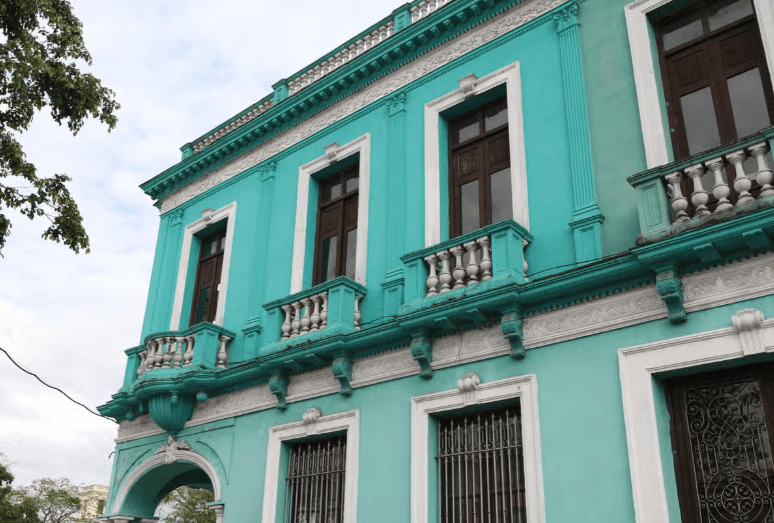
Cienfuegos: Colonial Elegance by the Caribbean
Trinidad: Colonial Streets, Music, and Cuban Atmosphere
Camagüey: Discover the City of Tinajones
Holguín: Artistic Heritage and a Different Side of Cuba
Experience Cuban Dance and the Island's Artistic Spirit
The Bay of Pigs: History Meets the Caribbean Landscape
Experience Cuba Through Casas Particulares
Meet Cuba Beyond the Tourist Surface
A Journey Through Cuban History
Cuba Through the Eyes of a Local Guide
A Balance Between Guided Discovery and Free Time
The Cuban Landscape: From Cities to Coastlines
Cuban Beaches and Time to Slow Down
Music: Feel the Rhythm of Cuba
Taste the Atmosphere of Everyday Cuba
The Beauty of a Slower Travel Experience
Designed for Curious Travelers
What Makes This Cuba Tour Different?
15 Days to See the Cuba You Have Imagined
Travel With Comfort While Staying Connected to Local Life
Prepare for a Tropical Cuban Adventure
A Journey for Memories, Not Just Checklists
Your Cuba Story Starts in Havana
Experience the Authentic Soul of Cuba
Your 15-Day Cuban Adventure Awaits
Cuba 15-Day Tour Itinerary: Explore Havana, Trinidad, Cienfuegos, Santa Clara, Camagüey & Beyond
A Complete 15-Day Cuba Journey from Havana
Day 1: Arrival in Havana – Welcome to Cuba
Your First Evening in Havana
Day 2: Discover Historic Havana
Explore Havana on Foot
Havana Beyond the Famous Landmarks
Day 3: Begin Your Journey Through Central Cuba
Santa Clara: Explore the Revolutionary History of Cuba
Understanding Santa Clara's Historical Importance
A Different Kind of Travel Experience
Cienfuegos: Discover Cuban Colonial Elegance
Walk Through the City
Photography in Cienfuegos
Bay of Pigs: A Place Where History Meets the Sea
Learn Through Place
Trinidad: Step Into Colonial Cuba
Explore Trinidad's Historic Streets
Trinidad After Sightseeing
Experience Cuban Music and Nightlife
Experience Cuba's Caribbean Coast
Camagüey: Discover the City of Tinajones
Why Camagüey Is Different
Explore With Curiosity
Holguín: Discover Cuba's Artistic Side
See Cuba Through Art
Visit a Local Ballet School
Discover the Discipline Behind Cuban Dance
Learn About Cuban Tobacco and Traditional Production
Stay in Traditional Casas Particulares
What Makes a Casa Particular Special?
Cultural Connection Beyond Sightseeing
Breakfast and Local Hospitality
A Journey Designed Around Cultural Connection
Free Time: Explore Cuba Your Way
How to Make the Most of Free Time
Why Choose an Organized Cuba Tour?
Travel With an Experienced English- and Spanish-Speaking Guide
What Is Included in the Cuba 15-Day Tour?
Airport Pickup
Internal Transportation
Accommodation
Meals
Professional Guide
Activities and Visits
What Is Not Covered?
How Much Does the Cuba 15-Day Tour Cost?
Booking Your Cuba Adventure
Pickup and Meeting Information
What to Pack for 15 Days in Cuba
Recommended Clothing
Comfortable Shoes
Sun Protection
Reusable Water Bottle
Insect Repellent
Cash for Personal Expenses
Practical Travel Tips for Your Cuba Adventure
1. Travel Light
2. Wear Comfortable Shoes Every Day
3. Keep Important Contact Information Accessible
4. Carry Some Cash
5. Protect Yourself From the Sun
6. Stay Flexible
7. Ask Questions
Who Is This Cuba Tour Best For?
History Lovers
Culture Enthusiasts
First-Time Visitors to Cuba
Couples
Solo Travelers
Photography Enthusiasts
Travelers Seeking Authentic Experiences
Why This Is More Than a Havana Vacation
Why 15 Days Is the Ideal Length for This Experience
The Emotional Journey: From Visitor to Traveler
Final Night in Havana: Reflect on the Journey
Your Cuba Story Does Not End at the Airport
Why Choose This 15-Day Cuba Tour?
A Complete Island Experience
Local Accommodation
Professional Guidance
Organized Transportation
Historic and Cultural Depth
Time to Explore Independently
A Balance of Learning and Relaxation
Book Your 15-Day Cuba Adventure
Start Your Cuban Adventure in Havana
Cuba 15-Day Tour FAQs & Final SEO Content Pack
Frequently Asked Questions About the Cuba 15-Day Tour
1. How long is the Cuba 15-Day Tour?
2. Where does the Cuba 15-Day Tour start?
3. Does the tour include airport pickup in Havana?
4. Is transportation included during the Cuba tour?
5. Where will I stay during the Cuba tour?
6. What are casas particulares in Cuba?
7. Is breakfast included?
8. Is lunch included on the Cuba 15-Day Tour?
9. Is dinner included?
10. Which destinations are included in the Cuba itinerary?
11. Does the tour visit Old Havana?
12. Does the Cuba tour include Santa Clara?
13. Does the tour visit the Bay of Pigs?
14. Does the tour include Trinidad?
15. Does the tour include Cienfuegos?
16. Does the Cuba tour include Camagüey?
17. Does the tour include Holguín?
18. Does the tour visit a Cuban ballet school?
19. Can I learn about Cuban tobacco production during the tour?
20. Is the Cuba 15-Day Tour suitable for seniors?
21. Can children join the Cuba 15-Day Tour?
22. What should I wear on the Cuba tour?
23. What should I bring for the tour?
24. What happens if it rains during the tour?
25. Are bathrooms available during the tour?
26. Is there a professional guide?
27. Is the Cuba tour good for travelers interested in history?
28. Is the tour suitable for photography lovers?
29. How much does the Cuba 15-Day Tour cost?
30. How is the exact pickup time confirmed?
Nach Abschluss Ihrer Reservierung wird Sie unser Team einen Tag vor Ihrer Tour kontaktieren, um Ihre genaue Abholzeit am Hotel / Airbnb oder den Treffpunkt zu bestätigen.
Wenn Sie bei der Buchung einen Treffpunkt ausgewählt haben, beachten Sie bitte, dass Ihre Reservierung vollständig bestätigt ist — finden Sie sich einfach zur vereinbarten Zeit am gewählten Ort ein.
Bitte stellen Sie sicher, dass die bei der Buchung eingegebene WhatsApp-Nummer, Telefonnummer oder E-Mail-Adresse korrekt ist, damit wir Sie problemlos erreichen können.
Für Änderungen an Ihrer Reservierung, Fragen zum Wetter oder Sonderwünsche können Sie uns gerne kontaktieren:
Wir freuen uns darauf, Sie begrüßen zu dürfen! 🌴✨