"First Lady" Private Snorkel & El Cielo Sandbar Combo
5.0(73)
From$899
"First Lady" Private Snorkel & El Cielo Sandbar Combo
5.0 (73)
From$899per person
Explore Little Havana on a private 5-hour Cuban culture tour with local guides, museums, cigars, Cuban food, art, music, and Domino Park in Miami.
Miami is famous for its beaches, skyscrapers, nightlife, and glamorous atmosphere, but some of the city's most meaningful stories are found away from the waterfront. Along the colorful streets of Little Havana, Cuban traditions, memories, music, food, art, and community life have created one of Miami's most distinctive cultural neighborhoods.
The Little Havana Tour Private Cuban Podcaster Art, Museums, Music offers an immersive way to experience that culture through the perspective of a local Cuban expert. Rather than simply checking famous landmarks off a sightseeing list, this private experience invites you to slow down, listen to personal stories, taste traditional flavors, discover local art, and understand the history behind the streets of Calle Ocho.
Over approximately five hours, travelers can explore the cultural character of Little Havana through a combination of history, food, music, visual art, cigar traditions, museums, neighborhood landmarks, and authentic local encounters. The experience is designed for travelers who want more than photographs. It is for visitors who want context, connection, and a deeper understanding of the Cuban-American experience in Miami.
Your professional local Cuban guide brings the neighborhood to life through stories that connect the places you visit with the people and events that shaped them. The result is a private Miami cultural experience that feels personal, educational, flavorful, and distinctly different from a conventional sightseeing excursion.
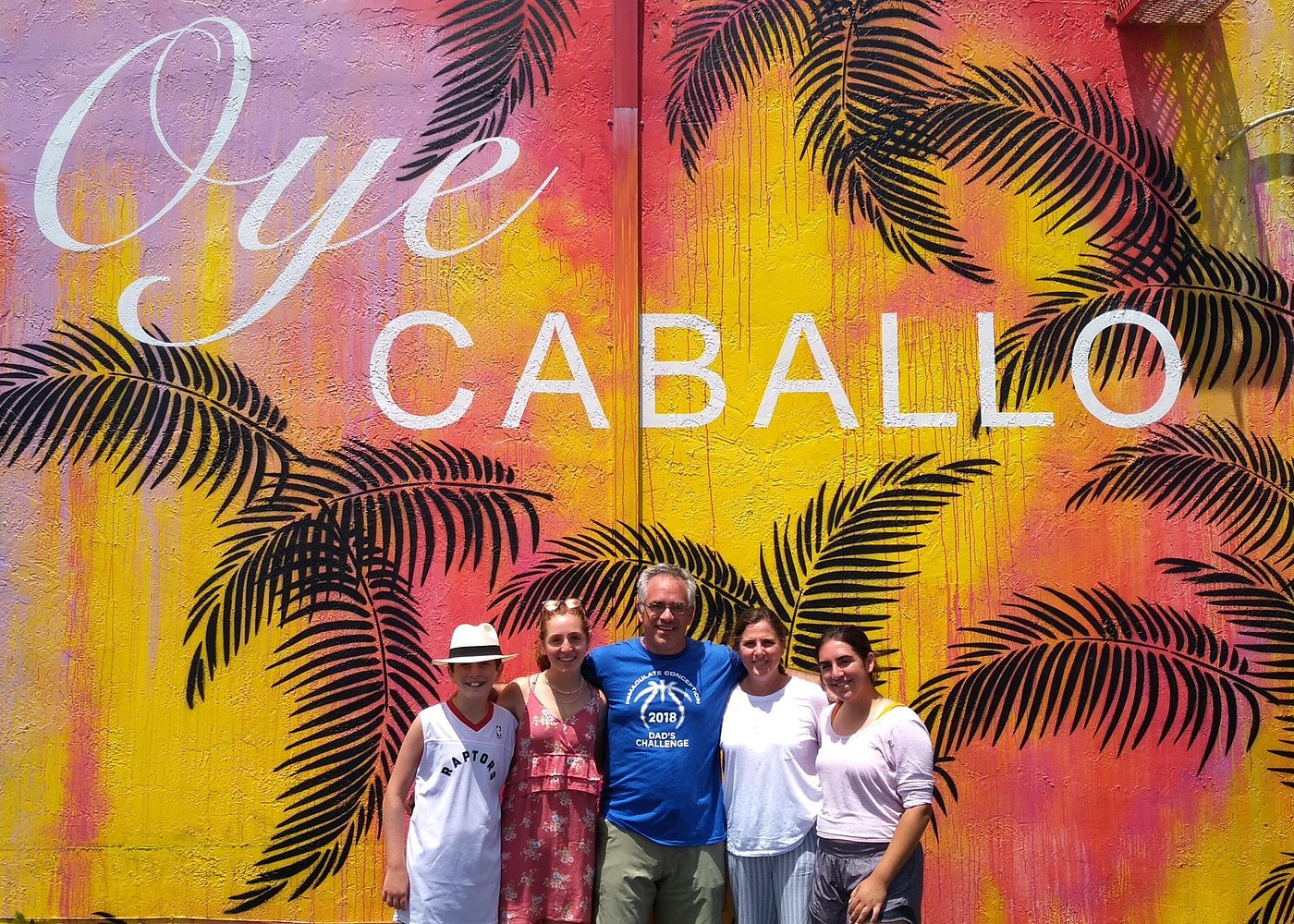
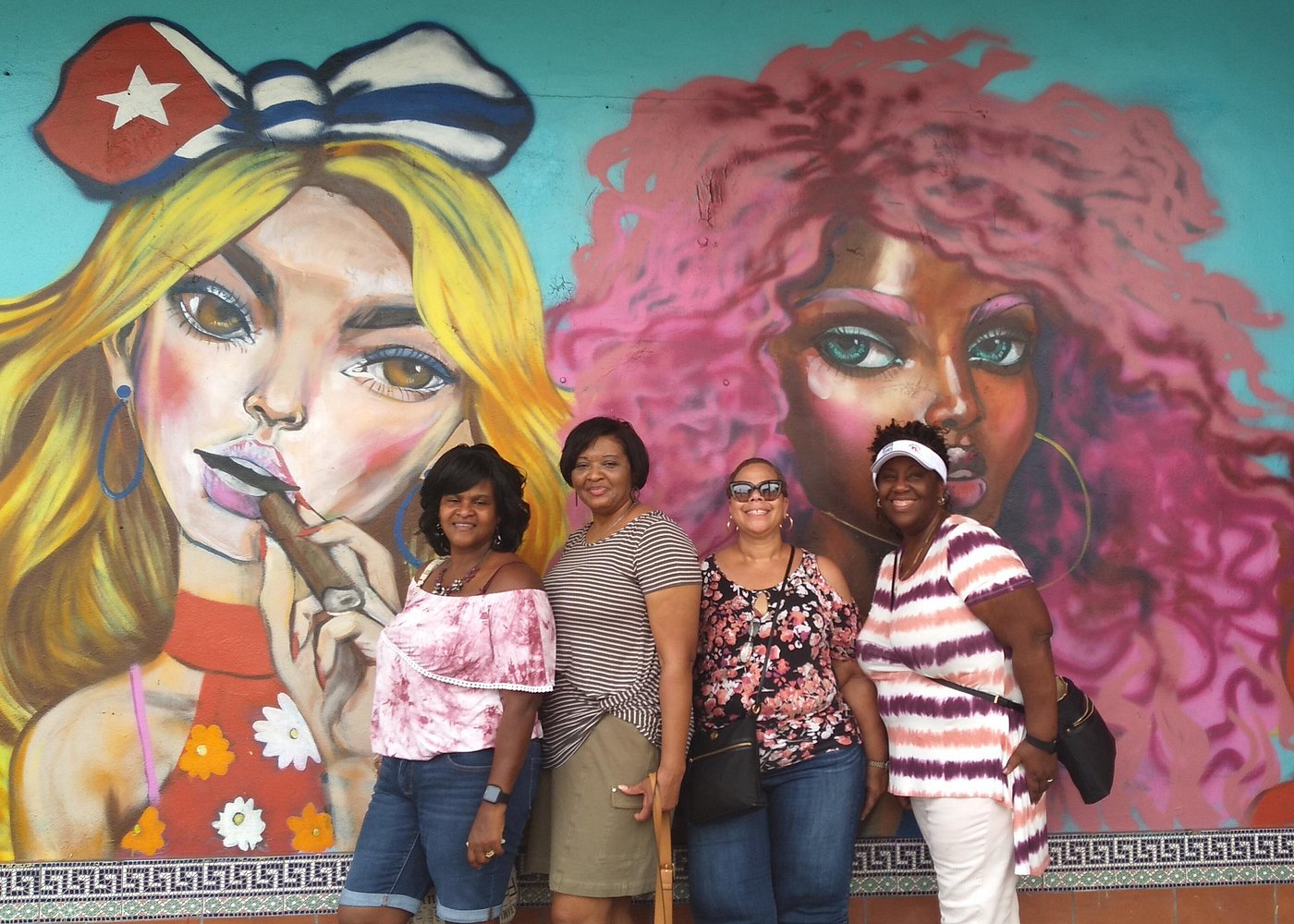
From the moment you arrive in the Little Havana area, you begin to notice that this is not simply another Miami neighborhood. Spanish conversations spill onto the sidewalks. Cuban music drifts through open doors. Colorful murals transform ordinary walls into works of art. Cafés serve strong Cuban coffee. Restaurants and bakeries preserve recipes passed down through generations. Domino players gather around tables, while cigar rollers continue an artisanal tradition closely associated with Cuban heritage.
This is Little Havana as a living community.
And this private tour gives you the opportunity to experience it with someone who can explain what you are seeing rather than simply pointing it out.
Little Havana occupies a special place in the cultural story of Miami. The neighborhood became a major center of Cuban-American life as Cuban immigrants established businesses, homes, cultural institutions, restaurants, social clubs, and artistic communities in the area.
For visitors, understanding that history adds another dimension to every street and landmark.
Calle Ocho, or Southwest 8th Street, is more than a recognizable Miami avenue. It has become an enduring symbol of Cuban culture in South Florida. Walking along Calle Ocho allows travelers to see how language, cuisine, music, religion, art, political history, and family traditions have influenced the identity of the neighborhood.
Your guide helps connect these visible elements to the larger Cuban-American story.
Instead of hearing only dates and names, you can learn why certain traditions remain important, how migration influenced Miami, and how generations of Cuban Americans have maintained cultural connections while building new lives in the United States.
The private format makes this especially valuable. You are not simply following a large group from one attraction to another. You have the opportunity to ask questions, pause when something catches your attention, and engage directly with your guide.
If a particular story interests you, you can explore it further.
If you want to understand the significance of a mural, museum exhibit, cigar tradition, or neighborhood landmark, you can ask.
If you are curious about Cuban food, music, migration, or everyday life in Little Havana, your guide can provide additional context.
That flexibility transforms the tour from a sightseeing route into a personal cultural conversation.
Travelers often come to Miami expecting beaches and sunshine. Little Havana reveals another side of the city.
Here, the atmosphere is energetic without being defined by luxury. The neighborhood is shaped by community, creativity, heritage, and everyday life.
A walk through Little Havana can introduce you to several generations of cultural influences within a relatively compact area. Historic businesses sit beside modern galleries. Traditional food is served alongside contemporary interpretations of Cuban cuisine. Music venues preserve familiar rhythms while artists create new expressions of identity.
That mixture is what makes the neighborhood so fascinating.
The Little Havana private tour is an opportunity to experience this environment with a knowledgeable guide who can distinguish between what is simply visually interesting and what carries genuine cultural significance.
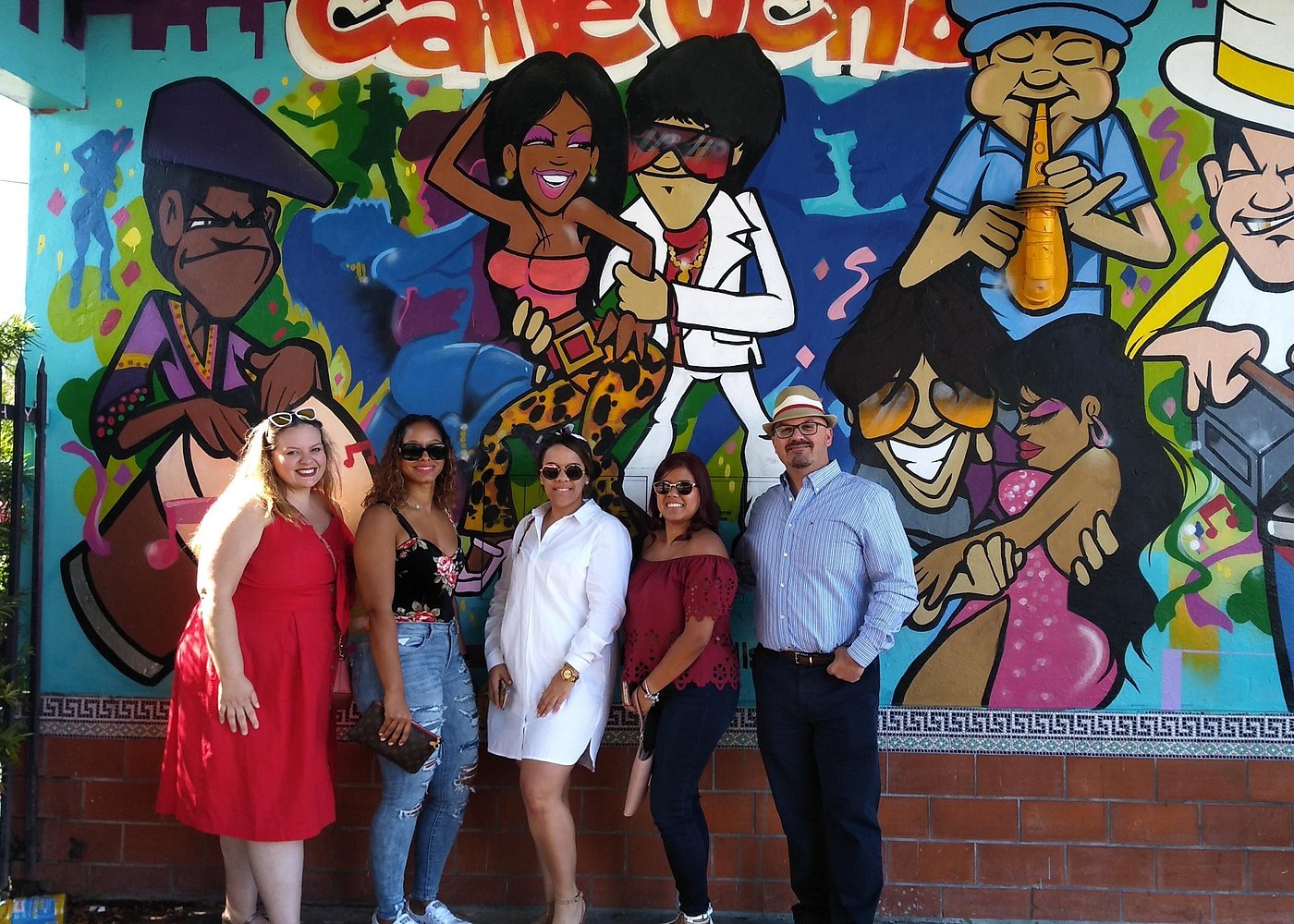
You might notice a colorful mural, hear music coming from a nearby venue, see cigar makers working by hand, or watch a group of domino players concentrating on their game. On the surface, these may look like isolated attractions.
Your guide helps reveal the stories behind them.
The experience becomes less about simply seeing Little Havana and more about understanding why Little Havana matters.
One of the strongest features of this experience is the opportunity to explore Little Havana with a professional Cuban guide.
A knowledgeable local guide can add layers of meaning that are difficult to obtain from a guidebook or self-guided walk. Cultural traditions often contain details that are easy to miss when you are visiting independently.
A particular food may have a family history.
A song may carry memories of another generation.
A museum exhibit may represent a complicated period in Cuban history.
A cigar-making technique may reflect an artisan tradition that has been passed from one generation to another.
A simple gathering at Domino Park may reveal how recreation and community became intertwined.
These details are what make cultural travel memorable.
The guide's role is not simply to move you from one stop to the next. The guide helps interpret the neighborhood and encourages you to engage with it.
For travelers who enjoy asking questions, learning through conversation, and understanding destinations from a local perspective, this private format can make the experience particularly rewarding.
No Little Havana experience is complete without exploring Calle Ocho.
The famous street is one of the defining symbols of Miami's Cuban culture and provides an ideal introduction to the neighborhood's atmosphere.
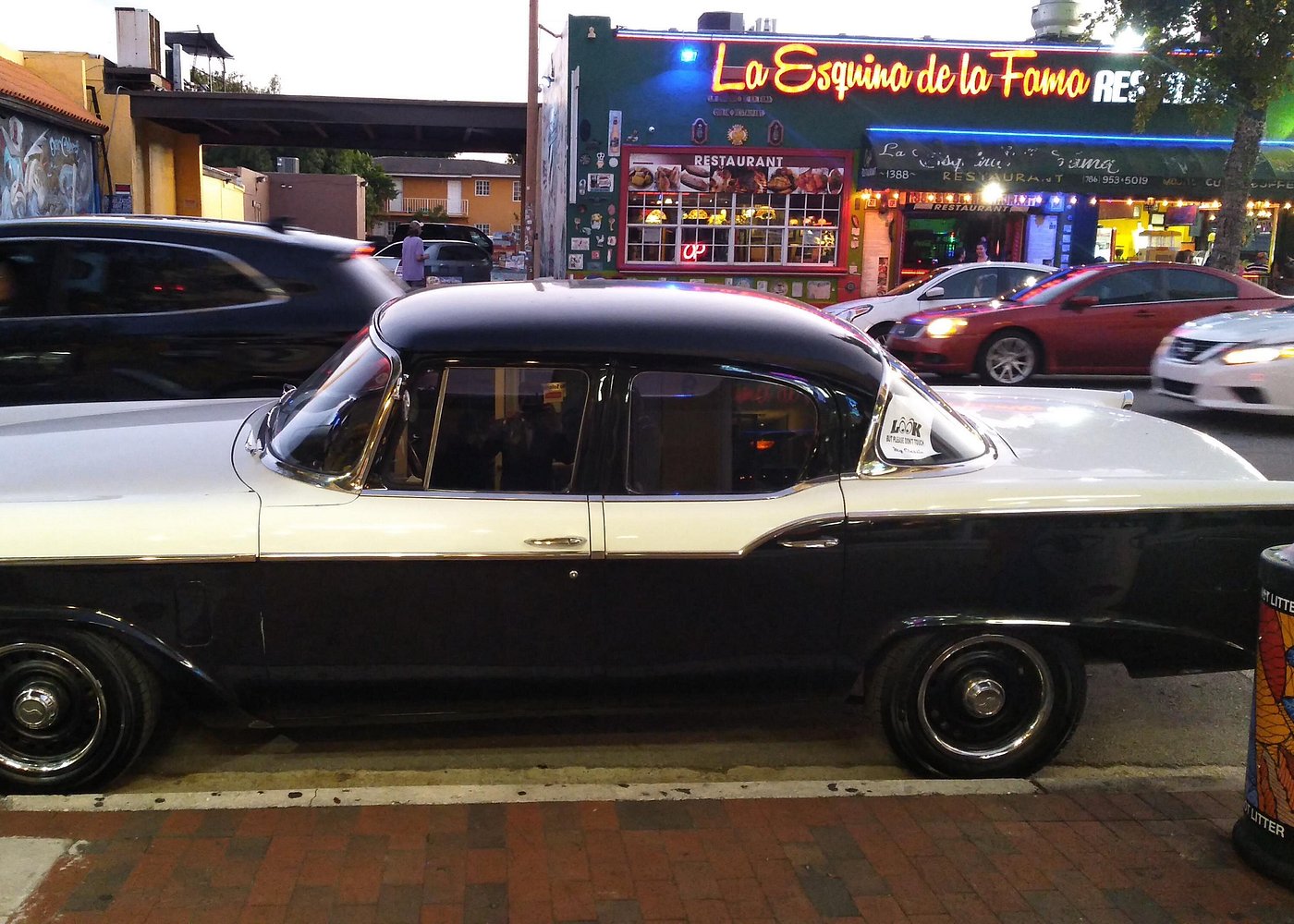
As you walk through the area, the surroundings create a constant stream of visual and sensory experiences. Bright colors, murals, storefronts, cafés, restaurants, music, historic references, and cultural symbols appear throughout the neighborhood.
But Calle Ocho is not simply a backdrop for photographs.
It is a place where culture continues to be practiced in everyday life.
Your guide can help you understand the historical and social significance of the area while pointing out details you might otherwise overlook.
The walking experience also gives you time to appreciate the neighborhood at a human pace. Instead of viewing Little Havana through a vehicle window, you can experience its sounds, smells, textures, and conversations directly.
This is particularly important for travelers interested in authentic cultural tourism.
You are not merely observing Miami.
You are walking through one of the communities that has helped define it.
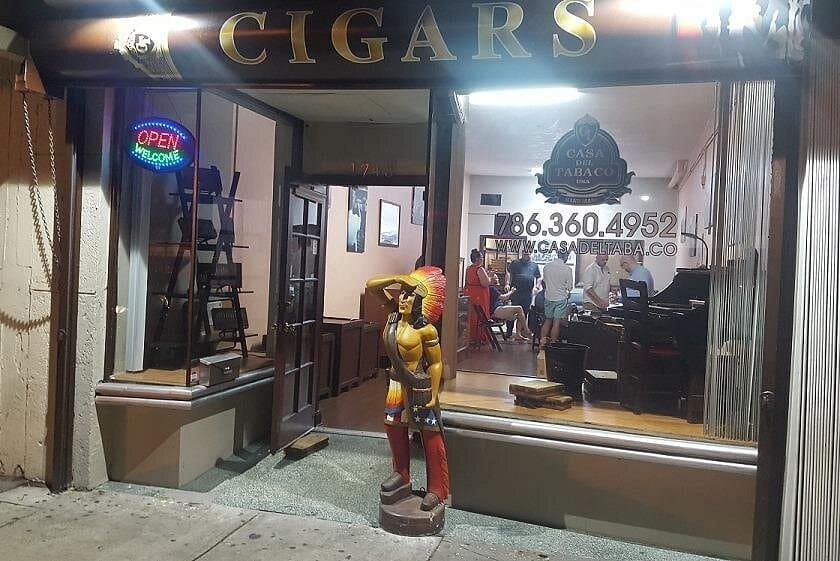
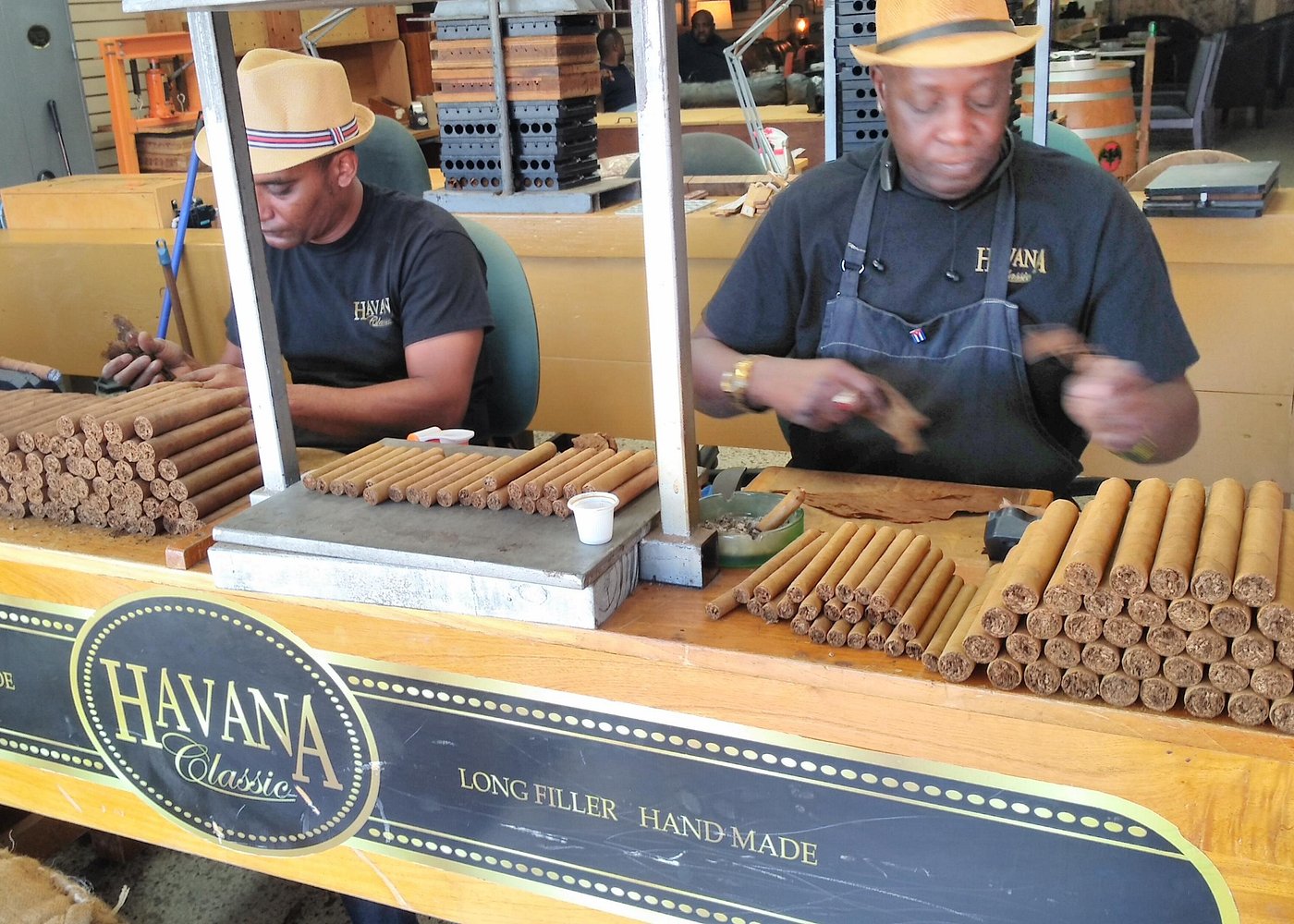
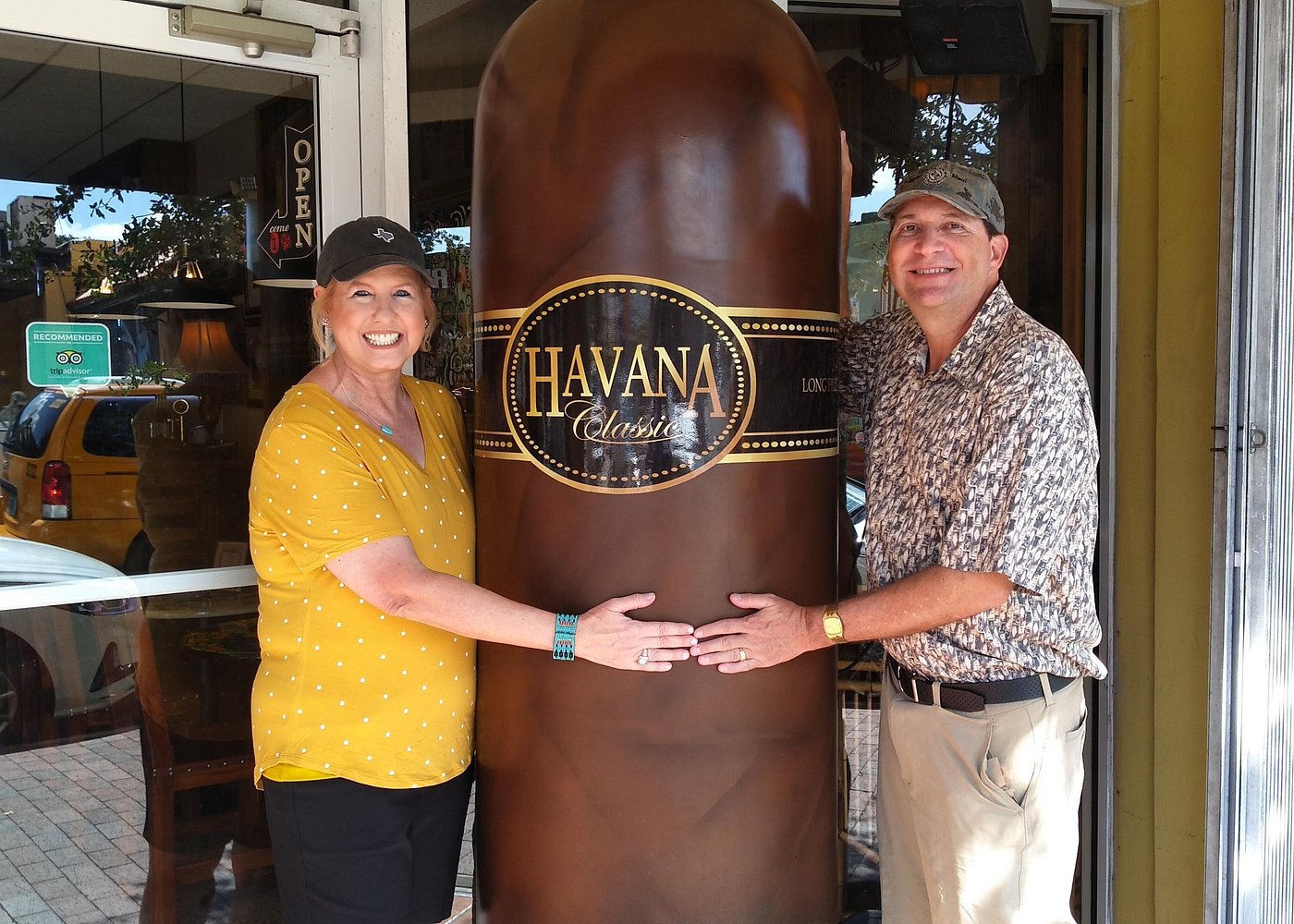
Cuban cigar culture is one of the most recognizable elements of the neighborhood's identity, and the tour includes a visit to a Little Havana cigar factory.
Here, travelers can witness the traditional craft of hand-rolling cigars and learn more about the cultural significance of cigar making.
Cigar production involves patience, precision, and craftsmanship. Watching an experienced artisan work by hand provides an opportunity to appreciate the process rather than simply seeing a finished product.
The cigar tradition also offers a window into the broader history of Cuban culture.
For many visitors, this is one of the most memorable stops because it combines craftsmanship, history, and visual interest in a single experience.
You can observe the techniques used by skilled rollers and learn why cigar making became so closely connected with Cuban identity.
The experience is especially valuable for travelers who enjoy seeing traditional crafts practiced in real-world settings.
Rather than purchasing a souvenir without context, you gain an understanding of the cultural tradition behind one of Cuba's most internationally recognized products.
History plays a central role in understanding the Cuban-American experience, and the Bay of Pigs Museum provides an opportunity to explore an important chapter in that story.
The Bay of Pigs invasion remains a significant and complex event in Cuban and American history. Its consequences extended far beyond the military operation itself, influencing political relationships, migration, identity, and the experiences of Cuban communities in the United States.
Visiting the museum as part of a guided cultural experience gives travelers the opportunity to place the neighborhood within a broader historical context.
Instead of treating Little Havana solely as a food-and-music destination, the tour acknowledges the political and social forces that helped shape the community.
For travelers who are interested in history, this can be one of the most meaningful portions of the experience.
The museum visit also reinforces an important idea: Little Havana is not simply a themed neighborhood created for visitors. Its cultural identity is connected to real migration stories, personal experiences, political events, and generations of Cuban-American life.
Your guide can help you understand these connections as you move through the neighborhood.
Art provides another important lens through which to understand Little Havana.
A visit to Cubaocho Museum and Performing Arts Center introduces travelers to Cuban artistic and cultural expression in a setting that reflects the creative energy of the neighborhood.
Art can communicate aspects of history and identity that are difficult to express through traditional historical accounts alone.
Paintings, exhibitions, performances, colors, symbols, and artistic styles can reveal how Cuban culture has evolved across generations and geographic borders.
For travelers who enjoy museums and galleries, this stop adds depth to the walking experience.
For those who may not normally visit museums, the setting can provide a different way to understand the neighborhood.
The combination of art and history is one of the strengths of this Little Havana experience because it demonstrates that Cuban heritage is not preserved in only one form.
It exists in food.
It exists in music.
It exists in craftsmanship.
It exists in stories.
And it exists in art.
Domino Park is one of the most recognizable community gathering places in Little Havana.
Known officially as Máximo Gómez Park, the space has long been associated with domino players and neighborhood social life.
For visitors, seeing the park in person provides a glimpse into an everyday tradition that has become an iconic part of Little Havana's identity.
Dominoes may seem like a simple game, but in this setting they represent much more than recreation. The tables provide a place where people gather, socialize, compete, talk, and maintain a sense of community.
Your guide can explain the importance of the tradition and help you understand why the park has become such a recognizable symbol of the neighborhood.
This is an example of what makes cultural travel powerful.
You are not simply looking at a landmark.
You are observing a social tradition.
You are seeing how community life unfolds.
You are gaining a small but meaningful glimpse into the rhythm of the neighborhood.
For photographers, Domino Park can also provide memorable images of everyday Little Havana life.
Food is one of the most enjoyable ways to understand a culture, and Cuban cuisine is central to the Little Havana experience.
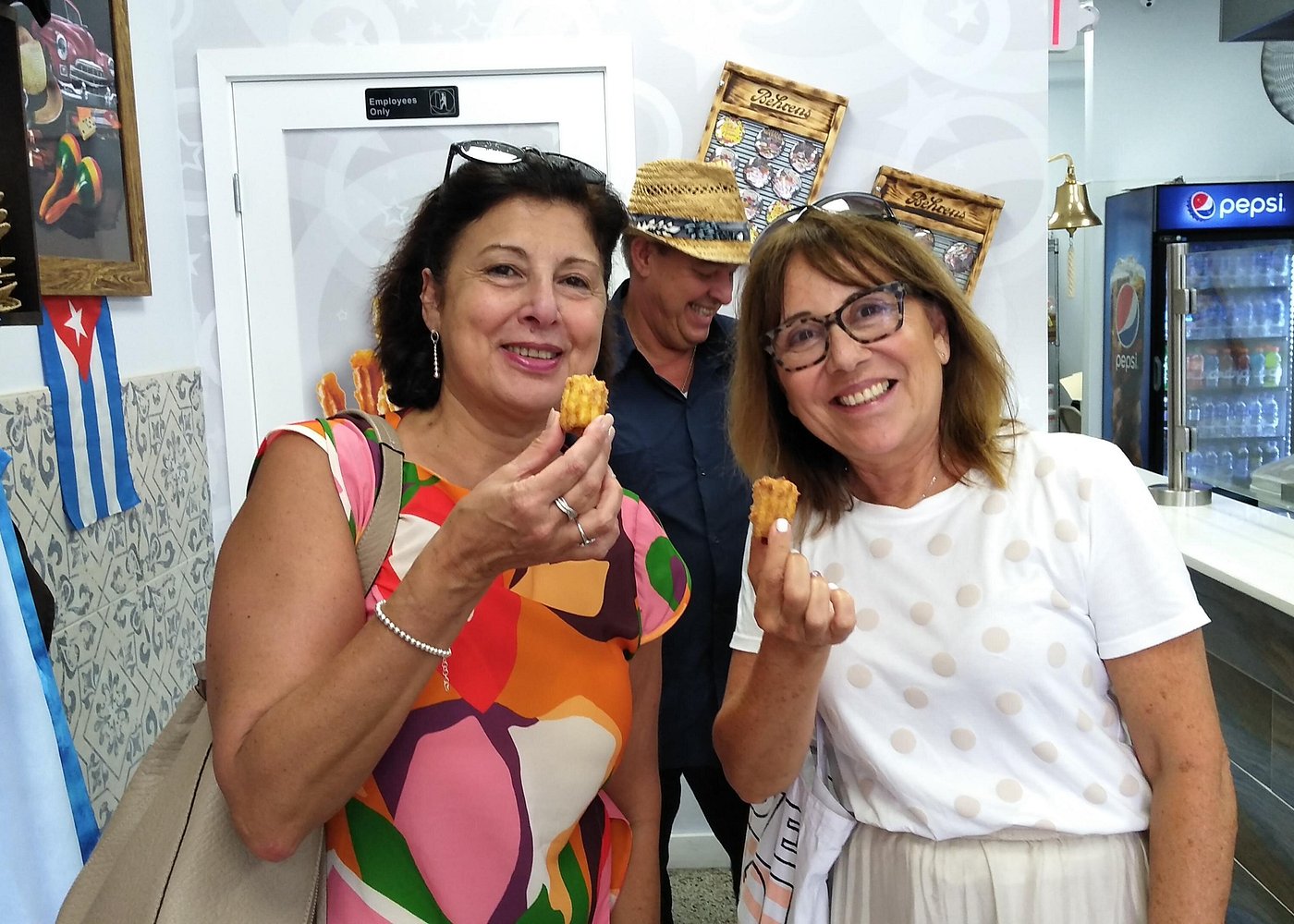
The tour includes food tastings, including a traditional Cuban sandwich, allowing travelers to experience flavors that have become an important part of Miami's culinary identity.
A Cuban sandwich brings together several familiar ingredients in a distinctive combination, creating a simple but deeply recognizable example of Cuban-influenced food culture in Miami.
But the importance of the food extends beyond the sandwich itself.
Cuban cuisine carries stories of migration, family traditions, local ingredients, adaptation, and cultural continuity.
Food can tell you where people came from and how traditions changed after arriving somewhere new.
That is particularly true in Little Havana, where generations of Cuban families have helped establish a culinary culture that has become an essential part of Miami.
During the tour, food is not treated as an isolated activity.
It becomes part of the larger cultural journey.
As you taste local specialties, your guide can help connect what you are eating with the neighborhood and the traditions that surround it.
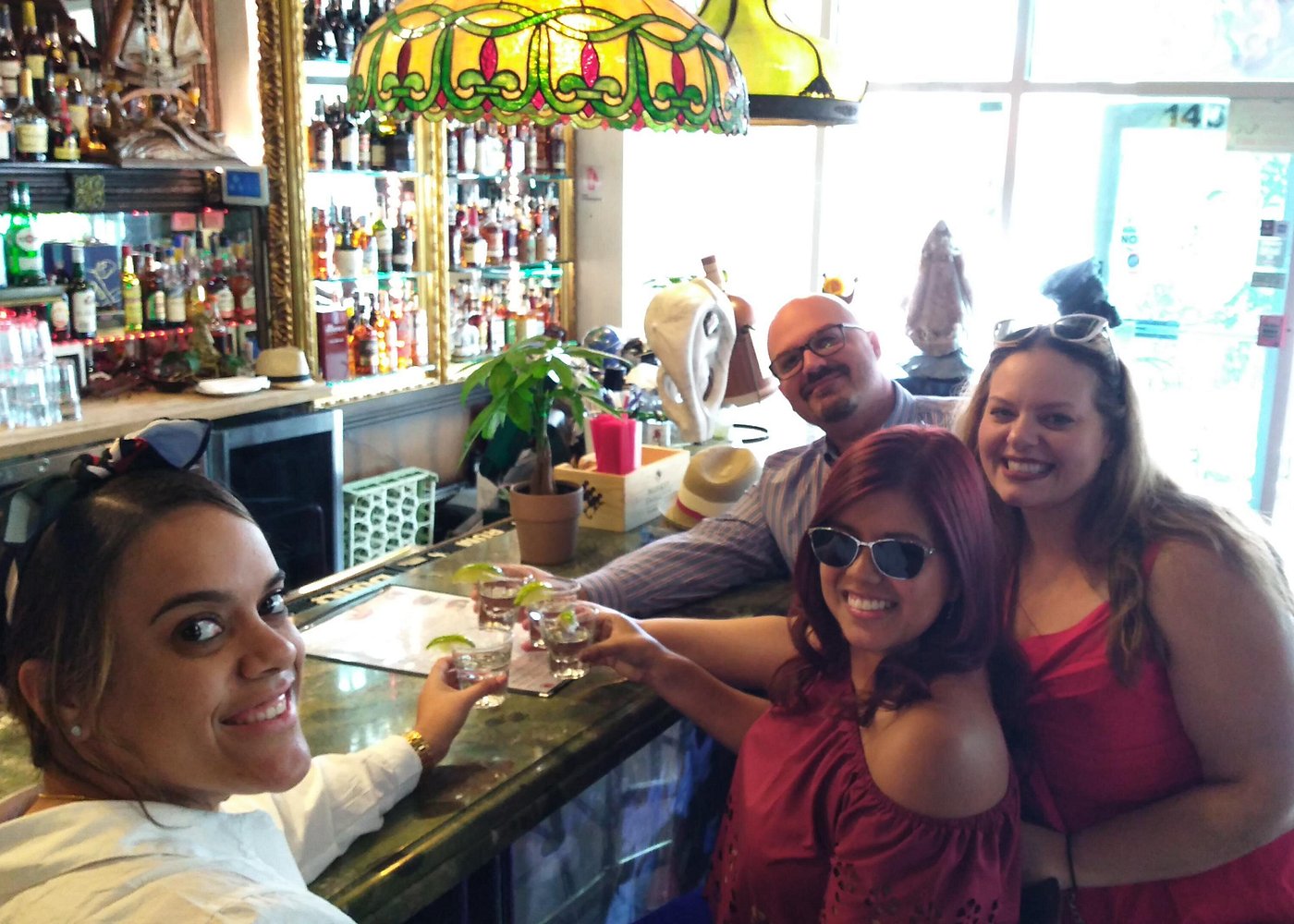
For guests aged 21 and over, the experience also includes refreshing mojitos.
The mojito is one of the beverages most closely associated with Cuban culture, and enjoying one during a Little Havana experience adds another sensory element to the journey.
Fresh, refreshing, and strongly connected with the Caribbean, the mojito complements the neighborhood's warm atmosphere and lively cultural character.
It also provides a natural opportunity to slow down and appreciate the experience.
After walking through historic streets, learning about Cuban heritage, exploring museums, and discovering local traditions, enjoying a classic Cuban-inspired drink can feel like a fitting part of the journey.
Guests under 21 can still enjoy the broader cultural experience without the alcoholic beverage component.
One of the most appealing aspects of a private Little Havana tour is the opportunity to go beyond a basic checklist of famous attractions.
A destination becomes more interesting when you understand how the individual places connect.
A bakery is not simply somewhere to buy food.
A mural is not simply a colorful wall.
A cigar factory is not simply a place to watch someone roll tobacco.
A museum is not simply another building to enter.
Domino Park is not simply a photo stop.
Together, they form a cultural story.
The experience is designed to help travelers see those connections.
You can move from history to food, from art to music, from craftsmanship to community traditions, creating a more complete picture of Little Havana.
This approach is particularly useful for first-time visitors who want to make the most of their time in Miami.
Instead of spending hours researching which streets to explore, which cultural institutions to visit, and how the different landmarks relate to one another, you can experience them through a structured private journey.
Large group tours can be enjoyable, but they often limit how deeply travelers can engage with a guide.
A private tour offers a different experience.
Because the tour is designed exclusively for your group, the atmosphere can feel more relaxed and personal. You have greater freedom to ask questions, engage in conversation, and focus on the subjects that interest you most.
Perhaps you want to know more about Cuban migration.
Perhaps you are fascinated by cigar making.
Perhaps you want to understand the history of the Bay of Pigs.
Perhaps Cuban music is your main interest.
Perhaps you are a food lover who wants to learn more about Cuban cuisine.
The private format allows the experience to become more conversational.
This is especially valuable for travelers who prefer meaningful cultural encounters instead of scripted sightseeing.
Your guide can provide information, but the real value comes from the interaction between traveler and local expert.
Questions lead to stories.
Stories lead to context.
Context leads to a deeper appreciation of the destination.
That is the difference between simply visiting Little Havana and truly experiencing it.
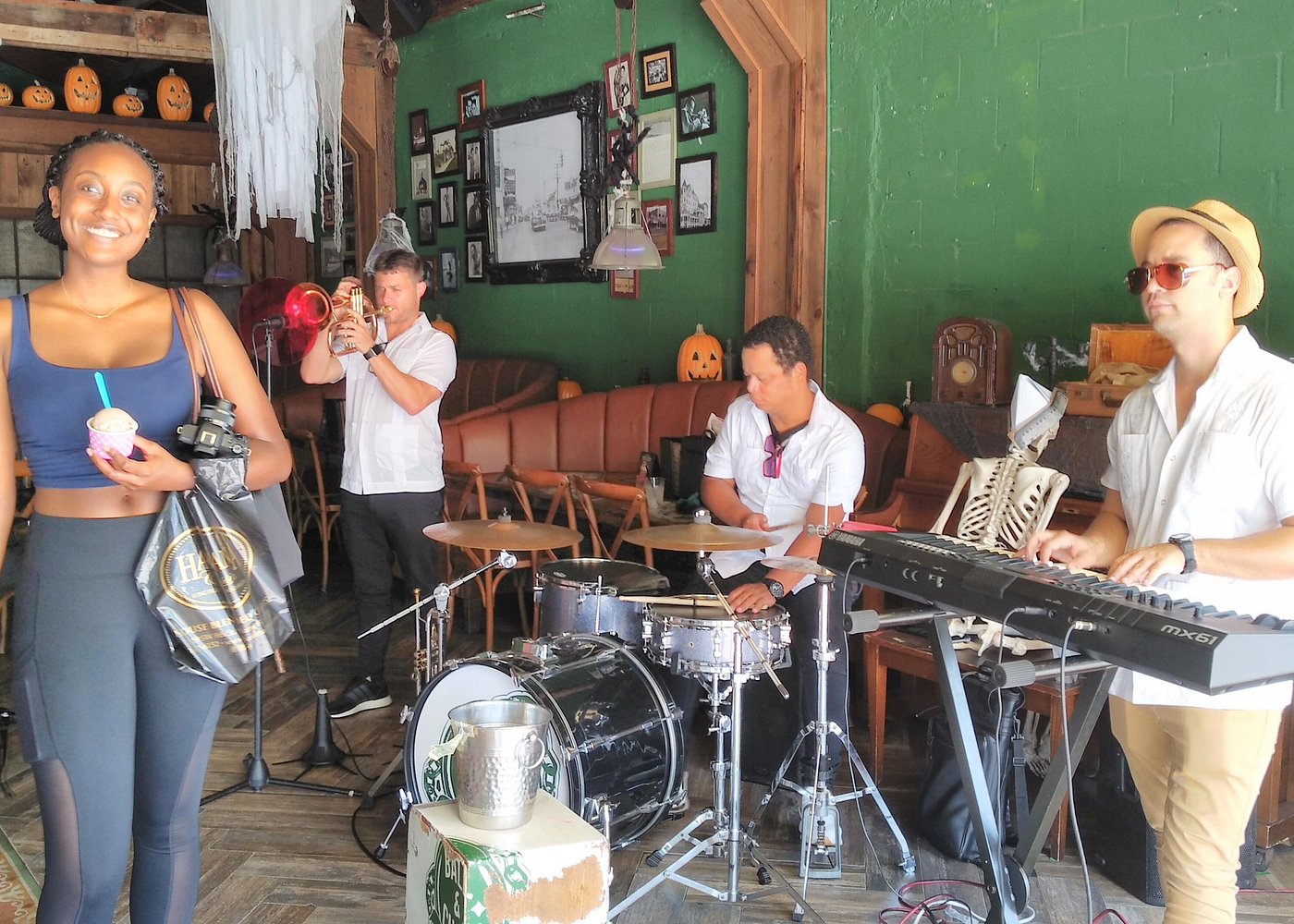
Music is one of the defining elements of Cuban culture, and the sounds of Little Havana help create the neighborhood's unmistakable atmosphere.
Traditional Cuban rhythms such as salsa and son have played a major role in the cultural identity of the community.
Music connects generations and provides another way for cultural traditions to remain visible and relevant.
During your exploration, you may encounter the sounds of Cuban music in venues, cafés, or along the neighborhood's lively streets.
The tour's focus on music adds another sensory layer to the experience.
You are walking through a historic community while hearing rhythms that reflect the region's cultural heritage.
For music lovers, this can become one of the highlights of the entire tour.
For travelers unfamiliar with Cuban music, it offers an introduction to an important part of the culture.
Little Havana is filled with visual details that make it one of Miami's most distinctive neighborhoods.
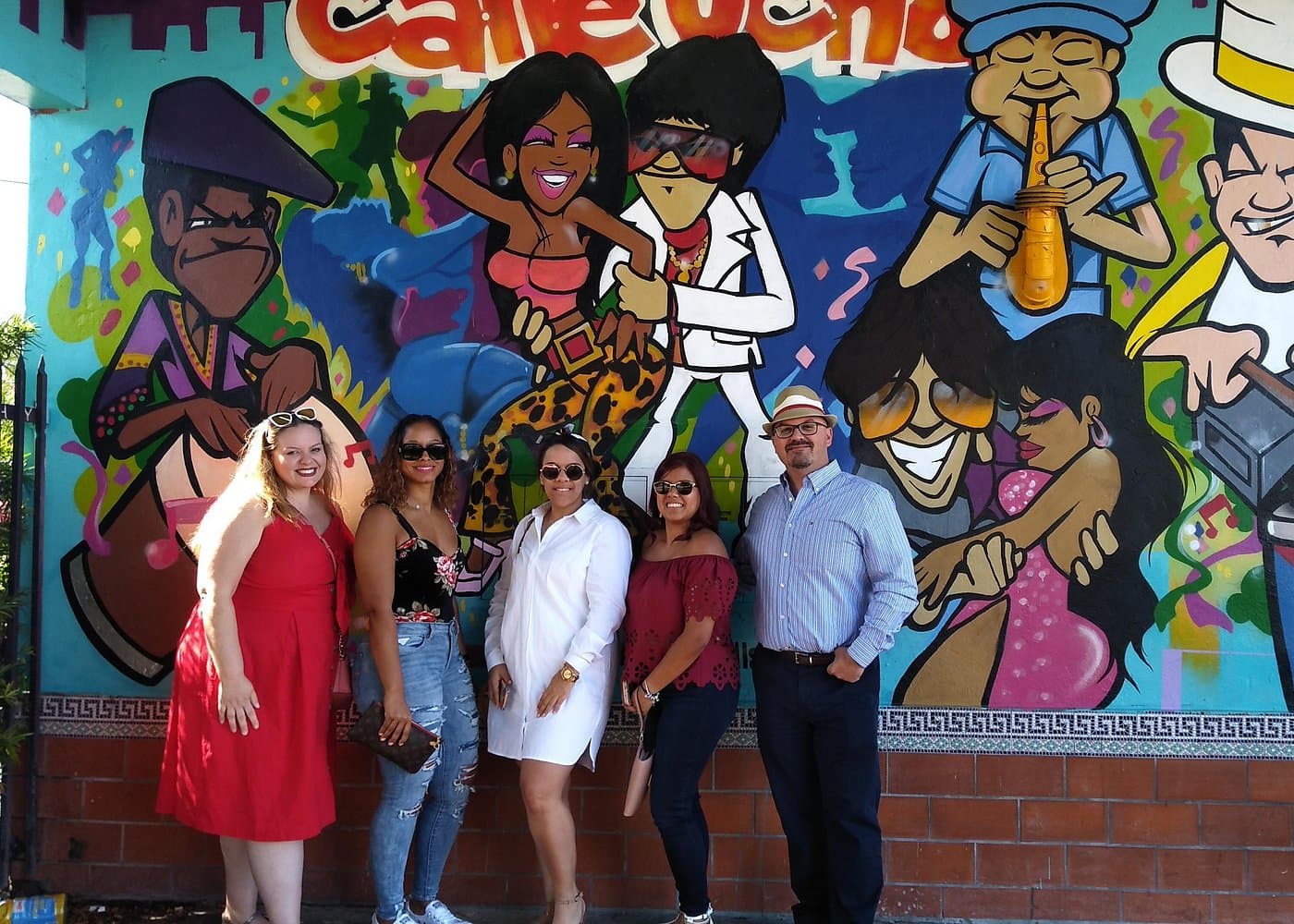
Among them are colorful public artworks, murals, cultural symbols, historic storefronts, and artistic spaces.
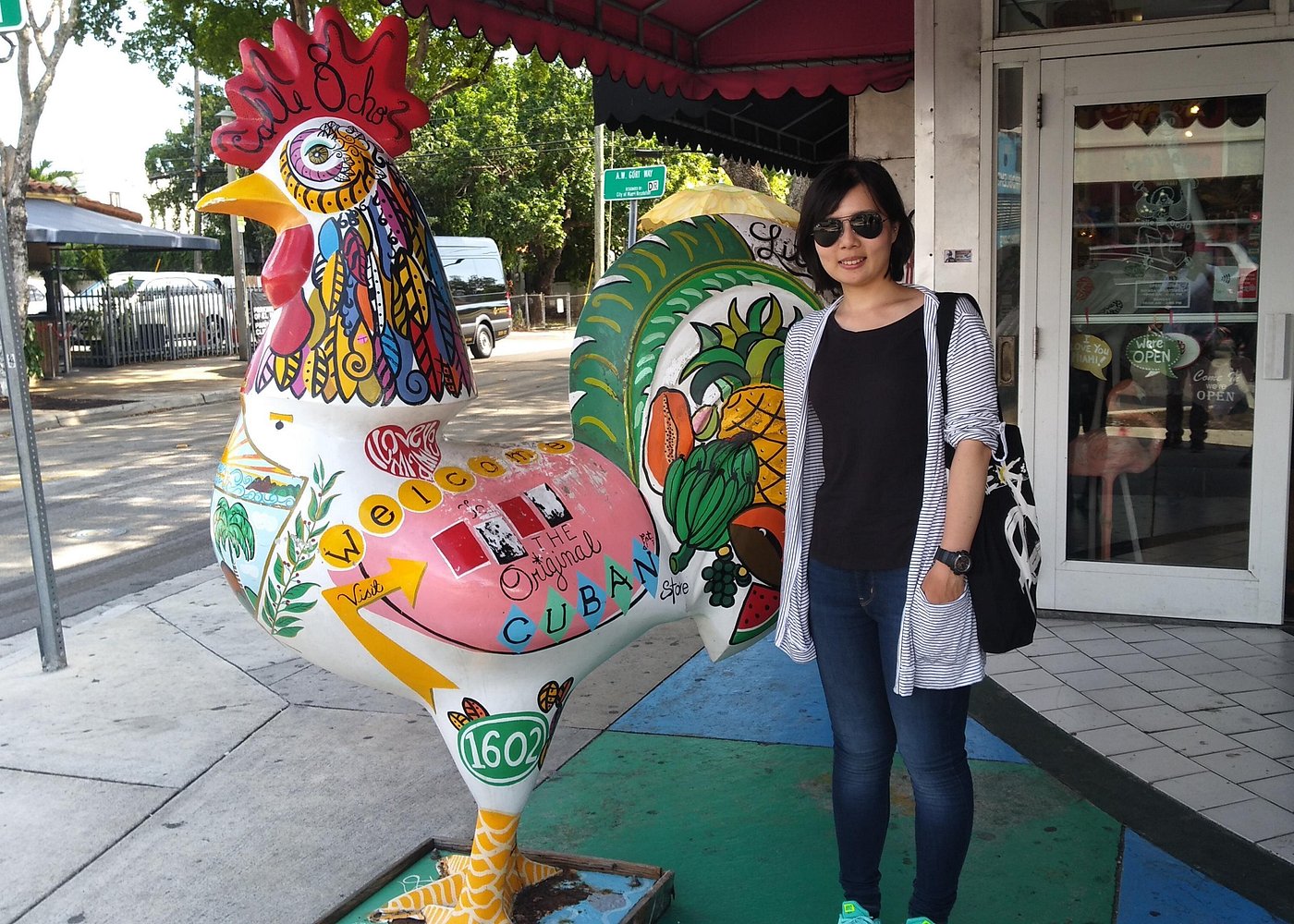
Rooster Alley is one of the places that can capture this visual character particularly well.
Roosters have become strongly associated with Cuban symbolism in the neighborhood, and artistic representations of them appear throughout Little Havana.
Walking through these colorful spaces provides excellent opportunities for photographs while also revealing how public art can communicate cultural identity.
A private guide can help explain the meaning behind these visual elements instead of leaving travelers to interpret everything independently.
For photographers and social media travelers, the neighborhood offers countless opportunities to capture colorful and authentic Miami moments.
But the strongest photographs are often the ones accompanied by a story.
Knowing what you are looking at makes the image more meaningful.
There is an important difference between visiting a destination and experiencing it.
You can take a photograph of Calle Ocho in a few seconds.
You can walk past Domino Park without knowing why it matters.
You can see a cigar roller working without understanding the tradition.
You can enter a museum without understanding the historical context.
You can order a Cuban sandwich without knowing how food became part of the neighborhood's cultural identity.
A guided cultural experience changes that.
Instead of collecting isolated sights, you build a narrative.
You begin to understand how Cuban heritage became part of Miami.
You learn why Little Havana continues to matter.
You hear stories that connect historical events to contemporary community life.
And you leave with memories that go beyond photographs.
That is the central appeal of this private Little Havana experience.
From start to finish, the tour engages more than one sense.
You see colorful murals and cultural artwork.
You hear Cuban music and the lively conversations of the neighborhood.
You smell traditional food and freshly prepared local specialties.
You taste Cuban flavors and, for eligible guests, a refreshing mojito.
You observe the craftsmanship of cigar rolling.
You listen to stories about migration, history, and identity.
This combination creates a rich travel experience.
Rather than spending five hours simply walking from one attraction to another, you experience Little Havana as a living environment.
The neighborhood becomes a story told through food, sound, art, people, history, and tradition.
This tour is particularly appealing to travelers who want to explore a side of Miami that cannot be fully captured by beach visits or conventional city sightseeing.
It is an excellent option for:
Because the experience combines several interests in one journey, it can appeal to travelers with very different reasons for visiting Miami.
You do not have to be a history expert.
You do not have to know anything about Cuban cuisine.
You do not have to be familiar with Cuban music.
You simply need curiosity.
Your guide provides the context.
The neighborhood provides the atmosphere.
And the experience brings the two together.
Learning about history while traveling can sometimes feel overly formal.
This experience takes a more immersive approach.
Instead of sitting in a classroom, you learn while walking through the actual neighborhood where the cultural story unfolded.
Instead of reading only about Cuban traditions, you see them being practiced.
Instead of studying food from a distance, you taste it.
Instead of looking at photographs of cigar makers, you can watch the craft being performed.
Instead of reading about community traditions, you can visit places where those traditions remain visible.
This makes the learning experience natural.
The information is connected to places, people, sounds, flavors, and experiences.
As a result, the history of Little Havana can become easier to remember because you are encountering it through real surroundings.
One of the most important qualities of cultural tourism is the opportunity to understand that history is rarely one-dimensional.
The Cuban-American experience includes migration, political change, family separation, cultural adaptation, entrepreneurship, artistic expression, and the preservation of traditions across generations.
Little Havana reflects many of these themes.
The Bay of Pigs Museum offers historical context.
Cultural institutions preserve artistic traditions.
Restaurants and bakeries keep culinary traditions alive.
Music venues maintain cultural rhythms.
Domino Park represents community interaction.
Cigar factories preserve craftsmanship.
The streets themselves reveal how Cuban heritage has become part of Miami's identity.
By experiencing these different elements together, travelers can develop a broader understanding of the neighborhood.
This is what makes the tour especially valuable for culturally curious visitors.
A Miami vacation can easily become centered around beaches, restaurants, shopping, and nightlife.
Those experiences can be enjoyable, but adding a cultural exploration of Little Havana gives your trip another dimension.
Years later, travelers may remember a particular story told by their guide, the aroma of Cuban coffee, the sight of an artisan rolling a cigar, the sounds of music along Calle Ocho, a colorful mural, or the first bite of an authentic Cuban sandwich.
These moments become personal travel memories.
The best cultural experiences often work this way.
They do not feel like a list of attractions.
They feel like a story you participated in.
For couples, the private format provides an opportunity to explore Little Havana at a comfortable pace while sharing a cultural experience together.
Instead of being separated from the guide by a large crowd, couples can engage directly and ask questions that reflect their interests.
Friends and families can enjoy the same benefit.
A private group can discuss what it sees, ask questions together, and create a shared experience without having to follow the interests or pace of strangers.
This makes the tour particularly suitable for travelers celebrating a special occasion or simply looking for something memorable to do during a Miami stay.
Because the tour explores Little Havana on foot, comfortable walking shoes are strongly recommended.
Walking is one of the best ways to experience the neighborhood because it allows you to notice details that can easily be missed from a vehicle.
You can pause to look at artwork.
You can hear music more clearly.
You can appreciate architectural details.
You can observe local businesses.
You can experience the atmosphere of Calle Ocho at street level.
Miami's sunshine can also be strong, so travelers should consider bringing sun protection such as a hat or sunscreen.
A camera or smartphone is recommended for capturing the colorful surroundings and memorable moments throughout the tour.
Bringing a little cash for optional gratuities is also practical.
Most importantly, bring curiosity and an appetite for Cuban culture.
The listed meeting point for this GoBookingAdventures experience is Guantanamera, 1465 SW 8th St, Miami, FL 33135, USA.
Starting in the heart of Little Havana places you immediately within the cultural environment you are about to explore.
Rather than spending the beginning of your tour traveling away from the neighborhood, you can begin close to the streets, businesses, cultural spaces, and landmarks that make Little Havana famous.
Before setting out, travelers should confirm their booking details and meeting instructions so they can arrive prepared and on time.
Once the experience begins, the streets of Little Havana become your setting.
The approximately five-hour duration provides enough time to experience multiple dimensions of the neighborhood without reducing the visit to a rushed checklist.
Cultural travel requires time.
You need time to listen.
Time to walk.
Time to ask questions.
Time to appreciate food.
Time to look at art.
Time to understand history.
Time to observe everyday community life.
The extended format gives travelers the opportunity to move beyond a quick introduction and develop a stronger connection with Little Havana.
This is particularly useful for visitors who have only limited time in Miami but want to make one of their sightseeing days count.
Instead of booking several separate activities, this private experience brings history, food, art, music, and culture together.
The appeal of this experience comes from its combination of elements.
It is private.
It is guided by a local Cuban expert.
It explores history and culture.
It includes food tasting.
It introduces traditional cigar craftsmanship.
It visits museums and cultural spaces.
It includes iconic neighborhood landmarks.
It provides opportunities to experience Cuban music and atmosphere.
And it encourages travelers to engage with the destination rather than simply photograph it.
That combination makes the experience particularly suitable for travelers searching for an authentic Little Havana tour, private Miami cultural tour, Cuban heritage tour in Miami, or Little Havana food and history experience.
Instead of focusing on a single theme, the tour creates a broader cultural portrait.
At the end of the experience, Little Havana is likely to feel different from when you first arrived.
You may recognize the significance of Calle Ocho.
You may understand why Domino Park matters to the community.
You may have a new appreciation for the craftsmanship behind Cuban cigars.
You may better understand the historical events that shaped Cuban-American identity.
You may discover new Cuban foods and flavors.
You may recognize the cultural meaning behind artwork and neighborhood symbols.
Most importantly, you will have spent time listening to a local perspective.
That personal connection can be the most valuable souvenir of all.
A map can tell you where Little Havana is.
A search engine can tell you which attractions are popular.
A photograph can show you what Calle Ocho looks like.
But none of these can fully explain what the neighborhood means to the people who have shaped it.
That is where a knowledgeable local guide makes a difference.
The Little Havana Tour Private Cuban Podcaster Art, Museums, Music is designed to take travelers beyond surface-level sightseeing and into the cultural story of one of Miami's most recognizable communities.
You will encounter history, art, food, music, craftsmanship, and community traditions in one immersive journey.
You will have the opportunity to ask questions and engage with the experience on a more personal level.
And you will see why Little Havana remains one of the most compelling cultural destinations in Miami.
For travelers looking for a meaningful alternative to conventional Miami sightseeing, this private tour offers an opportunity to slow down, explore, listen, taste, and connect.
Come ready to walk through colorful streets.
Come ready to discover stories.
Come ready to experience Cuban flavors.
Come ready to hear the rhythms of Miami's Cuban community.
And come ready to see Little Havana not simply as a tourist attraction, but as a living expression of heritage and identity.
The Little Havana Tour Private Cuban Podcaster Art, Museums, Music is designed to give travelers a fuller understanding of Miami's Cuban heritage through a five-hour private experience. Rather than rushing through a collection of attractions, the journey brings together neighborhood exploration, history, art, food, music, craftsmanship, and personal storytelling.
With a professional local Cuban guide leading the way, your group can explore the character of Little Havana while learning about the experiences and traditions that helped shape this famous Miami community.
The tour begins at the designated meeting point at Guantanamera on Southwest 8th Street and develops into a cultural journey through some of Little Havana's most recognizable and meaningful locations.
Every stop contributes another part of the story.
The result is an experience that can appeal equally to first-time Miami visitors, returning travelers, food lovers, history enthusiasts, art admirers, photographers, couples, families, and private groups looking for something more personal than a standard sightseeing tour.
Your five-hour private experience is structured around discovery rather than a rigid sightseeing checklist. The exact order and timing of individual stops may vary according to local conditions, operating schedules, group interests, and the guide's recommendations, but the experience centers on the following highlights.
Your experience begins at Guantanamera, located at 1465 SW 8th St, Miami, Florida.
This location places you directly in the Little Havana environment, making it a natural starting point for your cultural exploration.
After meeting your professional local Cuban guide, you can settle into the experience and learn what the day has in store.
Because the tour is private, this initial interaction is also an opportunity to communicate your interests.
If you are especially interested in Cuban history, let your guide know.
If food is your main motivation, mention it.
If you are fascinated by art, music, migration history, cigar craftsmanship, or neighborhood traditions, your guide can help provide additional context throughout the experience.
A private tour is at its best when it feels conversational, so travelers should feel comfortable asking questions from the beginning.
From the starting area, the experience moves into the vibrant streets of Little Havana.
Calle Ocho provides an immediate introduction to the neighborhood's atmosphere.
The street is known for its Cuban restaurants, cafés, cultural venues, murals, shops, music, and historic character.
As you walk, your guide can explain how the neighborhood developed and why this particular area became such an important center of Cuban-American life.
Look beyond the obvious attractions.
Notice the architecture.
Pay attention to the colors.
Listen to the music.
Observe the way people use public spaces.
Look at the businesses that have become part of the community's identity.
These details help transform a simple walk into a cultural exploration.
As the tour continues, your guide provides historical and social context for the places you encounter.
The Cuban-American story is central to understanding Little Havana.
Migration from Cuba changed Miami's population, economy, culture, cuisine, politics, and identity. Families established businesses and institutions while preserving language, traditions, recipes, music, and other aspects of cultural heritage.
The experience introduces these themes in the places where they remain visible.
Rather than treating history as something separate from the neighborhood, the tour connects historical events to the streets you are walking through.
This approach can help travelers understand why Little Havana developed its distinctive character and why its cultural influence extends far beyond the neighborhood itself.
One of the signature experiences is a visit to the Little Havana cigar factory.
Here, travelers can observe the traditional craft of hand-rolling cigars.
The process offers an opportunity to see craftsmanship up close and learn about a tradition closely associated with Cuban heritage.
Watch the artisan's hands as the tobacco is handled and shaped.
Notice the precision involved.
Listen to the explanation of the process.
Ask questions about the history of cigar making and its connection to Cuban culture.
For visitors who have never seen cigars produced by hand, this can be one of the most distinctive parts of the day.
It also provides an excellent example of how cultural traditions can survive through craftsmanship and entrepreneurship.
The Bay of Pigs Museum adds an important historical dimension to the tour.
The Bay of Pigs invasion is one of the major events connected to modern Cuban history and the complicated relationship between Cuba and the United States.
A visit to the museum provides travelers with an opportunity to learn about this important chapter while exploring the broader story of Cuban migration and identity.
Your guide can help place what you see into context.
This is particularly valuable because historical events can be difficult to understand when presented without connection to the people and communities affected by them.
Within Little Havana, the subject becomes more tangible because the neighborhood itself developed in the context of Cuban migration and the experiences of Cuban Americans.
For history-minded travelers, this stop can provide some of the most thought-provoking moments of the experience.
The cultural journey continues with a visit to Cubaocho Museum and Performing Arts Center.
Art offers another way to understand Cuban history and identity.
Through exhibitions and cultural expression, travelers can explore how Cuban heritage has been represented, preserved, interpreted, and transformed.
The museum experience complements the historical elements of the tour by introducing a more visual and artistic perspective.
Instead of understanding Little Havana solely through political events or migration stories, you can see how artists have contributed to the preservation and evolution of Cuban culture.
This is also a chance to slow down and appreciate the creative side of the neighborhood.
A visit to Domino Park provides another perspective on community life.
Known officially as Máximo Gómez Park, the park is strongly associated with domino playing and social interaction.
The tables and players have become an iconic part of Little Havana's visual identity.
Your guide can explain the cultural significance of the park and the role that dominoes have played in community life.
For travelers, it is an opportunity to observe an everyday tradition rather than simply visit a purpose-built tourist attraction.
Take time to appreciate the atmosphere.
Watch the games.
Observe the interaction between players.
Listen to the sounds of the neighborhood around you.
The experience illustrates how public spaces can become important centers of cultural identity.
The tour also introduces travelers to the colorful artistic character of Little Havana.
Rooster Alley is among the neighborhood's memorable visual spaces, featuring artistic representations and cultural imagery associated with Cuban identity.
This part of the experience can be especially enjoyable for photographers.
Bright colors, murals, artwork, street scenes, and distinctive architectural details create many opportunities for memorable photographs.
But the visual appeal is only part of the story.
Your guide can provide context about the symbols and traditions represented throughout the neighborhood.
That additional explanation can make the photographs more meaningful because you understand what you are seeing.
The tour is designed to go beyond the most obvious tourist stops.
Depending on local conditions and the day's route, your guide may introduce you to additional cultural spaces, family-owned businesses, galleries, bakeries, or neighborhood locations that help reveal everyday Little Havana.
These smaller discoveries can sometimes become the most memorable moments of a private tour.
A local bakery may reveal the importance of food traditions.
A gallery may introduce you to a contemporary Cuban artist.
A neighborhood business may have a family history stretching across generations.
A particular street may provide a story that is not found in conventional tourist guides.
This is where the value of local knowledge becomes particularly clear.
Food is an essential part of the experience, and the tour includes food tastings featuring a traditional Cuban sandwich.
For many travelers, food provides one of the strongest connections to a destination.
A Cuban sandwich is more than a convenient meal during a sightseeing day. It represents the evolution of Cuban culinary traditions in Miami and the influence of different cultural communities on the city's food scene.
As you taste the sandwich, you can also learn more about Cuban cuisine and the role food plays in preserving family and cultural traditions.
Come hungry.
The experience is designed to combine sightseeing with authentic flavors, so travelers who enjoy trying local food will have plenty to appreciate.
Guests aged 21 and over can also enjoy a refreshing mojito as part of the experience.
The drink adds a classic Cuban flavor to the cultural journey and provides a relaxed moment during the day.
Travelers under 21 can participate fully in the rest of the experience; the alcoholic beverage component is simply not applicable to them.
Guests should always follow applicable local age requirements and responsible drinking practices.
One of the most valuable aspects of the tour is the ongoing conversation with your guide.
The itinerary provides the framework, but the stories help connect the individual stops.
A museum visit becomes part of a larger historical narrative.
A food tasting becomes an introduction to culinary heritage.
A cigar factory becomes an example of traditional craftsmanship.
Domino Park becomes a window into community life.
A mural becomes an expression of identity.
Music becomes a continuation of cultural traditions.
By connecting these experiences, your guide helps you understand Little Havana as a complete cultural environment rather than a series of unrelated attractions.
The private nature of this tour allows the experience to feel more flexible than a conventional large-group excursion.
Travelers can ask questions without worrying about holding up a large crowd.
The guide can spend more time explaining subjects that interest your group.
You can engage in conversation naturally.
You can take photographs when appropriate.
And you can absorb the neighborhood at a more comfortable pace.
This does not mean the experience is completely unscheduled. The tour still operates around its planned duration and included experiences.
Instead, the private format provides a more personal way to experience the established itinerary.
Comfortable footwear is one of the most important things to bring.
The experience involves walking through the neighborhood, visiting cultural sites, and exploring streets at ground level.
Choose shoes that are comfortable for several hours of urban walking.
Avoid footwear that you already know causes discomfort.
A good pair of walking shoes allows you to concentrate on the experience rather than your feet.
Miami can be sunny and warm, so sun protection is recommended.
Consider bringing:
Sun protection can make a significant difference during a multi-hour walking experience.
Little Havana is one of Miami's most visually distinctive neighborhoods.
Bring a camera or smartphone so you can capture colorful murals, street scenes, artwork, architecture, food, and memorable moments.
However, remember that cultural experiences involve real people and community spaces.
Always be respectful when photographing individuals, especially when they are engaged in private conversations or personal activities.
Cash can be useful for optional gratuities and incidental purchases.
Tips are not mandatory, but travelers who feel their guide provided exceptional service may wish to show their appreciation.
You may also encounter opportunities to purchase additional food, souvenirs, artwork, or other items outside the tour inclusions.
Food is an important component of this experience.
Rather than arriving immediately after a large meal, consider allowing yourself some room to enjoy the included food tasting.
An appetite also makes it easier to appreciate the culinary side of the tour.
The most important thing to bring is an open mind.
Little Havana contains history that can be complex, emotional, political, and deeply personal.
Come prepared to listen.
Ask questions.
Be respectful of different perspectives.
Allow yourself to discover a culture through the people, places, food, art, and stories around you.
The quality of a private cultural experience can be enhanced by active participation.
Before the tour, think about what interests you most.
Do you want to understand Cuban migration?
Are you fascinated by Miami's food culture?
Do you want to learn about cigar craftsmanship?
Are you interested in Cuban art?
Would you like to learn more about music?
Are you interested in the political history connecting Cuba and the United States?
Tell your guide.
You do not need to prepare a formal list of questions, but having a few topics in mind can make your experience even more rewarding.
During the tour, do not hesitate to ask follow-up questions.
If your guide mentions a historical event that interests you, ask for more context.
If you see a food you have never tried, ask about it.
If you notice artwork you do not understand, ask about its meaning.
Чим більше ви залучаєтеся, тим персоналізованішим може стати досвід.
Local knowledge is at the heart of the experience.
Професійний кубинський гід може надати культурний та історичний контекст, допомагаючи мандрівникам зрозуміти околиці з точки зору, що виходить за рамки огляду визначних пам’яток на поверхневому рівні.
A private tour creates a more intimate atmosphere.
Ви не просто одна людина серед десятків мандрівників.
Ваша група може спілкуватися безпосередньо з гідом і насолоджуватися більш персоналізованим досвідом.
Багато турів зосереджені на одному аспекті місця призначення.
Цей досвід поєднує декілька.
Ви можете досліджувати музеї, відкривати мистецтво, вивчати історію, спостерігати за майстерністю виготовлення сигар, скуштувати кубинську кухню, слухати музику та відвідувати визначні пам’ятки громади.
Кубинський бутерброд і мохіто для гостей, які мають право на участь у програмі, додають кулінарний вимір цьому досвіду.
Їжа допомагає зробити культурне навчання більш незабутнім.
Досвід включає такі відомі місця, як парк Доміно та музей Затоки свиней, а також дослідження менш відомих культурних просторів.
Досвід наголошує на історіях, місцевій перспективі та культурному контексті, а не просто переході від атракціону до атракціону.
Якщо це ваша перша поїздка до Маямі, Маленька Гавана пропонує цінне знайомство з культурним розмаїттям міста.
Ви можете досліджувати район із сильною ідентичністю, дізнаючись, як кубинська спадщина вплинула на Маямі.
Навіть якщо ви відвідували Маямі раніше, цей досвід може розкрити сторону міста, яку ви, можливо, не досліджували.
Це чудове доповнення до маршруту, який уже наповнений пляжами, магазинами, нічним життям та іншими традиційними пам’ятками.
Пари можуть насолоджуватися приватною культурною пригодою, обмінюючись їжею, історією, музикою, мистецтвом і знайомствами з околицями.
Сім’ї зі старшими дітьми та підлітками, які люблять вивчати культуру, можуть знайти поєднання їжі, історії, музеїв, мистецтва та вуличного дослідження.
Батьки повинні враховувати пішохідний компонент та інтереси молодших мандрівників, коли вирішують, чи підходить цей досвід для їхньої групи.
Друзі, які подорожують разом, можуть насолоджуватися можливістю мати власного гіда та ділитися досвідом без великої групи.
Історичний фокус, включаючи Музей затоки свиней та обговорення кубинсько-американської міграції, робить досвід особливо привабливим для ентузіастів історії.
Мандрівники, які цікавляться кубинською кухнею, можуть поєднати екскурсію з традиційними стравами.
Включення Кубаочо, місцевих мистецьких просторів і Півнячої алеї створює можливості для вивчення кубинської культури.
Барвисті вулиці, фрески, витвори мистецтва, їжа, архітектура та околиці створюють безліч можливостей для фотографування.
Культурний туризм приносить найбільшу винагороду, коли мандрівники підходять до місця призначення з повагою.
Маленька Гавана - це справжня спільнота, а не просто пам'ятка.
Тут живуть, працюють, харчуються, спілкуються, творять мистецтво, зберігають традиції.
Ставтеся до сусідів так, як до будь-якої громади, яку ви відвідуєте.
Будьте поважні під час фотографування.
Слухайте свого гіда.
Поважайте місцевий бізнес.
Дотримуйтесь правил музею та культурних об’єктів.
Уникайте переривати людей, зайнятих особистими справами.
Ці прості методи допомагають гарантувати, що туризм залишається позитивним як для відвідувачів, так і для місцевої громади.
Бронювання приватного туру може спростити процес відкриття Маленької Гавани.
Замість того, щоб годинами досліджувати, які музеї відвідати, де знайти виробників сигар, які страви включити та як поєднати різні пам’ятки, ви отримаєте структурований культурний досвід під керівництвом професійного гіда.
Вказана вартість туру 99,00 доларів США, даючи мандрівникам просту відправну точку для планування.
Досвід триває приблизно п’ять годин, що дозволяє йому природно вписатися в маршрут відпустки в Маямі.
Він також поєднує в собі кілька видів діяльності в одному досвіді, включаючи прогулянки з гідом, відвідування музеїв, вхід на сигарну фабрику, дегустацію їжі та мохіто для гостей віком від 21 року.
Завжди переглядайте своє підтвердження бронювання, щоб дізнатися про останні робочі деталі, інструкції щодо зустрічі, доступність і будь-які вимоги, які можуть стосуватися вибраної вами дати.
Досвід включає:
Ці включення створюють збалансований культурний досвід, не вимагаючи від мандрівників організувати кожен елемент окремо.
Для комфортного відпочинку візьміть з собою:
Оскільки це досвід, зосереджений на прогулянках, мандрівники повинні одягатися відповідно до погоди Маямі.
Легкий одяг і зручне взуття, як правило, практичний вибір.
П'ятигодинна екскурсія достатньо значна, щоб заслужити зручне місце у вашому маршруті Маямі.
Якщо можливо, уникайте планування іншої діяльності одразу після цього.
Дайте трохи додаткового часу, щоб досвід закінчився природно, особливо якщо вам подобається задавати запитання, фотографувати або проводити додатковий час у Маленькій Гавані після частини з гідом.
Саму околицю варто вивчити, окрім офіційної екскурсії.
Дізнавшись про його історію та культуру, ви можете виявити бажання знову відвідати улюблене кафе, переглянути галерею, дослідити іншу вулицю або просто насолодитися атмосферою.
Маямі часто представляють як місто пляжів, нічного життя, розкоші та розваг.
Ці описи не помилкові, але вони неповні.
Культурну ідентичність міста також формують міграція та громади, які зробили Південну Флориду домом.
Маленька Гавана є одним із найяскравіших прикладів цього культурного впливу.
Провівши кілька годин, досліджуючи околиці з кубинським гідом, мандрівники зможуть дізнатися, як кубинські традиції глибоко інтегрувалися в життя Маямі.
Досвід пропонує більш повне розуміння міста.
Ви не просто відвідуєте пам'ятку.
Ви дізнаєтесь, як громада допомогла сформувати характер одного з найбільш міжнародно визнаних міст Америки.
Хороший путівник не тільки дає вказівки.
Хороший гід помічає те, що цікавить мандрівників.
Хороший гід може пояснити культурний контекст.
Хороший путівник може допомогти відвідувачам зрозуміти делікатні історичні теми з відповідної точки зору.
Хороший гід може вказати на деталі, які мандрівники інакше могли б пропустити.
Це особливо важливо в районі з такою багатою та складною історією.
Приватний формат дає вам можливість побудувати прямі стосунки з вашим гідом протягом усього досвіду.
Цей особистий зв’язок є однією з причин того, що мандрівники часто запам’ятовують культурний досвід з гідом яскравіше, ніж самостійні огляди визначних пам’яток.
Якщо ваш маршрут у Маямі вже включає пляжі, ресторани, магазини та розваги, подумайте про те, щоб додати культурний день у Маленькій Гавані.
Це забезпечує контраст.
Замість того, щоб витрачати ще один день на звичайні туристичні визначні пам’ятки, ви можете досліджувати історію, мистецтво, їжу, музику, майстерність і життя громади.
Цей досвід може стати однією з найбільш незабутніх частин вашої відпустки саме тому, що він показує вам щось інше.
Ви можете приїхати, очікуючи колоритного району.
Ви йдете з глибшим розумінням того, чому цей район існує і що він представляє.
П’ять годин дають вам час, щоб відчути Маленьку Гавану, не зводячи околиці до швидкого фото.
У вас є час погуляти.
Ви встигнете скуштувати.
Ви маєте час послухати.
У вас є час для огляду музеїв.
Ви маєте час поспостерігати за майстерністю.
У вас є час поставити запитання.
Ви маєте час оцінити атмосферу спільноти.
Це створює більш багатий досвід, ніж коротка зупинка для огляду визначних пам'яток.
Цей тур особливо добре підходить для мандрівників, які вірять, що найкращі подорожі вимірюються не лише кількістю місць, які вони бачать, а й тим, як багато вони розуміють.
Маленька Гавана чекає, щоб її відчули поза зображенням листівки.
Прогулянка по вулиці Очо.
Слухайте ритми кубинської музики.
Дізнайтеся про історію, яка сформувала кубинсько-американську ідентичність.
Спостерігайте за ретельним скручуванням сигар.
Дослідіть музей затоки свиней.
Відкрийте для себе кубинське мистецтво в Cubaocho.
Відвідайте Доміно Парк.
Знайдіть барвисті мистецькі куточки, наприклад Алею Півнів.
Скуштуйте справжній кубинський сендвіч.
Насолоджуйтеся мохіто, якщо вам 21 рік або більше.
Ставте запитання.
Слухайте оповідання.
І відчуйте Маямі очима того, хто розуміє громаду з місцевої кубинської точки зору.
The Маленький тур по Гавані Приватний кубинський подкастер Мистецтво, музеї, музика об’єднує ці елементи в одній приватній п’ятигодинній культурній подорожі.
Це враження для мандрівників, які хочуть побачити більше, ніж поверхню Маямі.
Це для людей, які хочуть зрозуміти.
Це для любителів їжі, які хочуть скуштувати.
Це для любителів історії, яким потрібен контекст.
Це для любителів мистецтва, які хочуть натхнення.
Це для фотографів, які хочуть яскравих вулиць і справжніх моментів.
Це для пар, сімей, друзів і приватних груп, які хочуть поділитися чимось незабутнім.
Перш за все, це для допитливих мандрівників, які вірять, що найсильніші спогади про подорожі приходять від справжніх зустрічей з місцями та людьми.
Ваша відпустка в Маямі може бути більшою, ніж пляжі та пам’ятки.
Відкрийте для себе історії, смаки, мистецтво, музику, майстерність і громадські традиції, які роблять Маленьку Гавану одним із найвизначніших районів міста.
Завдяки професійному кубинському гіду, приватним прогулянкам, відвідуванням музеїв, вхідним квиткам на сигарну фабрику, дегустаціям їжі, традиційним кубинським сендвічем і мохіто для відповідних гостей ця п’ятигодинна подорож забезпечує захоплююче знайомство з кубинською культурою Маямі.
Зустріньтеся в Гуантанамері на Південно-Західній 8-й вулиці та підготуйтеся досліджувати один із найбільш культурно значущих районів Маямі.
Візьміть з собою зручне взуття.
Візьміть з собою камеру.
Принесіть свій апетит.
Найголовніше, візьміть із собою свою цікавість.
Забронюйте екскурсію Little Havana Tour Private Cuban Podcaster Мистецтво, музеї, музика та відкрийте для себе історію, культуру, їжу, мистецтво та спільноту, що стоїть за легендарною вулицею Очо в Маямі.
Індивідуальний тур «Маленька Гавана» триває приблизно 5 годин. Ця подовжена тривалість дозволяє мандрівникам досліджувати околиці в зручному темпі, знайомлячись з їхньою історією, кубинсько-американською спадщиною, мистецтвом, музеями, традиціями виготовлення сигар, їжею, музикою та місцевими пам’ятками. Екскурсія розроблена як глибший культурний досвід, а не швидка зупинка для огляду визначних пам’яток.
Зазначене місце зустрічі Гуантанамера, 1465 SW 8th St, Маямі, Флорида 33135, США. Мандрівники повинні прибути до місця зустрічі відповідно до часу, зазначеного в підтвердженні бронювання, і мати достатньо часу, щоб визначити місце зустрічі до початку туру.
так Цей досвід описується як a приватна пішохідна екскурсія, тобто ваша група отримує більше особистого досвіду з професійним місцевим кубинським гідом, а не приєднується до стандартної екскурсії великою групою. Приватний формат також надає більше можливостей для запитань, розмов і культурних дискусій.
Досвід включає кілька основних культурних пам’яток, зокрема відвідування сигарної фабрики в Маленькій Гавані, музею Затоки свиней, музею Кубаочо, парку Доміно та інших місцевих культурних зон. Екскурсія також досліджує Калле Очо та включає можливості відкрити для себе місцеве мистецтво, кубинські традиції, їжу та історії сусідів.
так Включені дегустації їжі, з традиційним кубинським сендвічем, який окремо включений до кулінарних вражень. Це дає мандрівникам можливість відчути важливу частину культури харчування під впливом Куби, досліджуючи Маленьку Гавану.
Так, тур включає а мохіто для гостей віком від 21 року. Мандрівники віком до 21 року все ще можуть брати участь у культурному турі та насолоджуватися іншими включеними враженнями, але алкогольний напій їм не поширюється.
У наданій інформації про тур не вказано мінімальний вік для прогулянок. Тому сім’ям слід переглянути умови бронювання на вибрану дату та подумати, чи влаштовують дітей приблизно п’ятигодинна прогулянка, відвідування музеїв, історичні дискусії та дегустація їжі.
Екскурсія може бути особливо цікава для дітей старшого віку та підлітків, які люблять культуру, історію, мистецтво, їжу та вивчають різні спільноти.
Екскурсія може підійти людям похилого віку, яким комфортно кілька годин ходьби. Оскільки це приватна прогулянка, мандрівники повинні враховувати свою особисту мобільність і рівень комфорту перед бронюванням.
Настійно рекомендується зручне взуття для ходьби. Якщо мобільність викликає занепокоєння, бажано обговорити вимоги з турпровайдером перед підтвердженням бронювання.
Носити зручне взуття для прогулянок і легкий, відповідний погоді одяг. Майамі може бути теплим і сонячним, тому мандрівникам варто взяти з собою капелюх, сонцезахисний крем і сонцезахисні окуляри.
Оскільки досвід передбачає прогулянки відкритими місцями, а також відвідування культурних закладів, зручний повсякденний одяг, як правило, є практичним вибором.
Мандрівники повинні взяти з собою зручне взуття для прогулянок, фотоапарат або смартфон, засоби захисту від сонця, такі як сонцезахисний крем або капелюх, а також трохи готівки за додаткові чайові.
Також рекомендується взяти з собою апетит, оскільки досвід включає дегустацію кубинських страв.
Найважливіше, викликати цікавість і інтерес до вивчення кубинської культури та історії Маленької Гавани.
так Візит до а Маленька гаванська сигарна фабрика включено. Мандрівники можуть побачити традиційний процес ручного скручування сигар і дізнатися більше про майстерність і культурні традиції, пов’язані з виготовленням кубинських сигар.
Це одна з відмінних подій, включених у тур, і дає можливість побачити ремісничу традицію зблизька.
так Парк Доміно, офіційно відомий як парк Максимо Гомеса, включений до числа культурних пам’яток. Парк відомий своїми традиціями гри в доміно та своїм значенням як місця збору громади.
Ваш путівник може надати контекст про роль доміно та соціальних просторів у кубинсько-американській громаді Маленької Гавани.
так Прийом або відвідування с Музей затоки свиней входить до інформації про тур.
Музей додає важливий історичний компонент до досвіду, дозволяючи мандрівникам дізнатися більше про вторгнення в Затоку свиней і його зв’язок із ширшим кубинсько-американським історичним досвідом.
так Досвід включає відвідування Музей Кубаочо, надаючи мандрівникам можливість досліджувати кубинське мистецтво та культуру.
Музей доповнює історичні та кулінарні елементи туру, показуючи іншу сторону кубинської спадщини через мистецтво та творчу культуру.
У тур входить дегустації їжі, включаючи традиційний кубинський бутерброд, але в наданій інформації не вказано окремий повний обід як включений.
Тому мандрівники повинні розглядати включену дегустацію їжі як частину культурного досвіду, а не припускати, що надається повний обід у ресторані.
Маленька Гавана є відкритим районом, тому погода може вплинути на пішохідну частину досвіду. У наданій інформації про продукт не вказується детальна політика скасування або перенесення за погодними умовами.
Мандрівники повинні перевірити умови бронювання для свого бронювання та дотримуватися всіх інструкцій, наданих туроператором щодо несприятливих погодних умов. Одяг, який відповідає погоді, також може допомогти зробити досвід більш комфортним, коли умови змінюються.
Надана інформація про тур не гарантує наявність спеціальних туалетів на кожній зупинці. Оскільки екскурсія триває приблизно п’ять годин, мандрівникам варто скористатися наявними зручностями під час відвідування музеїв, ресторанів, кафе чи інших відповідних місць.
Якщо доступ до туалету особливо важливий для вашої групи, підтвердьте домовленості з організатором туру до дати туру.
так Маленька Гавана пропонує багато можливостей для фотозйомки, включно з барвистими фресками, кубинськими творами мистецтва, сценами на вулиці Калле Очо, культурними пам’ятками, архітектурою, їжею, майстерністю виготовлення сигар і деталями околиць.
Мандрівникам слід проявляти повагу, фотографуючи місцевих жителів, працівників і громадську діяльність. Запитайте дозволу, коли це доцільно, особливо коли фотографуєте людей великим планом.
Приватний тур пропонує більш інтимний та індивідуальний спосіб дослідити околиці. Замість того, щоб стежити за великою групою, мандрівники можуть безпосередньо спілкуватися з місцевим кубинським гідом, ставити запитання, досліджувати їхні інтереси та отримати більше інформації про місця, які вони відвідують.
Поєднання історії, музеїв, мистецтва, їжі, музики, майстерності виготовлення сигар і пам’яток громади також робить враження ширшими, ніж проста пішохідна екскурсія околицями.
У наданій інформації про продукт зазначено ціну 99,00 доларів США. Мандрівникам слід перевірити сторінку онлайн-бронювання та остаточну інформацію про поточну ціну, наявність, включення та відповідні умови бронювання, оскільки ціна туру та наявність можуть змінюватися.
Після завершення бронювання наша команда зв'яжеться з вами за день до поїздки для уточнення часу трансферу від готелю/Airbnb.
Якщо ви обрали точку збору, ваше бронювання підтверджено — просто прибувайте на місце вчасно.
Переконайтеся, що номер WhatsApp, телефон та email вказано вірно.
З питань змін, погоди або особливих побажань зв'яжіться з нами:
Будемо раді бачити вас! 🌴✨