8 Days in Cuba
5.0(95)
From$1,191
8 Days in Cuba
5.0 (95)
From$1,191per person

Book top-rated tours, excursions, and adventures in Punta Cana, Bayahibe, Santo Domingo, and across the Dominican Republic.
Little Havana Walking Tour – Food Tastings, Traditions & Music
Step beyond Miami’s famous beaches, luxury hotels, and towering downtown skyline and discover a neighborhood where Cuban culture lives in every street, café, mural, melody, and conversation. The Little Havana Walking Tour – Food Tastings, Traditions & Music is an immersive cultural experience through one of Miami’s most distinctive neighborhoods, combining local history, Cuban traditions, authentic flavors, Latin music, colorful streets, and unforgettable stories into one memorable journey.
Located along the iconic Calle Ocho, or Southwest 8th Street, Little Havana offers a completely different side of Miami. Here, the pace feels more relaxed, the aromas are richer, music spills from storefronts, dominoes click across tables, and the traditions of generations of Cuban-American families remain an important part of everyday life.
Rather than simply passing through the neighborhood and taking photographs, this Little Havana food and walking tour invites you to experience the community on foot. Follow your local guide through historic streets, discover cultural landmarks, sample traditional Cuban flavors, watch artisans practice time-honored crafts, and hear the stories that helped shape one of Miami’s most recognizable communities.
Over approximately 2.5 hours, you’ll explore the sights and sounds of Little Havana while experiencing some of the neighborhood’s most memorable traditions. Along the way, enjoy Cuban coffee and traditional pastries, sample refreshing guarapo, discover the world of handmade cigars, visit historic landmarks, and experience the lively atmosphere surrounding Calle Ocho. The tour is designed to bring together food, culture, history, and entertainment so that every stop adds another layer to your understanding of Miami’s Cuban heritage.
Whether you are visiting Miami for the first time, returning to discover a different side of the city, traveling with friends or family, or simply looking for an authentic cultural experience beyond the usual tourist attractions, this Little Havana walking tour offers an engaging way to connect with the city.
Miami is famous around the world for its beaches, nightlife, art, architecture, and international atmosphere. But some of the city’s most compelling stories are found away from the shoreline.
Little Havana is one of those places.
The neighborhood has become an important cultural center for Miami’s Cuban community, and Calle Ocho serves as its energetic main artery. Walking through the area, you encounter a distinctive blend of history and contemporary Miami life. Traditional businesses stand alongside colorful cafés, galleries, restaurants, cigar shops, and lively entertainment venues.
The result is a neighborhood that feels both historic and alive.
Your journey begins by stepping into this atmosphere rather than simply observing it from a vehicle. As you walk, your guide helps explain the meaning behind the places you encounter, transforming ordinary-looking streets and storefronts into pieces of a much larger cultural story.
The experience is particularly rewarding for travelers who enjoy learning through food and personal stories. Instead of reading about Cuban traditions in a guidebook, you can see, smell, taste, and hear them as you explore the neighborhood.
That is what makes this experience more than a conventional sightseeing tour.
It is a chance to slow down and experience Miami from a local cultural perspective.
One of the defining experiences of the tour is exploring Calle Ocho, the celebrated street at the center of Little Havana.
Calle Ocho is not simply a road through Miami. It has become a symbol of Cuban-American culture, community, music, food, art, and tradition.
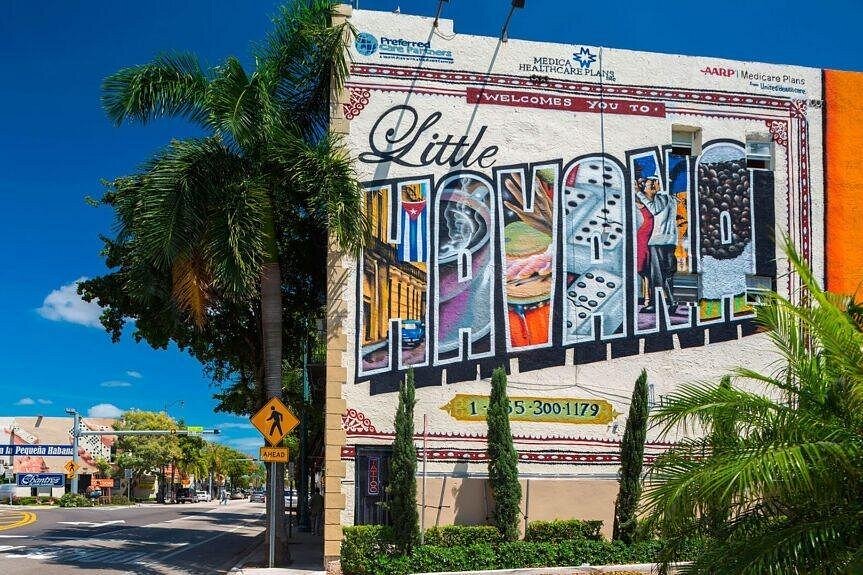
As you walk along the street, the character of Little Havana gradually reveals itself. Brightly painted buildings and murals provide colorful photographic opportunities, while cafés and restaurants fill the air with familiar Cuban aromas. Music can be heard throughout the neighborhood, creating an atmosphere that feels energetic without losing its strong sense of community.
Your guide helps put these sights into context, explaining the history and traditions that have made the neighborhood such an important part of Miami.
This is also where the walking format becomes especially valuable.
Instead of watching Little Havana pass by through a window, you have time to notice the details. You can look at the architecture, observe local businesses, listen to the music, interact with your guide, and pause at important landmarks.
Every few steps can reveal something different.
A colorful mural may tell part of the neighborhood’s story. A traditional shop may represent a craft that has been passed between generations. A small café may introduce you to a familiar Cuban drink. A lively gathering place may demonstrate how social traditions remain part of daily life.
Together, these details create a much richer understanding of Little Havana.
Food is one of the most memorable ways to understand a culture, and this Little Havana food tour makes traditional flavors an important part of the experience.
During the tour, travelers can enjoy Cuban coffee and traditional Cuban pastries while discovering other characteristic tastes associated with the neighborhood. Guarapo, a refreshing sugarcane-based drink, is also included among the tasting experiences listed for the tour.
These tastings are not simply opportunities to grab something to eat.
They are cultural introductions.
Cuban cuisine reflects a long and fascinating history shaped by Cuban traditions and the broader influences that have contributed to the island’s food culture. In Little Havana, these traditions have continued to evolve while remaining deeply connected to family, community, celebration, and everyday life.
A cup of Cuban coffee, for example, can be much more than a caffeine break. Coffee culture is deeply embedded in social life, and enjoying it during your walk gives you an opportunity to experience a small but meaningful part of the neighborhood’s daily rhythm.
Traditional pastries provide another introduction to Cuban flavors. Their sweetness and texture offer a simple but memorable contrast to the savory dishes and drinks travelers may encounter elsewhere in Miami.
And then there is guarapo, whose fresh, naturally sweet character provides another taste of the region’s culinary traditions.
The experience encourages you to come curious—and hungry.
For many travelers, one of the highlights of exploring Little Havana is discovering Cuban coffee culture.
Cuban coffee is known for its intense flavor and distinctive preparation style. During your walking experience, a coffee tasting provides an opportunity to encounter this tradition in the environment where Cuban-American culture continues to thrive.
Rather than treating the tasting as an isolated food stop, the tour connects the flavor with the neighborhood around you.
Imagine walking down Calle Ocho, hearing Latin music in the background, watching people move between local businesses, and then pausing to enjoy a strong Cuban coffee.
It is a small moment, but it captures the character of Little Havana remarkably well.
The experience also provides a natural opportunity to ask your guide questions about local customs, food, and daily life. Those conversations can make the tour feel much more personal than simply following a list of landmarks.
Cigars are closely associated with Cuban heritage, and Little Havana is famous for its cigar-making traditions.
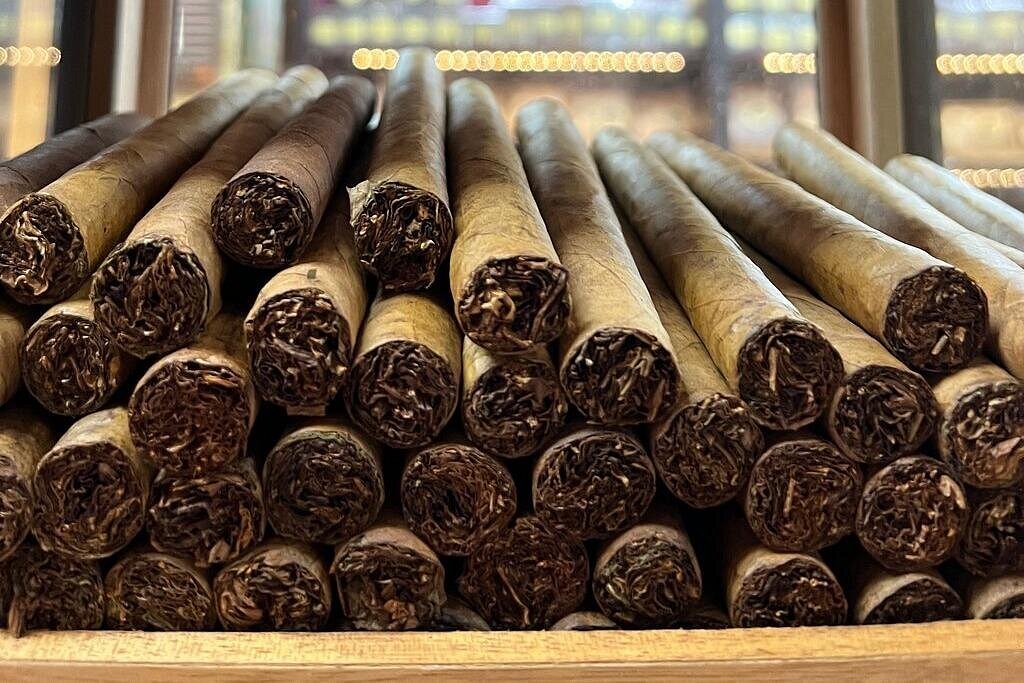
One of the fascinating aspects of the tour is the opportunity to see skilled artisans hand-roll cigars. Instead of merely looking at finished products behind a glass counter, travelers can observe the craftsmanship involved in creating them.
The cigar-making tradition offers an excellent example of how cultural heritage can remain visible in a modern city.
A cigar maker’s work requires skill, patience, and experience. Watching the process gives visitors an appreciation for the craftsmanship and history behind an item that has become internationally associated with Cuban culture.
Your guide can also help explain the cultural significance of cigar shops and cigar-making traditions within Little Havana.
For photography enthusiasts and travelers interested in traditional crafts, this can be one of the most distinctive stops of the experience.
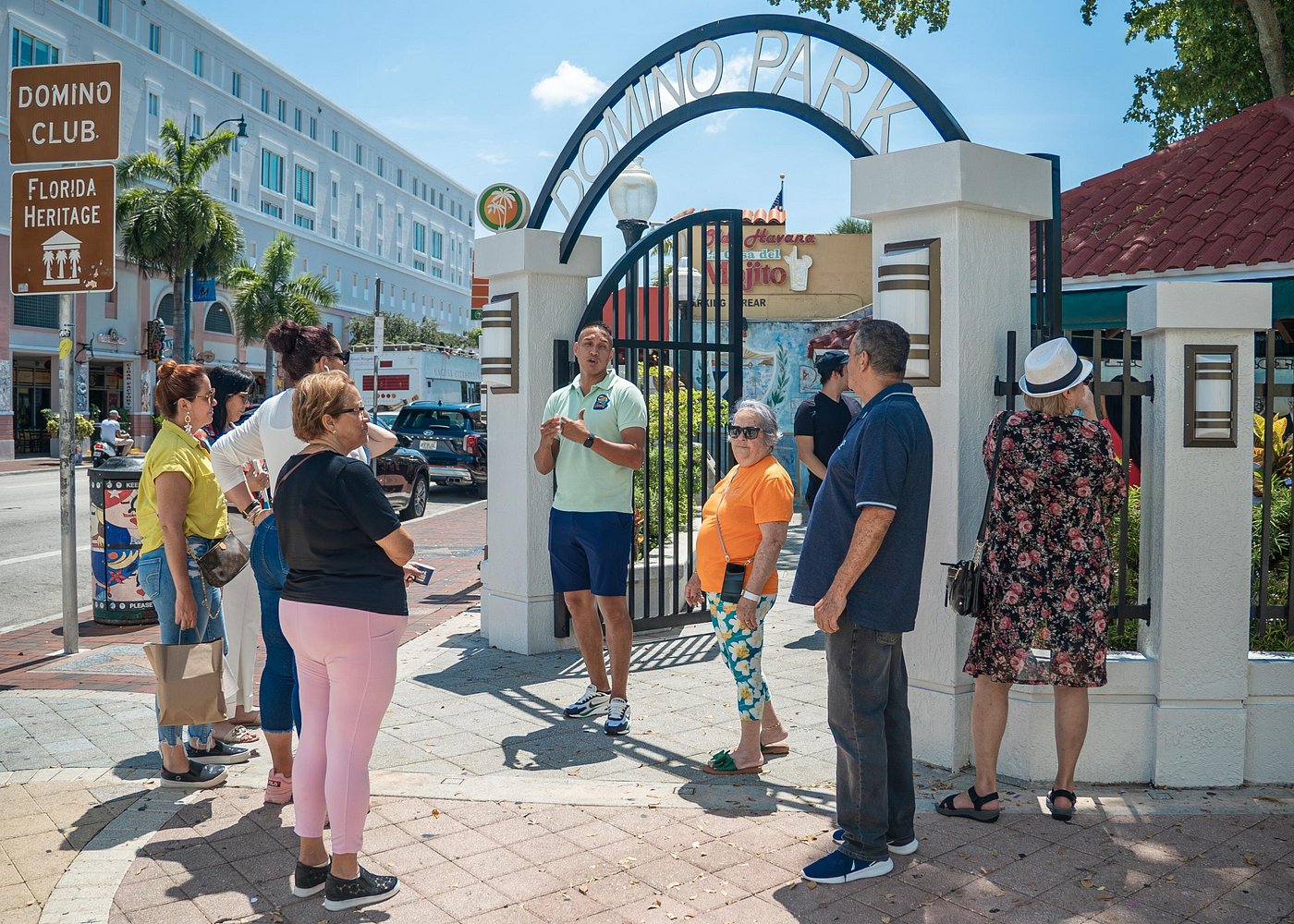
Few places demonstrate Little Havana’s community spirit quite like Máximo Gómez Domino Park.
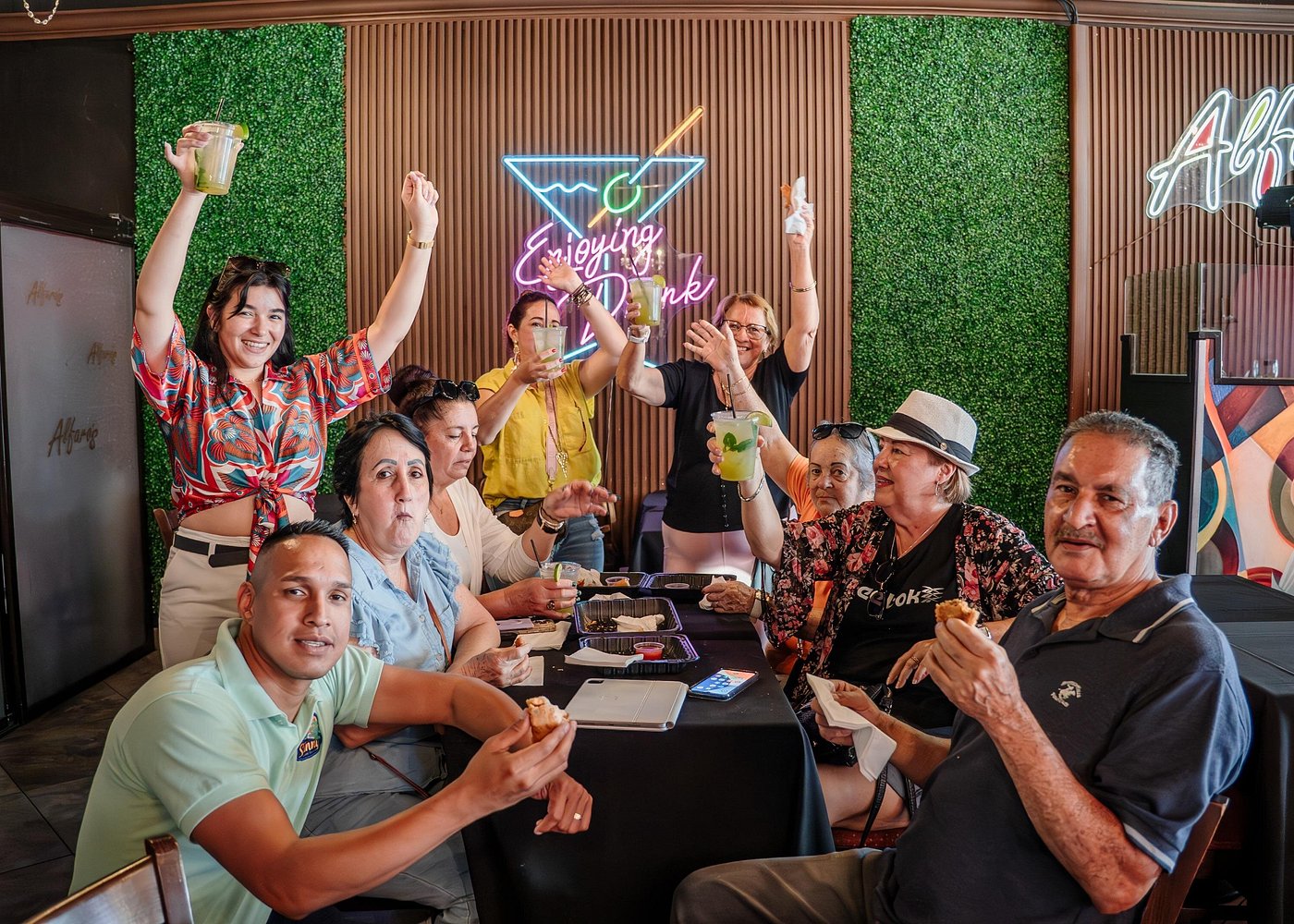
Known for its domino-playing tradition, the park has become one of the neighborhood’s best-known cultural landmarks. Travelers can see locals gathering around domino tables, continuing a social tradition that has become strongly associated with Little Havana.
The sound of domino tiles hitting the tables adds another layer to the neighborhood’s atmosphere.
This is not simply a photo opportunity.
It is a glimpse into the social life of the community.
The park demonstrates how traditions can survive because people continue to practice them naturally as part of everyday life. Instead of being preserved only for tourists, the tradition remains part of the neighborhood’s social fabric.
Your guide can provide context about the importance of dominoes and community gathering within Cuban culture, helping you understand why this seemingly simple game has such a strong presence in Little Havana.
For many visitors, this is one of those moments when the tour feels especially authentic.
Little Havana is filled with places that reflect the history and identity of Miami’s Cuban community.
Throughout the walk, your guide introduces you to important landmarks and shares stories that help connect the present-day neighborhood with its past.
One notable stop is the Bay of Pigs Memorial, a landmark connected with a pivotal and painful chapter of Cuban history. Visiting such places adds historical depth to the experience and reminds travelers that Little Havana’s identity is connected not only to food and music but also to major political and social events.
The tour therefore offers a broader perspective.
You are not simply learning what makes Little Havana entertaining.
You are learning why it matters.
The neighborhood’s history is intertwined with migration, family, political change, cultural preservation, and the development of Miami as an international city. Hearing these stories while standing in the places connected to them can make history much more immediate and memorable.
Music is impossible to separate from the Little Havana experience.
Latin rhythms can be heard throughout the neighborhood, creating an atmosphere that immediately distinguishes Calle Ocho from many other parts of Miami.
During your walk, you may encounter lively salsa and Latin music, colorful venues, and an energetic street atmosphere that reflects the neighborhood’s cultural identity. The combination of music, food, conversation, and movement gives Little Havana a distinctive personality.
For travelers who love music, this aspect of the experience can be especially rewarding.
But even if you are not a dedicated music enthusiast, the atmosphere is difficult to ignore.
Music turns the streets into an experience rather than simply a route between attractions.
As you move from one stop to another, the soundscape becomes part of the story.
Little Havana is also a visually engaging destination.
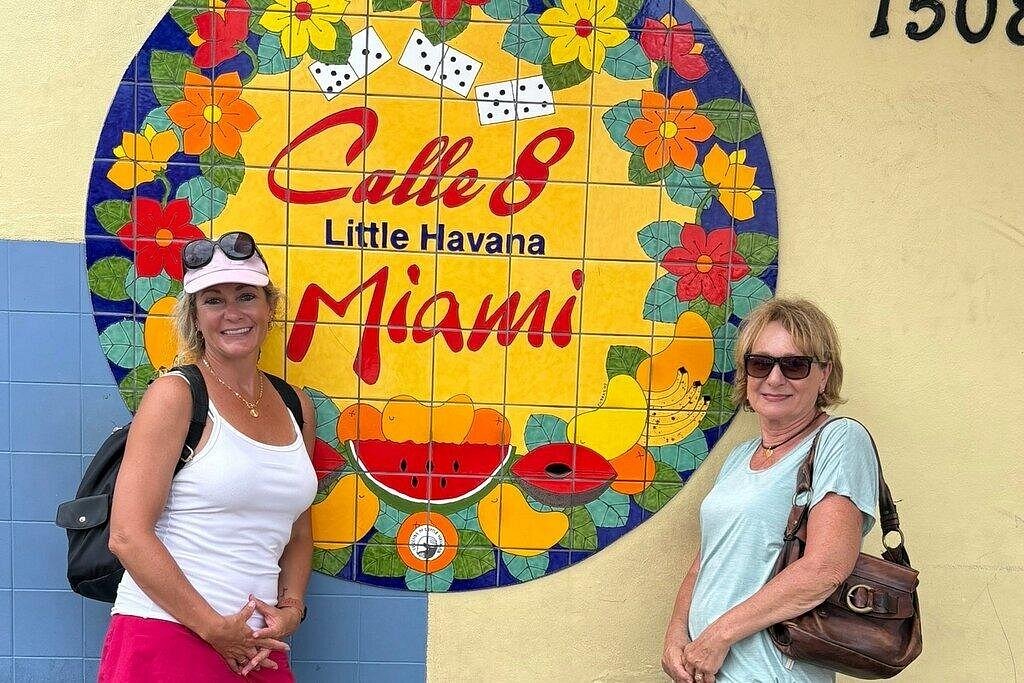
Colorful murals and public artwork add character to the neighborhood, creating excellent opportunities for photographs while also contributing to the cultural identity of the area.
For travelers who enjoy photography, the walking format allows time to notice visual details that might easily be missed from a vehicle.
Bright colors, Cuban-inspired imagery, historic references, storefronts, signs, traditional clothing, and lively street scenes all contribute to the visual character of the neighborhood.
A good photograph from Little Havana can be more than a vacation snapshot.
It can capture the personality of the place.
Whether you are using a professional camera or simply taking pictures with your phone, you will find plenty of opportunities to document your experience.
The tour also provides an opportunity to discover traditional Cuban clothing through a visit associated with D’Asís Guayaberas, a shop specializing in the classic guayabera shirt.
The guayabera is recognized for its distinctive pleats, pockets, and lightweight design, and it has become an iconic garment associated with Latin American and Caribbean culture.
Visiting a traditional shop provides another perspective on cultural heritage.
It demonstrates that traditions are not limited to food and music. Clothing, craftsmanship, design, and personal style can also tell stories about a community.
For travelers interested in fashion, craftsmanship, or cultural traditions, this stop adds an interesting dimension to the tour.
One of the strongest reasons to choose a Little Havana walking tour is the variety of sensory experiences involved.
See colorful murals, traditional businesses, historic landmarks, cigar craftsmanship, street scenes, and the distinctive architecture of Calle Ocho.
Hear salsa, Latin music, conversations, street activity, and the unmistakable sound of dominoes being played at Máximo Gómez Park.
Taste Cuban coffee, traditional pastries, and guarapo as you discover the neighborhood through its culinary traditions.
Smell freshly brewed coffee, pastries, food from local establishments, and the characteristic aromas associated with cigar shops.
Feel the energy of a neighborhood where history and contemporary community life continue to exist side by side.
This combination makes the experience particularly memorable.
You are not simply collecting photographs of attractions.
You are experiencing a living neighborhood.
A knowledgeable local guide can transform a walking tour from a sequence of stops into a connected story.
Without context, a visitor might see a domino park simply as a place where people play games. A cigar shop might look like another retail business. A mural might appear to be nothing more than colorful street art.
But when you understand the history and cultural meaning behind those places, they become much more significant.
Throughout the experience, your guide shares cultural insights and stories that help explain Little Havana’s traditions and its importance to Miami.
This storytelling element is especially valuable for first-time visitors.
Instead of wondering what you are looking at, you have someone who can explain the neighborhood in an accessible and engaging way.
The tour is available with live guiding in English and Spanish, helping make the cultural experience accessible to a wider range of travelers.
Miami vacations often revolve around beaches, nightlife, shopping, restaurants, and waterfront attractions.
All of those experiences have their place.
But if you want to understand why Miami feels so culturally diverse and internationally connected, you need to explore its neighborhoods.
Little Havana is one of the best places to do exactly that.
Here, Miami’s Cuban influence is not something you simply read about on a tourist brochure. It is visible in the businesses, heard in the music, tasted in the food, and experienced through everyday community traditions.
This makes the tour an excellent addition to a broader Miami itinerary.
You can spend one day enjoying South Beach and the ocean, another exploring downtown, and another discovering the cultural character of Little Havana.
The contrast is part of the appeal.
There are many ways to visit a neighborhood, but a guided walking experience offers several advantages.
You do not have to choose between learning about history and seeing attractions. The experience combines both.
Food and drinks provide a direct and memorable introduction to Cuban culture.
Walking gives you time to observe details, listen to stories, take photographs, and experience the atmosphere.
A guide can explain cultural traditions that may not be obvious to independent visitors.
History enthusiasts, food lovers, photographers, first-time Miami visitors, couples, families, and culture-focused travelers can all find something meaningful in the experience.
Instead of focusing only on beaches and luxury, the tour introduces you to one of the communities that helped shape modern Miami.
If food is one of your favorite ways to explore a destination, Little Havana deserves a place on your Miami itinerary.
The neighborhood’s culinary identity is one of its greatest attractions.
A food-focused walking experience allows you to discover traditional flavors while learning about the culture that created them. Cuban coffee, pastries, and guarapo provide memorable tasting opportunities, while the surrounding restaurants, cafés, and food businesses add to the atmosphere.
The advantage of combining food with sightseeing is that you are never simply eating.
You are learning.
You are comparing flavors.
You are discovering how food connects with family traditions and cultural identity.
And because the experience takes place within the neighborhood itself, every tasting feels connected to the streets around you.
Travelers increasingly want experiences that feel meaningful rather than simply checking attractions off a list.
This Little Havana tour is designed for that kind of traveler.
If you want to understand a destination rather than merely photograph it, the stories and traditions of Little Havana provide an ideal opportunity.
You can learn about Cuban heritage, discover the role of Calle Ocho, observe local craftsmanship, see community traditions, and experience the neighborhood’s music and food.
The result is a deeper connection with Miami.
You leave with more than photographs.
You leave with stories.
For first-time visitors, it can be difficult to decide which parts of Miami are truly worth exploring.
Little Havana should be high on the list for anyone interested in the city’s cultural identity.
A guided tour removes much of the uncertainty involved in exploring an unfamiliar neighborhood. Instead of searching for individual attractions, travelers can experience several important locations within one organized journey.
The approximately 2.5-hour duration also makes it relatively easy to fit into a larger Miami vacation itinerary.
You could enjoy the tour in the morning and continue exploring Miami afterward, or schedule it as a cultural highlight during the afternoon.
Little Havana’s combination of colorful surroundings, food, music, stories, and visual attractions can make the experience engaging for groups traveling together.
Children can see dominoes being played, discover colorful murals, observe cigar craftsmanship, and experience unfamiliar foods and drinks. Adults can appreciate the history, cultural stories, architecture, and traditions behind what they see.
The experience is listed for travelers from approximately ages 3 to 100, and published tour information indicates that stroller access and wheelchair accessibility are available.
As with any walking experience, travelers should consider their own comfort level, particularly in Miami’s warm weather.
Perhaps the most important reason to experience Little Havana with a guide is that the neighborhood has layers.
At first glance, you may notice colorful streets and lively music.
Look closer and you find history.
Listen carefully and you hear stories.
Taste the food and you discover tradition.
Spend time with the community and you begin to understand identity.
This is what makes the Little Havana Walking Tour – Food Tastings, Traditions & Music more than an ordinary Miami excursion.
It brings together the visible and invisible elements of the neighborhood.
The famous places.
The everyday traditions.
The food.
The music.
The history.
The people.
The stories.
Imagine beginning your experience in the heart of Little Havana.
The streets are already alive.
You meet your guide and begin walking through a neighborhood that immediately feels different from the Miami you may have seen in travel advertisements.
Soon, the colors catch your attention.
Then the music.
Then the aroma of coffee.
As you continue, your guide begins to explain the history of the area and the cultural traditions that shaped it.
You stop at a traditional business.
You watch a cigar artisan at work.
You discover the history behind a local landmark.
You arrive at Domino Park and see people gathered around tables, continuing a tradition that has become part of Little Havana’s identity.
Then comes another tasting.
A sweet pastry.
A strong Cuban coffee.
A refreshing guarapo.
Each experience becomes another piece of the neighborhood’s story.
Eventually, you realize that the tour has not simply shown you Little Havana.
It has allowed you to experience it.
That difference is what makes the memories last.
Bring your camera or smartphone because Little Havana offers plenty of visual inspiration.
From street murals to traditional storefronts, colorful signs, cultural landmarks, and lively street scenes, the neighborhood provides an excellent backdrop for travel photography.
But remember that some of the best photographs come from slowing down.
Instead of photographing only famous landmarks, look for small moments.
A domino tile being placed on a table.
Steam rising from a cup of coffee.
A cigar maker carefully working with tobacco leaves.
A musician performing.
A colorful wall covered in artwork.
A traditional shirt displayed in a shop window.
A family enjoying time together.
These details can create a more authentic visual record of your Miami adventure.
Little Havana is important because it demonstrates how communities can preserve cultural identity while adapting to life in a new environment.
Miami’s Cuban-American community has played a major role in the city’s cultural development, and Little Havana remains one of the most recognizable places where that heritage can be experienced.
The neighborhood reflects generations of history.
For visitors, the experience offers a chance to learn respectfully about that history while enjoying the contemporary energy of the community.
This balance is important.
Little Havana is not a museum frozen in time.
It is a living neighborhood.
People work there.
Families gather there.
Businesses operate there.
Music plays there.
Food is prepared there.
Traditions continue there.
That living quality is what gives the tour its energy.
Authenticity in travel does not necessarily mean finding a place untouched by visitors.
It means encountering a destination in a way that reveals something genuine about its culture.
A guided walk through Little Havana can provide that opportunity by connecting visitors with local traditions, businesses, food, crafts, music, and historical places.
Rather than seeing the neighborhood only as a tourist attraction, you gain insight into why these traditions matter.
The experience encourages curiosity.
Ask questions.
Taste something unfamiliar.
Listen to your guide.
Observe the people around you.
Notice the details.
That is how a short walking tour can become one of the most memorable parts of a Miami vacation.
The experience lasts approximately 2 hours and 30 minutes, giving travelers enough time to explore several cultural highlights without dedicating an entire day to the activity.
The published meeting point is the Little Havana Visitors Center at 1600 SW 8th Street, Miami, Florida 33135, with certain departure arrangements from Bayside Marketplace available depending on the selected tour option. Travelers should carefully check their booking confirmation for the exact meeting and pickup instructions applicable to their reservation.
The experience is offered with live guides, including English and Spanish options according to published booking information.
Because Little Havana is a walking destination, comfortable footwear is recommended. Miami can also be warm and sunny, so lightweight clothing, sun protection, and water are sensible additions to your day.
Most importantly, arrive ready to explore.
The best way to experience Little Havana is with curiosity.
Your experience may include visits or stops associated with several recognizable Little Havana locations and traditions, including D’Asís Guayaberas, a local cigar factory, Domino Park, the Bay of Pigs Monument, traditional food stops, and Calle Ocho attractions. Published itinerary information lists stops at these locations, although the exact order and timing can vary.
Rather than thinking of the tour as a rigid checklist, think of it as a cultural journey.
Each location contributes something different.
One stop introduces craftsmanship.
Another reveals history.
Another brings food into the experience.
Another demonstrates community traditions.
And Calle Ocho ties the entire experience together.
Miami is a city of contrasts.
Modern skyscrapers stand near historic neighborhoods.
International luxury exists alongside deeply rooted local traditions.
The oceanfront lifestyle shares the city with communities whose stories stretch across generations.
Little Havana captures one of those stories.
By walking through the neighborhood, you experience a side of Miami that cannot be understood completely from a beach chair or downtown hotel.
You encounter a culture that has influenced the city’s food, music, language, business, art, and identity.
That is why this tour can be such a meaningful addition to your Miami itinerary.
At the end of the experience, you may remember the taste of Cuban coffee.
You may remember the sweetness of a traditional pastry.
You may remember the sound of dominoes.
You may remember a colorful mural or a lively street performance.
You may remember watching a cigar maker work.
You may remember your guide’s story about a historic landmark.
But the most valuable memory may be the feeling of having experienced a neighborhood rather than simply visited an attraction.
That is the true appeal of cultural travel.
You arrive as a visitor.
You leave with a little more understanding.
If you are searching for an authentic Little Havana walking tour in Miami, a Cuban food and culture tour, or a memorable way to explore Calle Ocho, this experience brings together many of the elements that make the neighborhood special.
Walk through the heart of Little Havana.
Taste traditional Cuban flavors.
Sip Cuban coffee.
Discover guarapo.
Watch cigar artisans at work.
See domino players gather at Máximo Gómez Park.
Explore historic landmarks.
Listen to Latin music.
Photograph colorful murals.
Learn from a knowledgeable guide.
And experience the traditions that continue to give Little Havana its unmistakable character.
This is your opportunity to discover Miami beyond the beaches and tourist hotspots.
Come hungry.
Come curious.
Come ready to listen.
And most importantly, come ready to experience the spirit of Little Havana.
Book the Little Havana Walking Tour – Food Tastings, Traditions & Music and discover one of Miami’s most vibrant cultural neighborhoods through food, history, music, craftsmanship, and unforgettable local stories.
The Little Havana Walking Tour – Food Tastings, Traditions & Music is designed to take you beyond the surface of Miami and into the cultural heart of one of its most recognizable neighborhoods.
Over approximately 2.5 hours, you’ll walk through the colorful streets of Little Havana, explore iconic Calle Ocho, discover historic landmarks, experience traditional Cuban food and drinks, observe skilled artisans, and hear stories that explain why this neighborhood remains such an important part of Miami’s identity. Current published tour information lists the experience as approximately 2 hours and 30 minutes, with a maximum group size of 30 travelers.
The journey is structured around a series of cultural and culinary stops, but the real experience happens between them.
It happens while walking down Calle Ocho.
It happens when you hear dominoes clicking against a table.
It happens when the aroma of Cuban coffee reaches you from a neighborhood café.
It happens while a cigar artisan carefully rolls tobacco by hand.
It happens when your guide explains a piece of history that you might otherwise walk past without understanding.
And it happens when the neighborhood's music, colors, food, people, and traditions come together around you.
Your cultural journey begins with a visit to D’Asís Guayaberas, a shop associated with one of the most recognizable garments of Cuban and Latin American culture: the guayabera.
The traditional guayabera is known for its distinctive pleats, multiple pockets, lightweight construction, and timeless appearance. During this stop, travelers can learn about the history and cultural importance of the garment while seeing different styles and designs. Published itinerary information describes this as an approximately 15-minute stop.
This opening stop is a fitting introduction to Little Havana because it demonstrates how cultural identity can be expressed through everyday objects.
Clothing can tell stories.
A traditional garment can represent heritage, climate, craftsmanship, family traditions, and cultural pride all at once.
Your guide helps put those details into context, allowing you to appreciate the guayabera as more than just a shirt.
For travelers interested in fashion, history, cultural traditions, or unique souvenirs, this can be an especially enjoyable beginning to the experience.
You may also have an opportunity to browse the collection and discover a distinctive reminder of your time in Little Havana.
Next, step into the world of hand-rolled cigars.
Little Havana's cigar tradition is one of the neighborhood's most recognizable cultural features, and this stop gives you an opportunity to see the craftsmanship behind the finished product.
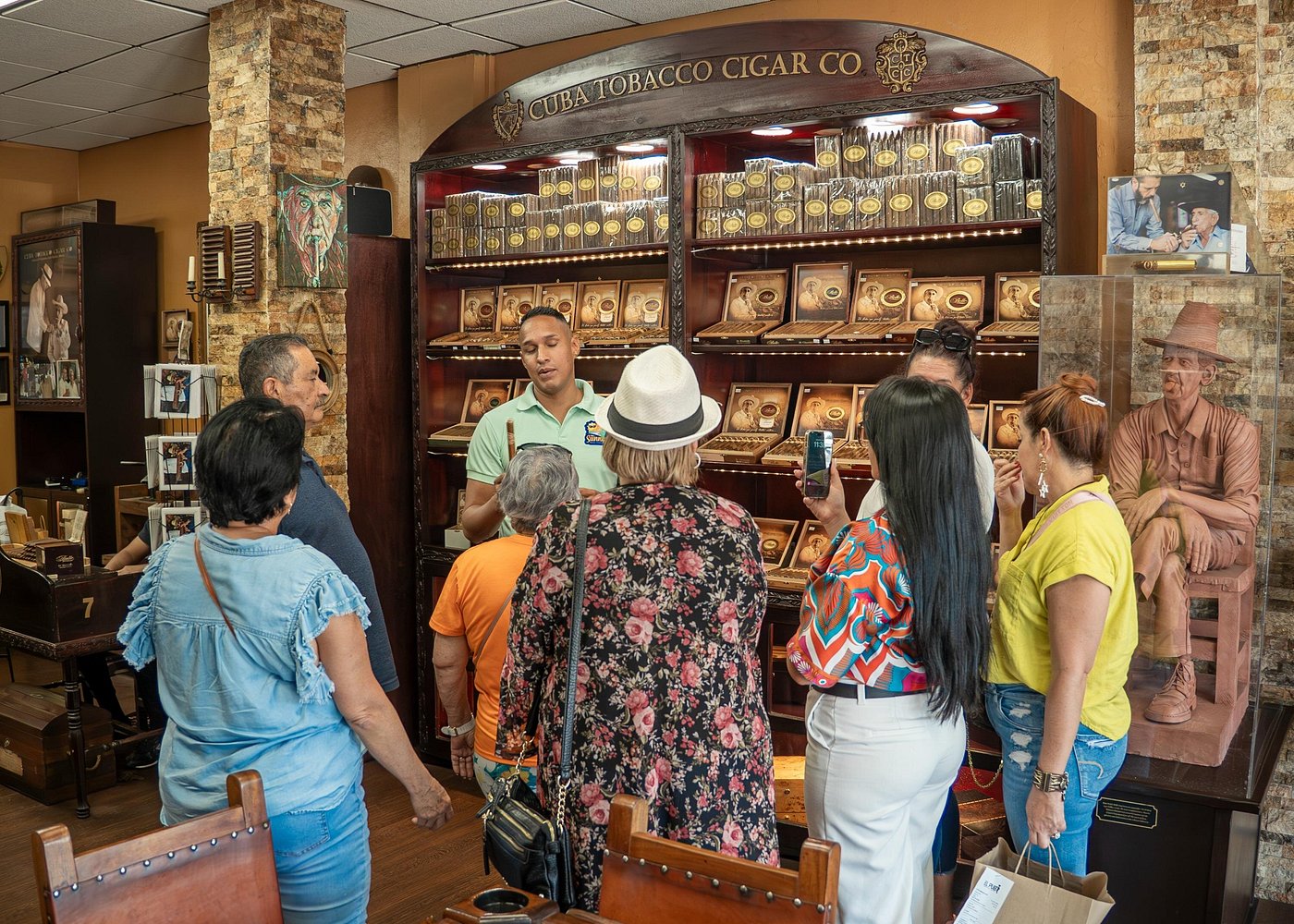
Published itinerary information describes an approximately 15-minute visit to a Little Havana cigar factory, where guests can observe cigar rollers at work and learn about the traditional process.
The experience introduces travelers to the work involved in selecting, preparing, rolling, binding, and finishing tobacco leaves.
Watching an experienced artisan work can be surprisingly captivating.
The process requires concentration and precision. What may initially look simple becomes much more impressive when you see how carefully each stage is completed.
Your guide can also explain how cigar-making traditions became an important part of Cuban cultural identity and how these traditions continued in Miami.
For visitors interested in traditional craftsmanship, this is one of the tour's most distinctive cultural experiences.
Continue toward Máximo Gómez Domino Park, one of the most famous gathering places in Little Havana.
Often simply called Domino Park, this location is deeply associated with the neighborhood's Cuban community and its longstanding domino-playing tradition.
The published itinerary allocates approximately 15 minutes to this stop.
Here, you can observe local players engaged in spirited games while conversations and laughter create an atmosphere that feels distinctly communal.
The significance of Domino Park goes beyond the game itself.
It represents social connection.
It represents community.
It represents a tradition that has continued across generations.
Your guide can explain the park's cultural importance and the history behind its name, helping you understand why this location has become one of Little Havana's most recognizable landmarks.
Take a moment to watch.
Listen to the sound of the domino tiles.
Notice the conversations around the tables.
Look at the murals and surrounding streets.
These small details help turn a sightseeing stop into a genuine cultural experience.
The next part of the journey introduces a more serious and reflective side of Little Havana.
At the Bay of Pigs Monument, travelers learn about a major chapter in Cuban exile history and its continuing significance within Miami's Cuban-American community.
The published itinerary allows approximately 30 minutes for this stop, making it one of the longest dedicated stops during the tour.
The monument commemorates Cuban exiles associated with the 1961 Bay of Pigs invasion and provides an opportunity to learn about the people, events, sacrifices, and political circumstances surrounding that period.
For visitors unfamiliar with Cuban-American history, this stop can provide important context.
Little Havana is not defined only by food, music, colorful buildings, and entertainment.
Its identity is also connected to migration, political history, family experiences, and the Cuban exile community.
Standing at the monument while hearing your guide explain its significance can make those historical events feel much more immediate.
It is a moment to pause.
To listen.
To reflect.
And to understand another layer of the neighborhood.
After exploring some of Little Havana's history, it's time to experience another essential part of the neighborhood: food.
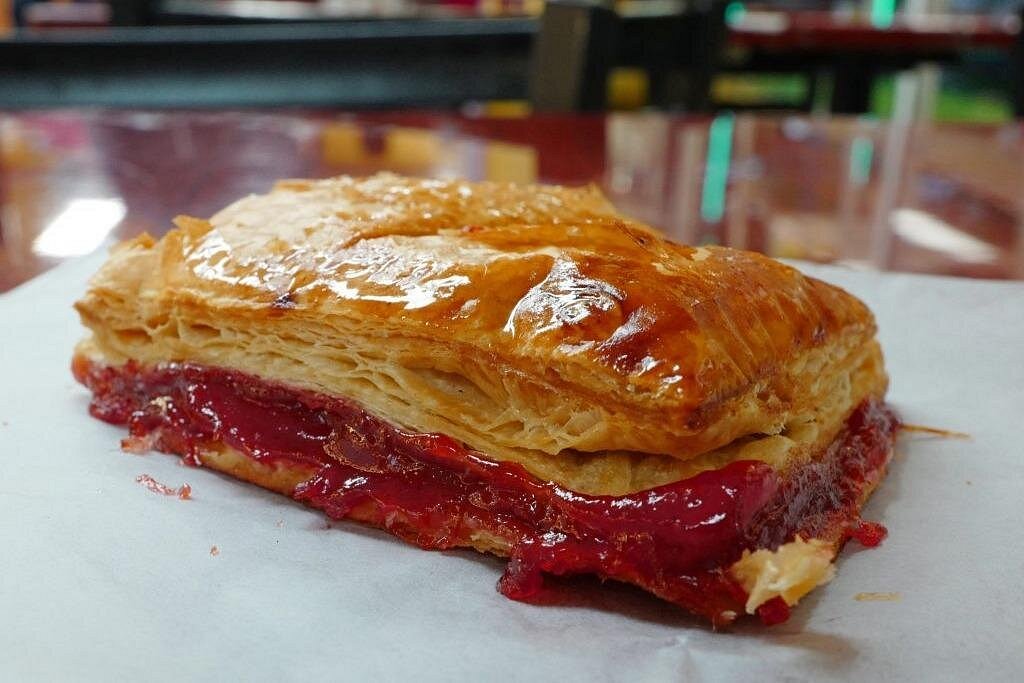
The tour includes a stop at Party Cake Bakery, where travelers can experience traditional Cuban bakery flavors. Published itinerary information describes an approximately 15-minute stop.
This is where the culinary side of the experience becomes especially enjoyable.
Traditional Cuban pastries offer a delicious introduction to the neighborhood's food culture. Depending on the tour's current tasting selection, guests may encounter familiar Cuban bakery favorites such as guava pastries and other traditional treats.
The experience is about more than sweetness.
Cuban bakeries can function as important community gathering places, where people stop for coffee, pastries, conversation, and everyday social interaction.
As you taste your food, take a moment to appreciate the setting.
You are not simply eating a pastry.
You are experiencing a small part of the daily rhythm of Little Havana.
The culinary adventure continues at Churromanía Little Havana, where the experience takes a playful turn.
Published itinerary information lists approximately 20 minutes for this stop.
Fresh churros provide a familiar but irresistible treat, particularly when served with sweet fillings or toppings.
The contrast is part of the fun.
After learning about history, heritage, and traditions, you get to relax for a moment and enjoy something delicious.
The stop also highlights how Latin American food traditions continue to evolve in Miami.
Little Havana is not frozen in the past.
It is a living neighborhood where traditional Cuban influences exist alongside broader Latin American flavors and modern food culture.
That mixture is part of what makes the area so interesting to explore.
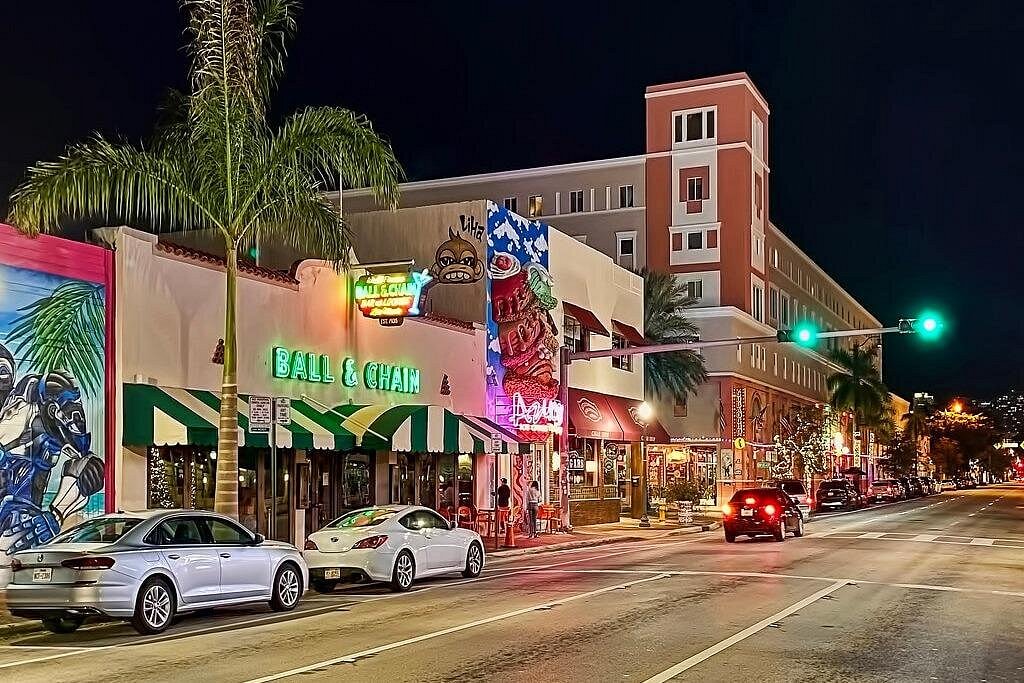
As you continue through Calle Ocho, the tour passes by Ball & Chain, one of Little Havana's best-known historic music venues.
The location has a long association with Miami's entertainment history and remains closely connected with the neighborhood's musical atmosphere.
Published itinerary information identifies Ball & Chain as a pass-by location rather than a dedicated tasting stop.
Its presence reinforces one of the central themes of the tour: music is inseparable from the identity of Calle Ocho.
Depending on the atmosphere and timing, you may hear Latin rhythms, salsa, or live music nearby.
Even a brief look at the venue contributes to the story of the neighborhood.
The final major stop is the Calle Ocho Walk of Fame, where the tour brings together culture, entertainment, music, and community pride.
Published itinerary information allocates approximately 40 minutes to this portion of the experience, making it the longest scheduled stop.
The Walk of Fame celebrates influential Latin figures and gives visitors an opportunity to discover names connected with music, entertainment, and Latin American culture.
This is an ideal place to slow down and take photographs.
Look at the stars.
Listen to the surrounding music.
Observe the street life.
Notice how visitors and locals interact with the neighborhood.
The Calle Ocho Walk of Fame provides a fitting conclusion because it captures many of the themes you have encountered throughout the tour: cultural identity, music, heritage, pride, and community.
After completing the walk, you return to the starting point according to the published itinerary.
Food is an essential part of this experience, and the published inclusions identify Cuban pastries, coffee and/or tea, and guarapo among the included tastings.
Cuban coffee is famous for its concentrated flavor and is an important part of Miami's Cuban-American food culture.
A coffee tasting during your Little Havana experience gives you an opportunity to discover this tradition in the neighborhood where it has become part of everyday life.
Traditional Cuban pastries provide a sweet introduction to local culinary traditions.
Depending on the current tasting arrangement, examples may include guava pastries and other bakery favorites.
Guarapo, traditionally made from freshly pressed sugarcane juice, offers a refreshing and naturally sweet taste.
Its inclusion adds variety to the tasting experience and introduces travelers to another familiar flavor associated with Cuban and Caribbean food culture.
The Churromanía stop adds another sweet experience to the itinerary, creating a fun contrast with the more traditional Cuban bakery offerings.
Published tour information identifies the following food and drink inclusions:
The exact tasting selection may vary depending on availability and operational arrangements on the day of the tour.
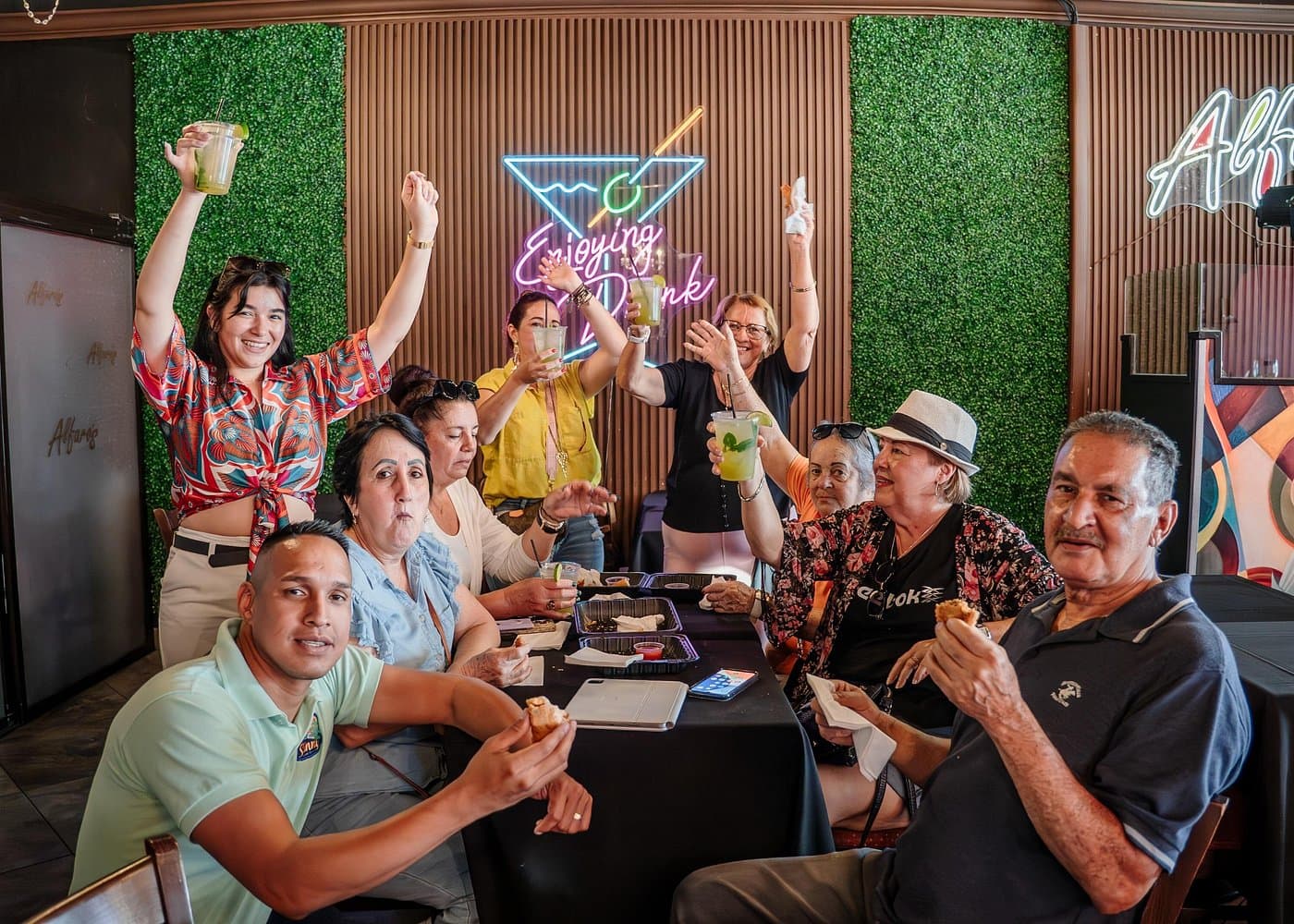
Published booking information states that tips are not included and recommends bringing cash for gratuities. Mojitos are also not included in the standard listed inclusions.
Travelers should therefore budget separately for gratuities and any optional food or beverages purchased beyond the included tastings.
This is a walking experience, so comfortable footwear is one of the most important things to bring.
Choose shoes that are suitable for several hours of walking on city sidewalks.
Avoid wearing brand-new footwear that could cause discomfort.
Your goal should be to focus on the neighborhood—not your feet.
Miami can be hot, sunny, and humid.
Lightweight, breathable clothing is generally a sensible choice for a walking tour.
A hat, sunglasses, and sunscreen can also make your experience more comfortable, particularly during brighter parts of the day.
Sun protection is especially useful during an outdoor walking experience.
Consider bringing:
Staying comfortable allows you to enjoy the cultural experience without being distracted by the weather.
Little Havana is highly photogenic.
Bring your smartphone or camera so you can capture:
Remember that the best photographs often come from observing the neighborhood rather than rushing between attractions.
Give yourself enough time to reach the meeting location.
Published information identifies the Little Havana Visitor Center at 1600 SW 8th Street, Miami, FL 33135 as the starting point. Some tour departures from Bayside Marketplace have separate pickup arrangements, with published instructions indicating pickup approximately 30 minutes before the scheduled tour start. Always follow the meeting instructions shown on your booking confirmation.
Arriving early gives you time to locate your guide, use nearby facilities, and begin the experience without unnecessary stress.
The published tour information indicates that the experience is wheelchair accessible, stroller accessible, and suitable for service animals. It also indicates nearby public transportation and accessible surfaces.
The experience is listed for travelers from approximately ages 3 to 100, and infants and small children can ride in a stroller.
This makes the tour a potentially convenient option for families traveling with children, multigenerational groups, and travelers looking for an accessible cultural activity.
Individual mobility needs can vary, however, so travelers with specific accessibility requirements should confirm details before booking.
For many travelers, the experience can be an enjoyable way to discover Miami without committing to a full-day excursion.
The tour lasts approximately 2.5 hours and includes regular sightseeing and tasting stops.
However, it remains a walking experience.
Seniors or travelers with mobility concerns should consider their personal comfort with walking, standing, and spending time outdoors.
The published information indicates wheelchair accessibility and accessible surfaces, which can make the experience more accommodating for many travelers.
Yes, the combination of food, music, colorful streets, murals, dominoes, and cultural landmarks can make Little Havana engaging for families.
Children may especially enjoy:
The tour is published as suitable for travelers from approximately age 3 onward.
Parents should keep in mind that the tour includes historical content, including the Bay of Pigs Monument, which may be more interesting to older children and teenagers.
Little Havana can also be a memorable destination for couples.
Instead of spending another afternoon at a conventional attraction, you can explore a colorful neighborhood together, share traditional food, listen to music, take photographs, and discover stories about Miami's Cuban heritage.
The relaxed walking format leaves plenty of opportunities to enjoy the atmosphere together.
For couples visiting Miami for a short vacation, it can also provide a cultural contrast to the city's beaches and nightlife.
Solo travelers often appreciate guided cultural tours because they provide structure while also creating opportunities to interact with a knowledgeable local guide and other visitors.
You do not have to plan every stop yourself.
You simply arrive, meet your guide, and follow the cultural journey.
Along the way, you can ask questions, discover food, photograph the neighborhood, and learn about Little Havana's history.
For first-time visitors to Miami traveling alone, this can be an easy and engaging introduction to the neighborhood.
You could explore Calle Ocho independently.
But without local context, some of the neighborhood's most meaningful details can easily be missed.
A guide helps connect the dots.
Why are dominoes so important?
What does the guayabera represent?
Why is cigar craftsmanship associated with Little Havana?
What happened at the Bay of Pigs?
Why does Cuban coffee play such an important role in the community?
What makes Calle Ocho culturally significant?
A knowledgeable guide can answer these questions while you explore.
That makes the experience more than a collection of attractions.
It becomes a story.
This experience combines several categories travelers normally have to organize separately:
Food + History + Music + Art + Culture + Sightseeing + Local Stories
Instead of booking a separate food experience, cultural tour, and neighborhood sightseeing activity, this tour brings those elements together.
Walking lets you experience Little Havana at street level.
You can see the details.
Hear the music.
Smell the food.
Watch the people.
And take photographs when something catches your attention.
The included Cuban pastries, coffee or tea, and guarapo introduce travelers to several distinctive flavors associated with the neighborhood.
Published booking information indicates live English and Spanish guide options.
Having a guide available throughout the experience allows you to ask questions and understand the cultural context behind the places you visit.
The itinerary incorporates recognizable locations including Domino Park, the Bay of Pigs Monument, Calle Ocho, D’Asís Guayaberas, the Little Havana cigar factory, Party Cake Bakery, Churromanía, and the Calle Ocho Walk of Fame.
Instead of researching individual Little Havana attractions and building your own route, the tour brings major cultural highlights into one organized experience.
Your guide helps explain the meaning behind the sights.
Although food is an important part of the experience, the itinerary also includes history, craftsmanship, music, community traditions, and cultural landmarks.
At approximately 2.5 hours, the experience can fit comfortably into many Miami vacation schedules.
Published information indicates accessibility features and broad age suitability, making it an option for many families and groups.
Because much of the experience takes place outdoors, weather can affect the tour.
Published booking information states that the experience requires good weather. If the tour is canceled because of poor weather, travelers may be offered another date or a full refund. The tour may also require a minimum number of travelers, and if that minimum is not reached, an alternative experience/date or refund may be offered.
Travelers should always review the cancellation conditions attached to their specific booking.
Published information also states that full refunds are available when cancellation is made at least 24 hours before the scheduled experience, while changes or cancellations inside the 24-hour window may not be accepted.
To get the greatest value from this tour, approach it as a cultural experience rather than simply a sightseeing checklist.
Your guide is one of the best resources available.
Ask about Cuban food.
Ask about migration.
Ask about music.
Ask about local traditions.
Ask about the history behind the landmarks.
The more curious you are, the more rewarding the experience can become.
If you've never tasted guarapo or Cuban pastries, this is your opportunity.
Travel is often most memorable when you step slightly outside your usual routine.
Do not rush through the visual details.
Little Havana rewards travelers who pay attention.
Remember that Little Havana is a living neighborhood.
People live and work here.
Be respectful when photographing local residents and when observing games or cultural activities.
The neighborhood contains both joyful and serious chapters of history.
Enjoy the music and food, but also take time to listen when your guide discusses the more significant historical events.
A Miami trip can easily become centered around beaches and nightlife.
But adding a Little Havana cultural experience creates balance.
Spend time by the water.
Explore Miami's modern neighborhoods.
Then step into Little Havana and discover another side of the city.
The contrast is powerful.
The architecture changes.
The language changes.
The sounds change.
The food changes.
The atmosphere changes.
And suddenly, Miami feels much larger and more diverse than it did before.
The best travel experiences often combine several things at once.
A great meal.
An interesting story.
A beautiful photograph.
A surprising historical fact.
A conversation with a local.
A moment of laughter.
A new flavor.
This Little Havana walking tour is built around exactly that combination.
It gives you opportunities to see.
To taste.
To listen.
To learn.
And to connect.
That is why it can become one of the highlights of your Miami itinerary.
Throughout the journey, travelers can expect a rich combination of experiences, including:
The published itinerary confirms these major stops and activities, with individual stop times varying from approximately 15 to 40 minutes.
Imagine telling friends about your Miami vacation.
You could tell them about the beach.
You could tell them about the skyline.
You could tell them about the restaurants.
But then you tell them about walking through Little Havana.
About watching dominoes being played in the heart of the neighborhood.
About the smell of Cuban coffee.
About seeing a cigar rolled by hand.
About tasting a traditional pastry.
About learning the story behind the Bay of Pigs Monument.
About hearing Latin music along Calle Ocho.
About taking photographs at the Walk of Fame.
Those are the memories that give a destination personality.
If you're searching for a Little Havana walking tour, a Miami Cuban food tour, a Calle Ocho cultural experience, or an engaging way to discover Cuban heritage in Miami, this experience offers an excellent combination of sightseeing, food, history, music, and storytelling.
Over approximately 2.5 hours, you'll explore some of Little Havana's most recognizable cultural locations while tasting traditional flavors and learning from a local guide.
You will not simply see Little Havana.
You will walk through it.
You will taste it.
You will hear it.
You will learn its stories.
And you will experience the traditions that continue to make it one of Miami's most distinctive neighborhoods.
Reserve your Little Havana Walking Tour – Food Tastings, Traditions & Music and make Calle Ocho one of the most memorable chapters of your Miami adventure.
The Little Havana walking tour lasts approximately 2.5 hours. This gives travelers enough time to explore important cultural locations, walk along Calle Ocho, enjoy included food and drink tastings, learn about Cuban history, and experience the neighborhood’s distinctive atmosphere without taking up an entire day of their Miami vacation.
The experience introduces travelers to several notable Little Havana attractions and cultural locations. Depending on the current itinerary, highlights include Calle Ocho, Máximo Gómez Domino Park, the Bay of Pigs Monument, D’Asís Guayaberas, a local cigar factory, Party Cake Bakery, Churromanía, Ball & Chain, and the Calle Ocho Walk of Fame.
The tour combines landmarks with food, cultural traditions, craftsmanship, music, and local stories.
Yes. Published tour information lists several food and beverage experiences among the inclusions, including Cuban pastries, coffee and/or tea, and guarapo.
Additional food or drinks purchased independently during the tour may cost extra, so travelers should check the booking details for the current tasting selection and inclusions.
Guarapo is a traditional drink made from freshly pressed sugarcane juice. It is naturally sweet and refreshing and is associated with Cuban and broader Caribbean food culture.
Trying guarapo during a Little Havana tour provides travelers with an opportunity to experience a flavor that they may not commonly encounter elsewhere.
Yes. Cuban coffee is part of the published food and beverage inclusions, with coffee and/or tea listed among the included tastings.
The coffee experience also provides an introduction to the important role that coffee culture plays in Cuban-American daily life.
The published tour information lists the experience as suitable for travelers from approximately 3 to 100 years old.
Children can enjoy the colorful streets, murals, music, food tastings, domino games, and other visual and cultural elements of the experience. Parents should remember that the tour is educational as well as entertaining and includes historical content.
The tour can be a good cultural option for seniors who are comfortable with walking and standing for extended periods.
Published information indicates wheelchair accessibility and accessible surfaces. However, individual mobility needs differ, so travelers with specific requirements should confirm the current accessibility arrangements before booking.
Published booking information indicates that the experience is wheelchair accessible and includes accessible surfaces.
Travelers who use wheelchairs should still communicate any specific mobility requirements when booking so the operator can provide the most appropriate information about the route and stops.
Yes. Published information indicates that the experience is stroller accessible.
Families traveling with young children should nevertheless consider the amount of walking involved and Miami's weather conditions when planning what to bring.
Comfortable clothing and walking shoes are recommended.
Miami can be warm and sunny, so lightweight clothing, sunglasses, sunscreen, and a hat can help make the experience more comfortable.
Comfortable footwear is particularly important because the tour takes place primarily on foot.
Consider bringing:
A small bag is generally more convenient than carrying bulky luggage.
No. Published booking information states that tips are not included.
Travelers should consider bringing cash if they would like to provide a gratuity to their guide.
No. Published information specifically identifies mojitos as not included.
If you choose to purchase alcoholic beverages during or after the tour, those expenses should be treated separately from the standard tour inclusions.
Published tour information identifies the Little Havana Visitor Center at 1600 SW 8th Street, Miami, Florida 33135 as the meeting point.
Some booking arrangements may include pickup from another location, such as Bayside Marketplace. Travelers should always check their confirmation for the exact meeting point and arrival instructions associated with their reservation.
Yes. The published itinerary includes a visit to a Little Havana cigar factory, where travelers can watch cigar rollers demonstrate traditional craftsmanship.
The cigar stop provides an opportunity to learn about the cultural significance of hand-rolled cigars and the skills involved in their production.
Yes. Máximo Gómez Domino Park, commonly known as Domino Park, is one of the featured cultural stops.
Visitors can observe people playing dominoes and learn about the game's role as a social tradition within Miami's Cuban community.
The Bay of Pigs Monument commemorates Cuban exiles associated with the 1961 Bay of Pigs invasion.
The monument provides an important historical connection to the Cuban-American community and allows visitors to learn about an important chapter in Cuban and Miami history.
It is one of the more reflective portions of the walking experience.
Yes. The experience is particularly useful for travelers visiting Miami for the first time who want to explore something beyond the city's beaches and nightlife.
Little Havana introduces visitors to Cuban-American history, food, music, architecture, crafts, and community traditions, providing a different perspective on Miami.
Absolutely. Food is a central element of the experience.
Travelers can enjoy Cuban pastries, coffee and/or tea, guarapo, and other tasting experiences depending on the current itinerary. The tour combines these flavors with the history and cultural traditions behind them.
This makes it a particularly appealing option for travelers who enjoy discovering destinations through food.
No. Although food tastings are an important part of the experience, the tour covers much more.
It combines:
Food + History + Music + Art + Craftsmanship + Community + Cuban Heritage + Sightseeing
Travelers can visit cultural landmarks, observe cigar making, explore Calle Ocho, learn about Cuban-American history, see domino traditions, and discover local music and street culture.
Yes. Little Havana provides many opportunities for photography, including colorful murals, Calle Ocho, traditional storefronts, cultural landmarks, Domino Park, the Walk of Fame, food, and street scenes.
Always be respectful when photographing local residents, workers, and cultural activities.
Published booking information indicates English and Spanish guide options.
Travelers should select or confirm their preferred language when making a reservation.
Because the experience takes place substantially outdoors, weather can affect the tour.
Published booking information states that the experience requires favorable weather. If poor weather results in cancellation, travelers may be offered an alternative date or a refund, subject to the applicable booking terms.
Always check the specific cancellation and weather policy attached to your reservation.
Published booking information states that travelers can receive a full refund when cancellation is made at least 24 hours before the scheduled experience, while cancellations or changes within the 24-hour period may not be accepted.
Because policies can change, always review the cancellation terms shown at the time of booking.
Published tour information lists a maximum of approximately 30 travelers.
Group sizes can affect the atmosphere of a walking tour, so travelers should review the current booking information for the exact group-size conditions applicable to their reservation.
Published information indicates that public transportation is available nearby.
Little Havana is well connected to other parts of Miami, although the best transportation option depends on where you are staying and the time of day.
If you are driving, allow additional time for Miami traffic and parking.
For travelers interested in Cuban culture, food, history, music, and local neighborhoods, the tour can be a valuable addition to a Miami itinerary.
Its main advantage is variety.
Rather than focusing on a single attraction, it combines several aspects of Little Havana into one guided experience.
You can taste local food, hear historical stories, see traditional craftsmanship, visit landmarks, and experience the energy of Calle Ocho in one outing.
Little Havana has a distinctive Cuban-American cultural identity.
Its food, coffee culture, music, cigar traditions, domino games, Spanish-language influence, murals, businesses, and historical landmarks create an atmosphere unlike the more beach-oriented areas of Miami.
Exploring Little Havana allows visitors to understand the multicultural character of Miami from a different perspective.
Calle Ocho, or Southwest 8th Street, is one of the central streets associated with Little Havana.
The neighborhood extends beyond the road itself, but Calle Ocho is widely recognized as its cultural heart and contains many important restaurants, businesses, landmarks, and attractions.
That is why a Calle Ocho walking tour is often closely associated with exploring Little Havana.
The biggest reason is simple: you experience the neighborhood instead of simply passing through it.
You taste its food.
You hear its music.
You see its art.
You learn its history.
You observe its traditions.
And you hear stories that help explain why Little Havana matters to Miami.
That combination can turn a short walking tour into one of the most memorable experiences of your trip.
После завершения бронирования наша команда свяжется с вами за день до поездки для уточнения времени трансфера от отеля/Airbnb.
Если вы выбрали точку сбора, ваше бронирование подтверждено — просто прибывайте на место вовремя.
Убедитесь, что номер WhatsApp, телефон и email указаны верно.
По вопросам изменений, погоды или особых пожеланий свяжитесь с нами:
Будем рады видеть вас! 🌴✨