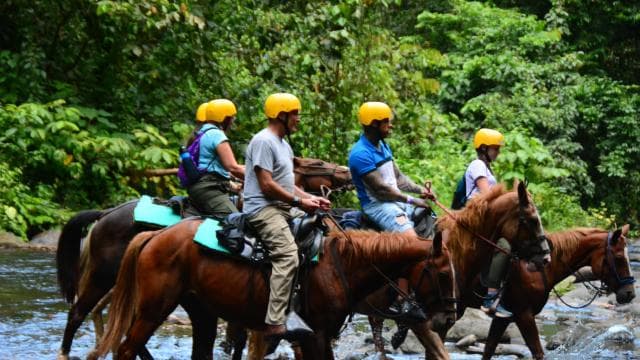
La Fortuna: Arenal River Horseback Riding
5.0(72)
From$73
La Fortuna: Arenal River Horseback Riding
5.0 (72)
From$73per person
Book top-rated tours, excursions, and adventures in Punta Cana, Bayahibe, Santo Domingo, and across the Dominican Republic.
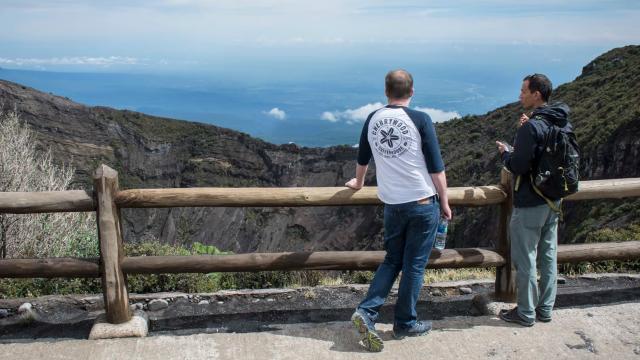
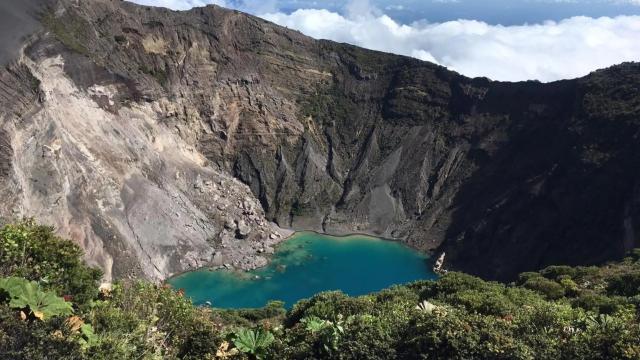
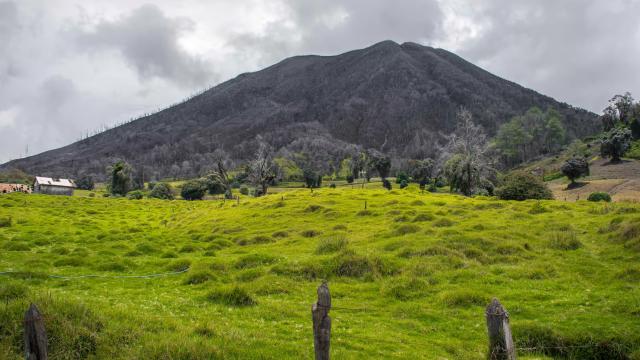
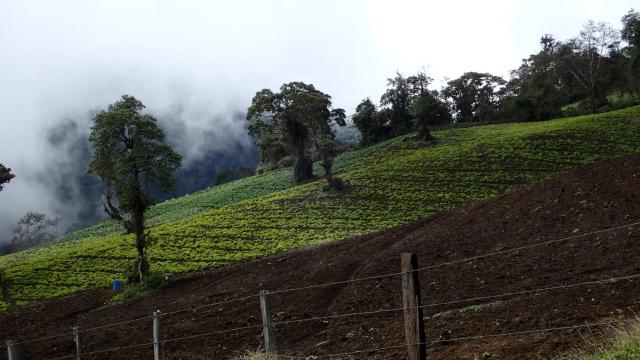
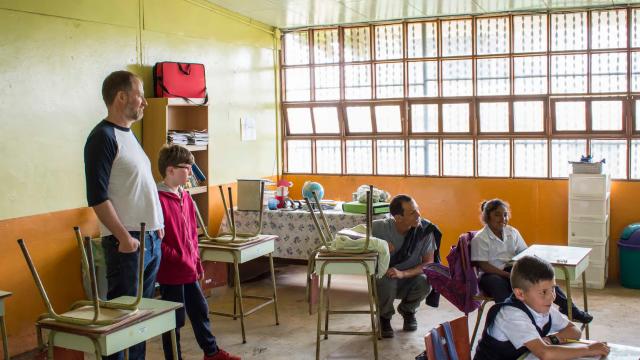
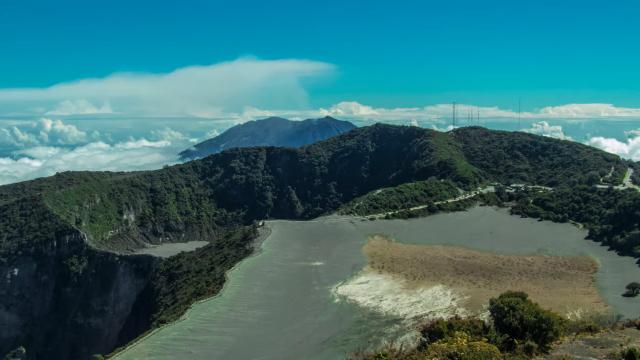
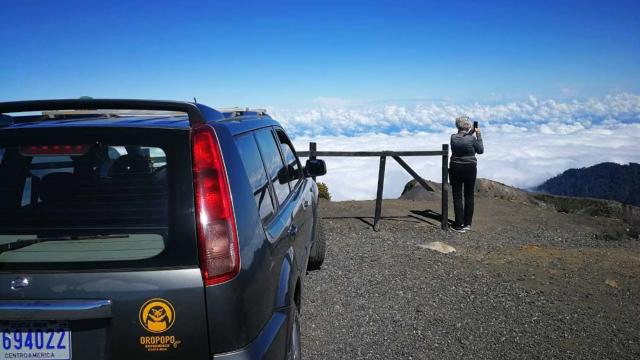
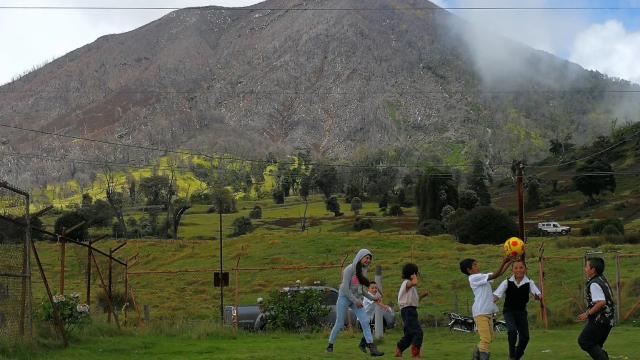
Costa Rica is a country where dramatic volcanoes, ancient civilizations, misty forests, fertile farmland, and living traditions come together in remarkable harmony. For travelers staying in San José, one of the most rewarding ways to experience this diversity is to journey beyond the capital and discover two very different sides of Costa Rica: the powerful volcanic landscape of Irazú and the mysterious archaeological world of Guayabo. The From San José: Secrets of Guayabo & Irazú Volcano day tour takes you from the urban energy of San José into the highlands and countryside of Cartago, where spectacular natural scenery and fascinating history unfold throughout the day. From standing near the crater of Costa Rica’s highest volcano to walking among ancient pre-Hispanic ruins surrounded by rainforest, this experience offers far more than a conventional sightseeing trip. Travel in a private 4WD vehicle and enjoy the comfort of a personalized journey accompanied by a certified biologist or knowledgeable guide. Along the way, discover changing landscapes, winding mountain roads, colorful agricultural areas, unique ecosystems, local communities, and stories that reveal a deeper side of Costa Rica. This is a day for travelers who want to understand the country rather than simply pass through it. Your adventure begins in San José, where you are picked up from your hotel or Airbnb before setting out toward the highlands of Cartago. As the city gradually disappears behind you, the landscape changes. Roads climb into cooler elevations, farmland stretches across the hillsides, and the scenery becomes increasingly rural. The destination is Irazú Volcano National Park, home to one of Costa Rica’s most impressive volcanic landscapes. Irazú is Costa Rica’s highest volcano, rising dramatically above the surrounding countryside. Reaching the volcano means entering a world that feels completely different from the tropical lowlands. The air becomes cooler, vegetation becomes more compact, and the landscape takes on a rugged, almost otherworldly appearance. At the volcano, you have the opportunity to approach the crater area and admire the striking geological formations created by centuries of volcanic activity. The experience is not simply about looking into a crater. It is about standing in a high-altitude environment where geology, climate, vegetation, and history come together. The surrounding Páramo ecosystem adds another fascinating dimension to the visit. This high-elevation environment supports distinctive miniature vegetation and specialized plant life adapted to cool, exposed conditions. Your guide can help you notice details that might otherwise be easy to overlook, transforming a scenic stop into a meaningful nature experience. Few experiences compare with arriving at a volcano and seeing its crater landscape in person. At Irazú, the scale of the environment immediately captures your attention. The volcanic terrain creates a powerful contrast with the green agricultural landscapes found farther down the mountain. Depending on the weather and visibility, the views can stretch across large portions of the surrounding region. For photographers, this is an especially rewarding part of the journey. The combination of volcanic textures, changing light, mountain scenery, and unusual vegetation creates countless opportunities for memorable photographs. But the real attraction is the feeling of being there. You are not simply observing a volcano from a distant viewpoint. You are entering one of Costa Rica’s most significant volcanic landscapes and experiencing the atmosphere of the high mountains firsthand. The weather at high elevation can change quickly, which makes the environment even more fascinating. Bright sunshine can give way to clouds and mist, while cool mountain air provides a refreshing contrast to warmer conditions in San José. This is why a light jacket is recommended even when the weather in the capital feels warm. The Irazú experience also provides an opportunity to appreciate an ecosystem that differs significantly from Costa Rica’s better-known tropical rainforests. The Páramo environment is shaped by altitude, cool temperatures, wind, and changing weather. Plants here have adapted to conditions that are very different from those found at lower elevations. Instead of towering tropical trees, visitors encounter more compact vegetation and distinctive highland flora. Having a certified biologist or knowledgeable guide makes this part of the experience more meaningful. Rather than simply walking through the landscape, you can learn about how plants and wildlife adapt to high-altitude conditions and why these ecosystems are important. This is one of the strengths of the tour: nature is not treated as a backdrop. The landscape becomes part of the story. After exploring the volcano, the journey continues through the scenic countryside of Cartago. This transition is one of the most enjoyable aspects of the day. The stark volcanic environment gradually gives way to greener hills, farms, rural communities, and winding roads. The countryside reveals another side of Costa Rica that many visitors never see when they remain around the major tourist centers. Cartago has long been associated with agriculture and rural life, and the landscapes along the route reflect that heritage. Depending on the season and location, you may see cultivated fields, mountain slopes, small settlements, and colorful rural scenery. The road itself becomes part of the adventure. Instead of rushing directly between attractions, you have the chance to appreciate the changing scenery from the comfort of a private 4WD vehicle. The journey offers natural pauses between the major highlights and allows you to see how Costa Rica’s volcanic geography influences everyday life. One of the more unusual stops on this Costa Rica day tour is the “Central Town” near the base of Turrialba Volcano. The atmosphere here is remarkably different from the lively streets of San José. The area has an eerie and photogenic character, offering travelers an opportunity to see a less conventional side of Costa Rica. Surrounded by volcanic landscapes and mountain scenery, the location provides an intriguing connection between natural forces and human settlement. Its quiet atmosphere encourages visitors to slow down, observe their surroundings, and take photographs. For travelers interested in unusual destinations, hidden places, and stories beyond standard tourist attractions, this stop adds a distinctive element to the itinerary. It is also a reminder that Costa Rica’s volcanoes are not merely scenic landmarks. They have influenced landscapes, communities, agriculture, history, and the daily lives of people living around them. One of the biggest advantages of this experience is the opportunity to travel through areas that are often missed on quick city-based excursions. The roads through Cartago’s countryside wind through green hills and agricultural landscapes, creating an authentic travel experience between major attractions. Every turn can reveal a new perspective of the mountains. For visitors who enjoy photography, these stretches of the journey can be surprisingly memorable. Rural Costa Rica has a natural beauty that does not always require a major attraction. A mountain road, a green field, a small village, or a distant volcano can become one of the most memorable images of the day. The private 4WD transportation also makes the journey more comfortable and flexible, allowing you to focus on the scenery rather than navigating unfamiliar roads. A great travel experience should engage more than your eyes, and this tour also introduces you to Costa Rican food. During the journey, enjoy a traditional Costa Rican lunch at a family-run grill house. The meal provides a welcome opportunity to relax after exploring the volcanic landscapes and before continuing toward Guayabo. The lunch is more than simply a practical stop between attractions. Local food is an important part of understanding Costa Rica, and a family-run setting offers a more personal atmosphere than a generic tourist restaurant. Traditional Costa Rican cuisine is known for its comforting combination of rice, beans, vegetables, meats, and locally influenced flavors. Depending on the available meal selection, travelers can enjoy the kind of satisfying food that fits naturally into a day spent exploring the mountains and countryside. The listed lunch allowance is approximately $8–$13 per person, making it easy to enjoy a traditional meal during the excursion. For travelers who enjoy combining sightseeing with culinary discovery, this part of the day adds another layer to the overall experience. After lunch, the journey continues toward one of the most fascinating cultural attractions in Costa Rica: the Guayabo Archaeological Site. Here, the focus changes completely. The morning has been dominated by volcanoes, highland ecosystems, and dramatic landscapes. At Guayabo, the story turns toward people, engineering, culture, and the ancient past. The archaeological site preserves the remains of a sophisticated pre-Hispanic settlement surrounded by lush vegetation. Walking through the site provides a rare opportunity to connect with the civilizations that existed in Costa Rica long before modern cities, highways, and tourism. The ruins are particularly interesting because they reveal evidence of advanced planning and engineering. Structures, pathways, water systems, and other archaeological features offer clues about how people lived, organized their communities, and interacted with their environment. Entering Guayabo feels like stepping into a different chapter of Costa Rica’s history. The site is surrounded by greenery, creating a remarkable contrast between ancient stone structures and tropical vegetation. As you walk through the archaeological area, the forest becomes part of the experience rather than simply a scenic background. The combination of archaeology and nature makes Guayabo particularly appealing to travelers who want something beyond conventional beach or adventure activities. Here, you can slow down and look closely. Ancient pathways reveal how people moved through the settlement. Remnants of structures provide clues about community organization. Water-related engineering features demonstrate an understanding of the local environment. The surrounding forest reminds visitors that these ancient settlements existed within a living natural landscape. With a knowledgeable guide, the archaeological remains become much easier to understand. Instead of seeing stones and pathways as isolated objects, you can begin to imagine the people who built and used them. Costa Rica is often associated internationally with wildlife, beaches, rainforests, and adventure sports. Yet its cultural heritage is equally important. The Guayabo Archaeological Site offers a window into the country’s pre-Hispanic past and demonstrates that sophisticated societies developed throughout the region long before European arrival. For history lovers, this can be one of the most rewarding parts of the tour. The site encourages visitors to think about how communities functioned centuries ago. How did people organize settlements How did they manage water How did they adapt to the landscape What technologies did they use What can modern researchers learn from the structures that remain? These questions transform the visit into an engaging historical experience. Rather than simply checking another attraction off a sightseeing list, you are given an opportunity to connect Costa Rica’s present with its much older past. What makes this day tour especially distinctive is the way it combines two completely different experiences. At Irazú, the story is written in volcanic rock and high-elevation ecosystems. At Guayabo, the story is written in archaeological remains and ancient engineering. Between them lies the countryside of Cartago, where agriculture, rural communities, and mountain landscapes connect the two experiences. This creates a natural narrative for the entire day: Volcano → Highland Ecosystem → Rural Countryside → Local Food → Ancient Civilization → Rainforest → San José Few day trips from San José offer such a broad combination of landscapes and cultural experiences in one itinerary. The best Costa Rica experiences are often the ones that make you feel connected to the destination. This tour is designed around that idea. You are not simply transported from one attraction to another. You experience changes in elevation, climate, scenery, culture, history, and environment throughout the day. You begin in the metropolitan area of San José and gradually enter the mountains. You experience a volcanic national park, observe a specialized highland ecosystem, travel through rural Cartago, stop in a distinctive settlement near Turrialba Volcano, enjoy local food, and then explore an archaeological site hidden within a lush landscape. By the time you return to San José, Costa Rica feels less like a collection of tourist attractions and more like a connected story. The Secrets of Guayabo and Irazú Volcano tour is particularly suitable for travelers who enjoy variety. If you love volcanoes, you have Irazú. If you enjoy nature, you have the high-elevation ecosystem and rainforest surroundings. If history interests you, Guayabo provides one of Costa Rica’s most fascinating archaeological experiences. If you enjoy photography, the mountain roads, volcanic landscapes, rural scenery, and archaeological site provide abundant subjects. If food is part of your travel experience, the traditional Costa Rican lunch adds a local flavor to the journey. And if you simply want to escape the city for a day and experience a different side of Costa Rica, the route provides a refreshing change of scenery. Traveling in a private 4WD vehicle gives the experience a more personal character. Instead of feeling like one traveler among a large crowd, you can enjoy a more intimate journey with personalized attention from your guide. Small-group travel also makes it easier to ask questions, stop to appreciate interesting scenery, and engage with the stories behind the destinations. The guide is an important part of the experience. A certified biologist or knowledgeable guide can help interpret the natural environment and explain the historical and cultural significance of the places you visit. This is especially valuable in Costa Rica, where a simple landscape can contain layers of ecological and cultural meaning that are not immediately visible to first-time visitors. Bring your camera because this journey offers plenty of memorable views. At Irazú, volcanic scenery creates dramatic photographs. In Cartago, mountain roads and agricultural landscapes offer colorful countryside scenes. Near Turrialba, the quieter surroundings create a more unusual photographic atmosphere. At Guayabo, ancient structures framed by greenery provide a striking combination of history and nature. Photography opportunities also arise naturally during the drive. Rather than focusing exclusively on famous landmarks, keep an eye on the details: changing vegetation, distant mountains, rural homes, cultivated fields, mist moving across the hills, and the contrast between developed and natural landscapes. These smaller moments often become the photographs that best capture the feeling of a Costa Rican journey. There are many ways to explore Costa Rica from San José, but this experience is different because it combines natural scenery, volcanic landscapes, archaeology, local culture, food, and rural travel in a single day. The itinerary has enough variety to keep the experience engaging without focusing entirely on one activity. You can begin your morning surrounded by high-altitude volcanic scenery and finish your afternoon walking through a rainforest-covered archaeological site. That contrast is what makes the journey memorable. It is an ideal choice for travelers who want to see more than the capital but have limited time in Costa Rica. A Costa Rica vacation can easily become focused on beaches, waterfalls, wildlife, or adventure activities. Those experiences are wonderful, but understanding the country also means seeing its mountains, agricultural regions, archaeological heritage, and volcanic landscapes. This tour provides exactly that opportunity. It takes you beyond the familiar tourist image of Costa Rica and introduces you to a destination shaped by powerful geological forces and centuries of human history. From the summit of Irazú to the ancient pathways of Guayabo, every stage of the journey reveals something different. One of the most powerful aspects of travel is seeing how geography influences a country. Costa Rica’s volcanic mountains have shaped its soils, ecosystems, agriculture, settlements, and tourism. The landscapes around Cartago demonstrate this connection beautifully. The highlands provide cooler conditions and unique vegetation. Lower elevations support farming and greener landscapes. Ancient communities adapted to the terrain and developed sophisticated ways to manage water and organize settlements. On this journey, you can see these relationships for yourself. Instead of learning about Costa Rica only through guidebooks, you experience its geography directly. From the moment you leave San José, the day is filled with contrasts. Expect a comfortable journey in a private 4WD vehicle, changing mountain scenery, cool conditions at Irazú, opportunities to explore the volcanic crater area, a stop near Turrialba Volcano, a traditional Costa Rican lunch, and an informative visit to Guayabo Archaeological Site. Expect your guide to provide context and help you understand what you are seeing. Expect the weather to change. Expect to take photographs. Expect to discover parts of Costa Rica that are very different from the capital. Most importantly, expect a day that combines adventure with discovery rather than focusing on just one type of attraction. Imagine returning to San José in the evening after spending the day surrounded by volcanoes, mountains, farmland, rainforest, and archaeological ruins. You have looked into the landscape of Irazú. You have walked through an ancient settlement at Guayabo. You have tasted traditional Costa Rican food. You have traveled through rural Cartago. You have learned about highland ecosystems and pre-Hispanic culture. That combination creates a much richer memory than a simple sightseeing stop. It becomes a story you can take home. The tour currently starts from $148 per person, with the experience including private 4WD transportation, a certified biologist or guide, national park parking, entrance fees to Irazú Volcano and Guayabo Archaeological Site, and a traditional Costa Rican lunch allowance of approximately $8–$13 per person. Travelers should bring a water bottle, sunscreen, cash or a credit card, and a jacket suitable for variable weather. The high-elevation conditions around Irazú can be considerably cooler than San José, so having an extra layer is a smart choice. After booking, the tour team contacts travelers one day before the experience to confirm the exact hotel or Airbnb pickup time or the selected meeting point. Keeping your WhatsApp number, phone number, or email accurate during booking helps ensure smooth communication. With its combination of volcanic scenery, rainforest, archaeology, rural landscapes, local food, and personalized transportation, the From San José: Secrets of Guayabo & Irazú Volcano tour is an exceptional way to spend a day discovering the natural and cultural depth of Costa Rica. Leave San José behind for a day and follow the road into the mountains. Stand beside one of Costa Rica’s most impressive volcanoes. Explore an ancient settlement hidden among the greenery. Taste the flavors of the country. Travel through the beautiful countryside of Cartago. And return to San José with a deeper appreciation for the landscapes, history, and people that make Costa Rica so extraordinary. Costa Rica is not only about where you arrive. It is about how far you are willing to explore. The road from San José to Irazú and Guayabo reveals a country of contrasts: volcanic and green, ancient and modern, rural and urban, wild and cultivated. For travelers searching for a meaningful day trip from San José, a memorable Irazú Volcano tour, or a cultural experience that combines Guayabo Archaeological Site with Costa Rica’s volcanic highlands, this journey offers an unforgettable introduction to the country beyond the capital. Come for the volcano. Stay for the history. Remember the landscapes. And discover the secrets of Guayabo and Irazú for yourself. A visit to Costa Rica is rarely complete without leaving the city behind and discovering the landscapes that make the country so extraordinary. The From San José: Secrets of Guayabo & Irazú Volcano tour is designed for travelers who want to experience much more than a standard city excursion. This full-day journey connects the dramatic volcanic landscape of Irazú with the fascinating archaeological heritage of Guayabo. Along the way, you travel through the countryside of Cartago, visit a distinctive community near Turrialba Volcano, enjoy a traditional Costa Rican meal, and discover ancient ruins surrounded by lush vegetation. The tour is currently listed from $148 per person and includes private 4WD transportation, a certified biologist or guide, national park parking, entrance fees to Irazú Volcano and Guayabo Archaeological Site, and a traditional Costa Rican lunch allowance of approximately $8–$13 per person. Rather than spending the entire day at one attraction, this experience gives you a changing sequence of landscapes and stories. It is a particularly appealing option for travelers staying in San José who want to experience Costa Rica's mountains, volcanoes, rural countryside, archaeology, and local culture within one carefully organized excursion. Your adventure begins with pickup from your hotel or Airbnb in San José. Transportation is provided in a private 4WD vehicle, creating a comfortable and personalized start to the day. The exact pickup time or meeting point is confirmed by the tour team one day before departure. Travelers who select a meeting point during booking should arrive at the selected location at the scheduled time. This advance confirmation is useful because it allows the tour team to coordinate the day's transportation efficiently and ensure that travelers know exactly where and when to meet. Once everyone is ready, the journey begins. The urban environment of San José gradually gives way to mountain roads and rural landscapes. This transition is part of the experience. Instead of suddenly arriving at a major attraction, you watch Costa Rica change outside your window. The farther you travel into the highlands, the more noticeable the differences become. The air becomes cooler. The roads become more winding. The landscape becomes greener and more agricultural. And the dramatic volcanic geography of Costa Rica begins to dominate the horizon. The first major destination is Irazú Volcano National Park, home to Costa Rica's highest volcano. Irazú rises above the surrounding landscape and provides a dramatic introduction to the country's volcanic highlands. The official conservation authority notes that the park's crater sector includes visitor facilities such as parking, sanitation services, an information booth, and designated lunch areas. As you approach the park, the landscape becomes increasingly distinctive. The lush tropical vegetation associated with Costa Rica's lower elevations gives way to highland environments shaped by altitude and cooler temperatures. Clouds and mist can add an atmospheric quality to the mountain scenery, while clear weather can reveal expansive views across the surrounding countryside. For travelers arriving from San José, the change can feel surprisingly dramatic. You have gone from the capital's urban environment to a volcanic landscape in only part of a day. One of the major highlights of the excursion is exploring the crater area of Irazú. The tour page describes the experience as an opportunity to enter the crater area of Costa Rica's highest volcano and observe its distinctive volcanic landscape. This is one of those travel moments where photographs cannot completely communicate the feeling of being present. The scale of the landscape, the volcanic terrain, the altitude, and the surrounding mountains create an environment that feels completely different from the streets of San José. Take your time here. Look across the volcanic formations. Observe the unusual vegetation. Listen to your guide's explanation of the landscape. And allow yourself a few quiet moments simply to take in the scenery. The Irazú visit is not only a sightseeing opportunity but also a chance to understand the geological forces that have shaped Costa Rica. Irazú also introduces travelers to a distinctive high-elevation environment known as the Páramo. The ecosystem is particularly interesting because altitude influences almost everything about the landscape. Vegetation must adapt to cooler temperatures, strong exposure, changing weather, and other high-mountain conditions. A certified biologist or knowledgeable guide accompanies the experience, helping travelers understand the natural environment rather than simply viewing it from a distance. The tour listing specifically identifies a certified biologist or guide among the inclusions. For nature enthusiasts, this can be one of the most educational parts of the day. Costa Rica is famous for rainforests and tropical biodiversity, but its high-altitude ecosystems demonstrate that the country has far more ecological variety than many visitors realize. After exploring Irazú, the journey continues through the highlands toward the Turrialba Volcano region. This section of the route provides a completely different perspective of Costa Rica. The dramatic volcanic terrain gradually meets rural landscapes, agricultural areas, mountain roads, and communities. The drive gives you time to appreciate how people live within the country's volcanic geography. This is where the private 4WD transportation becomes particularly valuable. Instead of worrying about navigation, parking, road conditions, or unfamiliar routes, you can focus on the scenery and enjoy the journey. Keep your camera nearby. Some of the most memorable images from the day may come from the drive between attractions rather than from the official viewpoints. The itinerary includes a visit to the charmingly unusual “Central Town” at the foot of Turrialba Volcano. The tour describes the area as eerily abandoned yet highly photogenic. This stop introduces an atmospheric element to the itinerary. While many Costa Rica tours focus exclusively on bright tropical scenery and adventure activities, this location offers something more unusual. The quieter surroundings and volcanic setting create an intriguing environment for exploration and photography. The area provides another reminder that volcanoes are deeply connected with human settlement. People have built communities around these mountains for generations, while volcanic activity has continually influenced the surrounding environment. For travelers interested in unusual places and lesser-known stories, this can become one of the most memorable stops of the day. After a morning of exploration, it is time to slow down and enjoy a traditional Costa Rican meal at a family-run grill house. The tour includes a lunch allowance of approximately $8–$13 per person. Food provides an important cultural connection during travel. A traditional meal gives you the chance to experience flavors associated with everyday Costa Rican cuisine while taking a break from the day's sightseeing. The relaxed setting also creates an opportunity to talk with your guide, discuss the morning's experiences, and prepare for the archaeological portion of the itinerary. For many travelers, meals become part of their memories of a destination. A simple local lunch enjoyed after a morning among volcanoes can be surprisingly memorable. After lunch, the journey continues through the countryside toward Guayabo. Cartago's rural landscapes provide some of the most beautiful driving scenery of the day. Expect winding roads, agricultural areas, mountain views, green hills, and rural communities. The landscape offers a glimpse into a side of Costa Rica that can easily be missed when travelers stay within the country's major tourist centers. This part of the tour is intentionally different from the major attractions. There is no need to rush. Watch the scenery change outside the vehicle. Look for farms and cultivated fields. Observe the mountain slopes. Notice how settlements appear and disappear along the roads. These seemingly ordinary details help create a fuller picture of Costa Rican life. The second major highlight is the Guayabo Archaeological Site, where the focus changes from geology to history. Guayabo National Monument preserves an important archaeological landscape where travelers can explore remnants of a sophisticated pre-Hispanic settlement. The official conservation authority describes visitor access to an interpretive trail, viewpoints, and a section of the excavated archaeological site reached via a path with railings. This makes Guayabo especially interesting for travelers who want to combine nature with cultural discovery. The archaeological remains are surrounded by lush vegetation, creating a fascinating contrast between ancient structures and the living rainforest. Walking through Guayabo is an experience of discovery. Rather than viewing ancient objects inside a museum, you encounter archaeological remains in the landscape where they were originally built and used. Ancient pathways, structures, water-management features, and settlement remains provide clues about the people who lived here. The longer you look, the more interesting the site becomes. A stone pathway is no longer simply a line of rocks. A water channel becomes evidence of engineering. A circular structure becomes part of a larger settlement. The surrounding vegetation becomes a reminder that ancient communities developed within a natural environment and adapted to the landscape around them. This is why having a guide can make such a difference. The archaeological remains tell part of the story visually, while interpretation helps connect those physical features to the people and culture behind them. Costa Rica's cultural heritage extends far beyond its colonial-era towns and modern cities. Guayabo offers travelers a chance to explore a much older chapter of the country's history. The site demonstrates the sophistication of pre-Hispanic communities and provides insight into settlement organization, engineering, water management, and interaction with the surrounding environment. For history lovers, archaeology enthusiasts, students, photographers, and travelers who simply enjoy discovering places with a deeper story, this part of the itinerary can be exceptionally rewarding. Instead of asking only, “What am I looking at?”, you can begin asking: Who built this? How did they live? How did they manage water? Why was this location important? How did the surrounding environment influence the settlement? Those questions make the visit more engaging and memorable. Guayabo's archaeological importance is complemented by its natural surroundings. The lush vegetation creates a peaceful atmosphere around the ruins and gives the visit a distinctly Costa Rican character. The combination of rainforest and archaeology is unusual. You can stand beside ancient structures while surrounded by greenery and natural sounds. The experience provides a visual reminder of the relationship between human history and the environment. For photographers, this combination is particularly appealing. Ancient stonework framed by tropical vegetation can produce striking images, while the forest itself offers opportunities to observe plants, textures, and wildlife. Even if your primary interest is history, take time to appreciate the natural environment around the archaeological site. After exploring Guayabo, the journey back toward San José begins. The return drive gives you time to reflect on the experiences of the day. In the morning, you were standing in a volcanic landscape. Later, you traveled through rural communities and agricultural areas. Then you walked through an ancient settlement surrounded by rainforest. The journey back connects all these experiences into one continuous story. By the time you reach San José, you will have experienced a remarkably broad cross-section of Costa Rica within a single day. The strongest advantage of this excursion is variety. You are not spending an entire day doing one activity. Instead, the experience combines: The official tour page confirms these central elements of the experience. This makes the tour particularly valuable for travelers with limited time in Costa Rica. If this is your first trip to Costa Rica, it can be difficult to decide which experiences to prioritize. The country offers beaches, volcanoes, rainforests, wildlife reserves, waterfalls, coffee plantations, hot springs, archaeological sites, and adventure activities. This tour provides an excellent introduction to several of those themes without requiring multiple separate excursions. You can experience the volcanic highlands and archaeological heritage in one day while returning to San José in the evening. Photography enthusiasts will find plenty of opportunities throughout the route. At Irazú, capture volcanic landscapes and high-altitude scenery. During the countryside drive, photograph mountains, farmland, roads, and rural life. At the Central Town, experiment with atmospheric and unusual compositions. At Guayabo, capture ancient structures surrounded by rainforest. The variety means you can return with photographs that tell an entire travel story rather than simply documenting one attraction. Travelers interested in history often want more than a quick visit to a museum. Guayabo offers an opportunity to experience history in the landscape itself. The archaeological site allows you to walk among the remains of a pre-Hispanic settlement and understand how ancient communities interacted with their surroundings. Combined with the volcanic history of Irazú and Turrialba, the tour creates an interesting connection between natural and human history. Nature lovers benefit from the ecological variety of the itinerary. The day begins in a high-elevation volcanic environment and eventually reaches the greener surroundings of Guayabo. The Páramo ecosystem provides a look at high-altitude flora and fauna, while the rainforest around the archaeological site introduces a very different natural environment. The presence of a certified biologist or guide further strengthens the educational aspect of the journey. The weather at Irazú can be noticeably cooler than in San José. The tour operator specifically recommends bringing a jacket because of variable weather. A layered outfit is therefore the most practical approach. You can add a jacket at higher elevations and remove it later if temperatures become warmer. Even when temperatures feel cool, high-altitude sunlight can be strong. Bring sunscreen and apply it before leaving San José. Sunglasses and a hat can also be useful. The tour's recommended items include sunscreen. Staying hydrated is important during a full-day excursion. Bring a refillable water bottle and drink regularly, especially while walking around the archaeological site. The tour recommends bringing both a credit card and cash. Having both payment options is useful for personal purchases, additional food or drinks, souvenirs, and unexpected expenses. You will likely want to take photographs throughout the day. Charge your phone or camera before departure, and consider bringing a portable power bank. The journey includes several highly photogenic locations, so having sufficient battery capacity is worthwhile. Mountain weather can be unpredictable. A clear morning in San José does not necessarily mean that Irazú will have identical conditions. Clouds, mist, wind, and cooler temperatures are normal considerations for high-elevation travel. The tour operator recommends a jacket specifically because of variable weather. The itinerary includes walking at Irazú and at Guayabo. Comfortable walking shoes with good grip are therefore preferable to sandals or formal footwear. You do not need specialized hiking equipment for a standard visit, but shoes suitable for uneven paths will make the experience more comfortable. After reservation, the tour team contacts travelers one day before departure to confirm pickup details or the selected meeting point. Make sure the WhatsApp number, phone number, and email address provided during booking are correct. This simple step can prevent unnecessary confusion on the day of the tour. The tour includes private 4WD transportation, making the experience more comfortable and personalized than a standard large-group transfer. A certified biologist or guide is included, providing additional interpretation of the natural and cultural attractions visited during the excursion. Entrance fees to Irazú Volcano and Guayabo Archaeological Site are included in the tour package according to the current listing. The national park parking fee is also included. A traditional Costa Rican lunch is included with an allowance of approximately $8–$13 per person. The current advertised starting price is $148 per person. Prices can change based on availability, booking conditions, and tour arrangements, so travelers should verify the current price when making a reservation. Choosing a tour is about more than selecting an itinerary. Travelers also want confidence that transportation, communication, admission, and logistics are handled properly. This experience is structured to simplify the day. Private transportation removes the need to navigate unfamiliar mountain roads. Included entrance fees make the experience easier to budget. A professional guide adds educational value. Advance pickup confirmation provides clarity before departure. And the combination of natural and cultural attractions means that your day remains varied from beginning to end. The tour currently carries a 5.0 rating from 60 reviews on the GoBookingAdventures listing, indicating strong guest satisfaction on the current page. Small-group and private transportation create a more personal travel environment. You can ask questions, engage with your guide, and focus on the aspects of Costa Rica that interest you most. For travelers who prefer a more relaxed experience over a crowded sightseeing bus, this can be a major advantage. Planning an independent day trip to Irazú and Guayabo can involve coordinating transportation, admission tickets, parking, meals, driving routes, and timing. This tour brings those major components together. You can concentrate on enjoying Costa Rica rather than managing every logistical detail yourself. Couples looking for a meaningful day away from San José can enjoy a mixture of scenic landscapes, cultural discovery, photography, and local food. The changing scenery also makes the journey feel like an adventure rather than a simple transfer between attractions. Families interested in introducing children to volcanoes, nature, and history may find the variety appealing. Instead of spending the entire day on one type of activity, children can see volcanic landscapes, rural scenery, and archaeological remains. Families should consider the amount of walking involved and prepare appropriately for changing mountain weather. For travelers passionate about archaeology and ancient civilizations, Guayabo is a major reason to choose this itinerary. The ability to walk through an archaeological landscape rather than simply view artifacts inside a museum makes the experience particularly engaging. The Irazú Volcano and Páramo environment provide the natural highlight of the morning, while the rainforest surroundings of Guayabo add another ecological dimension later in the day. Few day trips from San José offer such a wide range of photographic subjects. Volcanoes, mountains, farms, roads, abandoned structures, ancient ruins, and rainforest can all appear within the same itinerary. Perhaps the best match is the traveler who simply wants to understand Costa Rica more deeply. If you enjoy asking questions, discovering unusual locations, learning local history, and seeing landscapes beyond the obvious tourist attractions, this tour is an excellent fit. Enjoy a more comfortable and personalized way to travel through Costa Rica's mountainous countryside. A certified biologist or guide adds educational context to the natural and historical attractions. Visit Irazú Volcano and Guayabo Archaeological Site without needing to arrange separate excursions. Enjoy a traditional Costa Rican lunch during the journey. Learn about pre-Hispanic heritage at one of Costa Rica's most important archaeological locations. Experience volcanic highlands, Páramo vegetation, agricultural countryside, and rainforest within one itinerary. Start and finish the experience around San José rather than changing hotels or spending the night outside the capital. The most memorable travel experiences are not always the ones with the longest list of activities. Sometimes they are the experiences that connect different parts of a destination. This tour does exactly that. Irazú introduces you to Costa Rica's volcanic forces. The Páramo introduces you to high-altitude ecology. Cartago introduces you to rural landscapes and agriculture. Turrialba introduces you to communities shaped by volcanic geography. Lunch introduces you to local flavors. Guayabo introduces you to the country's ancient cultural heritage. Together, these experiences create a much richer understanding of Costa Rica. If you are staying in San José and want to spend a day exploring beyond the city, the From San José: Secrets of Guayabo & Irazú Volcano tour offers an exceptional combination of nature, history, culture, food, and scenic travel. Stand at the crater of Costa Rica's highest volcano. Discover the unusual Páramo ecosystem. Travel through the beautiful countryside of Cartago. Visit the atmospheric Central Town near Turrialba Volcano. Enjoy a traditional Costa Rican lunch. Walk among the ancient remains of Guayabo. Learn about pre-Hispanic culture and local history. Then return to San José with a collection of experiences that reach far beyond conventional sightseeing. The tour is currently available from $148 per person, with major entrance fees, private 4WD transportation, guide services, parking, and the specified lunch allowance included. For travelers seeking a San José day trip to Irazú Volcano, a Guayabo Archaeological Site tour, or a unique Costa Rica volcano and culture experience, this journey offers an ideal balance of adventure and discovery. Your Costa Rican adventure does not have to end at the edge of San José. Follow the mountain roads. Explore the volcano. Walk through ancient history. Discover the countryside. And uncover the secrets of Guayabo and Irazú. This is a full-day excursion from San José combining Irazú Volcano, the Turrialba Volcano region, scenic Cartago countryside, a traditional Costa Rican lunch, and Guayabo Archaeological Site. The exact daily schedule and time spent at each stop can vary depending on weather, road conditions, and the day's operating arrangements. The tour starts in San José, Costa Rica. Pickup can be arranged from your hotel or Airbnb according to the tour's pickup arrangements. Travelers may also be given a designated meeting point, with the exact details confirmed before departure. Yes. The tour offers pickup from hotels or Airbnb accommodations in San José. The tour team contacts travelers approximately one day before the experience to confirm the pickup time or meeting point. The experience uses private 4WD transportation. This is particularly useful for a full-day journey through Costa Rica's mountainous and rural landscapes, providing a comfortable and personalized way to travel between the different attractions. Yes. Visiting Irazú Volcano National Park is one of the main highlights of the excursion. The tour includes the entrance fee and provides an opportunity to explore the crater area and experience the distinctive high-altitude volcanic landscape. Visitors can experience the volcanic crater area, high-elevation scenery, unusual vegetation, and the surrounding mountain landscape. Weather conditions can significantly affect visibility, so the scenery may look different from one day to another. It can be significantly cooler and windier at Irazú than in San José because of its high elevation. Weather can also change quickly. A warm or waterproof jacket and layered clothing are recommended. Yes. Guayabo Archaeological Site is one of the principal attractions included in the itinerary. The entrance fee is included, allowing travelers to explore the archaeological remains and learn about Costa Rica's pre-Hispanic heritage. Guayabo is an important archaeological site containing evidence of a sophisticated pre-Hispanic settlement. Visitors can see ancient structures, pathways, water-management features, and other archaeological remains surrounded by lush vegetation. Absolutely. Guayabo makes this tour particularly appealing to travelers interested in archaeology, ancient civilizations, anthropology, and Costa Rican history. The experience combines historical interpretation with the opportunity to explore the archaeological landscape in person. Yes. Nature is an important part of the itinerary. Travelers experience the volcanic environment of Irazú, high-altitude vegetation, mountain scenery, rural landscapes, and the lush surroundings of Guayabo. Yes. The experience includes a traditional Costa Rican lunch allowance of approximately $8–$13 per person at a family-run grill house. Travelers should check the current booking details for the exact meal arrangements available on their selected date. Wear comfortable clothing suitable for a full day outdoors. Comfortable walking shoes, layered clothing, a light jacket, and sun protection are recommended. Because the temperature can change between the highlands and lower elevations, layers are especially useful. Recommended items include: Packing light is preferable because you will be moving between several destinations during the day. Costa Rica's mountain weather can change quickly, particularly around high-elevation volcanic areas. The tour may continue during light or manageable rain, while significant weather or safety conditions can affect the itinerary. Travelers should bring suitable weather protection and follow the guide's instructions. Visitor facilities are available at the Irazú Volcano National Park crater sector, including sanitation facilities. Guayabo and other stops may also have facilities depending on the specific location and operating conditions. It is nevertheless a good idea to use facilities whenever you have the opportunity during a full-day excursion. No advanced hiking experience is required for the standard sightseeing itinerary. However, the tour involves walking around outdoor and archaeological areas, so travelers should be comfortable with moderate walking on potentially uneven surfaces. The experience can be suitable for families, particularly children who enjoy volcanoes, nature, history, and exploring new places. Parents should consider the full-day duration, changing temperatures, and amount of walking when deciding whether the itinerary is appropriate for younger children. It can be suitable for active seniors who are comfortable with walking and outdoor sightseeing. Because the itinerary includes high-elevation areas and archaeological paths, travelers with limited mobility should review the walking requirements and current conditions before booking. The experience uses private 4WD transportation, giving travelers a more personalized way to explore the route. This format is especially appealing to visitors who prefer flexibility and a more intimate travel experience.From San José: Secrets of Guayabo & Irazú Volcano
Discover Costa Rica’s Volcanoes, Ancient Mysteries, and Countryside in One Extraordinary Day
A Journey from Volcanoes to Ancient Civilizations
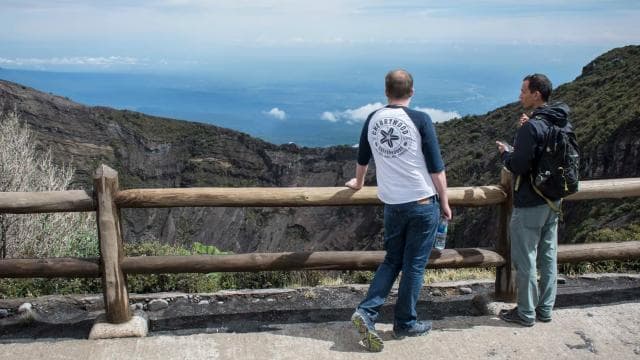
Experience the Majesty of Irazú Volcano
Discover the High-Elevation Páramo Ecosystem
From Irazú to the Countryside of Cartago
Visit the Mysterious Central Town at the Foot of Turrialba Volcano
A Scenic Drive Through Rural Costa Rica
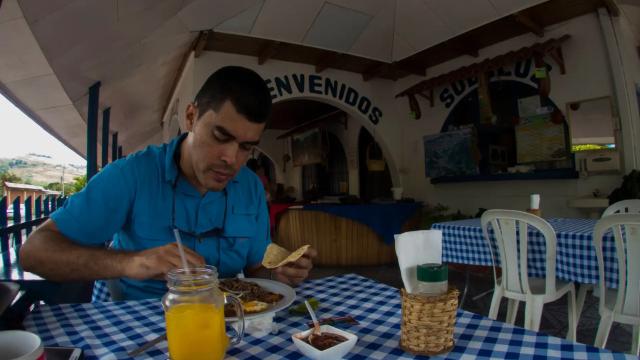
Taste Traditional Costa Rican Food at a Family-Run Grill House
Step Into the Ancient World of Guayabo
Explore Guayabo Archaeological Site and Rainforest
Discover Costa Rica’s Pre-Hispanic Heritage
A Unique Blend of Nature and History
More Than a Sightseeing Tour
Designed for Curious Travelers
A More Personal Way to Explore Costa Rica
Capture the Beauty of Costa Rica’s Highlands
Why This Day Trip from San José Stands Out
The Perfect Excursion for a Full Day of Discovery
Experience Costa Rica Through Its Landscapes
What Travelers Can Expect
A Meaningful Costa Rica Memory
Plan Your Guayabo and Irazú Volcano Adventure
Your Costa Rican Story Starts Beyond San José
From San José: Secrets of Guayabo & Irazú Volcano — Full Itinerary, Travel Tips & Booking Guide
Continue Your Costa Rica Adventure Beyond San José
Full Day Itinerary: From San José to Irazú and Guayabo
1. Hotel or Airbnb Pickup in San José
2. Journey to Irazú Volcano National Park
3. Explore the Irazú Volcano Crater Area
4. Discover the High-Altitude Páramo Ecosystem
5. Continue Toward Turrialba Volcano
6. Visit the “Central Town” Near Turrialba Volcano
7. Enjoy a Traditional Costa Rican Lunch
8. Travel Through Cartago’s Scenic Countryside
9. Arrive at Guayabo Archaeological Site
10. Walk Among Ancient Ruins
11. Learn About Pre-Hispanic Costa Rica
12. Explore the Rainforest Surroundings
13. Scenic Drive Back to San José
What Makes This Tour Worth Booking?
One Tour, Multiple Costa Rican Experiences
Ideal for First-Time Visitors
Perfect for Travelers Who Love Photography
A Strong Choice for History and Culture Lovers
Great for Nature Enthusiasts
Practical Travel Tips for Irazú Volcano and Guayabo
Dress in Layers
Bring Sun Protection
Carry a Reusable Water Bottle
Bring Cash and a Card
Keep Your Phone Charged
Check the Weather Before Departure
Wear Comfortable Shoes
Keep Your Contact Information Accurate
Important Information Before You Book
Transportation
Guide
Entrance Fees
Parking
Lunch
Price
Why Book Through GoBookingAdventures?
Personalized Attention
Less Planning, More Exploring
Who Should Take This Tour?
Couples
Families
History Lovers
Nature Lovers
Photographers
Curious Travelers
Booking Advantages at a Glance
Private 4WD Transportation
Professional Guidance
Two Major Attractions in One Day
Local Food Experience
Cultural Discovery
Natural Diversity
Convenient San José Departure
A Thoughtful Way to Experience Costa Rica
Book Your Irazú Volcano and Guayabo Adventure
Frequently Asked Questions – Irazú Volcano & Guayabo Tour from San José
1. How long is the Irazú Volcano and Guayabo tour from San José?
2. Where does the tour start?
3. Is hotel pickup included?
4. What transportation is used during the tour?
5. Is Irazú Volcano included in the tour?
6. What can I see at Irazú Volcano?
7. Is the Irazú Volcano area cold?
8. Is Guayabo Archaeological Site included?
9. What is special about Guayabo Archaeological Site?
10. Is the tour suitable for history lovers?
11. Is the tour suitable for nature lovers?
12. Is lunch included?
13. What should I wear for the Irazú Volcano and Guayabo tour?
14. What should I bring on the tour?
15. What happens if it rains?
16. Are bathrooms available during the tour?
17. Do I need hiking experience?
18. Can children join the tour?
19. Is this tour suitable for seniors?
20. Is the tour private?
После завершения бронирования наша команда свяжется с вами за день до поездки для уточнения времени трансфера от отеля/Airbnb.
Если вы выбрали точку сбора, ваше бронирование подтверждено — просто прибывайте на место вовремя.
Убедитесь, что номер WhatsApp, телефон и email указаны верно.
По вопросам изменений, погоды или особых пожеланий свяжитесь с нами:
Будем рады видеть вас! 🌴✨