Isla Pinzón - Day Tour - From Santa Cruz - Islas Galápagos
5.0(96)
From$250
Isla Pinzón - Day Tour - From Santa Cruz - Islas Galápagos
5.0 (96)
From$250per person
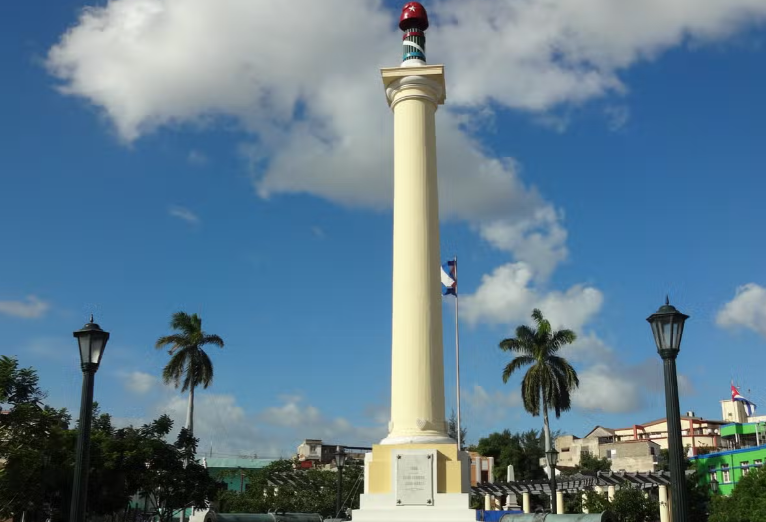
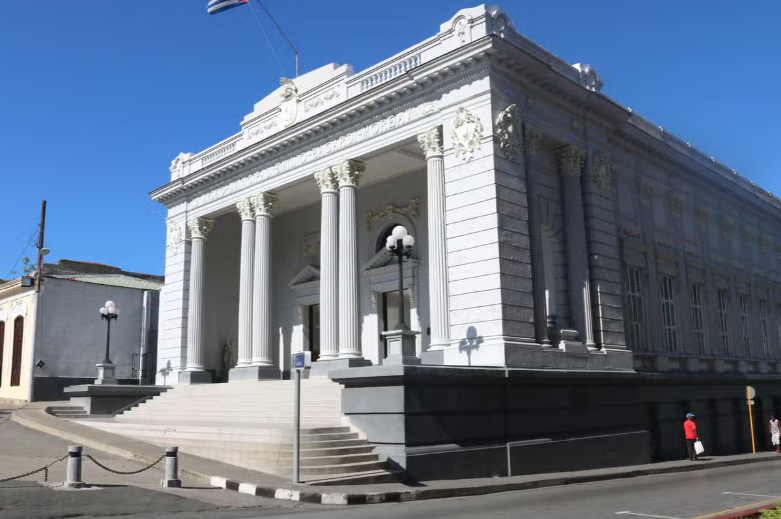
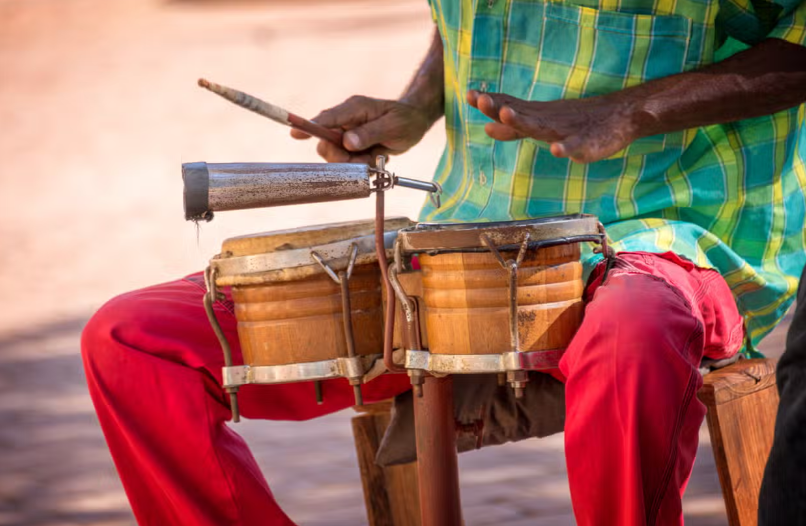
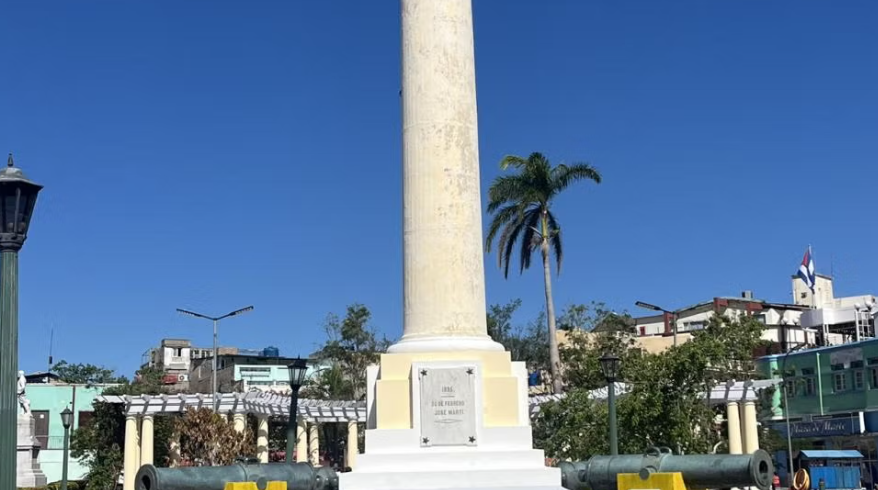
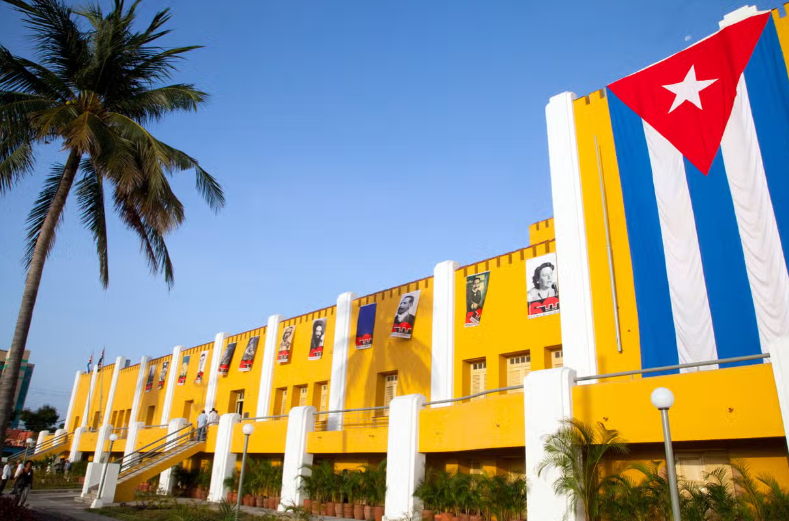
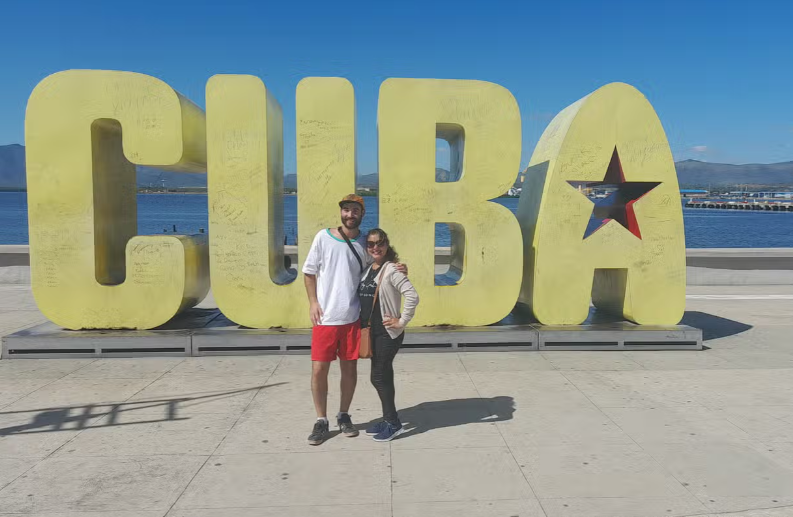
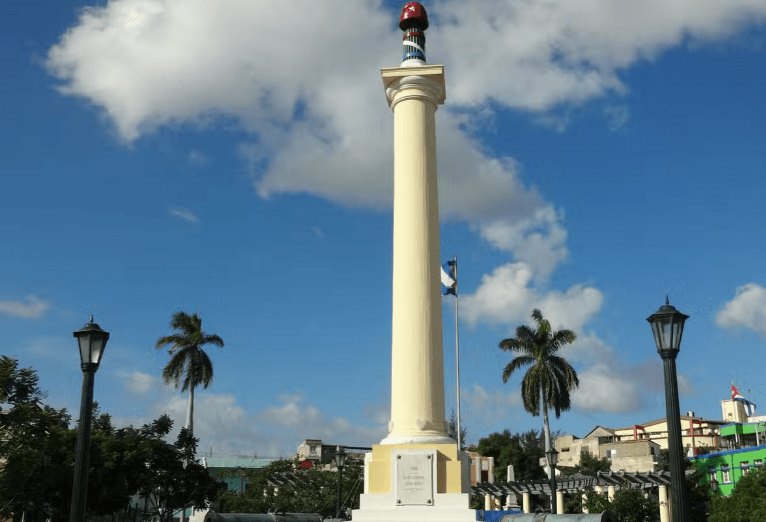
Odkryj Santiago de Cuba podczas bezpłatnej pieszej wycieczki. Odkryj zabytki kolonialne, historię rewolucji, kulturę muzyczną i ukryte skarby z lokalnymi przewodnikami.
Są miasta, które odwiedzasz i są takie, które czujesz. Santiago de Cuba zdecydowanie należy do drugiej kategorii.
Położone pomiędzy turkusowym Morzem Karaibskim a dramatycznymi górami Sierra Maestra, Santiago de Cuba to nie tylko cel podróży – to żywe muzeum kubańskiej tożsamości, ruchu oporu, muzyki i kultury. Znane jako „kolebka rewolucji” i jedno z najbogatszych kulturowo miast na Karaibach, Santiago oferuje surową, autentyczną i głęboko emocjonalną atmosferę.
Bezpłatna wycieczka po Santiago de Cuba jest przeznaczona dla podróżników, którzy chcą czegoś więcej niż tylko zwiedzanie. Jest dla tych, którzy chcą zrozumieć Kubę – nie poprzez broszury czy kurorty – ale poprzez prawdziwe ulice, prawdziwe historie i prawdziwych ludzi.
Od kolonialnych placów wypełnionych wielowiekową architekturą po rewolucyjne zabytki, które ukształtowały współczesną historię – ta bezpłatna piesza wycieczka poprowadzi Cię przez najbardziej kultowe i znaczące zakątki Santiago de Cuba. Po drodze usłyszysz historie o piratach, wojnach o niepodległość, dziedzictwie afrykańskim, ewolucji muzyki i potężnej rewolucji, która na zawsze zmieniła wyspę.
W przeciwieństwie do tradycyjnych płatnych wycieczek, ta bezpłatna piesza wycieczka po Santiago de Cuba opiera się na pasji, opowiadaniu historii i lokalnym wglądzie. Na koniec decydujesz o wartości na podstawie swojego doświadczenia, czyniąc ją przystępną, elastyczną i idealną dla turystów z plecakiem, odkrywców kulturowych i ciekawskich podróżników.
Bez względu na to, czy jest to Twój pierwszy raz na Kubie, czy zwiedzasz głębiej poza Hawanę, ta wycieczka stanowi doskonałe wprowadzenie w duszę Santiago de Cuba.
Przed zanurzeniem się w trasę pieszą ważne jest, aby zrozumieć, co sprawia, że Santiago de Cuba takie wyjątkowe.
Podczas gdy Hawana jest często postrzegana jako polityczna i architektoniczna wizytówka Kuby, Santiago jest jej emocjonalnym sercem. Jest to kolebka muzyki son, będącej połączeniem hiszpańskiej gitary i afrykańskich rytmów, która później dała początek salsie. To także miasto, w którym nasiliły się ruchy rewolucyjne i w którym nastąpiły najważniejsze historyczne punkty zwrotne.
Spacer po Santiago de Cuba jest inny, ponieważ:
To nie jest dopracowana scena turystyczna. To prawdziwa Kuba w ruchu.
Bezpłatna wycieczka po Santiago de Cuba to Twoja brama do tej rzeczywistości.
Bezpłatna wycieczka po Santiago de Cuba została starannie zaprojektowana, aby połączyć historię, kulturę, architekturę i lokalne opowieści w jedno wciągające doświadczenie.
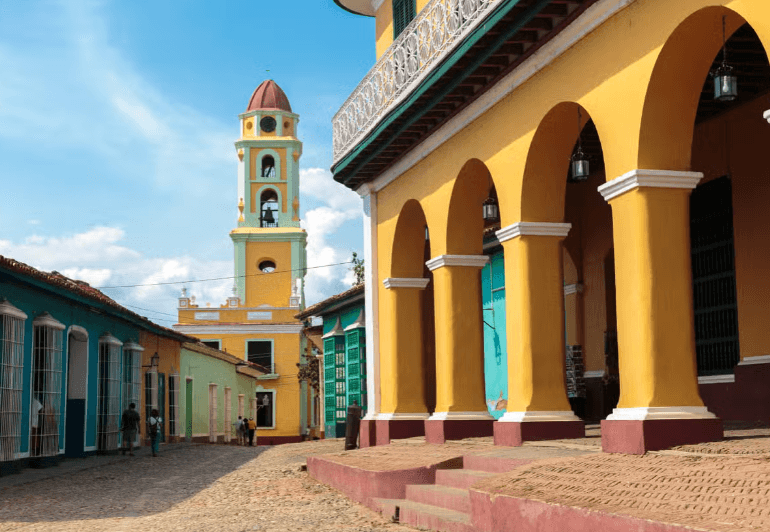
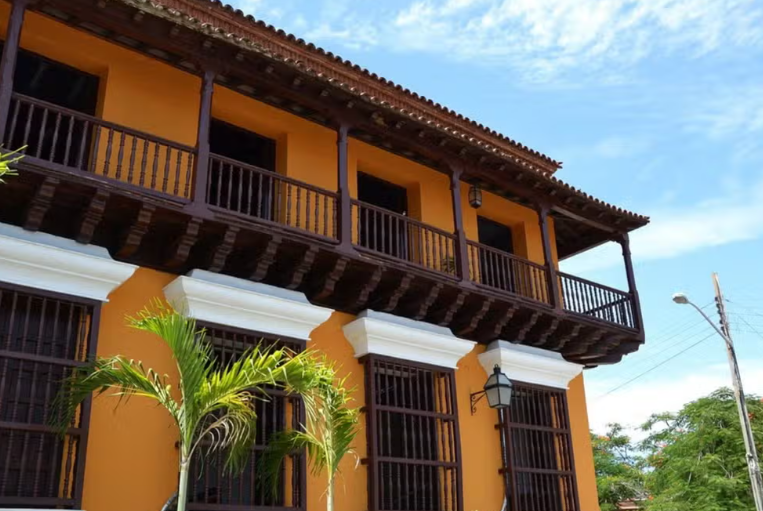
Spacer brukowanymi uliczkami, kolonialne place i kolorowe budynki odzwierciedlające wieki wpływów Hiszpanii.
Dowiedz się o rewolucji kubańskiej w kluczowych miejscach historycznych związanych z Fidelem Castro, koszarami Moncada i ruchami niepodległościowymi.
Poczuj piękno Parque Céspedes i katedry w Santiago – dwóch najważniejszych zabytków w Hiszpanii miasto.
Zrozum głębokie afrykańskie korzenie, które kształtują muzykę, religię i tradycje Santiago.
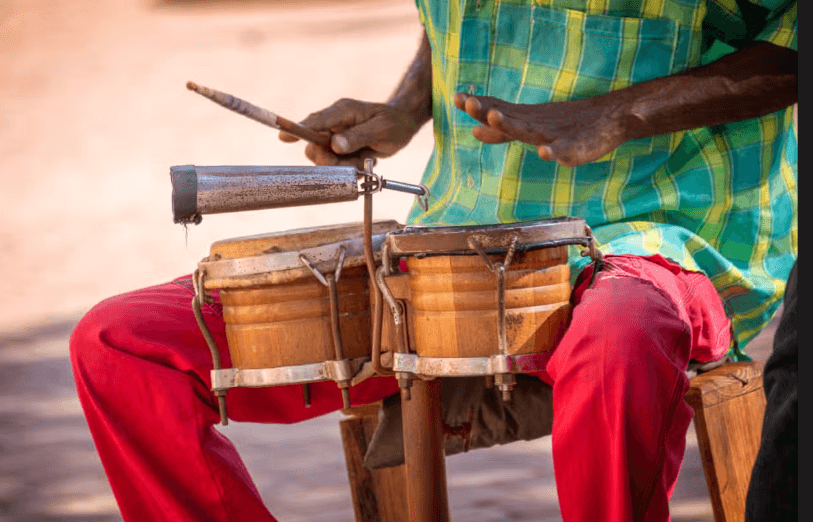
Usłysz na żywo son, rumbę i tradycyjne kubańskie rytmy wykonywane naturalnie w przestrzeni publicznej.
Twój przewodnik ożywia miasto wciągający historie, legendy i spostrzeżenia historyczne.
Odkryj ukryte dziedzińce, domy kultury i mniej znane uliczki poza szlakiem turystycznym.
Santiago de Cuba to nie tylko cel podróży – to oś czasu historii Kuby.
Założone w 1515 roku przez Hiszpanów konkwistadora Diego Velázqueza, miasto szybko stało się jedną z najważniejszych osad kolonialnych na Karaibach. Naturalny port uczynił go strategicznym miejscem dla handlu, obrony i operacji morskich. Z biegiem czasu stało się tyglem hiszpańskich osadników, afrykańskich niewolników, francuskich uchodźców i wpływów karaibskich.
To połączenie stworzyło wyjątkową tożsamość, która do dziś definiuje Santiago.
W XIX i XX wieku Santiago stało się ośrodkiem ruchów niepodległościowych przeciwko hiszpańskim rządom, a później odegrało kluczową rolę w rewolucji kubańskiej. Słynny atak na koszary Moncada w 1953 r. zapoczątkował ruch rewolucyjny Fidela Castro.
Ale poza polityką Santiago zawsze było potęgą kulturalną. Jest powszechnie uznawany za kolebkę muzyki kubańskiej, która wywarła wpływ na takie światowe gatunki, jak salsa i latynoski jazz.
Każda ulica w Santiago ma swoją historię:
Bezpłatna wycieczka po Santiago de Cuba łączy te historie w jedną potężną narrację.
Od chwili przybycia do Santiago de Cuba miasto wita Cię inaczej.
Powietrze wydaje się cieplejsze, cięższe i bardziej tropikalne. Ulice tętnią życiem – muzyka dobiegająca z otwartych okien, sprzedawcy wołający o świeże owoce i rozmowy toczące się po balkonach. Miasto się nie spieszy; oddycha.
Rozpoczynając pieszą wycieczkę, od razu zauważysz kontrast pomiędzy wspaniałą architekturą kolonialną a codziennym życiem lokalnym. Czas wydaje się tutaj warstwowy. Obok namalowanego w zeszłym tygodniu tętniącego życiem muralu ulicznego może stać 500-letni kościół. Klasyczne amerykańskie samochody mijają wozy konne. Historia i współczesne życie współistnieją w harmonii.
Twój przewodnik powoli wprowadzi Cię w ten rytm, pozwalając ci chłonąć atmosferę, zamiast się przez nią spieszyć.
To nie jest wycieczka z listą kontrolną. To doświadczenie zanurzenia.
Parque Céspedes
Podróż często rozpoczyna się w Parque Céspedes, najważniejszym i symbolicznym placu w Santiago de Cuba.
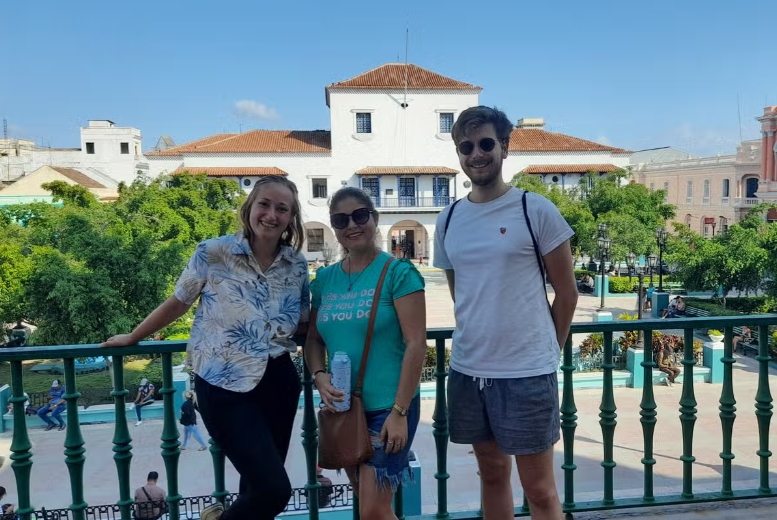
Otaczający niektóre z najważniejszych budynków w mieście plac ten reprezentuje polityczne, kulturalne i duchowe centrum Santiago. Tutaj historia nie jest odległa – jest żywa w każdym zakątku.
Park nosi imię Carlosa Manuela de Céspedesa, bohatera narodowego, który w 1868 r. zainicjował dziesięcioletnią wojnę Kuby o niepodległość.
Stojąc na placu, Twój przewodnik wyjaśni, jak to właśnie miejsce było świadkiem stuleci transformacji – od rządów kolonialnych, przez ruchy niepodległościowe, po przemówienia rewolucyjne.
Wokół parku znajdziesz:
Ale poza architekturą to, co czyni to miejsce niezapomnianym, to energia. Miejscowi zbierają się tu codziennie, bawią się dzieci, występują muzycy, a goście z całego świata zatrzymują się, aby chłonąć atmosferę.
W tym miejscu Twoja bezpłatna wycieczka po Santiago de Cuba naprawdę nabiera życia.
Katedra w Santiago de Cuba
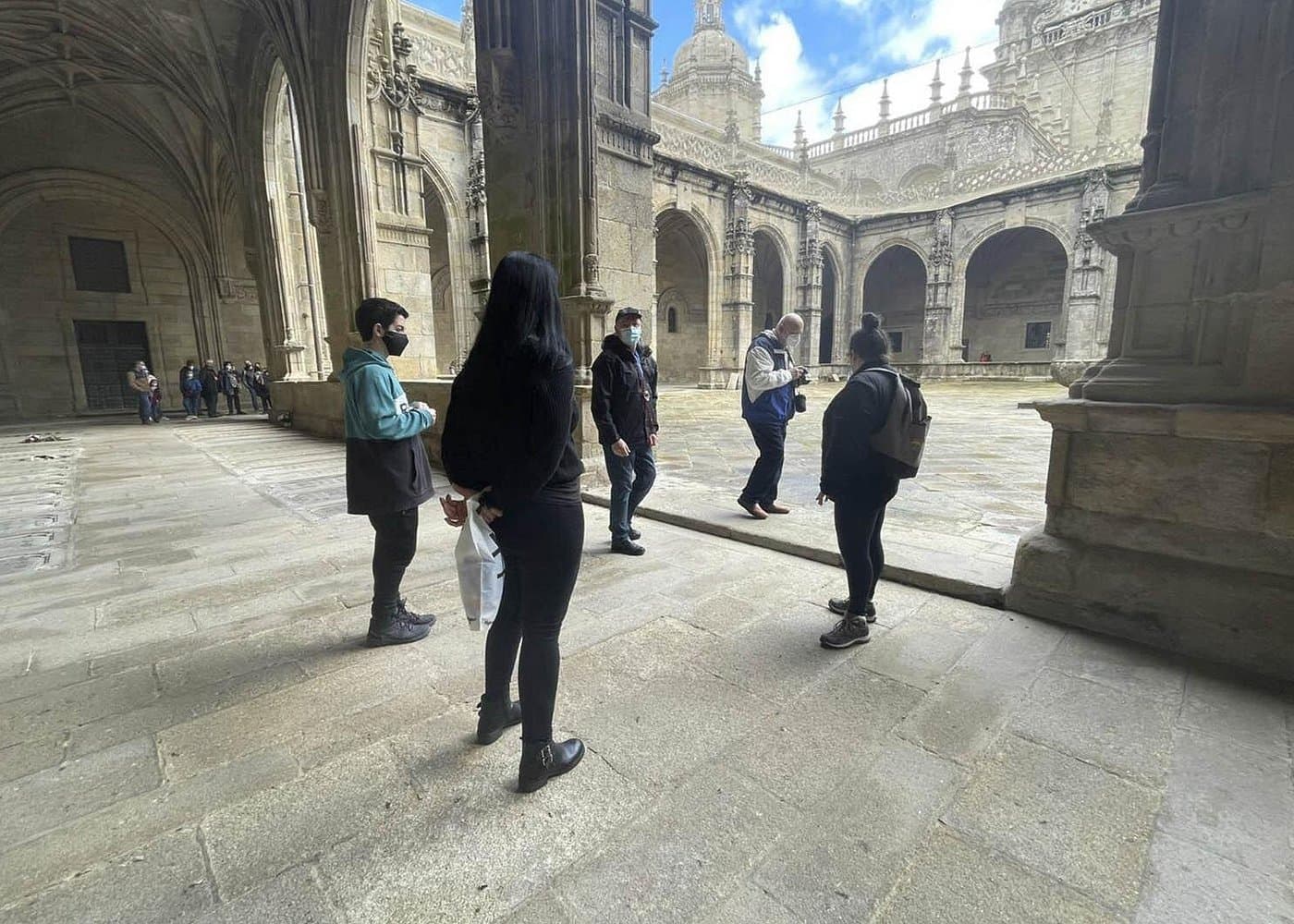
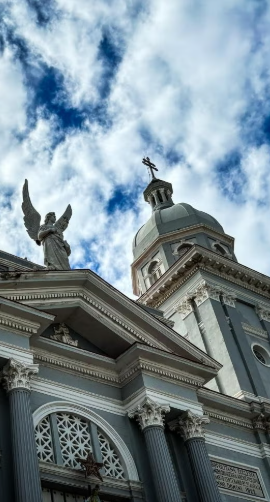
Naprzeciwko Parque Céspedes stoi majestatyczna katedra w Santiago de Cuba, jeden z najważniejszych zabytków sakralnych w kraju.
Oryginalnie zbudowany w XVI wieku i kilkakrotnie przebudowywany na trzęsienia ziemi, ataki piratów i renowacje katedra reprezentuje odporność i ciągłość.
Jej neoklasyczna fasada pięknie kontrastuje z bogatymi detalami wnętrza, dając wgląd w wielowiekową ewolucję religijną i kulturową.
Podczas wycieczki dowiesz się:
Plac przed katedrą jest równie tętniący życiem, często wypełniony muzykami i ulicznymi artystami, którzy dodają rytmicznej ścieżki dźwiękowej do historycznej scenerii.
Casa de Diego Velázquez
Jednym z najbardziej fascynujących przystanków bezpłatnej wycieczki po Santiago de Cuba jest Casa de Diego Velázquez, uważany za najstarszy stojący dom na Kubie.
Ta zabytkowa rezydencja, zbudowana na początku XVI wieku, należała do Diego Velázqueza, pierwszego hiszpańskiego gubernatora Kuby.
Budynek ten jest rzadkim przykładem wczesnej architektury kolonialnej na Karaibach, w którym znajdują się:
Spacer po tym domu to jak cofnięcie się w czasie. Budynek opowiada historie o podbojach, kolonizacji i wczesnym osadnictwie na Karaibach.
Twój przewodnik wyjaśni, jak Santiago de Cuba stało się jednym z pierwszych głównych ośrodków kolonialnych w Nowym Świecie i jak ten dom reprezentuje ten wczesny rozdział historii.
Poza głównymi zabytkami prawdziwa magia Santiago de Cuba kryje się w jego ulicach.
Wąskie.
Wąskie alejki wyłożone pastelowymi domami otwierają się na ukryte dziedzińce wypełnione roślinami, krzesłami i rozmowami. Pranie wisi na balkonach, a przez otwarte drzwi bez wysiłku płynie muzyka.
Podczas pieszej wycieczki odkryjesz:
W przeciwieństwie do mocno komercyjnych obszarów turystycznych, Santiago pozostaje autentyczne. Życie toczy się tu otwarcie, a gości wita się raczej jako obserwatorów niż osoby z zewnątrz.
Twój przewodnik opowie historie na temat:
W tej części wycieczki podróżni często odczuwają najgłębszą więź z miastem.
Żadna wizyta w Santiago de Cuba nie jest kompletna bez zrozumienia jego rewolucyjnej przeszłości.
Miasto odegrało kluczową rolę we współczesnej historii Kuby, szczególnie podczas rewolucji kubańskiej prowadzonej przez Fidela Castro i jego ruchu w Kubie Lata 50. XX w.
Twój przewodnik wprowadzi Cię w kluczowe narracje historyczne, w tym:
Zamiast skupiać się wyłącznie na faktach politycznych, wycieczka kładzie nacisk na historie ludzi – zwykłych ludzi, którzy przeżyli niezwykłe czasy.
Santiago to nie tylko miejsce historyczne; to symbol oporu i tożsamości.
Jeśli jest coś, co definiuje Santiago de Cuba poza historią, to jest to muzyka.
To miasto jest powszechnie uważane za miejsce narodzin kubańskiego syna – gatunku łączącego hiszpańską gitarę z afrykańskimi rytmami perkusyjnymi. Ta muzyczna fuzja wpłynęła później na salsę i latynoski jazz na całym świecie.
Podczas spaceru możesz spotkać:
Muzyka w Santiago to nie rozrywka – to tożsamość.
Twój przewodnik wyjaśni, jak muzyka ewoluowała w mieście i dlaczego pozostaje kluczowa dla dzisiejszej kultury kubańskiej.
Bezpłatna wycieczka po Santiago de Cuba została starannie zorganizowana, aby zapewnić płynną, wciągającą i głęboko wciągającą eksplorację miasta. Choć dokładna trasa może się różnić w zależności od przewodnika, tempa grupy i wydarzeń kulturalnych danego dnia, podstawowy plan pozostaje spójny i obejmuje najważniejsze atrakcje historyczne, kulturalne i architektoniczne.
To nie jest trasa zwiedzania, na którą trzeba się spieszyć. To powolne zanurzenie się w kulturze, które ma pomóc Ci zrozumieć Santiago de Cuba warstwa po warstwie.
Twoja podróż rozpoczyna się w kultowym Parque Céspedes, symbolicznym sercu miasta.
W tym miejscu Twój przewodnik przedstawia historię Santiago de Cuba, wyjaśniając, w jaki sposób plac ten przez stulecia służył jako centrum polityczne, religijne i kulturalne.
To tutaj podróżnicy zaczynają zmieniać się z obserwatora w uczestnika życia Santiago kultura.
Następnie kierujesz się w stronę imponującej katedry w Santiago de Cuba.
Poza katedrą plac często wypełnia się muzykami, artystami i mieszkańcami, zapewniając idealną równowagę między historią a żywą kulturą.
Jednym z najważniejszych przystanków pod względem historycznym jest Casa de Diego Velázquez.
Przystanek ten pomaga odwiedzającym zrozumieć, w jaki sposób Santiago de Cuba stało się jedną z najwcześniejszych stolic kolonialnych na Karaibach.
Po odwiedzeniu głównych atrakcji wycieczka przenosi się do serca codziennego życia Santiago – wąskich uliczek i ukrytych dziedzińców.
W tym miejscu wycieczka staje się głęboko osobista. Już nie widzisz historii – tylko po niej spacerujesz.
Santiago de Cuba jest znane jako „kolebka rewolucji”, a ta część wycieczki skupia się na współczesnej historii politycznej.
Zamiast wykładu, ta część wycieczki to opowieść pełna ludzkich emocji, zmagań i odporności.
Bez wizyty do Santiago nie można doświadczyć jego kultury muzycznej.
Tutaj przewodnik zapozna Cię z:
Możesz nawet być świadkiem występów muzyków na żywo na placach lub w rogach, zamieniających ulicę w naturalną salę koncertową.
Ostatnia część wycieczki zmienia się w spokojny spacer mniej znanymi ulicami, dzięki czemu możesz przyswoić sobie wszystko, czego się nauczyłeś.
Wycieczka kończy się zaleceniami dotyczącymi jedzenia, życia nocnego i ukrytych perełek do dalszego zwiedzania.
Istnieje wiele sposobów na zwiedzanie miasta, ale tylko nieliczne pozwalają na jego prawdziwe zrozumienie. Ta bezpłatna wycieczka piesza jest przeznaczona dla podróżników, dla których autentyczność, opowiadanie historii i głębia kulturowa są ważniejsze od zwiedzania komercyjnego.
Ta wycieczka działa w oparciu o system napiwków, co oznacza, że o wartości decydujesz na podstawie swojego doświadczenia. Dzięki temu jest dostępny dla wszystkich typów podróżnych.
Twoja przygoda jest prowadzona przez pełnych pasji lokalnych przewodników, którzy znają Santiago de Cuba nie tylko jako historię, ale jako rzeczywistość.
Nie chodzi tylko o pomniki. Chodzi o muzykę, rewolucję, tożsamość i życie codzienne.
Brak spektakli scenariuszowych. Żadnych pułapek komercyjnych. Po prostu prawdziwa kubańska kultura.
Idealne dla osób odwiedzających miasto po raz pierwszy, które chcą uporządkowanego, a jednocześnie elastycznego wprowadzenia do miasta.
Aby w pełni wykorzystać swoje wrażenia, oto kilka podstawowych wskazówek dotyczących podróży:
Spodziewaj się brukowanych uliczek i długich spacerów odległości.
W Santiago może być gorąco i wilgotno, szczególnie w południe.
Nawodnianie jest ważne podczas pieszych wycieczek w klimacie tropikalnym.
Miasto jest wizualnie bogate w architekturę kolonialną i kulturę uliczną.
Ponieważ jest to bezpłatna wycieczka, Napiwki dla przewodnika są zwyczajowe i bardzo mile widziane.
Lekkie ubrania są zalecane ze względu na ciepły karaibski klimat.
Zrozumienie lokalnych zwyczajów poprawia jakość podróży:
Kubańczycy są znani ze swojej gościnności, a drobne gesty szacunku mogą mieć duże znaczenie.
W Santiago de Cuba panuje tropikalny klimat klimat, co oznacza, że jest ciepło przez cały rok. Jednak najlepsze pory na piesze wycieczki to:
Jeśli to możliwe, unikaj południowych upałów, zwłaszcza w miesiącach letnich.
Bezpłatna wycieczka do Santiago de Cuba to nie tylko kolejna trasa piesza. To kulturowy pomost między przeszłością a teraźniejszością.
Co go wyróżnia:
To rodzaj wrażeń, które pozostają w pamięci podróżnych długo po opuszczeniu Kuby.
Chociaż wycieczka jest bezpłatna, rezerwacja z wyprzedzeniem zapewnia lepsze wrażenia:
Santiago de Cuba to nie miasto, które po prostu odwiedzasz — to miasto, które czujesz, słyszysz i zapamiętujesz.
Z historycznych placów Parque Céspedes do kolonialnej elegancji Casa de Diego Velázquez i duchowej obecności katedry w Santiago de Cuba, każdy krok odsłania kolejną warstwę kubańskiej tożsamości.
Ta bezpłatna piesza wycieczka oferuje więcej niż tylko zwiedzanie — oferuje zrozumienie.
Jeśli jesteś gotowy poznać Santiago de Cuba poza pocztówkami i przewodnikami, to jest Twoja szansa.
Dołącz do bezpłatnej wycieczki po Santiago de Cuba i spaceruj przez historię, rytm i rewolucję – z przewodnikiem tych, którzy żyją tym na co dzień.
Bezpłatna wycieczka po Santiago de Cuba to piesza wycieczka z przewodnikiem, podczas której zwiedzane jest historyczne centrum miasta, zabytki kolonialne, miejsca kulturalne i historia rewolucyjna. Działa w oparciu o system oparty na napiwkach, dzięki czemu podróżni płacą tyle, ile uważają za warte danej atrakcji.
Wycieczka trwa zwykle od 2,5 do 3,5 godziny, w zależności od tempa grupy, warunków pogodowych i czasu spędzonego w każdej atrakcji.
Tak, cena wycieczki nie jest stała. Jednakże zwyczajowo daje się przewodnikowi napiwek na koniec, zależny od jego zadowolenia i doświadczenia.
Wycieczka zazwyczaj obejmuje takie zabytki, jak Parque Céspedes, katedra w Santiago de Cuba i Casa de Diego Velázquez, a także ukryte uliczki i miejsca kulturalne.
Tak, dzieci mogą dołączyć do wycieczki. Rodzice powinni jednak upewnić się, że mogą chodzić przez kilka godzin w ciepłe dni.
Tak, ale zależy to od mobilności. Wycieczka obejmuje spacery po brukowanych uliczkach, dlatego zalecane jest wygodne obuwie i umiarkowana sprawność fizyczna.
Ze względu na tropikalny klimat Kuby zaleca się lekką, oddychającą odzież. Wygodne buty do chodzenia to podstawa.
Wycieczka zwykle trwa przy lekkim deszczu. W przypadku ulewnego deszczu lub niebezpiecznych warunków przewodnik może dostosować trasę lub przełożyć ją na inny termin.
Zdecydowanie zalecamy dokonanie rezerwacji z wyprzedzeniem, aby zapewnić sobie miejsce, szczególnie w szczycie sezonu turystycznego.
Tak, toalety są dostępne w niektórych budynkach użyteczności publicznej, kawiarniach i przystankach na trasie, ale nie w każdym miejscu.
Wycieczka jest zazwyczaj prowadzona w języku angielskim i/lub hiszpańskim, w zależności od składu grupy i dostępności przewodnika.
Tak, fotografowanie jest mile widziane. Zawsze jednak pytaj o pozwolenie przed robieniem zdjęć miejscowej ludności.
Santiago de Cuba oferuje bardziej autentyczne, mniej skomercjalizowane doświadczenie, z silnym naciskiem na kulturę, muzykę i rewolucyjną historię afro-kubańską.
Tak, trasa podkreśla początki son cubano i jego znaczenie w kształtowaniu kubańskiej tożsamości i globalnej muzyki latynoskiej.
Nie, jedzenie i napoje nie są wliczone w cenę. Jednak przewodnicy często polecają lokalne kawiarnie i restauracje po wycieczce.
Większość bezpłatnych wycieczek pieszych umożliwia elastyczne anulowanie. Najlepiej sprawdzić zasady rezerwacji na stronie wycieczki.
Ze względu na brukowane uliczki i starszą infrastrukturę dostępność może być ograniczona w niektórych obszarach.
Poranek i późne popołudnie są idealne do zwiedzania ze względu na niższe temperatury i lepsze oświetlenie.
Wycieczka dogłębnie odkrywa dziedzictwo afro-kubańskie, historię rewolucyjną i kulturę muzyki ulicznej na żywo, dzięki czemu zapewnia bogate zanurzenie w kulturze.
Ponieważ oferuje autentyczne wrażenia z przewodnikiem i oparte na opowiadaniu historii, które łączą Cię z prawdziwą duszą Santiago de Cuba poza atrakcjami turystycznymi.
Po zakończeniu rezerwacji nasz zespół skontaktuje się z Tobą na dzień przed wycieczką, aby potwierdzić dokładną godzinę odbioru z hotelu / Airbnb lub miejsce zbiórki.
Jeśli podczas rezerwacji wybierzesz miejsce zbiórki, pamiętaj, że Twoja rezerwacja jest w pełni potwierdzona — po prostu przybądź w wyznaczone miejsce o zaplanowanej godzinie.
Upewnij się, że podany podczas rezerwacji numer WhatsApp, numer telefonu lub adres e-mail jest poprawny, abyśmy mogli sprawnie się z Tobą skontaktować.
W sprawie jakichkolwiek zmian w rezerwacji, pytań o pogodę lub życzeń specjalnych, prosimy o kontakt:
Czekamy na Ciebie z niecierpliwością! 🌴✨