Los Haitises Half-Day Boat Tour from Punta Cana
5.0(5)
From$149
Los Haitises Half-Day Boat Tour from Punta Cana
5.0 (5)
From$149per person
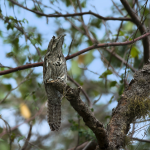
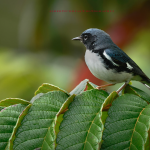
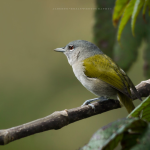
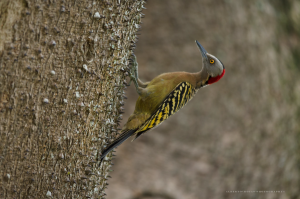
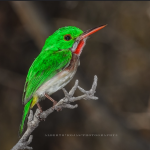
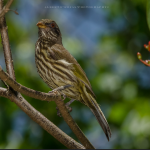
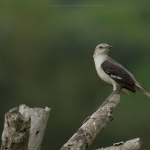

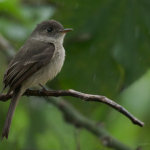
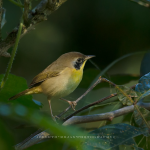
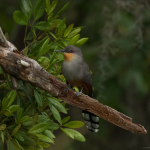
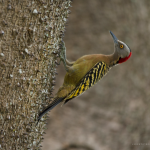
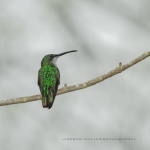
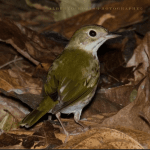
Explore Los Haitises National Park on a guided bird watching tour from Sabana de la Mar. Discover wildlife, mangroves, caves, and stunning scenery.
The Dominican Republic is famous for its white-sand beaches, turquoise waters, and tropical resorts. Yet beyond the well-known coastal destinations lies one of the Caribbean’s most extraordinary natural treasures—a place where untouched mangrove forests stretch across the horizon, ancient limestone islands rise dramatically from calm bays, and hundreds of bird species thrive in one of the region’s most important protected ecosystems.
Welcome to the Sabana de la Mar Bird Watching & Los Haitises National Park Tour, a remarkable eco-adventure designed for nature lovers, wildlife enthusiasts, photographers, conservation travelers, and anyone seeking a deeper connection with the Dominican Republic’s natural heritage.
Nestled along the northeastern coast of the country, Los Haitises National Park represents one of the most biodiverse environments in the Caribbean. Covering vast areas of rainforest, mangroves, estuaries, caves, wetlands, and marine habitats, this protected sanctuary offers visitors the opportunity to witness an incredible variety of birds in their natural habitat while exploring landscapes that remain largely untouched by mass tourism.
For birdwatchers, the experience is nothing short of extraordinary. The island of Hispaniola is internationally recognized as one of the most important biodiversity hotspots in the Caribbean. More than 300 bird species have been recorded across the island, including numerous endemic species found nowhere else on Earth. Los Haitises National Park serves as one of the most important refuges for many of these species, making it a dream destination for birding enthusiasts from around the world.
This immersive guided tour from Sabana de la Mar allows travelers to explore the rich ecosystems of Los Haitises while learning about local wildlife, conservation efforts, indigenous history, and the unique ecological importance of the region.
Whether you are an experienced birder carrying professional equipment or simply someone who enjoys observing wildlife in beautiful surroundings, this unforgettable journey promises breathtaking encounters and lasting memories.
Many travelers visit the Dominican Republic without realizing that some of the Caribbean’s most significant bird habitats exist within Los Haitises National Park.
The park’s unique combination of coastal wetlands, mangrove forests, freshwater ecosystems, tropical rainforest, limestone karsts, caves, and protected bays creates an ideal environment for an extraordinary range of bird species.
Unlike many wildlife destinations that require long treks into remote wilderness, Los Haitises offers exceptional birdwatching opportunities accessible by boat and guided exploration. The park’s intricate network of waterways allows visitors to quietly approach bird habitats without disturbing the delicate ecosystem.
The result is an immersive experience where nature unfolds all around you.
As the morning sun rises over San Lorenzo Bay, flocks of seabirds glide effortlessly across the water. Herons stand motionless among mangrove roots. Pelicans dive dramatically into the bay in search of fish. Frigatebirds circle overhead while endemic songbirds fill the surrounding forests with their calls.
Every turn reveals another opportunity to witness the remarkable biodiversity that has made Los Haitises internationally recognized among birdwatchers and ecotourists.
The adventure begins in Sabana de la Mar, a charming coastal town known as the primary gateway to Los Haitises National Park.
Far removed from crowded resort areas, Sabana de la Mar offers visitors a glimpse into authentic Dominican coastal life. Fishing boats line the waterfront, local communities maintain strong connections to the surrounding natural environment, and the atmosphere immediately feels more peaceful and connected to nature.
As you depart from the coast, anticipation builds.
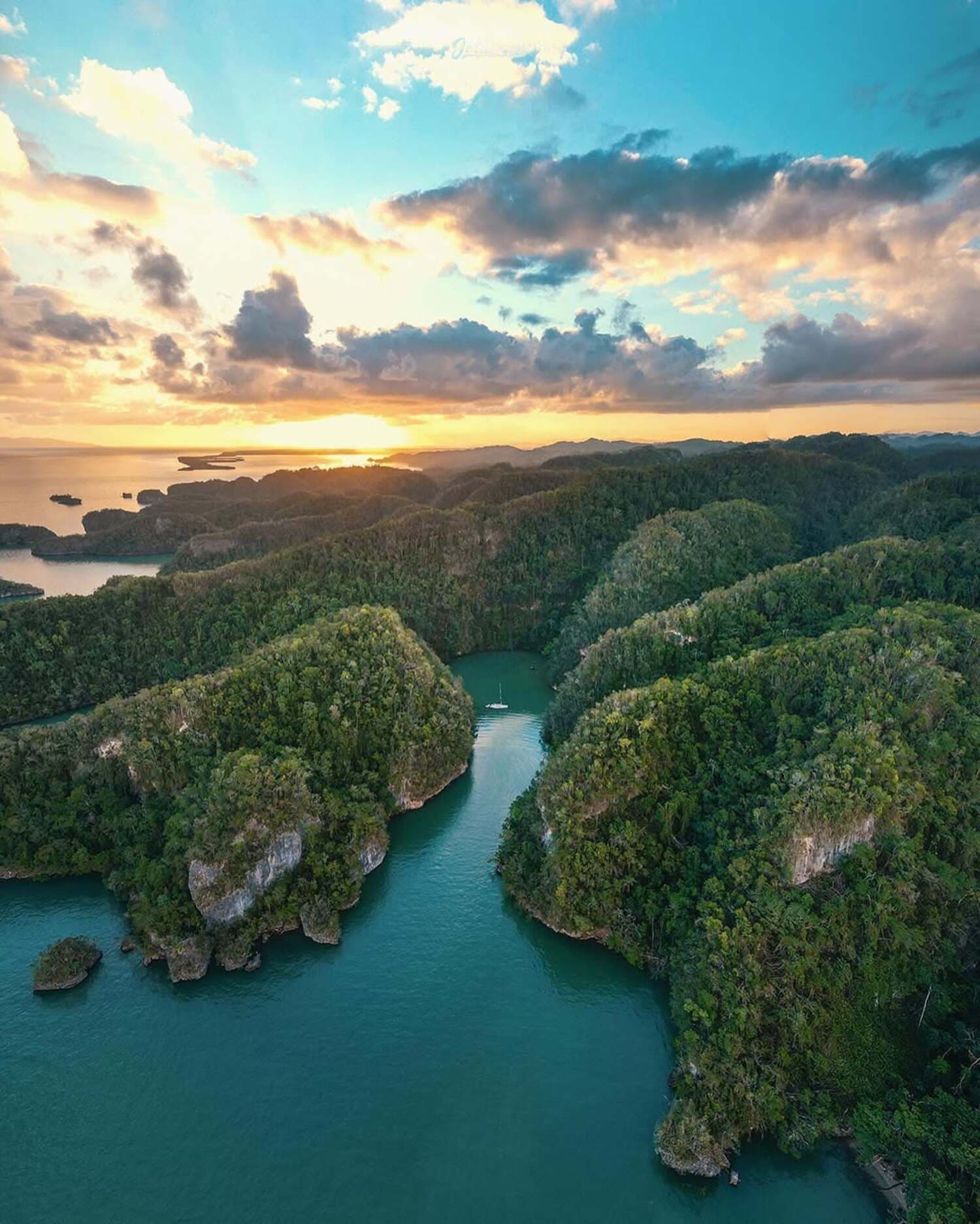
The open waters gradually transform into a maze of mangrove channels and secluded waterways. Towering limestone formations known as mogotes emerge dramatically from the landscape. Dense rainforest blankets the hillsides. The sounds of civilization fade away and are replaced by birdsong, gentle waves, and the rustling of tropical vegetation.
Within minutes, visitors realize they are entering one of the Caribbean’s last truly wild places.
This transition from town to wilderness is one of the most memorable aspects of the tour.
Unlike many excursions where the destination is the primary attraction, the journey through Los Haitises is itself an integral part of the experience.
Every stretch of water, every mangrove tunnel, and every hidden bay offers new opportunities for discovery.
One of the reasons birdwatchers travel from around the world to visit the Dominican Republic is the exceptional level of endemism found on the island of Hispaniola.
Endemic species are plants or animals that exist naturally in only one geographic region. Because of its unique evolutionary history and varied ecosystems, Hispaniola has developed one of the highest concentrations of endemic bird species in the Caribbean.
Many of these birds can be observed within Los Haitises National Park.
For wildlife enthusiasts, this creates an exciting opportunity to see species that cannot be found anywhere else on Earth.
The park provides critical habitat for resident birds, migratory species, nesting colonies, and seasonal visitors. Throughout the year, bird populations change as migrants arrive from North America and other regions, creating a dynamic birdwatching environment with constantly changing opportunities.
This diversity means that every visit offers something unique.
Even experienced birders who return multiple times often encounter new species and different wildlife behaviors during each visit.
One of the defining features of Los Haitises National Park is its extensive mangrove ecosystem.
Mangroves serve as vital ecological nurseries that support fish populations, protect coastlines, filter water, and provide habitat for countless species of birds and marine life.
As your guide navigates through these winding channels, you will gain a deeper understanding of the critical role mangroves play in maintaining ecological balance throughout the region.
The twisted roots create intricate natural structures that shelter young fish, crustaceans, reptiles, and birds.
For birdwatchers, mangroves offer particularly rewarding viewing opportunities.
Numerous species use these habitats for nesting, feeding, and protection. The calm waters also allow for excellent observation conditions, often providing close encounters with birds that would be difficult to approach elsewhere.
Photographers especially appreciate the unique visual appeal of the mangrove environment. Reflections dance across still waters while vibrant green vegetation contrasts beautifully against blue skies and dramatic limestone formations.
The result is a landscape that feels almost prehistoric in its beauty.
Every stage of the excursion offers unique birdwatching opportunities.
Open bays attract seabirds and larger coastal species.
Mangrove forests provide habitat for herons, egrets, and various wading birds.
Rainforest areas support colorful songbirds and endemic forest species.
Limestone cliffs create nesting environments for specialized bird populations.
Because the park contains multiple ecosystem types within a relatively compact area, visitors enjoy access to a remarkable variety of habitats during a single day.
Your experienced guide helps identify species, explain bird behavior, and share fascinating information about local ecology.
Even travelers with little prior birdwatching experience often find themselves captivated by the diversity and beauty of the wildlife encountered throughout the tour.
The experience becomes more than simply observing birds—it becomes an opportunity to understand the interconnected relationships that sustain one of the Caribbean’s most important natural environments.
Among the highlights of the excursion is the exploration of San Lorenzo Bay.
This magnificent body of water serves as a central feature within Los Haitises National Park and provides some of the most spectacular scenery in the Dominican Republic.
Surrounded by forested hills, limestone islands, mangrove coastlines, and hidden coves, the bay creates ideal conditions for wildlife observation.
Birds frequently gather along the shoreline and among the mangrove edges.
Marine life occasionally appears in the surrounding waters, adding another layer of excitement to the experience.
The calm conditions often allow for exceptional photography opportunities, with reflections creating mirror-like surfaces that enhance the beauty of the landscape.
For many visitors, San Lorenzo Bay becomes one of the most memorable locations encountered during the tour.
Its combination of tranquility, biodiversity, and dramatic natural scenery perfectly captures the essence of Los Haitises National Park.
While birdwatching is a primary focus of this experience, the geological wonders of Los Haitises are equally impressive.
The park’s famous limestone formations have been shaped over millions of years by natural processes, creating a landscape unlike anywhere else in the Caribbean.
These towering mogotes rise abruptly from the surrounding environment, forming dramatic cliffs, hidden caves, and isolated islands.
The name “Haitises” itself originates from the Taíno language and roughly translates to “highlands” or “hills,” a reference to these distinctive geological formations.
As visitors travel through the park, they gain an appreciation for the immense timescales that shaped this remarkable landscape.
The cliffs, caves, forests, and waterways combine to create an environment that feels timeless and untouched.
This sense of ancient wilderness enhances the overall experience and contributes to the park’s reputation as one of the Dominican Republic’s most extraordinary natural destinations.
Whether you carry a professional camera or simply use your smartphone, Los Haitises National Park offers endless photographic opportunities.
Birds perched among mangrove branches.
Pelicans soaring across open water.
Sunlight filtering through tropical vegetation.
Limestone islands emerging from morning mist.
Mirror-like reflections across tranquil bays.
Ancient caves hidden within towering cliffs.
Every moment presents another opportunity to capture unforgettable images.
Nature photographers often consider Los Haitises one of the Dominican Republic’s most rewarding locations due to the diversity of subjects available throughout the tour.
The constantly changing scenery ensures that no two photographs look the same.
From wildlife portraits to sweeping landscapes, the park provides inspiration for photographers of every skill level.
In today’s fast-paced world, opportunities to disconnect from technology and reconnect with nature have become increasingly valuable.
The Sabana de la Mar Bird Watching & Los Haitises National Park Tour offers precisely that opportunity.
Instead of crowded attractions and commercialized experiences, visitors enter a world governed by natural rhythms.
Bird calls replace traffic noise.
Mangrove forests replace city streets.
Open skies replace office ceilings.
The experience encourages mindfulness, observation, curiosity, and appreciation for the extraordinary biodiversity that exists beyond everyday life.
For many travelers, the emotional impact of the journey becomes just as meaningful as the wildlife sightings themselves.
The peaceful atmosphere, untouched scenery, and close connection with nature create memories that remain long after the tour ends.
Los Haitises is not simply a destination.
It is an experience that reminds visitors of the beauty, complexity, and importance of the natural world.
The second half of your journey through Los Haitises National Park reveals even deeper layers of ecological wonder, cultural significance, and unforgettable exploration. Beyond the incredible birdwatching opportunities, visitors gain access to hidden corners of the park where history, geology, wildlife, and conservation come together in a truly unique travel experience.
This tour is designed not only for bird enthusiasts but also for travelers seeking authentic Dominican Republic experiences beyond traditional resort tourism. Every stop introduces a new perspective on the natural and cultural richness that makes Los Haitises one of the country's most treasured national parks.
The adventure typically begins during the early morning hours when wildlife activity is at its peak.
Birdwatchers know that sunrise is one of the best times of day for observation. As temperatures remain cool and light conditions improve, many species become highly active while feeding, calling, and moving through their habitats.
Upon arrival at the departure point in Sabana de la Mar, guests meet their expert local guides and receive a brief introduction to the day's activities. Guides explain safety procedures, birdwatching opportunities, ecological highlights, and what visitors can expect throughout the excursion.
As the boat leaves the dock, travelers immediately begin entering the protected ecosystems that define Los Haitises National Park.
One of the most memorable portions of the tour is the navigation through extensive mangrove forests.
These winding waterways create a peaceful and almost magical environment where visitors feel immersed in untouched nature.
During this section, guests often observe:
The calm waters allow guides to move quietly through the habitat, minimizing disturbance to wildlife while maximizing observation opportunities.
Birdwatchers frequently describe this portion of the tour as one of the best wildlife experiences in the Caribbean.
As the journey continues, the iconic limestone formations of Los Haitises begin to dominate the landscape.
These towering rock formations rise dramatically from the water and create one of the most recognizable natural environments in the Dominican Republic.
The mogotes provide:
Visitors learn how millions of years of erosion and natural processes created the distinctive topography visible today.
The scenery feels almost otherworldly, offering a dramatic contrast to the country's more familiar beach destinations.
A major highlight of the excursion is dedicated birdwatching with experienced naturalist guides.
Guides assist travelers in spotting and identifying species while sharing fascinating information about behavior, migration patterns, nesting habits, and conservation efforts.
Depending on season and environmental conditions, visitors may encounter:
The Dominican Republic is home to numerous bird species found nowhere else on Earth.
Birdwatchers often seek opportunities to observe endemic birds because they represent unique evolutionary histories and ecological adaptations.
These species make Los Haitises especially attractive to international birding enthusiasts.
The park's coastal ecosystems support a wide range of birds adapted to marine environments.
Guests frequently observe:
Their feeding behaviors and aerial displays add excitement throughout the excursion.
During migration seasons, Los Haitises becomes an important stopover location for birds traveling between North America and the Caribbean.
This seasonal movement creates ever-changing wildlife opportunities and ensures that each visit can offer different sightings.
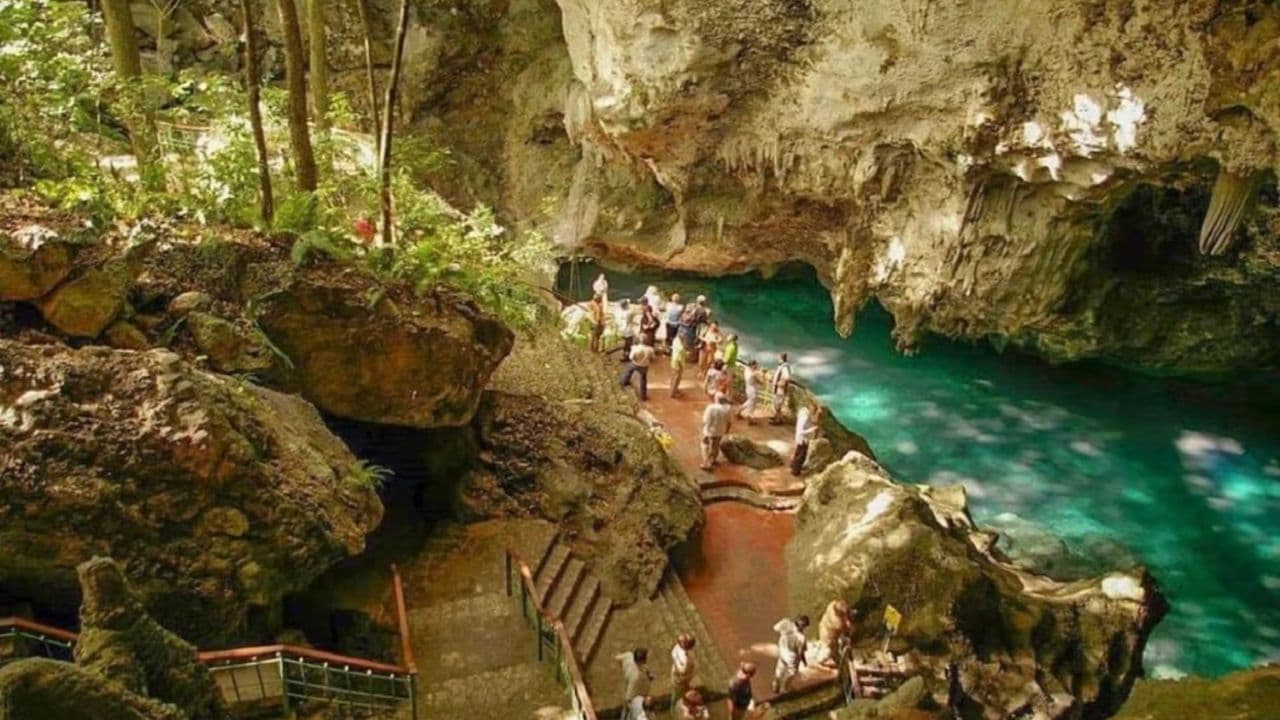
Beyond wildlife observation, many Los Haitises excursions include visits to ancient cave systems hidden among the limestone formations.
These caves contain evidence of the island's indigenous Taíno inhabitants and provide insight into the region's pre-Columbian history.
Visitors may encounter:
The caves add a fascinating historical dimension to the experience, transforming the excursion from a simple nature tour into a journey through both natural and human history.
Walking into these spaces creates a powerful connection with the people who inhabited the island centuries before European arrival.
The dense tropical forests surrounding Los Haitises contribute significantly to the park's biodiversity.
These forests support:
As visitors move through forested sections of the park, guides explain the interconnected relationships that sustain this complex ecosystem.
The rainforest environment provides a completely different experience from the coastal habitats encountered earlier in the day.
Together, these ecosystems demonstrate why Los Haitises is considered one of the most ecologically important regions in the Caribbean.
One of the most valuable aspects of this experience is the opportunity to learn about conservation.
Los Haitises National Park protects thousands of acres of critical habitat that support wildlife populations throughout the Dominican Republic.
Protected areas like Los Haitises help:
Visitors leave with a deeper understanding of how conservation efforts contribute to environmental health and future generations.
Eco-tourism experiences like this play an important role in supporting long-term protection of these natural resources.
The variety of habitats found within Los Haitises creates opportunities to observe many different bird species during a single excursion.
Knowledgeable guides dramatically enhance the experience by helping guests locate and identify wildlife while sharing educational insights.
Unlike some birdwatching destinations that require strenuous hiking, much of Los Haitises can be explored comfortably by boat.
Wildlife, landscapes, caves, forests, and waterways provide endless photographic subjects.
The park remains relatively untouched compared to many popular tourist attractions, offering visitors a genuine wilderness experience.
Lightweight, breathable clothing is recommended due to the tropical climate.
Consider:
These items help ensure comfort throughout the excursion.
While guides often help locate wildlife, personal binoculars significantly enhance birdwatching opportunities.
The scenery and wildlife are extraordinary, and most visitors appreciate having the ability to capture memorable moments.
The tropical environment can be warm, especially during midday hours.
Local guides possess extensive knowledge about bird behavior, habitats, and optimal observation techniques.
Their expertise greatly increases the chances of successful wildlife sightings.
The experience goes beyond sightseeing by providing educational insights into ecology, conservation, and biodiversity.
Visitors explore environments that remain inaccessible to many travelers.
Whether you are a first-time birdwatcher or an experienced birder, the tour provides meaningful opportunities for wildlife observation.
This excursion showcases a side of the country that many visitors never discover.
Responsible travel practices help support environmental conservation and local communities.
This experience is perfect for:
Swobodne tempo i elementy edukacyjne sprawiają, że jest odpowiedni dla szerokiego zakresu grup wiekowych i zainteresowań.
Wiele wycieczek zapewnia rozrywkę.
Niewielu zapewnia transformację.
Los Haitises oferuje coś coraz rzadszego we współczesnych podróżach: prawdziwe zanurzenie w naturze.
Odwiedzający często wychodzą z:
Połączenie spokojnych dróg wodnych, obfitego życia ptaków, dramatycznych krajobrazów i historii kultury tworzy potężne przeżycie, które rozbrzmiewa długo po powrocie do domu.
Rezerwując wycieczkę z obserwacją ptaków do Sabana de la Mar i do Parku Narodowego Los Haitises, podróżni korzystają z:
Zwiedzanie Los Haitises z doświadczonymi lokalnymi przewodnikami zapewnia nieocenione korzyści.
Ich głębokie zrozumienie:
zapewnia bezpieczniejsze, bogatsze i bardziej satysfakcjonujące doświadczenia.
Lokalna wiedza przekształca prostą wycieczkę krajoznawczą w podróż edukacyjną wypełnioną znaczącymi odkryciami.
Na Karaibach jest wiele pięknych miejsc.
Niewiele z nich oferuje bogactwo ekologiczne, różnorodność dzikiej przyrody, znaczenie kulturowe i nietknięte piękno, jakie można znaleźć w Parku Narodowym Los Haitises.
Wycieczka do Sabana de la Mar z obserwacją ptaków i Parkiem Narodowym Los Haitises zaprasza podróżnych do pozostawienia za sobą codzienności i odkrycia jednego z najbardziej niezwykłych skarbów przyrody Dominikany.
Od spokojnych kanałów namorzynowych i wysokich wapiennych wysp po rzadkie obserwacje ptaków i starożytne jaskinie Taíno – każda chwila odkrywa kolejny powód, dla którego Los Haitises pozostaje jednym z największych miejsc ekoturystyki na Karaibach.
Niezależnie od tego, czy szukasz endemicznych ptaków, wspaniałych zdjęć, doświadczeń edukacyjnych, czy po prostu spokojnej ucieczki w naturę, ta wycieczka zapewni niezapomnianą przygodę.
Zarezerwuj swoje miejsce już dziś i poznaj niezwykłe piękno, różnorodność biologiczną i cuda Parku Narodowego Los Haitises z Sabana de la Mar – gdzie każda podróż staje się historią wartą zapamiętania.
Ta ekologiczna przygoda zazwyczaj obejmuje obserwację ptaków z przewodnikiem, transport łodzią przez Park Narodowy Los Haitises, eksplorację lasów namorzynowych, wizyty w kluczowych obszarach obserwacji dzikiej przyrody, dostęp do jaskiń i formacji wapiennych oraz interpretację edukacyjną od doświadczonych lokalnych przewodników. W zależności od wybranego pakietu, w cenę mogą być wliczone również usługi dodatkowe takie jak poczęstunek, przekąski czy transport.
Czas trwania wycieczki zazwyczaj waha się od 4 do 8 godzin, w zależności od trasy, warunków pogodowych i aktywności dzikiej przyrody. Daje to uczestnikom wystarczająco dużo czasu na eksplorację wielu siedlisk, obserwację ptaków, odwiedzanie jaskiń, poruszanie się po kanałach namorzynowych i cieszenie się spektakularną scenerią Parku Narodowego Los Haitises.
Tak. Wycieczka przeznaczona jest zarówno dla początkujących, jak i doświadczonych obserwatorów ptaków. Profesjonalni przewodnicy pomagają uczestnikom w identyfikacji gatunków, zrozumieniu zachowań ptaków i lokalizowaniu dzikich zwierząt. Nawet podróżnicy bez wcześniejszego doświadczenia w obserwacji ptaków często uważają tę wycieczkę za pouczającą, przyjemną i satysfakcjonującą.
Obserwacje ptaków różnią się w ciągu roku, ale odwiedzający często obserwują pelikany, fregaty, czaple, czaple, ptaki przybrzeżne i różnorodne endemiczne gatunki latynoskie. W okresach migracyjnych mogą występować również dodatkowe ptaki wędrowne, co sprawia, że każda wizyta jest wyjątkowa.
Tak. Park Narodowy Los Haitises jest powszechnie uznawany za jedno z najlepszych miejsc do obserwacji ptaków na Dominikanie ze względu na różnorodne ekosystemy, chronione siedliska, rozległe lasy namorzynowe oraz dużą koncentrację gatunków ptaków zamieszkujących i wędrownych.
Tak. Zapraszamy rodziny z dziećmi. Wycieczka zapewnia młodym podróżnikom rozrywkę i możliwość poznania dzikiej przyrody, ochrony przyrody, ekosystemów i przyrody Dominikany. Rodzice powinni dopilnować, aby dzieci postępowały zgodnie z instrukcjami przewodnika podczas całej wycieczki.
Tak. Wielu seniorów lubi to doświadczenie, ponieważ większość eksploracji odbywa się na łodzi, co zmniejsza potrzebę forsownej aktywności fizycznej. Uczestnicy powinni czuć się komfortowo wchodząc na pokład łodzi i spacerując na krótkich dystansach podczas zwiedzania jaskiń lub obszarów obserwacyjnych.
Zachęcamy gości do noszenia lekkiej, oddychającej odzieży odpowiedniej do warunków tropikalnych. Zalecane są wygodne buty do chodzenia, okulary przeciwsłoneczne, nakrycie głowy i odzież chroniąca przed słońcem. Odzież w neutralnych kolorach może również poprawić możliwości obserwacji dzikiej przyrody.
Tak. Lornetka znacznie poprawia wrażenia z obserwacji ptaków, umożliwiając bliższą obserwację ptaków i dzikiej przyrody. Podczas gdy przewodnicy pomagają lokalizować gatunki, posiadanie osobistej lornetki zapewnia znacznie lepsze wrażenia wizualne.
Absolutnie. Park Narodowy Los Haitises oferuje wyjątkowe możliwości fotograficzne. Dzika przyroda, lasy namorzynowe, wapienne wyspy, jaskinie, tropikalna roślinność i przybrzeżne krajobrazy zapewniają niezliczone możliwości zrobienia niezapomnianych zdjęć podczas całej wycieczki.
Włączenia różnią się w zależności od wybranego pakietu wycieczki. Niektóre wycieczki obejmują przekąski, napoje lub posiłki, inne nie. Podróżni powinni dokładnie zapoznać się ze szczegółami rezerwacji lub potwierdzić je przed wyjazdem.
Większość wycieczek odbywa się w lekkim deszczu, ponieważ w takich warunkach obserwacja dzikiej przyrody może być nadal doskonała. Jednakże trudne warunki pogodowe lub niebezpieczne warunki na łodzi mogą wymagać zmiany harmonogramu, przełożenia lub odwołania rejsu ze względów bezpieczeństwa. W razie potrzeby organizatorzy wycieczek przekażą aktualne informacje.
Dostępność łazienek może być ograniczona na obszarach chronionych Parku Narodowego Los Haitises. Zachęcamy gości do skorzystania z toalety przed wyjazdem. W stosownych przypadkach przewodnicy mogą udzielać informacji o dostępnych obiektach na trasie.
Nie jest wymagane żadne wcześniejsze doświadczenie. Wycieczka została zaprojektowana tak, aby uwzględnić wszystkie poziomy umiejętności, od początkujących po profesjonalnych obserwatorów ptaków. Przewodnicy zapewniają pomoc przez cały czas trwania doświadczenia, dzięki czemu jest ono dostępne i przyjemne dla każdego.
Tak. Park Narodowy Los Haitises jest uważany za bezpieczne miejsce dla ekoturystyki i wycieczek z przewodnikiem. Profesjonalni przewodnicy postępują zgodnie z ustalonymi trasami i procedurami bezpieczeństwa, aby zapewnić zwiedzającym bezpieczeństwo i wygodę.
Los Haitises wyróżnia się połączeniem lasów namorzynowych, tropikalnych lasów deszczowych, wapiennych wysp, jaskiń, terenów podmokłych, ekosystemów morskich i wyjątkowej różnorodności biologicznej. Niewiele miejsc na Karaibach oferuje tak różnorodne środowisko naturalne w ramach jednego obszaru chronionego.
Tak. Oprócz ptaków odwiedzający mogą spotkać ryby, skorupiaki, gady, życie morskie, owady i szeroką gamę rodzimych gatunków roślin. Różnorodność biologiczna parku sprawia, że spotkania z dziką przyrodą są częste podczas całej wycieczki.
Absolutnie. Jaskinie zapewniają ważny wymiar kulturowy i historyczny temu doświadczeniu. Wiele z nich zawiera starożytne piktogramy i petroglify z Taíno, oferując fascynujący wgląd w rdzenne dziedzictwo wyspy, jednocześnie prezentując imponujące formacje geologiczne.
Wycieczki z przewodnikiem znacznie poprawiają wrażenia, ponieważ lokalni eksperci wiedzą, gdzie przyroda jest najbardziej aktywna, potrafią dokładnie zidentyfikować gatunki, wyjaśnić zależności ekologiczne i dostarczyć cennych informacji na temat ochrony przyrody i lokalnej historii. Ich wiedza zwiększa zarówno wartość edukacyjną, jak i możliwości obserwacji dzikiej przyrody.
Obserwacja ptaków w Sabana de la Mar i wycieczka do Parku Narodowego Los Haitises promuje odpowiedzialną turystykę poprzez zwiększanie świadomości ekologicznej, wspieranie wysiłków na rzecz ochrony środowiska, ochronę siedlisk przyrodniczych i tworzenie znaczących powiązań między podróżnymi a unikalnymi ekosystemami Republiki Dominikany. Jest to doskonały wybór dla podróżników poszukujących zrównoważonych i edukacyjnych przygód.
Po zakończeniu rezerwacji nasz zespół skontaktuje się z Tobą na dzień przed wycieczką, aby potwierdzić dokładną godzinę odbioru z hotelu / Airbnb lub miejsce zbiórki.
Jeśli podczas rezerwacji wybierzesz miejsce zbiórki, pamiętaj, że Twoja rezerwacja jest w pełni potwierdzona — po prostu przybądź w wyznaczone miejsce o zaplanowanej godzinie.
Upewnij się, że podany podczas rezerwacji numer WhatsApp, numer telefonu lub adres e-mail jest poprawny, abyśmy mogli sprawnie się z Tobą skontaktować.
W sprawie jakichkolwiek zmian w rezerwacji, pytań o pogodę lub życzeń specjalnych, prosimy o kontakt:
Czekamy na Ciebie z niecierpliwością! 🌴✨