Free Pub Crawl
5.0(91)
From
Free Pub Crawl
5.0 (91)
Fromper person
Book top-rated tours, excursions, and adventures in Punta Cana, Bayahibe, Santo Domingo, and across the Dominican Republic.
Private Cultural and Food Walking Tour of Little Havana, Miami
Little Havana is more than a neighborhood in Miami—it is a living expression of Cuban-American culture, shaped by generations of immigrants, families, artists, musicians, cooks, and community leaders who transformed Calle Ocho into one of the city's most unforgettable cultural destinations. On this Private Cultural and Food Walking Tour of Little Havana, you will step beyond the typical sightseeing experience and discover the neighborhood through the people, flavors, traditions, stories, and streets that give it its unmistakable character.
Over approximately 3 hours and 15 minutes, your private local guide will lead you through the vibrant heart of Miami's Cuban community, introducing you to historic landmarks, colorful murals, local art, traditional Cuban flavors, coffee culture, cigar-making traditions, and the everyday rituals that continue to define Little Havana.
This is not simply a walking tour. It is an opportunity to slow down, look closer, taste something new, listen to stories, and understand why Little Havana holds such an important place in Miami's cultural identity.
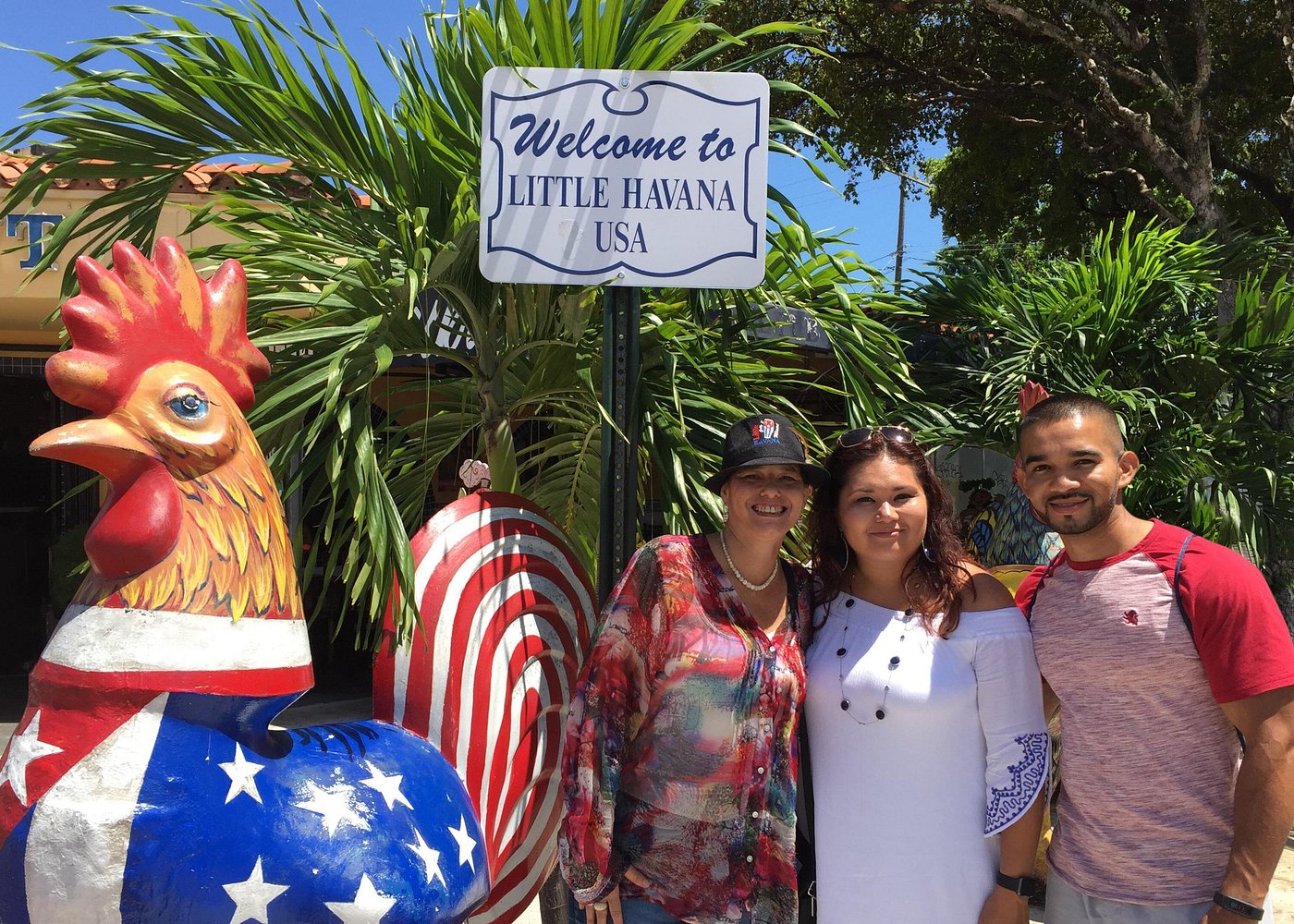
From the moment you meet your guide at the Bay of Pigs Memorial at 1305 SW 8th St, Miami, FL 33135, the experience begins with history. As you move along the legendary Calle Ocho (8th Street), each stop adds another layer to the story of the neighborhood. You will discover how Cuban migration influenced Miami, how traditions were preserved across generations, and how food, music, religion, art, and community became powerful ways of maintaining cultural identity.
And, of course, there is plenty to taste along the way.
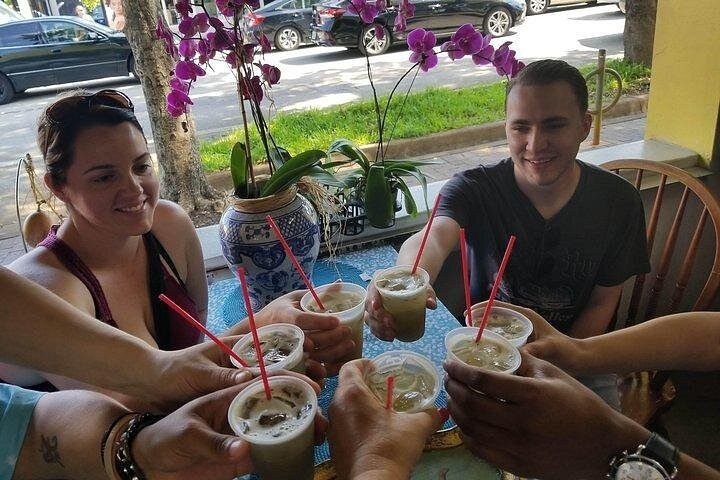
You will enjoy traditional Cuban coffee, tropical fruit juice, a sweet guava pastry, a savory croqueta de jamón, and a filling Cuban meal at a beloved family-owned restaurant. Rather than simply hearing about Cuban cuisine, you will experience it firsthand—one bite, one aroma, and one local tradition at a time.
Whether you are visiting Miami for the first time or returning to discover a different side of the city, this private Little Havana experience offers an engaging way to connect with the neighborhood beyond its famous photographs.
There is something special about exploring a neighborhood on foot.
You notice the details that can disappear when you pass by in a car. You hear conversations spilling onto sidewalks. You smell freshly brewed coffee from a small café. You see dominoes moving across a table. You notice hand-painted signs, colorful murals, tropical fruit, cigar smoke, and the expressions of people who have made the neighborhood their home.
Little Havana rewards travelers who take the time to explore slowly.
This private cultural and food walking tour is designed around that idea. Instead of rushing from one attraction to another, you will have the opportunity to experience the atmosphere of the neighborhood while your local guide explains the stories behind what you are seeing.
Your guide becomes your connection to Little Havana, helping you understand details that may otherwise be easy to overlook.
Why is Cuban coffee so strong and traditionally served in tiny portions What makes the Cuban sandwich such an iconic Miami food Why does domino culture hold such a special place in the community How did Calle Ocho become synonymous with Cuban culture in Miami What stories are hidden behind the neighborhood's murals and historic landmarks?
These are the kinds of questions that transform sightseeing into genuine cultural exploration.
Because the experience is private, the journey can feel more personal and engaging. You are not simply following a large group through the streets. You have space to interact with your guide, ask questions, take photographs, appreciate the food, and absorb the atmosphere at your own pace.
Little Havana's story is deeply connected to the history of Cuban migration and the development of Miami.
For many Cuban immigrants, Miami became a new home while Cuban traditions remained an essential connection to the places and memories they had left behind. Over time, neighborhoods such as Little Havana became places where language, food, music, religion, family traditions, and social customs could continue to thrive.
Today, Little Havana represents an important part of Miami's cultural landscape.
Walking through the neighborhood gives visitors an opportunity to see how heritage can become part of the everyday life of a city. Cuban influence is not confined to museums or historical exhibits here. It appears in restaurants, cafés, cigar shops, music, street art, domino games, bakeries, fruit stands, family businesses, and conversations along Calle Ocho.
Your tour begins at the Bay of Pigs Memorial, an important location for understanding the historical experiences that shaped generations of Cuban Americans.
From here, your guide begins to connect the past with the present, explaining the events, people, and cultural forces that helped shape the community.
The stories are not presented as disconnected historical facts. Instead, they become part of the streets you are walking through.
That is what makes this experience particularly meaningful: history is not something you simply read about—it surrounds you.
Your meeting point is the Bay of Pigs Memorial, located at 1305 SW 8th St, Miami, FL 33135.
This landmark provides a powerful starting point for a journey through Cuban-American history. Here, your guide will introduce you to the historical context behind the community and explain why events connected to Cuba continue to have such significance in Miami.
The memorial offers an opportunity to pause before entering the lively streets of Little Havana.
From this point, the tour gradually shifts from historical reflection to the vibrant daily life of Calle Ocho. You will begin to see how history, identity, and community are intertwined throughout the neighborhood.
For travelers unfamiliar with Miami's Cuban heritage, this introduction provides valuable context for everything that follows.
Instead of seeing Little Havana simply as a colorful neighborhood filled with restaurants and murals, you begin to understand it as a community shaped by migration, resilience, memory, family, and cultural preservation.
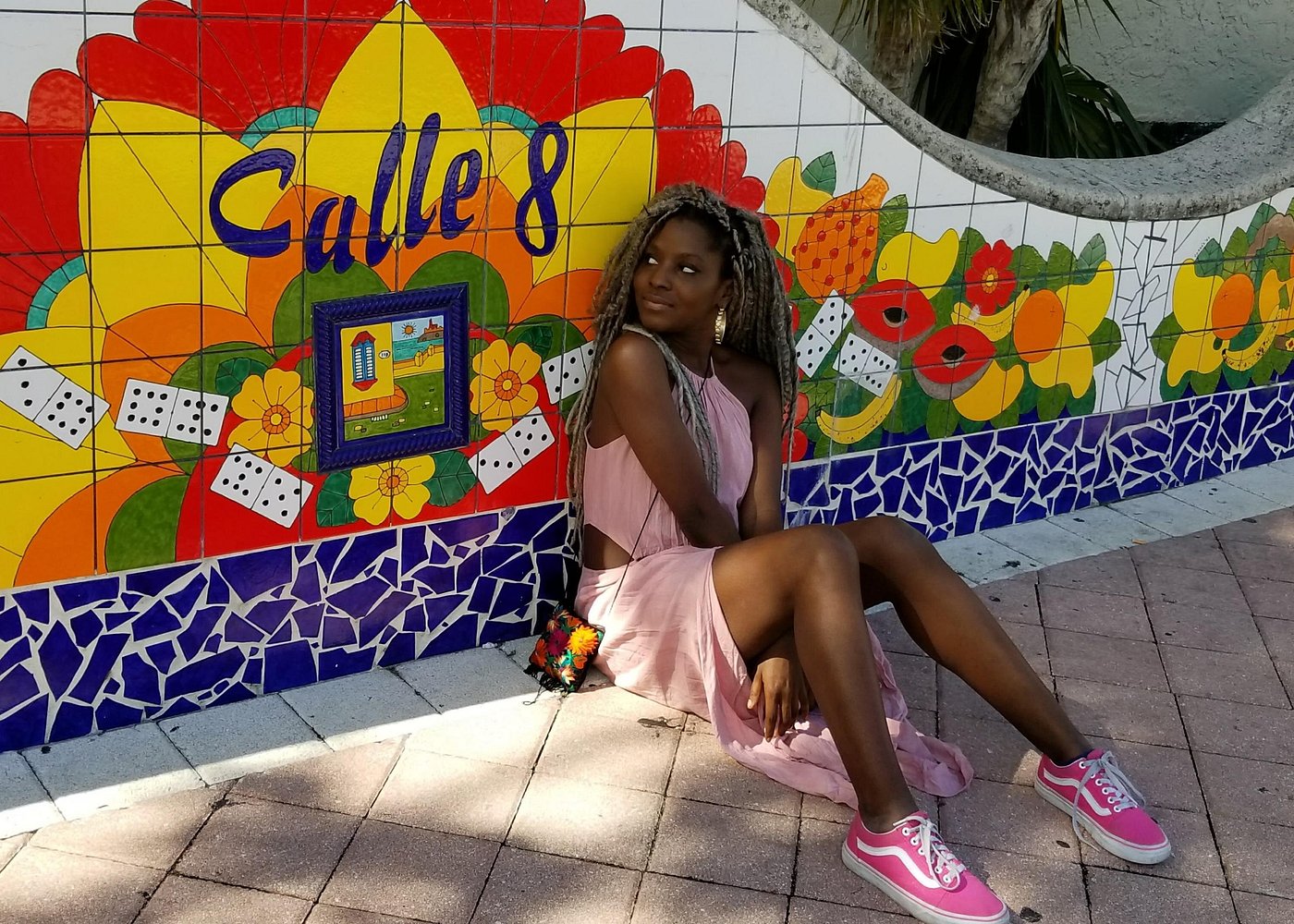
No cultural exploration of Little Havana would be complete without spending time along Calle Ocho, or 8th Street.
Calle Ocho is one of Miami's most recognizable streets and one of the central cultural arteries of Little Havana. Its energy comes from the combination of local businesses, restaurants, cafés, art, music, historic landmarks, and the people who give the neighborhood its personality.
As you walk, your guide will reveal stories that help bring the street to life.
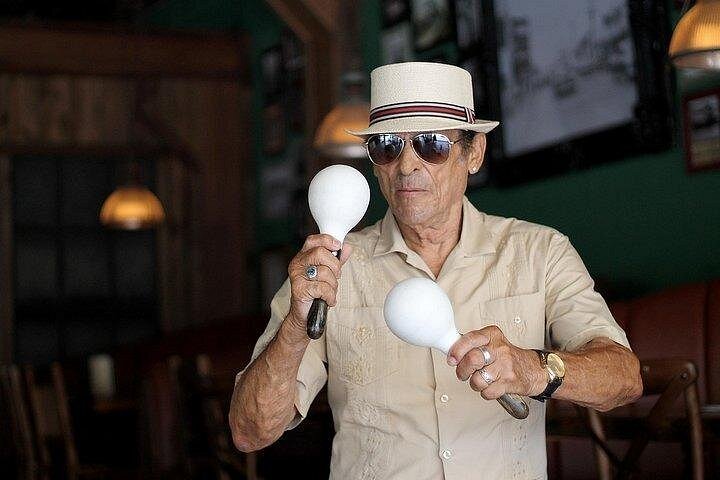
You may notice a colorful mural and learn about its cultural significance. You may pass a traditional café and discover the role Cuban coffee plays in everyday social life. You may hear music coming from a nearby business or encounter locals gathering together as they have done for years.
The experience encourages you to look beyond the obvious.
Little Havana can be photographed in a few minutes, but understanding it takes longer.
This tour gives you the time and local perspective needed to appreciate the neighborhood's deeper character.
Along your journey, you will visit the Walk of Fame, an important part of Calle Ocho's cultural landscape.
The Walk of Fame celebrates influential figures connected with Cuban and Latin American culture, entertainment, and public life. For visitors, it provides another opportunity to understand the cultural influence that extends from Little Havana far beyond Miami.
As your guide shares stories connected with the area, the names and tributes become more than decorative features along the street.
They represent artists, performers, leaders, and cultural figures whose work helped shape the identity of generations.
For travelers interested in music, entertainment, Latin American culture, or Miami history, this section of the walk adds another dimension to the experience.
It also makes an excellent stop for photography.
Little Havana is filled with visual energy.
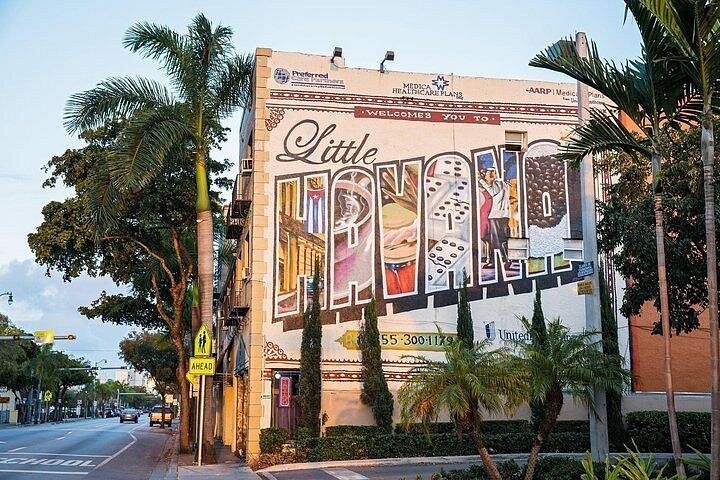
Colorful walls, murals, signs, storefronts, artistic details, and public spaces combine to create an environment that feels distinctly Miami while remaining deeply connected to Cuban and Latin American heritage.
During the tour, you will explore hidden art galleries and vibrant murals with the benefit of a local perspective.
That local perspective matters.
A mural can look beautiful in a photograph, but learning about its imagery, cultural references, and connection to the community can make it much more meaningful.
Rather than simply pointing out the most famous photo spots, your guide helps you notice the artistic details that may not appear in a typical sightseeing itinerary.
Bring your camera because there will be plenty of opportunities to capture the colors and personality of Little Havana.
But remember to put the camera down occasionally, too.
Some of the best moments happen when you simply stand still and experience the neighborhood around you.
One of the most memorable stops on this Little Havana walking tour is Maximo Gomez Domino Park.
Known locally for its traditional domino culture, the park offers visitors a fascinating glimpse into everyday community life.
Here, you can see the “viejitos”—older local residents—gathering to play dominoes, socialize, talk, laugh, and spend time together.
For visitors, the scene can feel wonderfully authentic.
This is not simply an attraction created for tourists. It represents a social tradition that has become an important part of Little Havana's identity.
The clicking of domino pieces, animated conversations, friendly competition, and relaxed atmosphere create an experience that is difficult to reproduce anywhere else.
Your guide will help you understand the cultural importance of dominoes within the community and the role this gathering place plays in local social life.
It is one of those moments when the difference between being a tourist and experiencing a destination begins to disappear.
You are no longer simply looking at Little Havana.
You are observing a piece of its everyday life.
Food is one of the most powerful ways to understand a culture, and Cuban coffee is an essential part of the Little Havana experience.
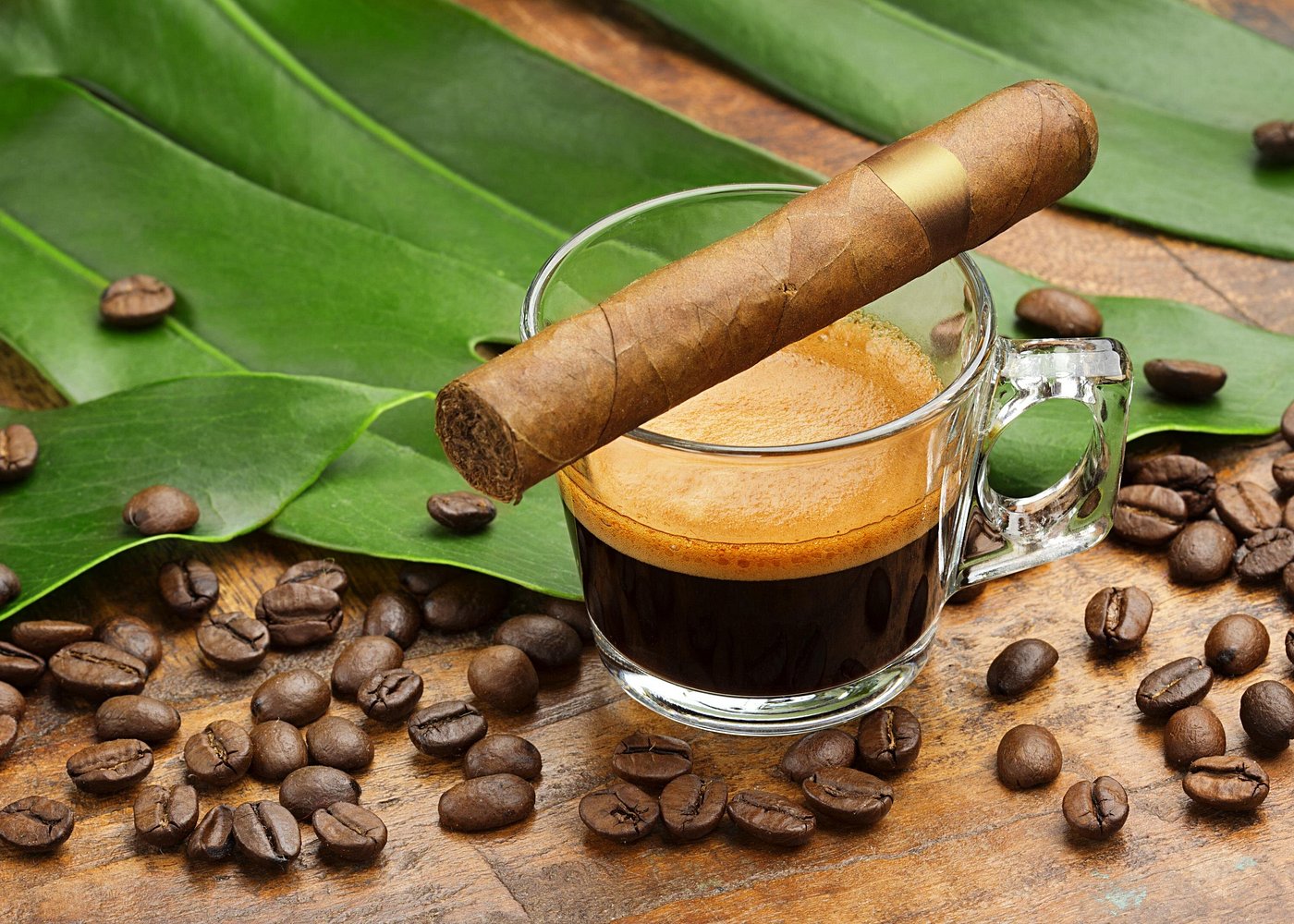
During your tour, you will enjoy authentic Cuban coffee, giving you the opportunity to experience one of the neighborhood's most recognizable culinary traditions.
Cuban coffee is known for its intensity and distinctive preparation. Traditionally served in small portions, it is more than a beverage—it is part of the rhythm of social life.
A quick coffee can become a conversation.
A café can become a meeting place.
A small cup can provide the energy needed for a busy Miami day.
During the tour, your guide can help place this tradition into its broader cultural context, explaining why coffee occupies such an important position in Cuban-American life.
You will also enjoy tropical fruit juice, adding a refreshing contrast to the strong coffee and giving you another taste of the region's vibrant food culture.
The food experience continues with carefully selected Cuban treats.
You will sample a croqueta de jamón, a beloved savory snack made with ham and a creamy filling before being coated and fried until golden.
For many travelers, it is an introduction to a completely different style of comfort food.
You will also taste a traditional guava pastry, combining the sweetness of guava with delicate pastry for a classic Cuban treat.
These small tastings may seem simple, but they are part of what makes a food-focused cultural tour so enjoyable.
You are not merely eating for the sake of eating.
You are discovering the flavors people grew up with—the snacks associated with bakeries, family gatherings, cafés, afternoon breaks, and everyday life.
And because you are experiencing these foods while walking through the neighborhood where the culture developed, each bite becomes part of a larger story.
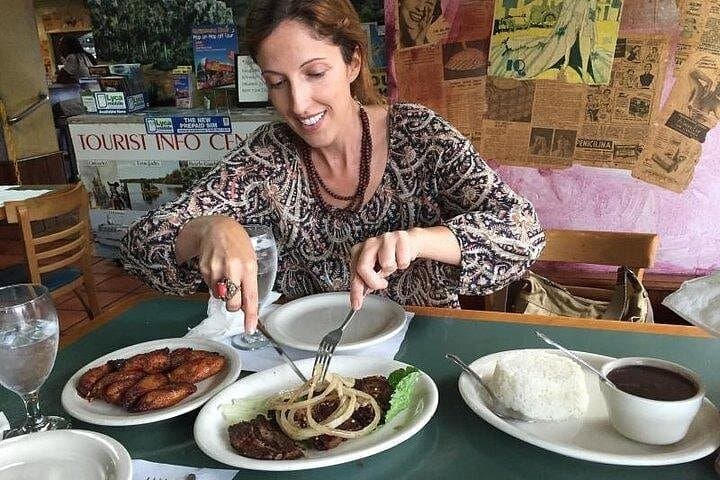
The culinary highlight of the experience is a filling homemade Cuban meal at a beloved family-owned restaurant.
After exploring the neighborhood, learning its history, and sampling traditional snacks and drinks, sitting down for a proper meal provides the perfect opportunity to relax and enjoy the flavors of Cuban cuisine.
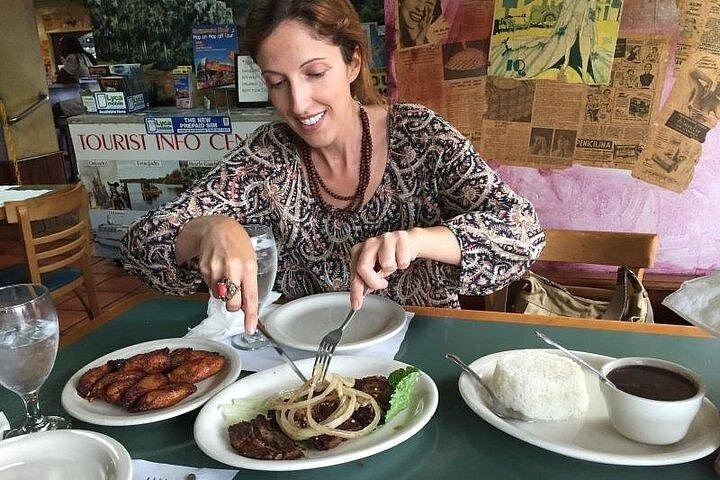
The meal features familiar Cuban staples, including the iconic Cuban sandwich, croquetas, and plantains.
For food lovers, this is more than a lunch stop.
It is an opportunity to experience the generous, comforting character of Cuban cooking.
The Cuban sandwich itself reflects the cultural history of Miami and the evolution of Cuban cuisine. Served alongside traditional sides and other familiar flavors, it becomes a satisfying conclusion to the walking and tasting experience.
You will have time to sit down, enjoy your meal, and reflect on the places and stories you have encountered throughout the tour.
By the end of lunch, you will likely understand why food is such an important part of the Little Havana experience.
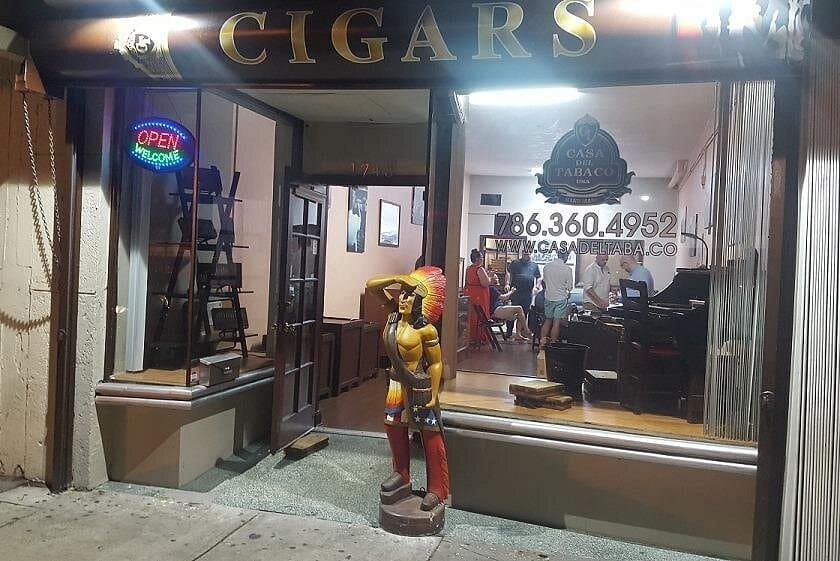
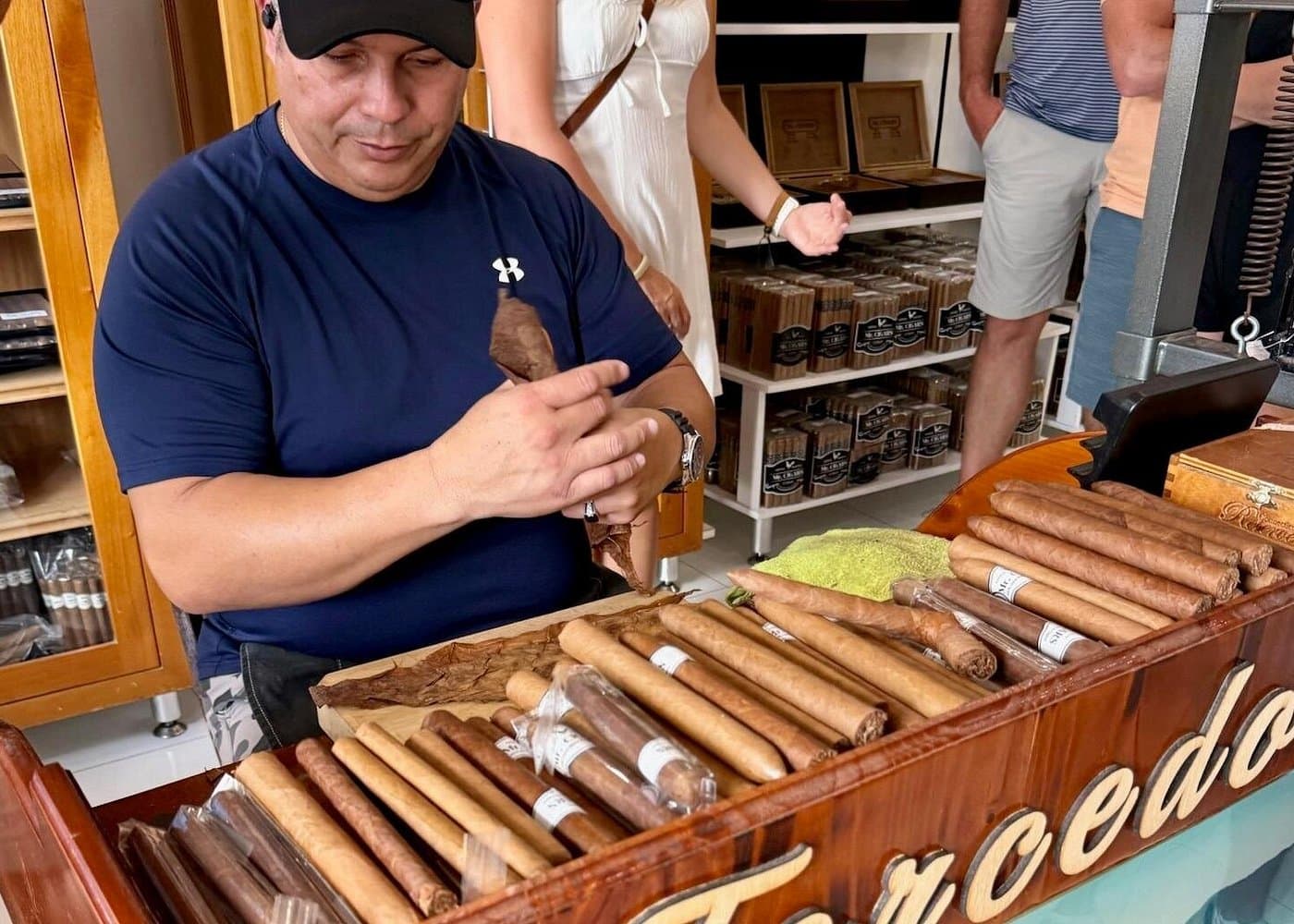
Another highlight of the tour is the opportunity to watch master torcedores hand-roll premium cigars at a local factory.
Cigar craftsmanship has long been associated with Cuban culture, and the process of hand-rolling cigars is a skill that requires experience, patience, precision, and attention to detail.
Watching a skilled torcedor work provides a fascinating glimpse into a traditional craft.
Rather than simply seeing finished cigars behind glass, you can observe the craftsmanship involved in creating them.
Your guide can provide context about the role cigars have played in Cuban history and culture while helping you understand why cigar-making remains an important part of Little Havana's identity.
For travelers interested in traditional craftsmanship, cultural history, or simply unique experiences, this is a memorable part of the journey.
If you are interested in purchasing cigars or local artwork, you may also want to bring some spending money for optional souvenirs.
The tour also takes you to the oldest open farmer's market in Miami, where you can experience another side of Little Havana's food culture.
Markets reveal something special about a community.
They bring together food, commerce, local habits, and social interaction in one place.
Here, you can discover tropical fruits and ingredients that may be unfamiliar if you are visiting Miami from another part of the world.
The colorful displays create excellent photo opportunities, while your guide can explain how tropical produce and traditional ingredients connect with the broader culinary traditions of the region.
For food lovers, this stop adds an important element to the tour because it takes you beyond prepared dishes and into the ingredients that help define local cuisine.
It is a reminder that great food begins long before it reaches the restaurant table.
Little Havana's culture cannot be fully understood through food and architecture alone.
The neighborhood also carries traditions that have been passed from generation to generation.
During your walk, your local guide will share stories about Cuban music, religious practices, family traditions, migration, and community life.
Some traditions may be familiar.
Others may be completely new.
The goal is not simply to provide information but to help you understand how cultural practices evolve when communities build new lives while maintaining connections with their heritage.
You may hear stories about traditions that are practiced privately within families and communities, as well as those expressed openly through food, music, art, and social gatherings.
This creates a richer understanding of Little Havana than a standard sightseeing tour can provide.
One of the biggest advantages of choosing a private cultural walking tour is the opportunity to explore with someone who understands the neighborhood beyond its most famous attractions.
A local guide can help you distinguish between the places visitors photograph and the places locals actually value.
They can explain what you are seeing.
They can answer spontaneous questions.
They can recommend foods you might otherwise overlook.
And they can share stories that are difficult to find in a standard guidebook.
This local perspective is at the heart of the experience.
You are not simply checking Little Havana off a Miami sightseeing list.
You are spending several hours walking through a community and learning how its culture lives, changes, and continues.
A great travel experience stays with you because it engages more than your eyes.
This tour is designed to awaken all your senses.
See vibrant murals, colorful storefronts, historic memorials, tropical fruits, cigar craftsmanship, and lively streets.
Hear conversations, music, domino pieces clicking against tables, and the sounds of everyday neighborhood life.
Smell freshly brewed Cuban coffee, traditional foods, tropical fruit, and hand-rolled cigars.
Taste croquetas, guava pastries, Cuban coffee, tropical fruit juice, plantains, and a satisfying Cuban lunch.
Feel the energy of a neighborhood where culture is not preserved behind museum glass but experienced every day.
That combination makes the tour memorable.
Miami has many ways to experience its neighborhoods, but a private cultural and food walking tour offers something particularly valuable: depth.
You can visit Little Havana independently and see Calle Ocho, take photographs, order a Cuban sandwich, and walk through Domino Park.
But without context, many of the details can remain disconnected.
A local guide brings those details together.
The memorial becomes part of a larger historical story.
The domino tables become part of a community tradition.
The cigar factory becomes part of a long-standing craft.
The coffee becomes part of Cuban social culture.
The food becomes part of a migration story.
The murals become expressions of identity.
Suddenly, the neighborhood makes more sense.
That is the difference between simply visiting a place and truly experiencing it.
This experience is particularly well suited to travelers who want more than conventional sightseeing.
If you plan your vacations around memorable meals, this tour gives you an excellent introduction to Cuban cuisine through snacks, drinks, pastries, and a complete lunch.
The tour begins with the history surrounding the Bay of Pigs and continues through stories of Cuban migration, cultural identity, and community development.
From murals and galleries to music, religious traditions, and public spaces, Little Havana offers a rich cultural environment to explore.
If this is your first visit to Miami, the tour provides an accessible and engaging introduction to one of the city's most distinctive communities.
Even if you have already visited Little Havana, a local-led experience can reveal stories, food, and cultural details you may have missed previously.
Because this is a private experience, it is an appealing option for travelers who prefer a more personal alternative to large-group tours.
The best travel memories often come from moments that were never on the original itinerary.
Maybe it is the first taste of authentic Cuban coffee.
Maybe it is watching a torcedor transform tobacco leaves into a carefully rolled cigar.
Maybe it is hearing domino pieces strike the table at Domino Park.
Maybe it is discovering a hidden mural you would have walked past alone.
Maybe it is sharing a Cuban sandwich with your travel companions after several hours of exploring.
Or perhaps it is something much simpler—a conversation with your guide that changes the way you see Miami.
This tour creates space for those moments.
It is structured enough to ensure you experience the neighborhood's essential cultural and culinary highlights, while remaining personal enough to feel like a genuine exploration rather than a checklist.
Little Havana has become internationally recognized, but its importance goes deeper than tourism.
It is a place where generations of Cuban Americans have built businesses, raised families, celebrated traditions, preserved memories, and contributed to Miami's unique identity.
Walking through the neighborhood gives you a chance to see this cultural continuity firsthand.
The old and new exist side by side.
Historic traditions remain visible while contemporary art and businesses continue to reshape the neighborhood.
Traditional foods are served alongside modern interpretations.
Generational stories coexist with a younger creative energy.
This combination makes Little Havana one of the most fascinating places to explore in Miami.
And because the experience is guided by someone with local knowledge, you can appreciate these contrasts with greater understanding.
With an approximate duration of 3 hours and 15 minutes, the tour offers enough time to experience multiple sides of the neighborhood without requiring an entire day.
You will move at a comfortable walking pace between key stops, allowing the experience to unfold naturally.
The journey combines:
The result is a balanced experience that combines education, food, culture, photography, and exploration.
A successful cultural tour should leave you with more than photographs.
It should give you a better understanding of the destination.
After several hours in Little Havana, you will have experienced the neighborhood through multiple perspectives—historical, culinary, artistic, social, and personal.
You will understand more about why Cuban culture is so visible throughout Miami.
You will have tasted traditional foods.
You will have encountered local customs.
You will have heard stories that connect the present neighborhood with its past.
And you will have experienced one of Miami's most famous communities in a way that feels personal and immersive.
That is what makes this private Little Havana food and cultural tour an excellent addition to a Miami itinerary.
The best way to approach this experience is with an open mind—and an appetite.
Wear comfortable walking shoes because Little Havana is best discovered on foot.
Bring sunscreen and a hat to stay comfortable under Miami's sunshine.
Carry a camera because the neighborhood offers countless colorful photographic opportunities.
And bring some spending money if you would like to purchase optional drinks, cigars, artwork, or souvenirs along the way.
Because the tour operates rain or shine, an umbrella or rain gear is also recommended.
Most importantly, come ready to engage.
Ask questions.
Taste unfamiliar foods.
Listen to local stories.
Take photographs.
Watch the domino players.
Admire the murals.
Notice the details.
And allow yourself to experience Little Havana rather than simply pass through it.
For many visitors, Little Havana becomes one of the defining experiences of a Miami vacation.
It offers something different from the city's beaches, nightlife, luxury shopping, and modern skyline.
Here, the experience is rooted in community.
It is found in a cup of strong Cuban coffee, a warm pastry, a lively conversation, a plate of traditional food, a hand-rolled cigar, a colorful mural, or the familiar sound of dominoes being played.
This private walking tour brings those experiences together into one memorable journey.
From the Bay of Pigs Memorial to the lively streets of Calle Ocho, from Maximo Gomez Domino Park to local food establishments and cultural landmarks, you will discover a side of Miami that feels vibrant, welcoming, flavorful, and deeply connected to its history.
Whether you are a first-time visitor looking for an authentic Miami experience, a food lover searching for traditional Cuban flavors, a history enthusiast interested in Cuban-American heritage, or simply a curious traveler who wants to explore beyond the usual tourist attractions, this tour offers an unforgettable way to experience Little Havana.
Walk the streets. Taste the traditions. Hear the stories. Meet the culture. Discover Little Havana through the eyes of a local.
Your journey through Little Havana is designed to unfold naturally, connecting the neighborhood's history with its food, art, traditions, and people.
Rather than treating each attraction as an isolated stop, the experience creates a continuous story.
You begin at the Bay of Pigs Memorial, where the historical background of Miami's Cuban community provides the foundation for everything you will see afterward. From there, the walk moves toward the energetic streets of Calle Ocho, where Cuban-American culture can be experienced through businesses, public spaces, food, art, and everyday community life.
Along the way, your guide brings the neighborhood into focus with stories about Cuban migration, music, cultural traditions, religious practices, and the evolution of Little Havana.
The result is an experience that feels both educational and personal.
You are learning about history while standing in the places where that history continues to influence modern Miami.
Starting point: Bay of Pigs Memorial, 1305 SW 8th St, Miami, FL 33135
Your Little Havana adventure begins at a location closely connected with the history of Miami's Cuban community.
Here, your local guide introduces the historical events and experiences that influenced generations of Cuban Americans and helped shape the identity of the neighborhood.
This first stop gives you important context before you begin exploring Calle Ocho.
You will learn how political events, migration, family, and cultural preservation became interconnected—and why Little Havana remains such an important cultural center in Miami.
Rather than beginning with food or photographs, the tour starts with understanding.
That foundation makes the rest of the experience more meaningful.
From the memorial, your journey continues into the vibrant atmosphere of Calle Ocho, the iconic street at the center of Little Havana.
This is where the neighborhood begins to reveal itself through its colors, sounds, aromas, businesses, and people.
Your guide will share stories about how the district developed and explain the cultural traditions that continue to influence everyday life.
As you walk, you will encounter a mixture of historic locations, restaurants, cafés, artistic spaces, local businesses, and public gathering places.
This section of the tour is intentionally immersive.
Instead of simply being told about Little Havana, you are surrounded by it.
Continue along Calle Ocho to explore the neighborhood's Walk of Fame, where influential cultural figures are remembered and celebrated.
Your guide will help explain the significance of the names and personalities connected with the area.
This stop offers an interesting perspective on the broader influence of Cuban and Latin American culture in Miami.
It is also a natural opportunity for photographs as you continue through one of the city's most recognizable cultural districts.
Little Havana is a destination where art is part of the streetscape.
During your walk, you will discover colorful murals and local art galleries, with your guide explaining details that might otherwise be easy to miss.
Look closely at the walls, signs, colors, symbols, and artistic references.
Some pieces communicate history.
Others celebrate Cuban identity.
Others simply add personality to the streets.
Together, they create an outdoor cultural environment that makes Little Havana visually distinctive.
For photographers and creative travelers, this portion of the tour can be particularly rewarding.
One of the most recognizable cultural stops is Maximo Gomez Domino Park.
Here, you can observe local residents gathering around domino tables and enjoying one of the community's enduring social traditions.
The park offers a glimpse into everyday Little Havana that is difficult to capture through conventional sightseeing.
You may see the famous “viejitos” engaged in lively games while conversations and friendly competition unfold around them.
Your guide explains the cultural significance of the park and domino-playing tradition, allowing you to appreciate the scene rather than simply photograph it.
This is one of the moments when the tour feels especially authentic.
You are watching people participate in a familiar community ritual rather than attending a staged performance.
After exploring the neighborhood, it is time to taste one of Cuba's most recognizable traditions: Cuban coffee.
Your experience includes authentic Cuban coffee along with refreshing tropical fruit juice.
The contrast is part of the fun.
Cuban coffee is famously concentrated and intense, while tropical fruit juice provides a refreshing taste inspired by the region's abundant produce.
Your guide can explain how coffee became intertwined with Cuban social life and why cafés remain important gathering places.
This is a small tasting with a large cultural story behind it.
Your culinary journey continues with two traditional Cuban favorites:
The croqueta provides a savory introduction to Cuban comfort food, while the guava pastry adds a sweet finish.
These tastings are intentionally incorporated into the walking experience so that food becomes part of the neighborhood story.
Instead of sitting in one restaurant for the entire experience, you discover different aspects of Cuban food culture while exploring the streets.
Every bite becomes another reason to appreciate the community.
Next, experience the craftsmanship behind traditional Cuban cigar culture.
You will visit a local cigar factory and watch master torcedores hand-roll premium cigars.
This is an opportunity to observe a traditional skill that requires precision and years of experience.
The cigar-making tradition is closely associated with Cuban heritage, and seeing the process in person provides a much better understanding than simply purchasing a finished cigar from a shop.
Your guide can explain the craftsmanship and cultural background while you observe the rollers at work.
If you are interested in taking home a cigar or other souvenir, bring additional spending money.
The tour also takes you to a traditional open farmer's market, giving you another perspective on local food culture.
Here, tropical fruits and other ingredients provide a colorful reminder that cuisine begins with fresh, recognizable ingredients.
If you are visiting from outside Florida, you may encounter tropical fruits you have never tasted before.
This is an excellent opportunity to ask questions, discover unfamiliar ingredients, and appreciate the connection between local produce and Cuban culinary traditions.
After exploring, tasting, and learning, the experience culminates in a satisfying Cuban lunch at a family-owned restaurant.
This is where the individual flavors you encountered throughout the tour come together into a complete meal.
The meal includes classic Cuban favorites such as:
Rather than rushing through a final food sample, you have the opportunity to sit down and enjoy a proper meal.
It is a fitting conclusion to a tour centered around food, culture, and community.
You can relax, talk with your companions, and reflect on everything you have experienced.
By this stage, the meal feels different from an ordinary restaurant visit because you now understand more about the culture behind the food.
This experience combines several different styles of travel into one journey.
It is part walking tour, part food tour, part cultural experience, and part history lesson.
You can expect to spend approximately 3 hours and 15 minutes exploring the neighborhood with a professional local guide.
The pace is designed around discovery rather than rushing.
There will be opportunities to stop, listen, photograph, taste, ask questions, and appreciate the surroundings.
Because the experience is private, it can also feel more personal than a conventional large-group sightseeing tour.
Your guide is not simply there to lead the way.
They are there to interpret the neighborhood.
Private touring allows the experience to feel more intimate.
Instead of trying to follow a large crowd, you can focus on your own interests and questions.
If you are fascinated by Cuban history, you can ask about the stories behind the community.
If you love food, you can ask about ingredients and traditional dishes.
If photography is your passion, you can take time to appreciate the murals and colorful streets.
The experience becomes more conversational.
Little Havana is famous, but fame can sometimes make it difficult to see the real character of a neighborhood.
A guided cultural experience helps you go deeper.
You can see the well-known landmarks while also learning about the less obvious details that give the area its personality.
The goal is not simply to show you where to take a photograph.
It is to help you understand why the photograph matters.
Many travelers choose food tours because cuisine provides a natural introduction to culture.
This tour takes that concept further.
Food is combined with history, art, social traditions, and local storytelling.
You do not simply eat Cuban food.
You learn where it fits within the community.
You do not simply drink Cuban coffee.
You discover why coffee culture matters.
You do not simply see cigars.
You watch the craftsmanship involved in making them.
This combination makes the experience more comprehensive.
Your tour package includes the essential components needed for a comfortable cultural and culinary exploration of Little Havana.
A knowledgeable local guide accompanies you throughout the experience, providing cultural commentary, historical context, and neighborhood stories.
Enjoy a filling homemade-style Cuban meal featuring traditional favorites.
Your culinary experience includes:
The itinerary includes visits to the neighborhood's important cultural and historical locations, including the cigar factory, Domino Park, art spaces, market, and historic landmarks.
The listed stops included in the experience are covered as part of the tour.
A little preparation can make the experience even better.
Little Havana is best explored on foot, so comfortable footwear is essential.
Choose shoes that you can comfortably wear for several hours.
Miami's sunshine can be strong, particularly during daytime walking tours.
Apply sunscreen before the tour and consider bringing extra with you.
A lightweight hat can provide additional protection from the sun.
Bring your camera or smartphone.
The colorful streets, murals, food, historic locations, and community scenes provide plenty of photographic opportunities.
Although the main tour inclusions are covered, you may want additional money for optional purchases such as:
Tours operate rain or shine, so an umbrella or lightweight rain jacket is a smart addition, particularly during Miami's wetter periods.
The culinary experience is an important part of the tour.
Even though you will be walking, tasting, and exploring, the tour includes enough food for a substantial lunch.
Avoid arriving immediately after a large meal so you can fully enjoy the Cuban food experience.
Choose lightweight, breathable clothing suitable for Miami's climate.
Comfort is more important than dressing formally.
You will be walking through several parts of the neighborhood, so practical clothing will help you enjoy the experience.
Miami's warm climate can make walking feel more demanding than expected.
Drink water before the tour and consider carrying a refillable bottle if appropriate.
Sunscreen, sunglasses, and a hat can make a noticeable difference.
Do not underestimate the Florida sun simply because the walking route includes shaded areas.
The most rewarding guests are often those who ask questions.
Your guide is a valuable source of local knowledge.
Ask about the food.
Ask about the neighborhood.
Ask about Cuban traditions.
Ask about the history.
Ask about the murals.
Ask about places you should explore after the tour.
The more curious you are, the more personalized the experience can become.
Absolutely.
For first-time visitors, Little Havana provides an entirely different perspective on Miami.
The city is often associated with beaches, nightlife, luxury, Art Deco architecture, and tropical scenery.
But Miami's identity is much broader.
Its Cuban-American heritage is an essential part of its cultural character.
This tour introduces that side of the city through an approachable combination of food, storytelling, walking, and local experiences.
You can enjoy the neighborhood without needing prior knowledge of Cuban history or cuisine.
Your guide provides the context as you go.
Yes.
Even travelers who have visited Little Havana before may discover something new on a guided experience.
You might have previously walked down Calle Ocho without knowing the story behind a mural.
You may have visited Domino Park without understanding its social importance.
You may have tried Cuban food without learning how particular dishes became part of Miami's identity.
A local guide adds another layer to familiar places.
That makes the tour worthwhile even for travelers who have already explored the neighborhood independently.
For couples visiting Miami, this experience offers a relaxed way to spend several hours together.
You can explore colorful streets, share traditional food, take photographs, discover local stories, and enjoy a proper Cuban lunch.
The private format also creates opportunities for conversation and a more intimate sightseeing experience.
Instead of spending the day moving between conventional attractions, you can share an experience that feels connected to the character of Miami.
Families looking for something educational without feeling like a traditional classroom can also enjoy the tour.
Children and teenagers can see cultural traditions happening in real life.
They can watch domino games, see cigar craftsmanship, discover unusual tropical fruits, explore murals, and try new foods.
Parents can also use the experience as a way to introduce children to the concepts of migration, cultural heritage, food traditions, and community identity.
The neighborhood itself becomes the classroom.
If food is one of the reasons you travel, Little Havana deserves a place on your Miami itinerary.
Cuban cuisine is flavorful, comforting, and deeply connected to history and family traditions.
This tour lets you experience several different elements rather than ordering one dish at a single restaurant.
You will taste snacks.
You will enjoy coffee.
You will try tropical juice.
You will experience pastry.
And you will finish with a full Cuban lunch.
The result is a broad introduction to the flavors of the neighborhood.
Although food is a major component, this is not simply a food tour.
The cultural elements are equally important.
You will explore:
This makes the experience particularly valuable for travelers who want to understand the destination rather than simply consume it.
Instead of booking separate activities for food, history, art, and cultural sightseeing, this experience brings them together.
You can explore Little Havana comprehensively within a single approximately 3-hour-15-minute experience.
You do not have to research every landmark before arriving.
Your professional guide provides context along the way.
This saves preparation time and helps you understand what you are seeing.
You do not have to plan a separate lunch around your sightseeing.
The tour includes a filling Cuban meal along with multiple tastings and beverages.
The private format offers a more personal experience than a standard large-group tour.
You can engage directly with your guide and focus on the aspects of Little Havana that interest you most.
The advertised meeting point is the Bay of Pigs Memorial at 1305 SW 8th St, Miami, FL 33135.
Arriving prepared and a little early can help ensure a relaxed start to your experience.
Little Havana is a living community, not simply a tourist attraction.
As you explore, remember that the people you see are residents, workers, artists, business owners, and community members going about their daily lives.
A respectful traveler observes without intruding.
Ask permission before taking close-up photographs of people.
Listen to your guide when they explain local customs.
Support local businesses when purchasing food, art, or souvenirs.
And remember that cultural traditions have meaning beyond their value as travel experiences.
Travel becomes more rewarding when visitors approach communities with genuine curiosity and respect.
The official itinerary tells you where you are going.
But it cannot predict every memorable moment.
Perhaps you will discover a new favorite Cuban pastry.
Perhaps your guide will tell a story that completely changes your understanding of Miami.
Perhaps you will become fascinated by cigar craftsmanship.
Perhaps the sound of dominoes in the park will stay with you long after you leave.
Perhaps you will taste Cuban coffee for the first time and immediately understand why it is so beloved.
Or perhaps your favorite memory will simply be walking down Calle Ocho while surrounded by the colors, sounds, flavors, and energy of Little Havana.
That unpredictability is part of travel.
One of the strongest reasons to choose a guided experience is that destinations often make more sense when explained by someone who knows them personally.
A guide can provide context.
They can point out details.
They can answer questions.
They can help you understand cultural references.
And they can turn an ordinary street corner into part of a larger story.
This is especially valuable in Little Havana, where much of the neighborhood's significance comes from traditions and community experiences that are not immediately obvious to first-time visitors.
Imagine beginning your Miami day surrounded by the history of the Cuban-American community.
Then picture yourself walking along Calle Ocho, discovering colorful art and listening to stories about the neighborhood.
You stop at Domino Park and watch local players gather around the tables.
You smell Cuban coffee.
You taste a warm croqueta.
You discover a sweet guava pastry.
You watch a master cigar roller demonstrate a traditional craft.
You explore a market filled with tropical fruits.
And eventually, you sit down to enjoy a satisfying Cuban lunch.
That is the journey this experience is designed to create.
It is not simply a list of attractions.
It is a progression from history to culture, culture to community, community to food, and food to connection.
If you want to experience a side of Miami that goes beyond beaches and skyscrapers, this Private Cultural and Food Walking Tour of Little Havana is an ideal addition to your itinerary.
With approximately 3 hours and 15 minutes of guided exploration, you will discover Cuban-American history, walk through the vibrant streets of Calle Ocho, experience Domino Park, explore local art, watch traditional cigar craftsmanship, taste Cuban coffee and classic snacks, discover tropical fruits, and finish with an authentic Cuban lunch.
The experience is priced from $75 per person, offering a convenient way to combine several of Miami's most distinctive cultural experiences into one guided journey.
Come prepared to walk, taste, listen, photograph, and discover.
Come hungry.
Come curious.
Come ready to see Miami from a different perspective.
Reserve your Little Havana walking tour and discover the history, flavors, artistry, and community that make this neighborhood one of Miami's most unforgettable destinations.
The tour lasts approximately 3 hours and 15 minutes. During this time, travelers explore Little Havana on foot with a professional local guide while experiencing Cuban-American history, Calle Ocho, Domino Park, local art, cigar craftsmanship, Cuban coffee, traditional snacks, tropical drinks, and a satisfying Cuban lunch.
The listed meeting point is the Bay of Pigs Memorial, 1305 SW 8th St, Miami, FL 33135. This location provides an especially meaningful starting point because the tour begins by introducing travelers to the history that shaped Miami's Cuban-American community.
The experience includes a professional local guide, a filling Cuban meal, food tastings, authentic Cuban coffee, tropical fruit juice, and admission to the scheduled stops included in the itinerary.
Food experiences include traditional Cuban flavors such as croqueta de jamón, guava pastry, Cuban sandwich, and plantains.
Yes. A filling Cuban lunch is included. The meal provides an opportunity to sit down and enjoy classic Cuban cuisine after exploring the neighborhood and sampling traditional foods.
The experience introduces travelers to several recognizable Cuban flavors, including croqueta de jamón, guava pastry, Cuban coffee, tropical fruit juice, Cuban sandwiches, and plantains.
The exact restaurant preparation or menu may vary, but the experience is designed around authentic Cuban culinary traditions.
Yes. Authentic Cuban coffee is included as part of the food and beverage experience.
Cuban coffee is an important part of the cultural experience because cafés and coffee traditions have long played a role in Cuban social life.
Yes. The itinerary includes Maximo Gomez Domino Park, one of Little Havana's best-known cultural gathering places.
Travelers can see local regulars playing dominoes and learn about the social importance of the tradition from their guide.
Maximo Gomez Domino Park is famous for its domino-playing tradition and the local residents who gather there to socialize and play.
For visitors, it offers a fascinating glimpse into everyday community life in Little Havana rather than simply another tourist attraction.
Yes. The tour includes a visit to a local cigar factory where travelers can watch skilled torcedores hand-roll cigars.
This provides an opportunity to learn about the craftsmanship and cultural significance of traditional cigar making.
Yes. It is particularly useful for first-time visitors who want to experience an important part of Miami beyond beaches and traditional sightseeing attractions.
The combination of history, food, art, Cuban traditions, and local storytelling provides a broad introduction to Little Havana.
Absolutely. Food is one of the central elements of the experience.
Travelers can enjoy multiple tastings, Cuban coffee, tropical juice, traditional pastries, savory snacks, and a full Cuban lunch while learning about the cultural background behind the cuisine.
The experience can be a good choice for families who enjoy walking, cultural activities, food experiences, and learning about different traditions.
Families should consider the walking duration and Miami's weather when deciding whether the itinerary is appropriate for younger children.
The tour can be suitable for active seniors who are comfortable walking for approximately three hours.
Because the experience involves walking through Little Havana, comfortable shoes and appropriate sun protection are strongly recommended.
Travelers with mobility limitations should confirm the current accessibility arrangements before booking.
Wear comfortable walking shoes and lightweight, weather-appropriate clothing.
Because Miami can be sunny and warm, a hat and sunscreen are recommended. Sunglasses can also make the walking experience more comfortable.
Recommended items include:
An appetite is also highly recommended because food is a major part of the experience.
The tour operates rain or shine, so travelers should be prepared for changing weather.
An umbrella, lightweight rain jacket, or other suitable rain protection is recommended, especially during Miami's wetter periods.
Because this is a walking experience through an active neighborhood, restroom access may depend on the restaurants, cafés, businesses, and scheduled stops visited during the itinerary.
Travelers who need regular restroom access should ask their guide about the next available facility during the tour.
Travelers may have opportunities to purchase optional souvenirs such as cigars, artwork, drinks, or other local products.
These purchases are not part of the standard tour inclusions, so bringing additional spending money is recommended.
The supplied product information lists the experience from $75 per person. Pricing can change according to availability, date, group configuration, or booking conditions, so travelers should verify the current price when making a reservation.
A private guided experience provides something that independent sightseeing often cannot: local context.
Instead of simply seeing Calle Ocho, Domino Park, murals, markets, and cigar factories, you learn the stories behind them.
The guide can explain Cuban-American history, introduce traditional foods, answer questions, point out cultural details, and help you understand the neighborhood from a local perspective.
Po zakończeniu rezerwacji nasz zespół skontaktuje się z Tobą na dzień przed wycieczką, aby potwierdzić dokładną godzinę odbioru z hotelu / Airbnb lub miejsce zbiórki.
Jeśli podczas rezerwacji wybierzesz miejsce zbiórki, pamiętaj, że Twoja rezerwacja jest w pełni potwierdzona — po prostu przybądź w wyznaczone miejsce o zaplanowanej godzinie.
Upewnij się, że podany podczas rezerwacji numer WhatsApp, numer telefonu lub adres e-mail jest poprawny, abyśmy mogli sprawnie się z Tobą skontaktować.
W sprawie jakichkolwiek zmian w rezerwacji, pytań o pogodę lub życzeń specjalnych, prosimy o kontakt:
Czekamy na Ciebie z niecierpliwością! 🌴✨