Cayo Arena (Paradise Island): Puerto Plata Day Trip Guide (2026)

Cayo Arena (Paradise Island): Puerto Plata Day Trip Guide (2026)
Introduction
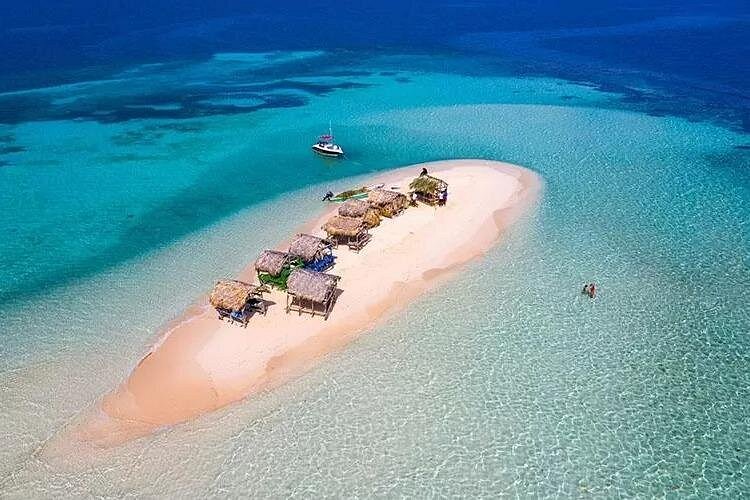
Cayo Arena, popularly known as Paradise Island or Cayo Paraíso, is one of the most distinctive natural attractions on the Dominican Republic's northwest coast. This tiny offshore sandbar is surrounded by shallow turquoise water and a reef environment that makes it a popular destination for boat excursions.
Although many travelers associate Cayo Arena with Puerto Plata, the sandbar is actually reached from Punta Rucia, a small coastal community farther west. Visitors typically travel from Puerto Plata to Punta Rucia by road before continuing by boat toward the island.
The journey is often combined with a visit to the area's mangrove channels, coastal scenery, and nearby marine environment. Tour packages may include transportation, boat transfers, snorkelling equipment, refreshments, and lunch.
If you are planning a Cayo Arena day trip in 2026, this guide explains where the island is located, how excursions work, typical tour prices, what is included, and what visitors should know before making arrangements.
Where Is Cayo Arena Located?
Cayo Arena is a small sandbar located offshore from Punta Rucia, in the northwestern part of the Dominican Republic.
It is associated with the coastal area of Puerto Plata Province and is reached by boat from the Punta Rucia area.
The destination is also known as Paradise Island because of its white sand and bright blue-green surrounding water.
Location Overview
DetailInformationDestinationCayo ArenaAlternative nameParadise Island / Cayo ParaísoNearest mainland departure areaPunta RuciaRegionNorthwest Dominican RepublicProvincePuerto PlataCountryDominican RepublicMain attractionsSandbar, clear water, reef environment, mangrovesAccessBoat from Punta Rucia
Cayo Arena is not a developed resort island. It is a small natural sandbar, and its appearance can change with tides, waves, and coastal conditions.
This is an important distinction for visitors expecting a traditional island resort with restaurants, shops, and permanent visitor facilities.
Why Is Cayo Arena Called Paradise Island?
The name Paradise Island comes from the destination's striking natural appearance.
The small strip of white sand surrounded by turquoise water creates a distinctive Caribbean landscape. From a boat, the sandbar can appear almost isolated in the middle of the sea.
Its natural scenery is the main reason it attracts visitors.
1. White Sandbar
The most recognizable feature is the small area of pale sand rising above the surrounding shallow water.
Unlike a large island with developed beaches, Cayo Arena has limited land area. Its size makes the destination feel very different from the larger beaches around Puerto Plata.
2. Turquoise Water
The shallow water surrounding the sandbar is known for its blue-green appearance.
Water clarity and color depend on sunlight, tides, weather, and sea conditions.
3. Reef Environment
The surrounding marine environment is associated with reef formations and tropical fish.
This is one reason Cayo Arena is frequently included in marine sightseeing and snorkelling excursions.
4. Mangrove Scenery
Some excursions combine the sandbar visit with a boat journey through nearby mangrove channels.
These coastal habitats add another dimension to the experience and provide an opportunity to appreciate the region's natural environment.
How to Get to Cayo Arena from Puerto Plata
The most common way to visit Cayo Arena from Puerto Plata is through a full-day excursion.
The journey generally has two main stages:
- Travel by road from Puerto Plata to Punta Rucia.
- Continue by boat from the Punta Rucia area to Cayo Arena.
Step 1: Travel from Puerto Plata to Punta Rucia
Punta Rucia is the main departure area for boat excursions to Cayo Arena.
The road journey from Puerto Plata generally takes around two hours, depending on traffic, road conditions, and the exact pickup location.
Travelers can arrange transportation through an organized tour or a private transportation provider.
Step 2: Boat Transfer to Cayo Arena
After reaching Punta Rucia, visitors join the boat portion of the excursion.
The boat journey commonly takes approximately 20–45 minutes, depending on the departure point, vessel, and sea conditions.
Some tours use speedboats, while others advertise catamaran-based experiences or combined boat arrangements.
Step 3: Visit the Sandbar
The main attraction is the sandbar itself.
Tour descriptions commonly include time to enjoy the scenery, relax on the sand, and appreciate the surrounding marine environment.
The amount of time available at Cayo Arena depends on the specific tour package and operating conditions.
General Journey Overview
Journey SectionApproximate DurationPuerto Plata to Punta RuciaAround 2 hours by roadPunta Rucia to Cayo ArenaAround 20–45 minutes by boatVisit to Cayo ArenaDepends on the tourReturn journeyRoad and boat travelTotal excursionApproximately 6–10 hours, depending on package
These are general estimates, not guaranteed travel times.
Cayo Arena Tour Prices in 2026
The cost of visiting Cayo Arena depends on the departure location, transportation arrangement, boat type, group size, and included services.
Most visitors from Puerto Plata choose an organized excursion rather than arranging every part of the journey separately.
Typical Published Tour Price References
Recent 2026 tour listings show different starting prices:
Tour TypePublished Price ReferenceStandard Cayo Arena excursionFrom approximately US$89 per personPuerto Plata excursion with transport and lunchAround US$110–120 starting prices on some listingsExtended or premium excursionSome options from approximately US$150–160
These are examples from tour listings, not a universal entrance fee or fixed market price. The final amount depends on the selected date, operator, and package.
What Is Usually Included?
Depending on the package, an excursion may include:
- Round-trip transportation from selected hotels
- Boat transportation from Punta Rucia
- Local guide or tour assistance
- Snorkelling equipment
- Bottled water or refreshments
- Tropical fruit
- Lunch
- Mangrove sightseeing
- Time at Cayo Arena
Not every package includes all these services.
Before confirming a booking, check whether transportation, meals, drinks, equipment, and additional fees are included in the advertised price.
Is There a Separate Entrance Fee?
Cayo Arena is a natural sandbar rather than a conventional theme park or ticketed attraction.
The main cost for most visitors is arranging the boat excursion and transportation.
Some tour packages may include charges associated with local services or protected-area arrangements. Confirm the complete price with the tour provider rather than assuming that the advertised boat price covers everything.
What to Expect on a Cayo Arena Day Trip
A typical excursion combines mainland transportation, a boat journey, time around the sandbar, and sometimes additional sightseeing.
The exact order depends on the operator.
Departure from Puerto Plata
Many organized excursions offer hotel pickup in Puerto Plata and nearby north-coast destinations.
The journey passes through the Dominican countryside toward Punta Rucia.
Some tours include transportation from Sosúa and Cabarete, although pickup locations and additional charges vary.
Arrival in Punta Rucia
Punta Rucia is a small coastal community known for its fishing traditions and access to nearby natural attractions.
The area serves as the main departure point for many Cayo Arena excursions.
Visitors may also appreciate the surrounding beach scenery and the local coastal atmosphere.
Boat Journey Through the Coastal Area
The boat journey is an important part of the excursion.
Some tour itineraries include a section through mangrove channels before or after visiting Cayo Arena.
These coastal landscapes provide a different view of the Dominican Republic's northwest region.
Time at Paradise Island
Cayo Arena is the main destination.
Its small sandbar, bright water, and surrounding marine environment are the defining features of the visit.
Because the sandbar has limited space, the number of boats and visitors present can influence the overall atmosphere.
Return to Punta Rucia
After the island visit, excursions return to the mainland.
Some packages include lunch in Punta Rucia, while others arrange meals at a different stop.
The return transportation then takes visitors back toward Puerto Plata or their selected pickup area.
Snorkelling and Marine Life Around Cayo Arena
Cayo Arena is widely associated with snorkelling because of its surrounding shallow reef environment.
The area is known for tropical marine scenery, although underwater visibility and wildlife sightings can vary.
What Makes the Marine Environment Interesting?
The wider coastal environment includes reef formations and habitats for different marine organisms.
Visitors may encounter descriptions of the area featuring:
- Tropical reef fish
- Coral formations
- Shallow marine habitats
- Coastal aquatic vegetation
- Other small marine organisms
Specific sightings should never be guaranteed. Marine life is naturally variable, and reef conditions can change over time.
Responsible Marine Tourism
Coral reefs are sensitive ecosystems that support a wide range of marine life.
Visitors should respect the natural environment and follow local conservation guidance.
Important principles include:
- Do not touch or damage coral.
- Avoid disturbing marine animals.
- Do not leave rubbish in the water or on the sand.
- Follow instructions from qualified local staff.
- Respect restricted areas and environmental notices.
Any water-based activity should be assessed according to current conditions and appropriate professional guidance. Young visitors should remain under responsible adult supervision.
Estero Hondo Mangroves: Another Natural Highlight
Some Cayo Arena excursions include a boat visit through mangrove channels near the Punta Rucia area.
These mangrove environments are part of the region's important coastal ecosystem.
Mangroves provide habitats for birds, fish, and other wildlife while helping protect coastal areas.
Why Are Mangroves Important?
Mangrove ecosystems have several environmental functions:
Coastal protection: Their root systems help stabilize coastal sediment and reduce erosion.
Wildlife habitat: Mangroves provide shelter and breeding areas for different organisms.
Water quality: Mangrove ecosystems help trap sediment and contribute to coastal ecological processes.
Biodiversity: They support interconnected marine and terrestrial habitats.
Wildlife Around the Mangroves
The wider coastal area supports different forms of wildlife, particularly birds and aquatic organisms.
However, wildlife sightings depend on season, weather, and natural animal behavior.
Some excursions also mention the possibility of seeing manatees in the wider region, but sightings are never guaranteed.
Punta Rucia: The Gateway to Paradise Island
Punta Rucia is a small coastal community that plays an important role in tourism around Cayo Arena.
It is known for its beach, fishing activity, and access to nearby mangroves and marine attractions.
What Makes Punta Rucia Special?
Punta Rucia offers a different atmosphere from the larger resort areas of Puerto Plata.
Its appeal comes from:
- A small coastal village setting
- Fishing traditions
- Beach scenery
- Access to Cayo Arena
- Nearby mangrove environments
- Local restaurants and seafood
Playa La Ensenada
Playa La Ensenada is a recognized beach in the Punta Rucia area.
It is often associated with the local excursion scene and can be included in a wider visit to the region.
The beach provides a mainland coastal setting that contrasts with the offshore sandbar at Cayo Arena.
Best Time to Visit Cayo Arena
The Dominican Republic has a tropical climate, and conditions along the northwest coast can vary throughout the year.
The best time for a visit depends on sea conditions, weather, and tour availability.
December to April
December through April is commonly considered a favorable period for exploring many Dominican Republic coastal destinations.
These months are often associated with more settled conditions in the wider region, although daily sea conditions still need to be checked.
May to August
Temperatures remain warm, and visitors may experience changing rainfall patterns.
Weather conditions can influence the operation of boat excursions.
September to November
This period can bring greater potential for tropical weather disruptions.
Tour operators may adjust or cancel excursions when conditions are unsuitable.
Seasonal Overview
PeriodGeneral ConsiderationsDecember–FebruaryPopular travel seasonMarch–AprilOften favorable for coastal holidaysMay–JuneWarm weather with variable rainfallJuly–AugustHot conditions and possible rainSeptember–OctoberGreater potential for tropical weather disruptionsNovemberTransitional seasonal conditions
These are broad seasonal patterns, not a guarantee of safe or suitable sea conditions on a particular day.
How Much Time Should You Allow?
A Cayo Arena excursion from Puerto Plata generally takes most of the day.
Some advertised experiences are approximately six hours, while other tours last around nine or ten hours.
The difference depends on:
- Pickup and drop-off locations
- Road transportation time
- Boat departure arrangements
- Time spent at Cayo Arena
- Mangrove sightseeing
- Lunch and other stops
Travelers should check the itinerary carefully, especially if they have another activity planned on the same day.
What Should Visitors Know Before the Trip?
Cayo Arena is a small natural destination with limited facilities.
It is important to understand this before choosing an excursion.
Limited Facilities
Unlike a developed beach resort, Cayo Arena does not have the usual range of shops, restaurants, and permanent visitor services.
Some listings describe a few simple shelters, but visitors should not expect extensive shade or facilities.
Weather and Sea Conditions
Boat excursions depend on weather and sea conditions.
Operators may change schedules or cancel departures when conditions are unsuitable.
Crowds
The sandbar has limited space. When multiple boats arrive around the same time, the area can feel crowded.
Visitor numbers may vary depending on the season and excursion schedules.
Tour Inclusions
Not all excursions provide the same services.
Some include lunch, drinks, equipment, and hotel transportation, while others offer a more basic boat excursion.
Read the package description carefully.
Environmental Responsibility
Cayo Arena's appeal depends on its natural surroundings.
Visitors should avoid littering, disturbing marine life, or damaging reef formations.
Nearby Attractions Around Cayo Arena
A visit to Cayo Arena can be considered as part of a wider exploration of the northwest coast.
Several destinations are located within the broader Punta Rucia and Monte Cristi region.
Punta Rucia Beach
Punta Rucia is the main mainland destination associated with boat departures to Cayo Arena.
Its coastal scenery and local atmosphere make it an interesting part of the wider excursion.
Playa La Ensenada
Playa La Ensenada is another beach in the Punta Rucia area.
It offers a mainland beach experience that contrasts with the small offshore sandbar.
Estero Hondo
Estero Hondo is associated with coastal wetlands and mangrove ecosystems.
The area is important for biodiversity and is sometimes included in regional boat excursions.
Monte Cristi
Monte Cristi is a coastal destination in the northwest of the Dominican Republic.
It is known for its distinctive natural scenery, coastal landscapes, and protected natural areas.
Visitors interested in exploring more of the region may consider learning about its beaches and national park attractions.
Is Cayo Arena Worth Including in a Puerto Plata Travel Guide?
Cayo Arena stands out because of its unusual geography and natural scenery.
It is not simply another mainland beach. Its small sandbar, offshore location, and surrounding marine environment make it a distinctive destination.
The journey also introduces visitors to Punta Rucia and the mangrove landscapes of the northwest coast.
However, the experience involves a substantial road journey from Puerto Plata followed by boat transportation. Visitors should compare the total travel time with the amount of time available at the destination.
It is best understood as a full-day regional excursion rather than a quick stop within Puerto Plata city.
Frequently Asked Questions About Cayo Arena
1. Where is Cayo Arena located?
Cayo Arena is located offshore from Punta Rucia on the northwest coast of the Dominican Republic.
2. Is Cayo Arena the same as Paradise Island?
Yes. Cayo Arena is also widely known as Paradise Island or Cayo Paraíso.
3. How do you get to Cayo Arena from Puerto Plata?
The typical journey involves road transportation from Puerto Plata to Punta Rucia, followed by a boat transfer to the sandbar.
4. How far is Cayo Arena from Puerto Plata?
The road journey to Punta Rucia is approximately two hours, followed by a boat journey of around 20–45 minutes. Actual times depend on the route and conditions.
5. How much does a Cayo Arena tour cost in 2026?
Recent listings show organized excursions starting at approximately US$89, with some Puerto Plata packages listed around US$110–120 or higher. Prices depend on inclusions and booking dates.
6. Is there an entrance fee for Cayo Arena?
Cayo Arena is a natural sandbar rather than a conventional ticketed attraction. The main expense is generally the boat excursion and transportation. Check whether any local fees are included in the tour price.
7. How long does a Cayo Arena day trip take?
Advertised excursions range from approximately six to ten hours, depending on transportation, boat arrangements, and additional stops.
8. Does a Cayo Arena tour include snorkelling equipment?
Many organized tours advertise snorkelling equipment as an inclusion, but this is not universal. Confirm the exact package details before booking.
9. Are lunch and drinks included?
Some packages include lunch, bottled water, tropical fruit, or other refreshments. Others have different arrangements. Check the inclusions for the specific tour.
10. Does Cayo Arena have restaurants and shops?
Cayo Arena has very limited facilities and should not be treated as a developed resort island. Food and refreshments are generally arranged through the excursion or on the mainland.
11. Can visitors see mangroves during a Cayo Arena tour?
Yes. Some excursions include a boat journey through nearby mangrove channels around the Punta Rucia area.
12. What is the best time of year to visit Cayo Arena?
December through April is often considered a popular period for coastal travel in the Dominican Republic. Actual boat operations always depend on local weather and sea conditions.
13. Can visitors see manatees near Cayo Arena?
Manatees are associated with the wider coastal ecosystem, but sightings are not guaranteed. Wildlife should be observed without disturbance.
14. Is Cayo Arena suitable for a family day trip?
It is advertised as a family-oriented excursion by some tour providers. Families should carefully review transportation arrangements, weather conditions, age requirements, and supervision policies before choosing a trip.
Conclusion
Cayo Arena, also known as Paradise Island, is one of the most recognizable natural attractions on the Dominican Republic's northwest coast.
Its small white sandbar, turquoise water, surrounding reef environment, and nearby mangrove scenery make it different from the larger beaches around Puerto Plata.
The most common way to visit is through a day excursion from Puerto Plata to Punta Rucia, followed by a boat journey to the sandbar. Recent 2026 tour listings show prices starting around US$89, while packages with additional transportation and services can cost more.
Before making plans, visitors should compare tour inclusions, check current weather and sea conditions, and remember that Cayo Arena has limited facilities.
For travelers researching the natural attractions of the Dominican Republic, Cayo Arena and Punta Rucia offer an interesting look at the country's northwest coastal landscape.


