Corcovado: Sirena Station Overnight Adventure
5.0(83)
From$410
Corcovado: Sirena Station Overnight Adventure
5.0 (83)
From$410per person
Book top-rated tours, excursions, and adventures in Punta Cana, Bayahibe, Santo Domingo, and across the Dominican Republic.
When the golden tropical sun slowly disappears behind the Pacific Ocean and the daytime crowds retreat to beachfront restaurants and hotels, an entirely different world awakens in the rainforest.
The Manuel Antonio Night Walking Tour offers travelers an unforgettable opportunity to step into the mysterious side of Costa Rica's most famous wildlife destination. As darkness blankets the jungle, thousands of nocturnal creatures emerge from their hiding places, creating one of the most fascinating wildlife encounters in Central America.
Most visitors explore Manuel Antonio during daylight hours, admiring monkeys swinging through trees, lounging on pristine beaches, and hiking scenic forest trails. However, seasoned travelers know that the real secrets of the rainforest reveal themselves only after sunset.
This immersive night adventure invites nature lovers, photographers, families, wildlife enthusiasts, and curious explorers to witness the tropical ecosystem in its most active and enchanting state.
With expert naturalist guides leading the way, specialized lighting equipment, and access to carefully selected rainforest trails, guests can discover colorful frogs, sleeping birds, fascinating insects, camouflaged reptiles, elusive mammals, spiders, bats, and countless other creatures rarely seen during the day.
This is not simply a walk through the forest.
It is an invitation to experience Costa Rica's biodiversity through an entirely different lens.
Nestled along Costa Rica's spectacular Central Pacific coastline, Manuel Antonio has become internationally recognized as one of the country's most biodiverse regions.
Despite being one of Costa Rica's smallest protected areas, the ecosystem surrounding Manuel Antonio supports an astonishing variety of wildlife species thanks to its unique combination of:
This ecological diversity makes the region particularly rich in nocturnal wildlife.
Scientists estimate that nearly 80% of rainforest creatures become most active after dark.
As temperatures cool and humidity rises, the forest transforms dramatically.
The sounds change.
Movement increases.
Tiny eyes begin reflecting flashlight beams.
Leaves rustle overhead.
Frogs call from hidden ponds.
Owls silently patrol the canopy.
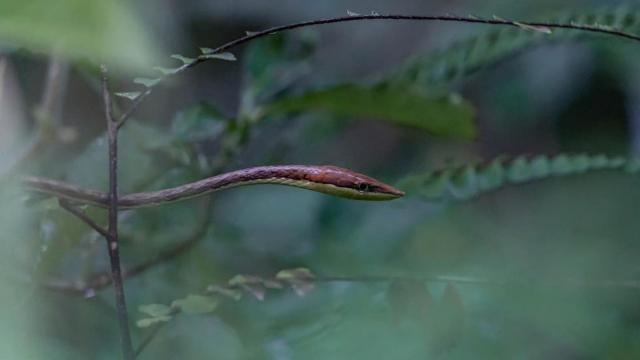
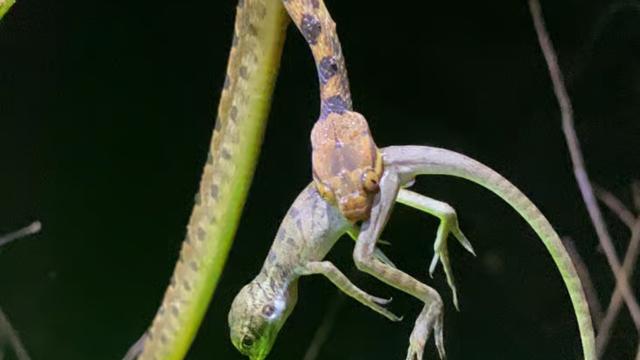
Tree snakes glide among branches.
The jungle suddenly feels alive in ways impossible to appreciate during daytime hikes.
For visitors seeking an authentic rainforest experience beyond crowded beaches and traditional sightseeing, few adventures compare to walking through a tropical forest illuminated only by moonlight, stars, and the soft glow of a guide's flashlight.
Most travelers never experience the rainforest after sunset.
The Manuel Antonio Night Walking Tour provides a safe and guided introduction to this extraordinary environment.
Walking beneath towering trees while listening to the orchestra of insects, frogs, and nocturnal birds creates an atmosphere unlike any daytime excursion.
Every few steps present opportunities to observe hidden creatures that spend daylight hours concealed within foliage, tree trunks, and leaf litter.
The experience feels intimate, educational, and genuinely adventurous.
One of the biggest reasons travelers choose this tour is the possibility of encountering species rarely observed elsewhere.
Wildlife sightings often include:
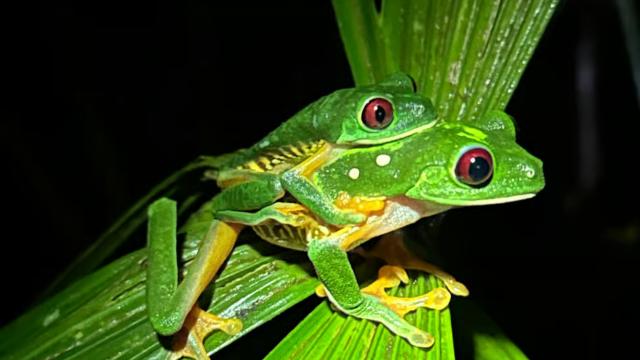
Costa Rica's iconic amphibian is undoubtedly among the stars of the night walk.
With brilliant green bodies, electric blue sides, and unmistakable crimson eyes, these frogs become active after sunset and are often found resting on leaves near water sources.
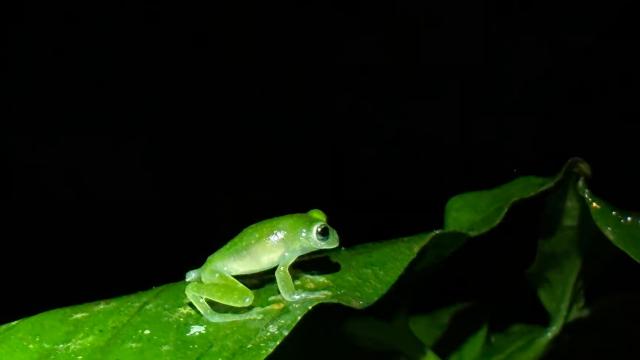
Tiny and translucent, glass frogs represent one of the rainforest's most fascinating creatures.
Their nearly transparent skin allows observers to see internal organs, making them a favorite subject for photographers.
Many bird species rest quietly on low branches at night.
Experienced guides know exactly where to locate them.
Species occasionally encountered include:
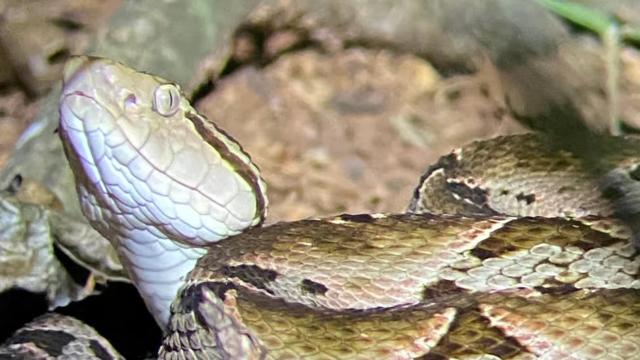
Costa Rica hosts an incredible variety of snakes.
While sightings are never guaranteed, visitors sometimes observe species such as:
Guides prioritize safety while explaining reptile behaviors and ecological importance.
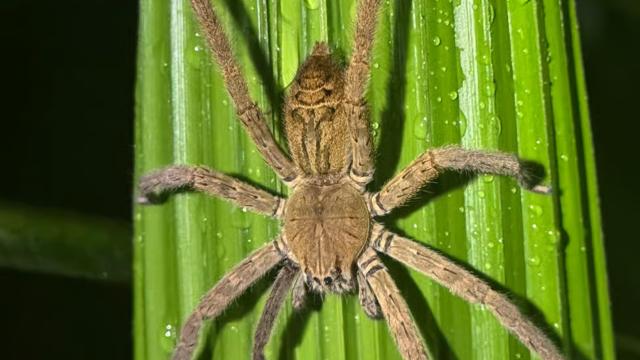
The rainforest supports numerous spider species.
Large tarantulas often emerge from burrows after dark.
Orb-weavers construct intricate webs illuminated beautifully under flashlight beams.
Lucky visitors may encounter:
Because mammals are highly mobile, each tour offers unique surprises.
The quality of a night walk depends greatly on the expertise of the guide.
The Manuel Antonio Night Walking Tour is designed to provide visitors with an educational experience led by professional naturalist guides familiar with the region's ecosystems.
These local experts possess years of experience identifying wildlife hidden within dense vegetation.
What appears to most visitors as an ordinary leaf suddenly becomes a perfectly camouflaged frog.
A small movement along a branch reveals a sleeping bird.
Tiny glowing reflections expose insects invisible to the untrained eye.
Guides frequently share insights about:
How creatures survive in darkness.
Communication methods.
Camouflage strategies.
Predator avoidance behaviors.
Food chains.
Pollination.
Biodiversity conservation.
Forest regeneration.
Costa Rica remains a global leader in ecotourism and wildlife preservation.
Visitors gain a deeper appreciation for how responsible tourism supports habitat protection and local communities.
One of the most appealing aspects of this tour is accessibility.
Unlike strenuous jungle expeditions requiring advanced hiking skills, this experience is suitable for most travelers.
Families appreciate the educational component.
Children enjoy searching for frogs and insects.
Photographers benefit from unique nighttime opportunities.
Couples often describe the experience as surprisingly romantic.
Solo travelers enjoy connecting with fellow adventurers.
Even seasoned wildlife enthusiasts frequently rank Manuel Antonio night walks among their favorite Costa Rican experiences.
The pace remains relaxed.
Stops occur frequently.
There is ample opportunity to ask questions and observe wildlife closely.
Imagine stepping onto a forest trail just as twilight fades.
Warm tropical air surrounds you.
The scent of wet earth rises from the jungle floor.
The first frogs begin singing.
A guide shines a light onto a leaf revealing a jewel-colored amphibian perched motionless.
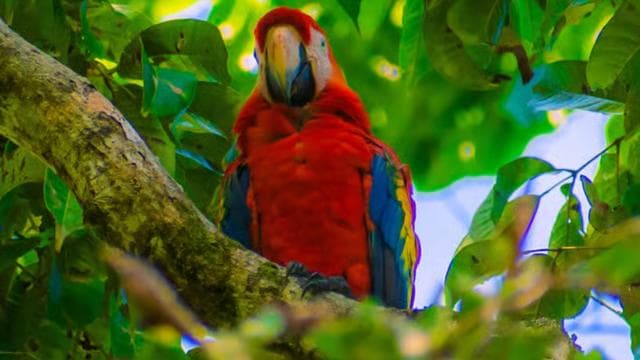
Minutes later, a sleeping toucan appears hidden among branches.
You continue deeper.
Spider webs sparkle like crystals.
An owl calls in the distance.
Something rustles overhead.
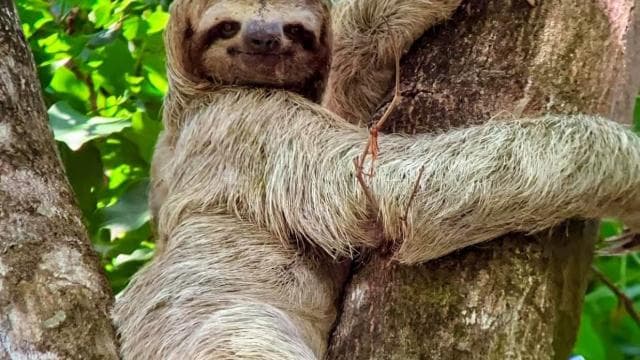
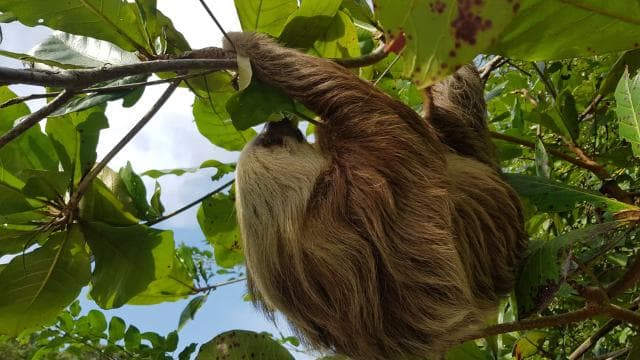
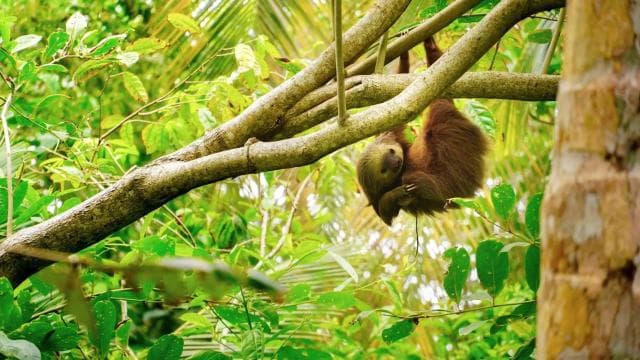
A sloth slowly changes position high in the canopy.
Nobody speaks loudly.
Everyone instinctively whispers.
There is a shared sense of wonder.
This isn't a zoo.
There are no cages.
No staged encounters.
Only nature behaving exactly as it has for thousands of years.
Each tour feels spontaneous.
Each wildlife sighting becomes memorable.
Every participant leaves with stories impossible to replicate anywhere else.
The Night Walking Tour complements many of the area's most popular activities.
Guests frequently combine this experience with:
Because the activity typically begins around sunset and lasts approximately two to three hours, it fits conveniently into most travel itineraries.
Many visitors arrive expecting a simple guided hike.
They leave with a profound appreciation for Costa Rica's extraordinary biodiversity.
The rainforest at night teaches patience.
Observation.
Curiosity.
Respect.
It reminds travelers that some of the planet's most incredible experiences happen not under bright sunshine but within shadows illuminated only by moonlight and the careful guidance of passionate naturalists.
The Manuel Antonio Night Walking Tour is more than an excursion.
It is an invitation to slow down, reconnect with nature, and witness one of Costa Rica's most captivating ecosystems during its most active hours.
Most travelers visiting Costa Rica spend their days chasing waterfalls, lounging on palm-fringed beaches, ziplining through cloud forests, or hiking national parks under the tropical sun.
Very few realize that one of the country's most fascinating wildlife experiences begins precisely when daylight disappears.
As the rainforest canopy darkens and humidity rises, thousands of species emerge from hiding. The forest changes completely.
The daytime soundtrack of parrots and monkeys gives way to the rhythmic chorus of frogs, crickets, cicadas, and nocturnal birds.
Shadows move.
Leaves rustle.
Tiny glowing eyes reflect flashlight beams.
Predators begin hunting.
Pollinators become active.
Amphibians climb from ponds.
Spiders rebuild intricate webs.
The Manuel Antonio Night Walking Tour provides access to this extraordinary natural transformation.
Rather than simply observing wildlife, guests become immersed in an ecosystem functioning exactly as nature intended.
Every step reveals something unexpected.
No two tours are ever identical.
That sense of mystery is what makes the experience unforgettable.
Depending on your selected booking option, guests may be picked up from accommodations within the Manuel Antonio and Quepos area or meet directly at the designated nature reserve.
Most tours begin shortly before sunset.
Arriving early allows visitors to:
Check in comfortably.
Meet fellow travelers.
Use restroom facilities.
Prepare camera equipment.
Receive safety instructions.
Ask questions before departure.
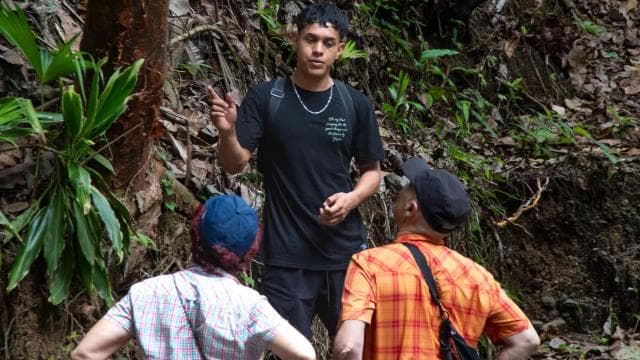
Before entering the forest, participants receive an engaging briefing from their expert guide.
Topics commonly discussed include:
Although sightings vary daily, guides explain which species are currently most active.
Travelers learn about:
Seasonal wildlife patterns.
Rainfall influences.
Breeding seasons.
Migration periods.
Recent observations.
Night walks remain very safe when conducted responsibly.
Guides explain:
Walking pace.
Trail etiquette.
Flashlight usage.
Wildlife observation protocols.
Environmental conservation practices.
Costa Rica is internationally respected for sustainable tourism.
Visitors are encouraged to:
Remain on trails.
Avoid touching animals.
Reduce noise.
Respect habitats.
Follow guide instructions.
As twilight fades, the true adventure begins.
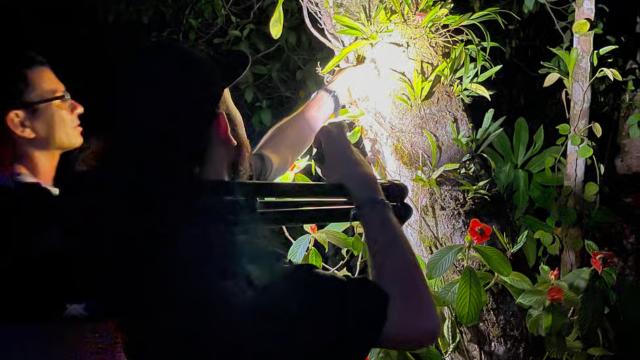
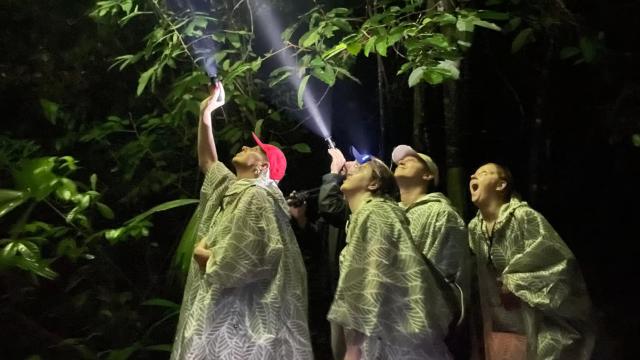
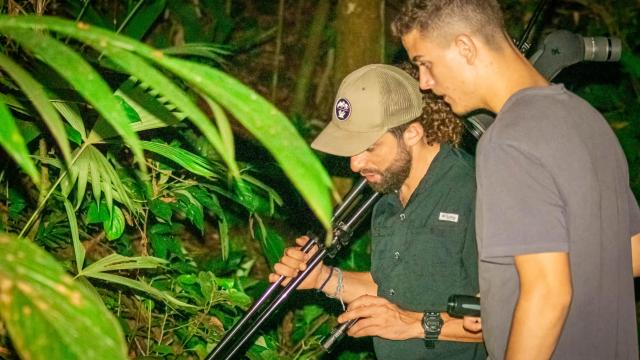
Small groups enter forest trails accompanied by specialized flashlights.
Immediately, visitors notice dramatic differences compared to daytime hikes.
Temperatures cool slightly.
Humidity becomes more noticeable.
Natural sounds intensify.
The forest suddenly feels deeper and more mysterious.
Guests quickly discover that guides possess remarkable spotting skills.
Tiny frogs hidden behind leaves become visible.
Camouflaged insects appear seemingly out of nowhere.
Motionless reptiles resting along branches emerge under focused beams.
Throughout the walk, frequent stops allow participants to appreciate the rainforest's hidden inhabitants.
Frogs remain among the most anticipated sightings.
Common possibilities include:
Red-eyed tree frogs
Glass frogs
Rain frogs
Poison dart frogs
Leaf frogs
Bullfrogs
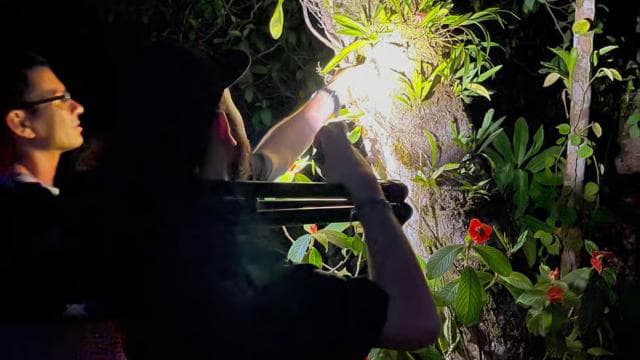
Guides often position lights carefully to minimize disturbance while maximizing viewing opportunities.
Photographers especially appreciate these moments.
Many visitors are fascinated by Costa Rica's reptiles.
Nighttime provides one of the best opportunities to observe snakes safely.
Species sometimes encountered include:
Tree boas.
Cat-eyed snakes.
Parrot snakes.
Blunt-headed tree snakes.
Small boas.
Vine snakes.
Guides explain:
Feeding habits.
Defense mechanisms.
Ecological importance.
Behavior patterns.
Common misconceptions.
Learning about snakes in a controlled setting often changes travelers' perceptions and encourages appreciation rather than fear.
Costa Rica hosts an incredible diversity of insects.
At night, they dominate the rainforest ecosystem.
Guests frequently encounter:
Stick insects.
Leaf insects.
Walking sticks.
Giant beetles.
Katydids.
Moths.
Fireflies.
Praying mantises.
Cicadas.
Guides demonstrate fascinating survival strategies such as camouflage and mimicry.
Children often find this portion particularly exciting.
Large tarantulas occasionally emerge near burrows.
Guides know traditional locations where sightings occur more frequently.
Observing these misunderstood creatures from a respectful distance becomes one of the tour's most memorable moments.
Night tours offer unusual opportunities to observe sleeping birds.
Species may include:
Motmots.
Toucans.
Owls.
Nightjars.
Flycatchers.
Trogons.
Bird enthusiasts appreciate seeing species rarely encountered in such intimate settings.
Mammals remain less predictable but incredibly rewarding.
Lucky groups may encounter:
Sloths.
Kinkajous.
Anteaters.
Armadillos.
Opossums.
Fruit bats.
Raccoons.
Even fleeting glimpses create lasting memories.
Wildlife photographers consistently rank night walks among their favorite experiences.
Potential subjects include:
Macro frog photography.
Spider web close-ups.
Insect portraits.
Reptile photography.
Sleeping birds.
Rainforest textures.
Dew-covered vegetation.
Recommended equipment:
Mirrorless cameras.
Macro lenses.
External flashes.
Tripods.
Headlamps.
Waterproof bags.
Beginners can capture excellent images using smartphones with night settings.
Costa Rica offers numerous night hikes, but Manuel Antonio possesses several advantages.
Few destinations combine coastal and rainforest habitats so closely.
Species diversity remains extremely high.
Travelers staying in Manuel Antonio rarely travel far.
The tour integrates seamlessly into vacation schedules.
Local naturalists often spend years studying wildlife behavior.
Their expertise dramatically increases sighting success.
Trails are generally manageable.
Children remain engaged throughout.
Educational components enhance the experience.
Night walks encourage low-impact tourism supporting conservation initiatives.
Recommended items include:
Long pants.
Lightweight shirts.
Breathable fabrics.
Closed shoes.
Comfortable hiking sandals.
Moisture-wicking clothing.
Avoid:
Flip-flops.
Bright reflective clothing.
Heavy jackets.
Rainforest environments naturally contain mosquitoes.
Eco-friendly repellents are recommended.
Suggested items:
Camera.
Phone.
Small water bottle.
Personal medication.
Light rain jacket.
Leave valuables at accommodations whenever possible.
Evenings can feel warm and humid.
Quick-drying clothing improves comfort.
Animals respond to noise.
Speaking softly increases observation opportunities.
Every season offers unique experiences.
December–April
More comfortable walking conditions.
Excellent visibility.
May–November
Lush vegetation.
Increased amphibian activity.
More frog sightings.
Excellent photography conditions.
Rain often enhances wildlife encounters.
Visitors consistently praise several aspects.
Guests frequently mention seeing animals they never expected.
Learning directly from passionate naturalists deepens appreciation.
Many travelers visit Manuel Antonio multiple times but experience the rainforest at night only once.
It often becomes the highlight of their vacation.
Intimate groups improve viewing opportunities.
Personalized attention enhances enjoyment.
Nearly every rainforest ecosystem changes dramatically after sunset.
Choosing this experience means witnessing a side of Costa Rica many tourists never see.
Responsible ecotourism directly contributes to:
Environmental awareness.
Wildlife protection.
Local employment.
Community development.
Children become natural explorers.
Parents appreciate educational value.
Families share discoveries together.
Manuel Antonio is famous for beautiful coastlines.
Night walks reveal another dimension entirely.
Travelers booking in advance often benefit from:
Preferred departure times.
Guaranteed availability.
Smaller groups.
Simplified vacation planning.
Flexible scheduling options.
Night tours occasionally sell out during peak travel periods.
Advance reservations are recommended.
Professional operators prioritize:
Certified guides.
Environmental responsibility.
Guest safety.
High-quality equipment.
Educational experiences.
Excellent customer service.
Costa Rica's ecotourism reputation is built upon maintaining exceptional visitor experiences while preserving natural ecosystems.
This experience is highly recommended for:
Nature enthusiasts.
Wildlife photographers.
Families with children.
Couples seeking unique experiences.
Solo travelers.
Birdwatchers.
Adventure seekers.
Conservation-minded travelers.
Repeat Costa Rica visitors.
First-time visitors wanting authentic rainforest encounters.
Long after your Costa Rican vacation ends, memories from the night walk often remain among the most vivid.
You may forget the names of restaurants.
You may forget which beach you visited first.
But you rarely forget seeing a glowing red-eyed tree frog for the first time.
You rarely forget standing silently beneath towering rainforest trees while listening to hundreds of frogs singing around you.
You rarely forget the excitement of discovering wildlife hidden only inches away, invisible until illuminated by an experienced guide's flashlight.
The Manuel Antonio Night Walking Tour is not merely an activity added to an itinerary.
It is an opportunity to witness one of the world's richest ecosystems at its most mysterious, active, and captivating time of day.
For travelers searching for authentic encounters, meaningful memories, and a deeper understanding of Costa Rica's remarkable biodiversity, few experiences compare to exploring the Manuel Antonio rainforest after dark.
Spaces are often limited to maintain a personalized and environmentally responsible experience.
Book your adventure today and prepare to discover an entirely different side of Costa Rica—one where the rainforest truly comes alive beneath the stars.
The Manuel Antonio Night Walking Tour typically lasts between 2 and 3 hours, depending on wildlife activity, trail conditions, and the pace of the group. This duration allows guests to enjoy multiple wildlife observation stops while exploring the rainforest after sunset.
Most night tours begin around 5:30 PM to 6:00 PM, shortly before sunset. Departure times may vary slightly throughout the year due to seasonal daylight changes. Guests are usually advised to arrive 15–30 minutes early for check-in and a short introduction.
Some operators provide round-trip transportation from hotels in Manuel Antonio and Quepos, while others may require guests to meet at a designated location. Travelers should confirm transportation details at the time of booking.
Wildlife sightings vary daily, but guests frequently encounter:
Because wildlife is completely wild and free-ranging, sightings can never be guaranteed, making each tour a unique experience.
Yes. The tour is generally considered family-friendly and suitable for children who enjoy nature and walking. Kids often find searching for frogs, insects, and sleeping birds particularly exciting. Parents should ensure children are comfortable walking on natural trails in low-light conditions.
Absolutely. Many seniors enjoy this experience because it is usually conducted at a relaxed pace with frequent stops for wildlife viewing. Participants should be comfortable walking on uneven terrain and standing periodically during observations.
No. The Night Walking Tour is considered easy to moderately active. Trails are generally well-maintained, and guides stop frequently to observe wildlife. Guests with mobility concerns should inquire about trail conditions before booking.
No previous hiking experience is required. The tour is designed for beginners, casual travelers, families, and wildlife enthusiasts seeking an accessible rainforest experience.
Most guided night walks provide flashlights or use specialized spotting lights to help guests safely navigate the trails and observe wildlife. Some travelers also prefer bringing a personal headlamp for added convenience.
Recommended clothing includes:
Avoid flip-flops, sandals with poor grip, and heavy clothing.
Yes. Insect repellent is highly recommended since tropical rainforests naturally have mosquitoes and other insects, especially during humid evenings and the rainy season.
Yes. Photography is encouraged, especially for nature and wildlife enthusiasts. Smartphones with night mode settings can work well, while DSLR or mirrorless cameras with macro lenses can produce exceptional images of frogs, insects, and reptiles.
Many night walk reserves and meeting locations offer restroom facilities before the tour begins. However, bathrooms are usually not available once guests are on the forest trails, so visitors should plan accordingly.
The standard Manuel Antonio Night Walking Tour generally does not include dinner or meals unless specifically mentioned in the tour package. Guests are encouraged to eat before departure or dine afterward at local restaurants.
Light rain rarely affects the experience and can actually increase wildlife activity, especially frog sightings. Tours often operate in rainy conditions unless severe weather creates safety concerns. Guests should bring a lightweight waterproof jacket during the green season.
Yes. Guides maintain safe viewing distances and provide educational explanations about rainforest species. Many guests report that the experience helps them better understand and appreciate animals they previously feared.
Group sizes vary depending on the operator, but many tours prefer small groups to enhance wildlife viewing opportunities, minimize disturbance to animals, and provide a more personalized experience.
Definitely. A night walk offers a completely different perspective of the rainforest. Since many tropical species are nocturnal, visitors often see animals that are almost impossible to encounter during daytime excursions.
Yes. The tour is generally available throughout the year. Both the dry season and green season offer unique wildlife viewing opportunities, making any time a great time to experience Costa Rica's rainforest after dark.
This tour combines expert naturalist guides, incredible biodiversity, easy accessibility, and the chance to observe nocturnal animals in their natural habitat. For many travelers, exploring the rainforest after sunset becomes one of the most memorable highlights of their Costa Rica vacation.
Apre w fin konplete rezèvasyon w la, ekip nou an ap kontakte w yon jou anvan ekskizyon an pou konfime lè presi ranmasaj nan otèl / Airbnb ou oubyen pwen reyinyon an.
Si w te chwazi yon pwen reyinyon pandan rezèvasyon w lan, tanpri note ke rezèvasyon w lan konfime nèt — senpleman rive nan kote ki chwazi a nan lè ki te prevwa a.
Tanpri asire w ke nimewo WhatsApp, nimewo telefòn, oswa imèl ou te antre lè w t ap boke a kòrèk pou nou ka jwenn ou fasilman.
Pou nenpòt chanjman nan rezèvasyon w lan, kesyon sou tanperati a, oswa demann espesyal, pa ezite kontakte nou:
Nou swete w labyenveni! 🌴✨