Guanacaste: Catamaran Private Sailing Tour
5.0(100)
From$250
Guanacaste: Catamaran Private Sailing Tour
5.0 (100)
From$250per person
Book top-rated tours, excursions, and adventures in Punta Cana, Bayahibe, Santo Domingo, and across the Dominican Republic.
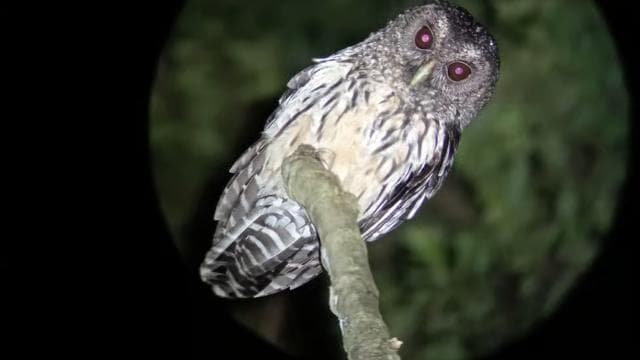
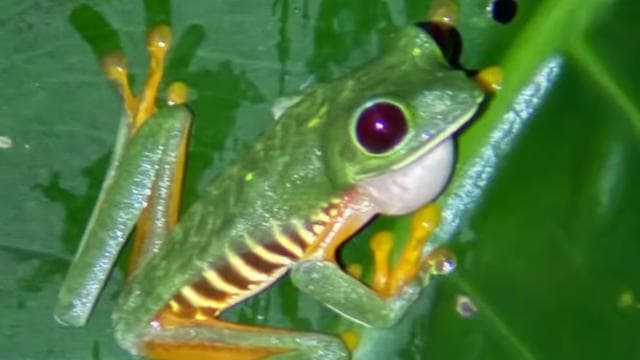
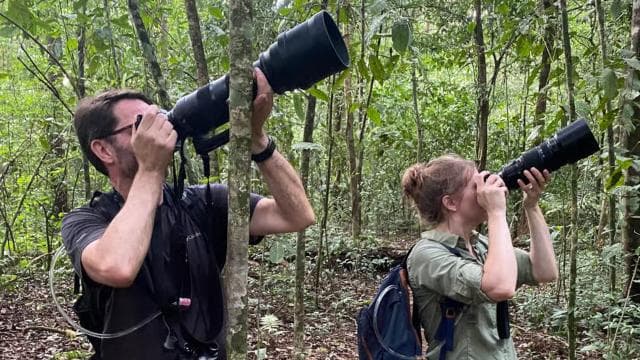
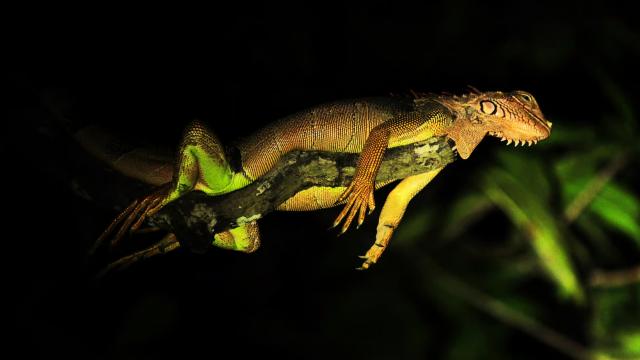
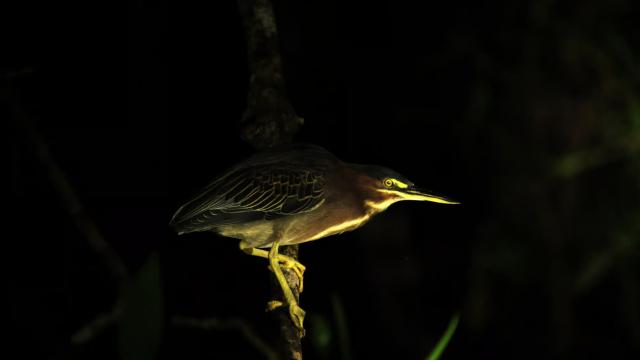
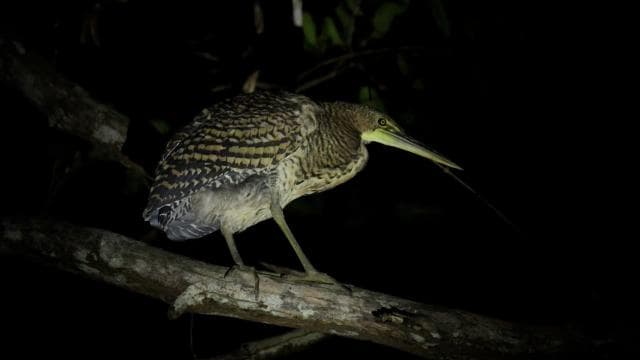
Imagine leaving the bright beaches and lively streets of Manuel Antonio behind as the sun disappears below the horizon. The tropical landscape becomes quieter, the waterways turn dark and mysterious, and the forest begins to reveal a completely different side of itself. This is when the mangroves truly come alive. The Manuel Antonio Mangrove Boat Night Tour is a unique 2-hour nighttime wildlife experience that takes you deep into the peaceful mangrove waterways near Manuel Antonio, Costa Rica. Traveling by a small motorboat with an experienced local guide and captain, you’ll explore winding canals beneath the night sky while searching for creatures that are rarely active or visible during daylight. Instead of simply looking at the rainforest from a trail, this experience allows you to enter one of Costa Rica’s fascinating aquatic ecosystems and discover what happens after dark. With powerful guide-operated flashlights illuminating branches, roots, riverbanks, and quiet stretches of water, every moment brings the possibility of a new wildlife encounter. You may see snakes resting among the vegetation, frogs perched on leaves, crocodiles moving silently through the water, bats flying overhead, turtles near the banks, lizards hiding in the foliage, sloths resting in the trees, and nocturnal birds moving through the darkness. Some encounters may last only a few seconds. Others may give you enough time to observe the animal’s behavior and appreciate how perfectly adapted it is to life in the mangrove ecosystem. For travelers looking for something different from a traditional daytime wildlife tour, this Manuel Antonio night mangrove tour combines adventure, tranquility, wildlife observation, and environmental discovery in one unforgettable experience. Manuel Antonio is famous for its tropical beaches, lush rainforest, abundant wildlife, and spectacular natural scenery. During the day, the region is filled with sunshine, birdsong, movement, and vibrant colors. But after sunset, another world emerges. The same mangrove forest that may appear peaceful during daylight hours becomes an active nighttime habitat. Hidden animals begin moving through the vegetation. Predators become more active. Frogs call from the banks. Bats cross the dark sky. Reptiles move quietly through the water and forest. The darkness does not mean there is less to see. In many ways, it means there is more to discover. The Manuel Antonio Mangrove Boat Night Tour gives you the opportunity to experience this transformation from the comfort of a small motorboat. Rather than walking through unfamiliar terrain at night, you travel along calm waterways with an experienced guide who knows where to look and how to illuminate the surrounding habitat. As the boat moves slowly through the mangrove canals, the guide carefully scans the vegetation and water for signs of wildlife. A beam of light may suddenly reveal two reflective eyes in the darkness. A movement in a branch may reveal a sleeping reptile. A sound from the forest may lead your guide toward a hidden frog or bird. That element of anticipation is part of what makes a nighttime mangrove safari so memorable. You never know exactly what the next beam of light will reveal. Many travelers visit Costa Rica hoping to see monkeys, sloths, colorful birds, reptiles, and other tropical wildlife. Daytime tours can provide excellent opportunities, but the nighttime environment offers an entirely different perspective. The Manuel Antonio mangroves at night are a living ecosystem where darkness changes animal behavior and creates opportunities to observe species that are difficult to encounter during the day. Your guide’s knowledge becomes especially valuable after sunset. Instead of simply traveling through the waterways, you’ll learn how animals use the mangrove habitat, where different species are likely to hide, and how they survive in an environment that changes with the tides, weather, temperature, and time of day. The experience is not only about spotting animals. It is about understanding them. A snake curled around a branch is more than an exciting photograph. It becomes an opportunity to learn about nocturnal behavior and the role predators play in the ecosystem. A frog sitting quietly on a leaf becomes an example of how amphibians depend on moisture-rich environments. A crocodile moving silently through the water demonstrates how perfectly certain reptiles are adapted to low-light conditions. The more you learn, the more fascinating the mangrove becomes. Mangroves are among the most fascinating coastal ecosystems in the tropics. Their tangled roots, waterways, vegetation, and sheltered habitats create living spaces for a wide variety of animals. During the daytime, sunlight makes it easier to see the overall landscape. At night, your attention changes. You begin listening. You watch the movement of the flashlight. You look carefully at branches and leaves. You scan the dark surface of the water. You wait for your guide to point toward something hidden. This creates a more intimate connection with nature. The boat moves quietly through the canals, allowing you to experience the peaceful atmosphere without the noise and activity of a busy daytime attraction. The surrounding darkness creates a sense of mystery while the knowledgeable guide provides reassurance, information, and expert wildlife spotting. For nature lovers, photographers, couples, families, and adventurous travelers, the experience can become one of those unexpected highlights of a Costa Rica vacation. The journey takes place aboard a small motorboat designed for exploring the calm waterways of the mangrove environment. As you board, life jackets are provided for your safety. Once everyone is ready, the boat begins moving through the waterways while your guide and captain lead the experience. The pace is intentionally relaxed. This is not a high-speed boat ride. It is a wildlife observation experience. The slower pace gives you time to look around and appreciate the environment. Instead of rushing from one location to another, you can focus on the details of the mangrove forest. Roots extend into the water. Branches reach over the channels. Leaves move gently in the night breeze. The water reflects the light from the boat and flashlight. Every turn in the canal creates another opportunity to discover something unexpected. The combination of darkness, still water, dense vegetation, and wildlife activity creates an atmosphere that feels almost completely different from a daytime excursion. One of the biggest attractions of the Manuel Antonio Mangrove Boat Night Tour is the possibility of encountering nocturnal wildlife in its natural habitat. Wildlife sightings are never guaranteed because animals are wild and their behavior changes naturally. However, the mangrove environment provides opportunities to search for a fascinating variety of species. Snakes are among the most exciting animals to encounter during a nighttime mangrove excursion. Your guide may use a powerful flashlight to carefully scan branches, vegetation, and areas near the water. Some snakes may be resting after becoming active during the evening, while others may be moving through the forest in search of prey. Seeing a snake in the darkness can be an unforgettable moment, especially when your guide helps you understand what you are looking at and explains its behavior. The sounds of frogs are an important part of the nighttime tropical environment. As darkness settles over the mangroves, frogs may become more active. Your guide can help locate them among leaves and vegetation, sometimes revealing surprisingly small creatures that would be almost impossible to notice without expert assistance. Their colors, patterns, eyes, and behavior can make them fascinating subjects for wildlife photography. Few nighttime wildlife encounters create the same sense of excitement as seeing a crocodile. Your guide may scan the water and riverbanks for the characteristic reflection of eyes. A crocodile can remain remarkably still, making it difficult to notice until the flashlight catches its position. Observing these reptiles from a safe distance aboard the boat provides a thrilling glimpse into one of the mangrove ecosystem’s most impressive predators. Look upward as well as toward the water. Bats may move through the darkness above the mangrove canopy, sometimes appearing only briefly before disappearing into the night. Their presence adds another dimension to the experience because the wildlife is not limited to the waterways and forest floor. The entire nighttime environment is active. Lizards may be found resting on branches, vegetation, or near the water. Their ability to blend into the surrounding environment makes them a fun challenge to spot. Your guide’s trained eyes can often identify small movements or unusual shapes that visitors might overlook. Depending on conditions and wildlife activity, turtles may also be encountered around the waterways. Seeing one quietly moving through the dark water can be a peaceful counterpoint to more dramatic encounters with reptiles and predators. Sloths are another species travelers may hope to see. A sloth resting high in the trees can be difficult to locate without a trained guide, particularly at night. When the flashlight reveals one among the branches, however, the encounter can become one of the most memorable moments of the trip. The mangrove ecosystem also provides habitat for birds that are active or visible during evening and nighttime hours. Rather than simply watching colorful birds in daylight, a night tour challenges you to listen carefully and look for movement among the branches. This makes bird spotting a more immersive experience. The darkness is what makes the tour special, but it also makes wildlife spotting more challenging. That is why the expertise of your guide is such an important part of the experience. Your guide uses powerful lights to illuminate strategic areas of the mangrove forest. The goal is not simply to shine a light everywhere, but to carefully scan likely locations where animals may be resting, hunting, feeding, or moving. A guide may notice a tiny movement in a branch that most visitors would completely miss. They may recognize the shape of an animal hidden among leaves. They may know where to look along the edge of the water. They may hear a sound before anyone else in the group notices it. This combination of local knowledge, patience, and careful observation greatly enhances the experience. Instead of spending the evening wondering where wildlife might be, you have an experienced professional helping you discover the hidden world around you. The Manuel Antonio Mangrove Boat Night Tour is more than a wildlife-spotting trip. It is also an educational experience. Your professional English-speaking guide can explain the mangrove ecosystem, describe animal behavior, and help you understand why these habitats are so important. As you move through the waterways, you can learn about the relationship between the water, vegetation, wildlife, and surrounding environment. You may begin the tour simply hoping to see a crocodile or frog. By the end, you may have a much deeper appreciation for the entire ecosystem. That educational element makes the experience particularly rewarding for travelers who want their Costa Rica vacation to include meaningful encounters with nature rather than simply sightseeing. Not every adventure needs to be fast or physically demanding. Some of the most memorable experiences come from slowing down. The boat moves gently through the waterways while the surrounding forest remains largely undisturbed. There is no need for strenuous hiking or difficult climbing. Instead, you can sit back, listen to the sounds of the nighttime forest, and let your guide lead you through the mangrove canals. For many travelers, this peaceful atmosphere is one of the tour’s greatest advantages. You get the excitement of searching for wild animals without sacrificing the opportunity to relax. One moment may be completely calm. The next, everyone in the boat may suddenly turn toward a branch because the guide has spotted something. That balance between tranquility and anticipation creates a distinctive wildlife experience. A smaller boat and intimate group setting can make wildlife observation more enjoyable. Instead of feeling like one person in a large crowd, you have more opportunity to hear your guide, follow the flashlight, and participate in the search for wildlife. Everyone becomes part of the experience. When something is spotted, the group shares the excitement. A quiet moment can be appreciated together. A surprising wildlife encounter can become a story everyone remembers long after the boat returns to shore. For couples, friends, families, solo travelers, and small groups, this intimate atmosphere can make the tour feel personal rather than commercial. There is another element that makes a nighttime mangrove journey special: the sky above you. Away from bright urban environments, the darkness allows you to become more aware of the natural surroundings. The sound of water becomes more noticeable. The movement of the wind through the vegetation becomes clearer. The forest seems larger. The night sky becomes part of the experience. As the boat travels through the dark waterways, you can take a moment to stop looking for wildlife and simply appreciate where you are. You are surrounded by one of Costa Rica’s unique natural environments, experiencing it at a time when most visitors are no longer exploring. That sense of being somewhere hidden and peaceful is one of the tour’s greatest emotional rewards. A daytime excursion often focuses heavily on what you can see. At night, the experience becomes more sensory. You hear frogs calling from the vegetation. You hear the gentle movement of water around the boat. You feel the cooler nighttime air. You notice the scent of the humid tropical forest. You watch the flashlight move slowly across the vegetation. You wait for your guide to identify a hidden animal. The darkness encourages you to become more attentive. Instead of constantly taking photographs, you may find yourself simply listening and observing. That is what makes the experience feel immersive. A trip to Manuel Antonio can easily become centered around beaches, rainforest walks, wildlife, and daytime activities. Adding a nighttime mangrove excursion gives your itinerary a completely different dimension. During the day, you can explore beaches and tropical forests. At night, you can enter the mangrove waterways and discover what happens after the sun goes down. The two experiences complement each other beautifully. You are not simply repeating the same type of wildlife tour. You are experiencing Costa Rica’s natural environment at a different time and from a different perspective. For travelers staying in Manuel Antonio or exploring the surrounding Quepos area, this tour offers an excellent way to make an evening part of the adventure rather than simply returning to the hotel after dinner. Wildlife photography at night can be challenging, but that challenge is part of the appeal. The contrast between darkness and the guide’s illumination can create dramatic images of frogs, reptiles, birds, insects, and other wildlife. A camera capable of performing well in low-light conditions can help you capture better results. However, the best approach is to remember that photography is secondary to the wildlife experience itself. Animals are unpredictable. They may move before you are ready. They may disappear behind leaves. They may remain partly hidden. Sometimes the best photograph is simply the memory of what you saw. Bring a camera if you have one, but also allow yourself time to put it down and experience the forest directly. Your experience includes several essentials designed to make the journey comfortable and enjoyable. A knowledgeable professional guide accompanies the experience, helping you search for wildlife and explaining the mangrove ecosystem and nighttime animal behavior. Bottled water is provided during the tour so you can stay hydrated throughout your adventure. Life jackets are provided on the boat as an important part of the tour’s safety equipment. A little preparation can make your experience even better. Bring a small flashlight or headlamp for personal use when boarding, moving around, or returning after the tour. Your guide will use powerful lights for wildlife observation, but having your own light can be convenient. Mangrove environments are naturally humid and can attract insects, particularly after sunset. Applying insect repellent before the tour can make the experience more comfortable. If you want to photograph wildlife, bring a camera that performs well in low-light conditions. A smartphone can still capture memories, but a camera with good low-light capability may perform better when photographing distant or fast-moving animals. Wear lightweight, comfortable clothing suitable for a warm tropical environment. Evenings can feel cooler than daytime, so bringing a light jacket is recommended. Closed-toe shoes are recommended for safe and comfortable boarding. Choose footwear that you can wear comfortably around the boat and boarding area. One of the most appealing aspects of the experience is its atmosphere. Instead of spending another evening in a restaurant or hotel, you can step into the mangroves and experience Costa Rica’s wildlife from a completely different perspective. There are no busy trails. No daytime crowds. No need to rush. Just the boat, the waterways, the guide, and the sounds of the tropical night. The experience can feel surprisingly intimate. You may find yourself whispering when an animal is spotted, not because you have to, but because the quiet environment naturally encourages everyone to slow down. That atmosphere is difficult to recreate anywhere else. The Manuel Antonio Mangrove Boat Night Tour is ultimately about connection. Connection with nature. Connection with the local ecosystem. Connection with the experience of traveling somewhere unfamiliar and allowing yourself to be surprised. It reminds you that nature does not follow a tourist schedule. Animals do not appear simply because visitors arrive. The forest has its own rhythm. At night, you are invited to enter that rhythm for a short time and observe. You may see a crocodile. You may discover a tiny frog. You may watch a bat cross the sky. You may find a sloth resting in the trees. Or you may simply enjoy the peaceful movement of the boat through the dark canals. Every tour is different because every night in the mangrove is different. Long after your Costa Rica vacation ends, you may remember the beaches, the food, and the beautiful landscapes. But you are especially likely to remember moments that felt unexpected. The moment the guide suddenly stops the boat. The moment everyone turns toward the vegetation. The moment the flashlight reveals a pair of glowing eyes. The moment you realize there is a crocodile quietly moving through the water. The moment a frog appears on a leaf. The moment the boat becomes completely quiet and you hear only the sounds of the forest. These are the moments that transform an ordinary excursion into a travel memory. Manuel Antonio is more than its famous beaches and rainforest. Its natural environment extends into waterways, wetlands, coastal habitats, and mangrove ecosystems that support an extraordinary variety of wildlife. The Manuel Antonio Mangrove Boat Night Tour gives you a chance to explore one of these less obvious environments after dark. It is an experience for travelers who want to go beyond the standard sightseeing itinerary. If you enjoy wildlife, photography, nature, eco-tourism, peaceful adventures, or simply trying something new while traveling, this tour can add a memorable evening to your Costa Rica journey. In just two hours, you can experience a remarkable transformation. You begin as a traveler arriving at the mangrove waterways. You board the boat and prepare for the night. The engine starts. The boat moves slowly into the darkness. The lights begin scanning the vegetation. Your eyes adjust. The forest sounds become more noticeable. Then the search begins. A branch. A movement. A reflection. A pair of eyes. A hidden frog. A reptile near the water. A bird in the trees. A sloth above you. Each discovery adds another piece to the story of the mangrove. By the end of the journey, you return with more than photographs. You return with a deeper understanding of what happens in Costa Rica’s tropical ecosystems after sunset. The Manuel Antonio Mangrove Boat Night Tour is especially well suited to travelers who: If your idea of adventure involves curiosity, discovery, and being surrounded by nature, this nighttime mangrove experience is an excellent choice. Every traveler arrives with different expectations. Some come hoping to see a crocodile. Others dream of photographing a frog. Some are fascinated by snakes and reptiles. Others simply want to experience the peaceful atmosphere of a tropical forest at night. Whatever brings you to the mangroves, the experience gives you something that photographs alone cannot provide: the feeling of being present in a living ecosystem. The darkness makes every sound meaningful. Every movement becomes interesting. Every illuminated branch holds a possibility. And every turn in the waterway can reveal something new. That is the magic of a nighttime mangrove safari. When the sun sets over Manuel Antonio, the adventure does not have to end. Instead, it can begin again. Step aboard a small motorboat and travel quietly through the mangrove canals. Let an experienced local guide introduce you to the hidden nighttime world of Costa Rica. Search the branches for snakes and sloths, watch the water for crocodiles and turtles, look among the leaves for frogs and lizards, and keep your eyes on the sky for bats and nighttime birds. Enjoy the peaceful waterways. Listen to the forest. Learn about the ecosystem. Share the excitement of every wildlife discovery with your group. The Manuel Antonio Mangrove Boat Night Tour offers a rare opportunity to experience Costa Rica from a completely different perspective—after dark, when the mangroves reveal a side of themselves that most travelers never get to see. For an evening filled with wildlife, peaceful exploration, local knowledge, and unforgettable moments, this 2-hour adventure is a memorable addition to any Manuel Antonio itinerary. Leave the ordinary evening behind and discover the hidden life of the mangroves after sunset. Your Manuel Antonio Mangrove Boat Night Tour is designed as a relaxed, wildlife-focused evening adventure rather than a fast-paced excursion. Over approximately two hours, you’ll travel through mangrove waterways by small motorboat while an experienced English-speaking guide searches the darkness for nocturnal wildlife. The experience is especially rewarding because the mangrove ecosystem changes dramatically after sunset. Local tour information for the Manuel Antonio and Damas Island area similarly describes nighttime mangrove excursions as opportunities to observe wildlife that becomes active after dark, including reptiles, amphibians, bats, birds, and other nocturnal species. Because you are exploring a genuine natural habitat, every departure can be different. Wildlife sightings are never guaranteed, and that unpredictability is part of the adventure. One evening may produce an impressive crocodile sighting; another may reveal several frogs, snakes, bats, lizards, turtles, or birds. The goal is not to visit a controlled wildlife enclosure—it is to experience animals living naturally within their ecosystem. Before departing, prepare everything you want to have with you for the night. Your essentials should include insect repellent, comfortable clothing, closed-toe shoes, and a light jacket. A flashlight or headlamp can also be useful when boarding or walking around the departure area. If photography is important to you, bring a camera capable of performing well in low-light conditions. Keep in mind that nighttime wildlife photography can be challenging, particularly when animals are moving or partially hidden by vegetation. The most important thing to bring, however, is patience. Wildlife does not appear on demand. Your guide may spend several minutes carefully scanning one section of vegetation before discovering something hidden there. Once you are ready, you’ll board the small motorboat used for the mangrove excursion. Life jackets are provided on the boat, and your professional guide and captain will help make the boarding process comfortable and organized. After everyone is seated, the boat begins its journey into the mangrove waterways. This is when the atmosphere starts to change. The sounds of the surrounding area gradually become quieter. Artificial lights become less noticeable. The waterways become darker, and the vegetation takes on a mysterious appearance. The boat travels slowly through calm mangrove channels. Rather than rushing through the ecosystem, the tour focuses on observation. Look toward the branches. Look along the waterline. Look into the shadows. Listen for movement. Your guide will operate powerful flashlights to search for wildlife and identify animals that may otherwise remain almost invisible in the darkness. The flashlight beam becomes your window into the nighttime ecosystem. Once inside the mangrove environment, the wildlife search begins in earnest. Your guide may scan trees for sleeping or active reptiles, examine leaves for frogs, look along riverbanks for crocodiles, and watch the sky for bats or night birds. You may also encounter lizards, turtles, sloths, snakes, or other animals depending on the conditions and natural activity of the evening. The search itself is part of the experience. Sometimes you will see something immediately. Other times, your guide may tell you to look at a particular branch before you finally recognize the animal hiding there. While searching for wildlife, your guide can explain the characteristics of the mangrove environment and the behavior of its inhabitants. You can learn why mangroves are important habitats, how animals use the vegetation for shelter, and why some species are much easier to observe after sunset. The educational element gives the wildlife encounters greater meaning. Instead of simply seeing an animal, you begin to understand its place within the ecosystem. As the boat continues, the environment can become increasingly immersive. The darkness encourages everyone to slow down. You may hear frogs calling from somewhere nearby. Leaves may move unexpectedly. A bat may cross above the boat. The guide may suddenly point a flashlight toward a distant branch. Then comes that exciting moment when the entire group realizes that an animal is there. These spontaneous discoveries are among the best parts of a nighttime mangrove safari. Not every moment needs to involve a wildlife sighting. Some of the most enjoyable parts of the journey may be the quiet stretches between discoveries. Use these moments to appreciate the nighttime atmosphere. Listen to the water. Observe the silhouettes of the mangroves. Look toward the night sky. Take a break from your camera. Allow yourself to experience the environment rather than constantly searching for the next photograph. After approximately two hours of exploration, the boat makes its way back toward the departure area. By this point, you may have seen several different species or simply enjoyed the atmosphere and learned more about an ecosystem you might otherwise never have experienced at night. The tour ends with you returning from the mangrove waterways with a completely different perspective on Manuel Antonio’s natural environment. The exact wildlife encountered varies from one departure to another. That is important to understand before booking. A responsible wildlife experience should never promise a specific animal on a specific night because wild creatures move freely and respond to natural conditions. Instead, the tour gives you an opportunity to search for a wide variety of nocturnal and semi-nocturnal species. The dense vegetation provides hiding places for reptiles. Your guide may scan branches, roots, and foliage looking for snakes resting or moving through the mangroves. Because snakes can blend remarkably well with their surroundings, having an experienced wildlife spotter is particularly valuable. Frogs are among the fascinating smaller creatures you may encounter. They can be surprisingly difficult to see without assistance because many species are small and naturally blend into leaves and vegetation. When the flashlight reveals one sitting quietly on a leaf, however, you suddenly understand how much wildlife can be hiding only a few feet away. Crocodiles are among the most exciting potential sightings. Your guide may search the dark water for reflections from their eyes or identify their presence along the banks. Seeing one moving silently through the water can create a powerful sense of adventure while you remain safely aboard the boat. Bats can add movement to the sky above the mangrove. You may see them flying over the water or between trees, sometimes disappearing almost as quickly as they appeared. Their presence reinforces the fact that the entire ecosystem is active after dark—not just the animals living in the water. Lizards may be found on branches, leaves, trunks, or around the waterline. Some are easy to spot once illuminated, while others can blend almost perfectly with their surroundings. Depending on natural conditions, turtles may also be encountered. These sightings can be particularly peaceful, especially when a turtle is moving quietly through the water or resting near the edge of the mangrove. Sloths are another possible highlight. Although sloths are famous throughout Costa Rica, seeing one during a nighttime boat journey can feel particularly special because you are observing the animal within a completely different environment and at a different time of day. The mangroves can also support birds that become active or easier to observe around dusk and nighttime. Listen carefully as well as looking. Sometimes the sound of a bird will draw your guide’s attention before the animal becomes visible. One of the biggest advantages of this experience is that you can explore the mangrove ecosystem without undertaking a demanding nighttime hike. The boat provides access to waterways and areas that cannot be explored comfortably on foot. You can remain seated while your guide searches the vegetation. This makes the experience especially appealing to travelers who want a wildlife adventure without strenuous physical activity. The calm boat journey also complements the nighttime environment. Instead of walking through dense vegetation in complete darkness, you move through the natural waterways while your guide controls the wildlife-search lighting. For many visitors, this creates an excellent balance between comfort and adventure. If you plan your Costa Rica vacation around wildlife encounters, a night mangrove safari deserves serious consideration. The experience introduces you to animals and behaviors that can be difficult to observe during a conventional daytime excursion. For couples, the quiet atmosphere can create a memorable evening away from the usual restaurant-and-hotel routine. The combination of moonlit waterways, tropical surroundings, wildlife spotting, and a small-group atmosphere gives the evening a distinctive sense of adventure. Families who enjoy nature can find plenty to discover. Children often enjoy the anticipation of searching for animals, especially when the guide suddenly illuminates a frog, crocodile, snake, or other creature. Parents should remember that this is a nighttime wildlife activity, so children should be comfortable staying relatively quiet and attentive for approximately two hours. The tour can be particularly appealing to wildlife photographers who want to experiment with nighttime conditions. Bring appropriate equipment, but prioritize responsible observation over getting the perfect photograph. If this is your first trip to Costa Rica, the experience offers an introduction to an ecosystem that many travelers might otherwise overlook. You will see a side of tropical biodiversity that is very different from a beach day or daytime rainforest walk. The experience is generally designed around a boat journey rather than strenuous physical activity. You do not need to hike for hours through steep rainforest trails. Most of the wildlife observation takes place while seated on the boat. The main physical considerations are boarding the boat and remaining comfortable during the approximately two-hour journey. If you have specific mobility requirements, it is wise to confirm boarding arrangements before booking. Choosing the right clothing can make your evening much more comfortable. Tropical evenings can remain warm and humid, so lightweight clothing is generally appropriate. Bring a light jacket because temperatures and perceived conditions can change after sunset, particularly when the boat is moving. Closed-toe shoes are recommended for safer boarding and general comfort. Comfortable outdoor clothing is preferable to formal evening wear. Use insect repellent before departure, particularly because mangrove environments can contain mosquitoes and other insects. Have your essentials ready before boarding. The more organized you are, the more time you can spend enjoying the wildlife rather than searching through your belongings. If you want photographs, keep your camera ready rather than packed deep inside a bag. Wildlife sightings can happen quickly. Nighttime environments around water require extra care. Use a protective bag or waterproof cover when appropriate, particularly if you are carrying expensive photography equipment. Your guide understands the environment and knows how to approach wildlife responsibly. Follow instructions about where to look, when to remain quiet, and how to behave around animals. This is perhaps the most important tip. Wildlife observation is not a guaranteed checklist. You might spend several minutes searching before seeing anything. Then suddenly you may encounter something extraordinary. Keeping voices low helps everyone hear the guide and notice natural sounds. It also contributes to a more respectful wildlife-watching environment. Wild animals behave naturally. They may hide. They may move away. They may be asleep. They may be active somewhere beyond the boat’s immediate view. That unpredictability is what makes genuine wildlife encounters meaningful. A memorable wildlife tour should also be a respectful one. The animals you encounter are not performers. They are residents of the mangrove ecosystem. Responsible observation means allowing animals to behave naturally without attempting to touch, feed, chase, or interfere with them. Your guide’s flashlight is used to help locate wildlife, but visitors should avoid independently shining bright lights directly into animals’ eyes unless instructed. Do not throw food into the water. Do not attempt to attract animals for photographs. Do not make sudden movements toward wildlife. The best souvenir from a nature tour is a memory—not an interaction that changes an animal’s natural behavior. Mangroves are much more than attractive tropical scenery. They form complex ecosystems where land and water interact. Their root systems create sheltered habitats, while the waterways provide movement corridors and feeding areas for numerous species. For travelers, the mangroves can initially look like a maze of trees and water. With a knowledgeable guide, however, that maze becomes a living ecological system. You begin noticing how roots connect with the water. You learn to look for animals in specific locations. You understand why certain species prefer particular areas. You start seeing the forest differently. That transformation—from simply looking at nature to understanding it—is one of the most valuable aspects of the experience. Costa Rica is often associated with adventure. Ziplining. Surfing. Hiking. Wildlife watching. Waterfalls. Volcanoes. But adventure does not always mean speed or adrenaline. Sometimes adventure means entering an unfamiliar ecosystem at night and waiting quietly to discover what lives there. The Manuel Antonio Mangrove Boat Night Tour provides exactly that kind of experience. It is gentle enough to be relaxing but exciting enough to keep you curious. It is educational without feeling like a classroom. It is adventurous without requiring intense physical effort. And it gives you a chance to experience Manuel Antonio at a time when most visitors are no longer exploring. Choosing a professionally guided nighttime mangrove excursion gives you several important advantages. A local guide can recognize animals and signs that an independent visitor may overlook. Powerful guide-operated lights help reveal animals hidden in darkness. The boat allows you to explore the waterways without a long nighttime hike. You can learn about animal behavior and the importance of mangrove ecosystems while exploring. At approximately two hours, the tour can fit comfortably into a Manuel Antonio vacation itinerary without consuming an entire day. Rather than simply ending your sightseeing at sunset, you can turn the evening into another adventure. A smart itinerary can combine different types of nature experiences. For example, you might spend the morning exploring Manuel Antonio’s beaches and rainforest environment, enjoy a relaxed afternoon, and then reserve your evening for the mangrove adventure. This creates a natural rhythm: Morning: Explore. Afternoon: Relax. Evening: Discover nocturnal wildlife. The contrast between daylight and darkness makes the two experiences feel completely different. You can also combine the tour with other Manuel Antonio activities depending on your schedule and interests. The key is not to overcrowd your itinerary. Give yourself enough time to enjoy each experience. A conventional nighttime jungle walk takes place primarily on land. The Manuel Antonio Mangrove Boat Night Tour takes you onto the water. That changes the perspective completely. Instead of following a trail, you follow winding channels. Instead of looking mainly at the forest floor, you search water, roots, branches, and canopy. Instead of walking from one observation point to another, the boat becomes your moving platform. This combination of water, forest, darkness, and wildlife creates a distinctive form of Costa Rican night safari. There is no single script for a wildlife tour. Your guide can lead the search, but nature determines what happens. Maybe the first discovery will be a frog. Maybe a snake will be resting in a tree. Maybe you will see a crocodile almost perfectly camouflaged along the waterline. Maybe a bat will fly overhead. Maybe a sloth will appear in the canopy. Or perhaps the most memorable moment will be simply drifting quietly through the dark mangroves while listening to the tropical night. Whatever happens, you are experiencing the ecosystem as it actually exists. That authenticity is the heart of the adventure. Experienced wildlife guides develop an ability to notice small details. They may recognize a particular movement. They may know where certain species tend to rest. They may hear a sound and immediately understand what made it. They may direct your attention toward something that initially looks like nothing more than a branch. Then the animal moves. Suddenly, everyone understands. This is why guided wildlife tours are so valuable. You are not simply paying for transportation through the mangroves. You are gaining access to local knowledge and trained observation skills. If you have already experienced Costa Rica’s beaches and daytime rainforest attractions, the nighttime mangrove excursion offers something different. It changes the pace. It changes the lighting. It changes the wildlife. Most importantly, it changes your perspective. You discover that the natural world does not switch off when the sun disappears. It simply changes. Keep these points in mind when planning your experience: No. This is a guided boat excursion, so guests do not need previous boating experience. The main portion of the experience takes place aboard the boat, making it much less physically demanding than a long nighttime jungle hike. Not at all. Wildlife enthusiasts will appreciate the detailed observations, but the peaceful atmosphere and unusual setting also make it appealing to first-time visitors. Wildlife sightings cannot be guaranteed. Your guide will actively search for crocodiles and other animals, but wildlife remains unpredictable. Yes, photography is encouraged, provided that it does not interfere with responsible wildlife observation. A low-light camera is recommended. Yes. Insect repellent is one of the most useful items to bring for a nighttime mangrove experience. Yes. Bottled water is included. Yes. Life jackets are provided on the boat. Yes. A professional English-speaking guide is included. The tour itself is approximately two hours. The strongest appeal of this experience is its combination of several things that travelers rarely find together. It is peaceful. It is adventurous. It is educational. It is wildlife-focused. It is intimate. And it is different. You are not simply checking another attraction off your Costa Rica itinerary. You are experiencing a living ecosystem during one of the most fascinating times of day. The darkness adds mystery. The guide adds knowledge. The boat adds comfort. The wildlife adds excitement. Together, these elements create an evening that can become one of the defining memories of your trip. When daylight fades around Manuel Antonio, most travelers begin thinking about dinner and returning to their accommodation. You have another option. Follow the waterways into the mangroves. Listen to the forest. Search the branches. Watch the water. Learn from a local guide. Discover the creatures that emerge after dark. For approximately two hours, leave the familiar behind and experience a side of Costa Rica that cannot be understood from a beach chair or hotel room. The Manuel Antonio Mangrove Boat Night Tour is an invitation to slow down, look closer, and discover the extraordinary wildlife hidden in one of the region’s most fascinating ecosystems. Your Costa Rica adventure should include more than the places everyone photographs during daylight. Make room for the unexpected. Make room for the quiet. Make room for wildlife that emerges only after the sun goes down. The Manuel Antonio Mangrove Boat Night Tour gives you the chance to explore calm mangrove waterways with an experienced guide, search for nocturnal wildlife, learn about the ecosystem, and experience the natural world from a completely new perspective. Bring your curiosity. Bring your camera. Bring insect repellent. Then let the mangroves reveal themselves one flashlight beam at a time. Reserve your Manuel Antonio Mangrove Boat Night Tour and discover the hidden nighttime wildlife of Costa Rica. Some travel experiences are memorable because they are spectacular. Others are memorable because they make you feel connected to a place. This is the second kind. The gentle movement of the boat. The darkness surrounding the mangroves. The sudden appearance of glowing eyes. The sound of frogs. The movement of bats overhead. The silhouette of trees against the night sky. The guide quietly explaining what you are seeing. These moments create a story. And when you return home, it may not be the itinerary you remember most clearly. It may be that one unexpected moment in the darkness when your guide pointed toward the trees and said, “Look.” You looked. And there it was. That is the magic of a nighttime wildlife adventure in Manuel Antonio. The Manuel Antonio Mangrove Boat Night Tour lasts approximately 2 hours. During the experience, you’ll travel by small motorboat through the mangrove waterways while an experienced guide searches for nocturnal wildlife and explains the surrounding ecosystem. Depending on natural conditions, you may encounter snakes, frogs, bats, lizards, turtles, sloths, crocodiles, and night birds. Wildlife sightings are never guaranteed because the animals live freely in their natural habitat, but the guide actively searches for wildlife using powerful lights. Yes. Families interested in wildlife and nature can enjoy this experience. The tour takes place primarily aboard the boat and does not require a long nighttime hike. Children should, however, be comfortable spending approximately two hours on a nighttime wildlife excursion and following the guide’s safety instructions. The tour can be a good option for travelers who prefer a wildlife experience without strenuous hiking because most of the activity takes place aboard the boat. However, guests should be comfortable with boarding a small motorboat and remaining seated during the excursion. Travelers with specific mobility requirements should confirm boarding arrangements before booking. No meal is listed as an included feature of this tour. Bottled water is included, along with the professional English-speaking guide and life jackets. Yes. Bottled water is included in the tour package. Yes. The experience includes a professional English-speaking guide who helps identify wildlife and provides information about the mangrove ecosystem and nighttime animal behavior. Yes. Life jackets are provided on the boat as part of the included tour equipment. No. Guests do not need previous boating experience because the boat is operated by the tour captain. Your role is to relax, observe the surroundings, and participate in the wildlife search. Wear light, comfortable clothing suitable for a tropical evening. A light jacket is recommended because conditions can feel cooler after sunset. Closed-toe shoes are recommended for safe boarding, and insect repellent is strongly advised. Yes. Insect repellent is one of the most useful items to bring on a nighttime mangrove excursion. The tour operator specifically recommends bringing insect repellent. Yes. A flashlight or headlamp is recommended as part of your personal equipment. The guide uses powerful lights for wildlife spotting, but your own flashlight can be useful when boarding or moving around before and after the boat trip. Yes. Photography is a natural part of the experience, particularly for travelers interested in wildlife. A camera suitable for low-light photography is recommended because the tour takes place after dark. No wildlife sighting can be guaranteed. Crocodiles are among the animals you may encounter, but they are wild animals and their location and behavior change naturally. The guide actively searches the water and surrounding habitat for wildlife, increasing your opportunity to spot animals. Yes. The nighttime setting offers unique photography opportunities, especially for travelers interested in frogs, reptiles, crocodiles, bats, birds, and other nocturnal wildlife. Bring equipment capable of handling low-light conditions and remember that responsible wildlife observation should always come before getting a photograph. The tour is generally a low-physical-effort wildlife experience because the main activity takes place aboard a boat rather than on a long hiking trail. Guests should still be comfortable boarding the boat and sitting during the approximately two-hour journey. Weather can affect outdoor and wildlife activities. If you have concerns about weather conditions, the operator advises guests to contact the team regarding weather questions or special requests. The reservation information also states that the team contacts guests one day before the tour to confirm the exact pickup time or meeting point. After completing your reservation, the tour team states that they will contact you one day before the tour to confirm your exact hotel/Airbnb pickup time or meeting point. If you selected a meeting point during booking, the reservation is considered confirmed and you should arrive at the selected location at the scheduled time. The booking information states that the team will contact guests before the tour to confirm the hotel/Airbnb pickup time or meeting point. The exact arrangement depends on the reservation details, so travelers should check the confirmation communication before departure. The biggest difference is animal behavior and atmosphere. After sunset, many nocturnal creatures become active, while the darkness creates a completely different way of observing the ecosystem. Instead of relying only on daylight visibility, you follow your guide’s flashlight as they search branches, roots, riverbanks, and water for wildlife.Manuel Antonio Mangrove Boat Night Tour: Discover Costa Rica’s Hidden Wildlife After Dark
Discover Manuel Antonio After Sunset
A Different Side of Costa Rica’s Wildlife
What Makes a Mangrove Night Tour Special?
Cruise Quietly Through the Mangrove Canals
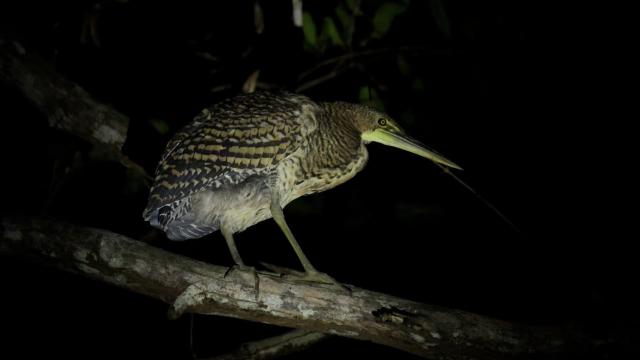
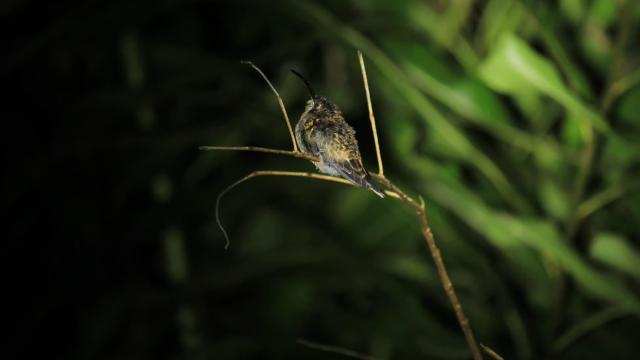
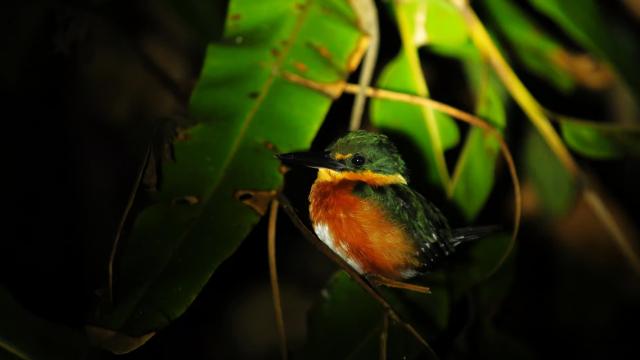
The Wildlife You May Encounter
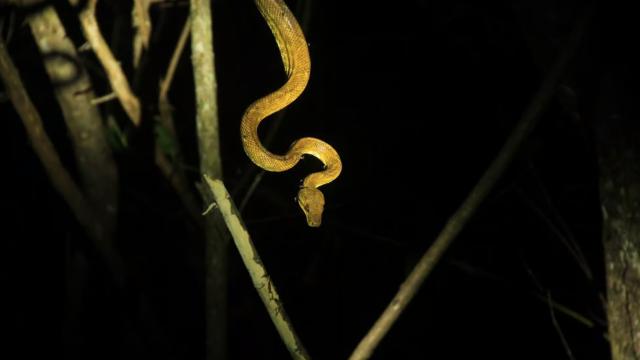
Snakes
Frogs
Crocodiles
Bats
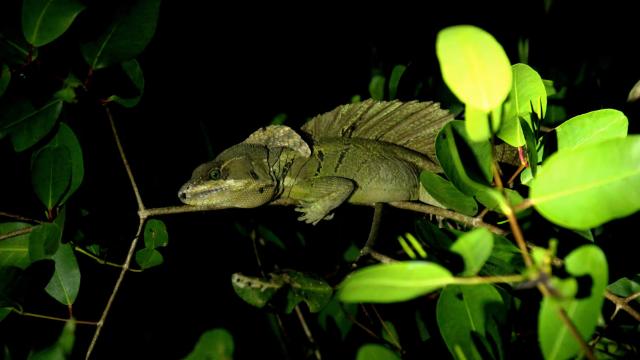
Lizards
Turtles
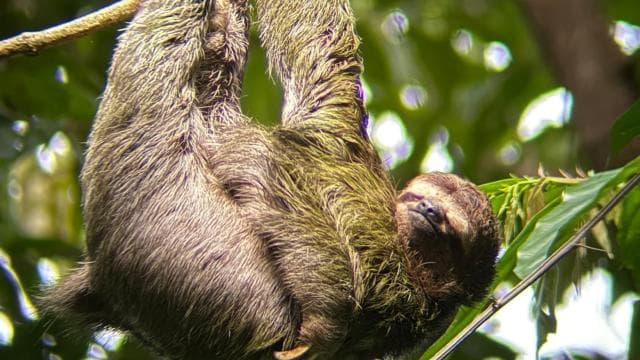
Sloths
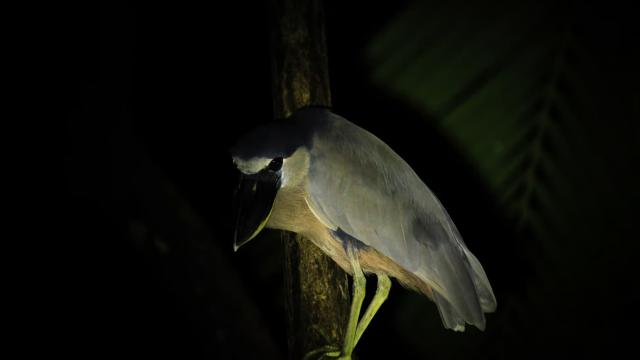
Night Birds
Guided Wildlife Spotting With Powerful Flashlights
Learn From a Local Expert
A Peaceful Adventure for Nature Lovers
An Intimate Small-Group Experience
The Magic of the Night Sky
Experience the Mangroves Through All Your Senses
A Unique Addition to Your Manuel Antonio Vacation
Why Nature Photographers Will Love the Experience
What Is Included in the Manuel Antonio Mangrove Night Tour?
Professional English-Speaking Guide
Bottled Water
Life Jackets
What to Bring for Your Night Mangrove Adventure
Flashlight or Headlamp
Insect Repellent
Low-Light Camera
Comfortable Clothing
Closed-Toe Shoes
A Night of Adventure Without the Crowds
More Than a Wildlife Tour
The Experience You Will Remember
Discover a Hidden Side of Manuel Antonio
Your 2-Hour Nighttime Wildlife Adventure
Is This the Right Experience for You?
Create Your Own Costa Rican Night Safari Story
Book Your Manuel Antonio Mangrove Boat Night Tour
Manuel Antonio Mangrove Boat Night Tour: What to Expect From Start to Finish
Full Tour Itinerary
1. Prepare for Your Evening Adventure
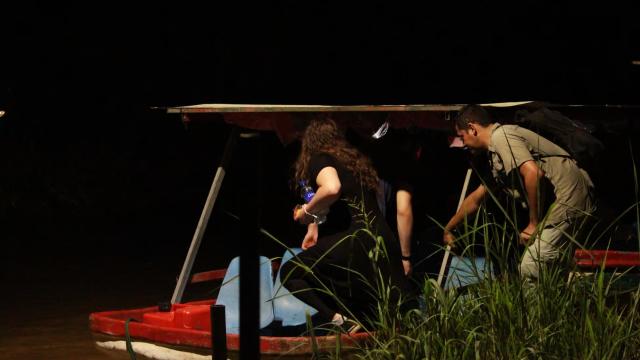
2. Board the Small Motorboat
3. Enter the Mangrove Canals
4. Begin the Wildlife Search
5. Learn About the Ecosystem
6. Explore Deeper Into the Nighttime Habitat
7. Enjoy the Quiet Moments
8. Return From the Mangroves
Wildlife Watching: What You Might See
Snakes and Other Reptiles
Frogs and Amphibians
Crocodiles
Bats
Lizards
Turtles
Sloths
Night Birds
Why Choose a Boat Instead of a Night Walk?
Who Will Enjoy This Tour Most?
Wildlife Enthusiasts
Couples
Families
Photographers
First-Time Costa Rica Visitors
Is the Manuel Antonio Mangrove Night Tour Physically Difficult?
What Should You Wear?
Lightweight Clothing
Light Jacket
Closed-Toe Shoes
Neutral or Comfortable Colors
Insect Protection
Travel Tips for the Best Experience
Arrive Prepared
Keep Your Camera Accessible
Protect Your Equipment
Follow Your Guide’s Instructions
Be Patient
Avoid Excessive Noise
Don't Expect a Zoo-Like Experience
Responsible Wildlife Observation
Why Mangroves Matter
A More Meaningful Costa Rica Experience
Booking Advantages
Local Wildlife Knowledge
Easier Wildlife Spotting
Comfortable Exploration
Educational Experience
Convenient Duration
Memorable Evening Activity
How to Make This Tour Part of Your Costa Rica Itinerary
What Makes This Experience Different From a Typical Night Tour?
Your Evening, Your Adventure
Trust the Guide and Enjoy the Discovery
Perfect for Travelers Seeking Something Unique
Before You Book
Frequently Asked Practical Questions
Do I need previous boating experience?
Do I need to hike?
Is the tour only for serious wildlife enthusiasts?
Will I definitely see a crocodile?
Can I take photographs?
Should I bring insect repellent?
Is bottled water included?
Are life jackets provided?
Is a guide included?
How long does the experience take?
Why Travelers Love the Manuel Antonio Mangrove Boat Night Tour
Turn Sunset Into the Beginning of Your Adventure
Book Your Manuel Antonio Mangrove Boat Night Tour
A Final Reason to Go
Frequently Asked Questions About the Manuel Antonio Mangrove Boat Night Tour
1. How long is the Manuel Antonio Mangrove Boat Night Tour?
2. What animals can I see on the Manuel Antonio mangrove night tour?
3. Is the Manuel Antonio Mangrove Boat Night Tour suitable for families?
4. Is the tour suitable for seniors?
5. Is lunch or dinner included?
6. Is bottled water included?
7. Is a tour guide included?
8. Are life jackets provided?
9. Do I need previous boating experience?
10. What should I wear for the Manuel Antonio night mangrove tour?
11. Should I bring insect repellent?
12. Should I bring a flashlight?
13. Can I take photographs during the tour?
14. Will I definitely see crocodiles?
15. Is this tour a good option for wildlife photographers?
16. Is the tour physically demanding?
17. What happens if it rains?
18. How will I know where to meet for the tour?
19. Is hotel or Airbnb pickup available?
20. What makes a nighttime mangrove tour different from a daytime wildlife tour?
Apre w fin konplete rezèvasyon w la, ekip nou an ap kontakte w yon jou anvan ekskizyon an pou konfime lè presi ranmasaj nan otèl / Airbnb ou oubyen pwen reyinyon an.
Si w te chwazi yon pwen reyinyon pandan rezèvasyon w lan, tanpri note ke rezèvasyon w lan konfime nèt — senpleman rive nan kote ki chwazi a nan lè ki te prevwa a.
Tanpri asire w ke nimewo WhatsApp, nimewo telefòn, oswa imèl ou te antre lè w t ap boke a kòrèk pou nou ka jwenn ou fasilman.
Pou nenpòt chanjman nan rezèvasyon w lan, kesyon sou tanperati a, oswa demann espesyal, pa ezite kontakte nou:
Nou swete w labyenveni! 🌴✨