
Retiro Park Walking Tour in Madrid
5.0(82)
From$11
Retiro Park Walking Tour in Madrid
5.0 (82)
From$11per person
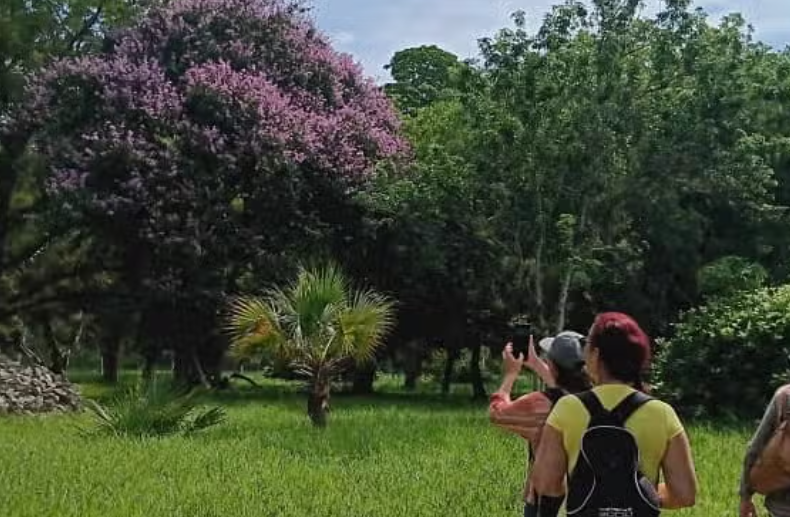
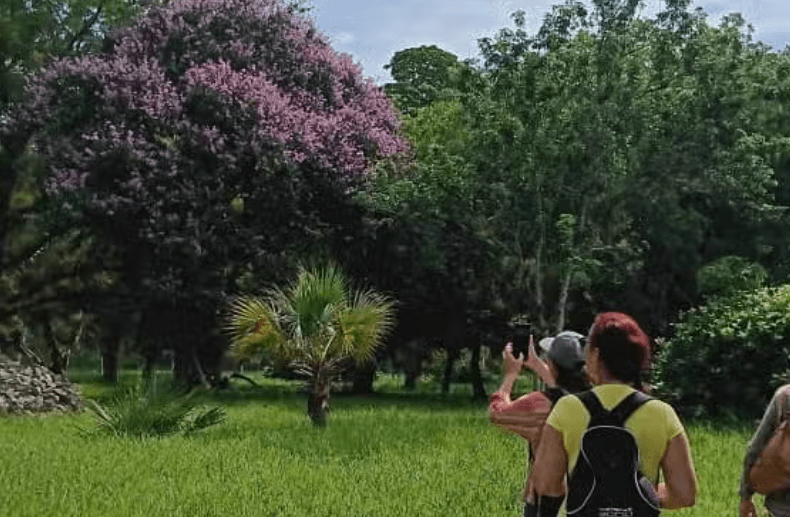
Explore el Jardín Botánico de Cienfuegos con un guía de habla inglesa, recogida en el hotel, plantas tropicales, palmeras y transporte de ida y vuelta. ¡Reserva hoy!
Excursión de un día al Jardín Botánico de Cienfuegos: naturaleza tropical y turismo. Colecciones de palmeras Aléjese de las elegantes calles, la arquitectura histórica y la atmósfera costera de Cienfuegos y entre en un mundo donde palmeras imponentes, árboles centenarios, flores tropicales, bosques de bambú, cactus y plantas exóticas crean un paisaje natural espectacular. La excursión de un día al Jardín Botánico de Cienfuegos es una experiencia tranquila e inmersiva diseñada para viajeros que desean descubrir otro lado de Cuba, uno formado no por edificios y monumentos, sino por plantas vivas, historia científica, conservación y extraordinaria biodiversidad. Ubicado en el distrito de Soledad, a solo unos 25 minutos en auto del centro de Cienfuegos, el Jardín Botánico de Cienfuegos ofrece un escape fácil a la naturaleza sin requerir un compromiso de un día completo. Con transporte de ida y vuelta desde su hotel o Casa Particular, un guía profesional de habla inglesa y una exploración guiada de los jardines incluidos, esta excursión de aproximadamente 3 horas combina conveniencia con descubrimiento. Fundado en 1901 por la familia Atkins, el jardín se convirtió en un importante centro botánico y de investigación y hoy en día es considerado como una de las colecciones botánicas más importantes del Caribe. Sus enormes terrenos, que cubren casi 100 hectáreas, brindan espacio para una impresionante variedad de plantas recolectadas en Cuba y muchas partes del mundo. Para los amantes de la naturaleza, fotógrafos, familias, viajeros curiosos y cualquiera que busque una experiencia cubana más tranquila, esta excursión ofrece algo notablemente diferente. En lugar de correr de un punto de referencia a otro, puede seguir senderos sombreados, escuchar el canto de los pájaros, admirar especies tropicales inusuales y aprender cómo plantas de diferentes continentes han encontrado un hogar en este extraordinario paisaje cubano. El resultado es más que una simple visita al jardín. Es una oportunidad para experimentar Cienfuegos a través de su patrimonio natural. Cienfuegos es a menudo celebrado por su elegante carácter urbano y su hermosa ubicación a lo largo de la costa sur de Cuba. Su centro histórico, sus grandes plazas, su paisaje costero y su patrimonio arquitectónico de inspiración francesa lo convierten en uno de los destinos más distintivos del país. Sin embargo, más allá de las calles de la ciudad se encuentra otra atracción que merece un lugar en su itinerario: el Jardín Botánico de Cienfuegos. El viaje desde su alojamiento hasta el jardín es corto y sencillo. Después de que lo recojan de su hotel o Casa Particular, viajará hacia el distrito de Soledad, dejando atrás el entorno urbano a medida que el paisaje se vuelve gradualmente más verde y tranquilo. Aproximadamente 25 minutos después, llegará al jardín botánico. Ese breve traslado es parte de lo que hace que esta excursión sea tan atractiva. No es necesario organizar transportes complicados, navegar por caminos desconocidos o dedicar un día entero para llegar allí. La experiencia está diseñada para ser cómoda y accesible, dándote más tiempo para concentrarte en el destino en sí. Al entrar al jardín, la atmósfera cambia casi de inmediato. Los sonidos y el ritmo de la ciudad comienzan a desaparecer. En su lugar hay el susurro de las hojas, el canto de los pájaros desde el dosel, el movimiento de las ramas con la brisa y los sonidos naturales de un paisaje lleno de vegetación. Los senderos conducen a través de un entorno verde donde cada giro puede revelar algo diferente. En un momento puedes estar parado debajo de un árbol imponente que ha sido testigo de generaciones de visitantes. Unos minutos más tarde, puede encontrar una palmera inusual, un árbol frutal tropical, una colección de bambú o una sorprendente especie de cactus. Es esta sensación constante de descubrimiento lo que hace que el jardín botánico sea una experiencia tan gratificante. La historia del Jardín Botánico de Cienfuegos es una parte esencial de su atractivo. Establecido en 1901, el jardín tiene más de un siglo. del patrimonio botánico. Sus orígenes están relacionados con la familia Atkins, que desarrolló el terreno como un entorno de investigación agrícola y botánica. Con el tiempo, el jardín evolucionó hasta convertirse en mucho más que una propiedad privada. Sus colecciones se expandieron, su importancia científica creció y la propiedad se convirtió en un valioso centro para el estudio y la preservación de la vida vegetal. Hoy en día, los visitantes pueden experimentar esta historia mientras caminan por un paisaje que combina la belleza natural con la importancia científica. En lugar de simplemente exhibir plantas en parterres pequeños y aislados, el jardín ofrece a muchas especies espacio para crecer en un entorno amplio. Esto crea una atmósfera que se parece menos a un parque urbano convencional y más a un paisaje botánico vivo. La escala es una de las primeras cosas que se nota. Con casi 100 hectáreas de terreno, hay una impresionante sensación de apertura. La vegetación se extiende en múltiples direcciones, mientras que los árboles maduros y la densa vegetación crean áreas de sombra a lo largo de secciones de la ruta para caminar. La historia del jardín también le da a la experiencia una dimensión más profunda. No estás simplemente mirando plantas tropicales. Estás explorando un lugar que ha estado conectado con la investigación botánica, el cultivo de plantas, la educación y la conservación durante generaciones. Para los viajeros interesados en la historia, el jardín ofrece otro capítulo en la historia de Cienfuegos, uno que existe más allá de la arquitectura de la ciudad. El Jardín Botánico de Cienfuegos puede considerarse como un museo viviente. En lugar de pinturas colgadas en las paredes u objetos históricos expuestos detrás glass, sus colecciones están vivas. Plantas de diferentes ambientes y partes del mundo crean una enorme exposición al aire libre. Algunas especies son delicadas y coloridas, mientras que otras son enormes, antiguas, inusuales o sorprendentemente resistentes. Tu guía profesional de habla inglesa te ayudará a transformar la caminata de una simple visita turística en una experiencia más significativa. A medida que avanzas por los senderos, podrás aprender sobre las características de diferentes plantas, dónde se originan, cómo crecen y por qué ciertas especies son importantes. La diversidad del jardín significa que rara vez hay un solo tema visual por mucho tiempo. Es posible que puedas pasar de una zona dominada por palmeras a una sección de árboles frutales. Un bosque de bambú puede crear una atmósfera completamente diferente, mientras que los cactus y otras plantas adaptadas a la sequía introducen otro contraste fascinante. Esta variedad hace que la excursión sea especialmente agradable para los viajeros a quienes les gusta explorar a un ritmo relajado. No hay necesidad de apresurarse. Haga una pausa para observar de cerca las hojas inusuales. Mire hacia el dosel. Escuche las aves. Observe las texturas cambiantes de la corteza, las flores, bambú y hojas de palma. Toma fotografías de los detalles que llamen tu atención. Y haz preguntas a tu guía sobre las plantas que encuentres. La experiencia recompensa la curiosidad. Una de las características más memorables del jardín botánico es su impresionante Palmetum, un área dedicada a las palmeras. Para muchos visitantes, este se convierte en el punto culminante del excursión. El jardín es conocido por una extensa colección de palmeras con especies de diferentes partes del mundo. Con más de 200 tipos de palmeras representadas en la colección, el Palmetum ofrece una excelente oportunidad para comparar plantas que comparten un amplio parecido familiar y al mismo tiempo muestran formas dramáticamente diferentes. Algunas palmeras son altas y elegantes y se elevan hacia el cielo. Otras tienen copas más anchas o troncos distintivos. Algunas crean densos grupos de vegetación, mientras que otras destacan solas contra el paisaje circundante. Caminar entre ellas te permite apreciar mejor cuán diversas pueden ser las especies de palmeras. Para los fotógrafos, las palmeras también crean infinitas oportunidades visuales. Sus siluetas, texturas, troncos, sombras y hojas pueden producir impactantes fotografías a lo largo del día. El Palmetum no es simplemente una colección dispuesta con fines decorativos. Refleja la importancia botánica de larga data del jardín y su papel en el cultivo y estudio de especies de plantas. Su guía puede ayudarlo a comprender más sobre las plantas que encuentre, lo que hace que la experiencia sea informativa y visualmente impresionante. Si alguna vez ha asociado paisajes tropicales con un solo tipo familiar de palmera, esta colección puede cambiar completamente esa percepción. Aquí, las palmeras se convierten en un mundo propio. Otro elemento inolvidable del jardín es su colección de árboles maduros. Debido a que el jardín botánico se estableció hace más de un siglo, algunos de sus árboles han tenido generaciones para convertirse en especímenes impresionantes. Caminar bajo estos imponentes árboles crea una poderosa sensación del tiempo. Sus troncos y ramas son recordatorios de que el paisaje ha seguido evolucionando mucho después de que las personas que establecieron el jardín hayan pasado a la historia. Para Para los viajeros acostumbrados a visitar atracciones de ritmo rápido, este puede ser uno de los aspectos más gratificantes de la experiencia. Hay algo naturalmente relajante en pararse bajo un dosel maduro y mirar hacia arriba. La luz del sol se filtra a través de las hojas. La temperatura puede sentirse más fresca en la sombra. El canto de los pájaros se mueve entre los árboles. Y la gran escala de la vegetación crea una sensación de distancia de la vida cotidiana. Esto es una de las razones por las que los viajeros suelen describir el jardín botánico como un pulmón verde: un lugar donde la atmósfera se siente fresca, abierta y alejada de la intensidad de la ciudad. Un viaje a Cienfuegos no estaría completo sin apreciar su arquitectura y patrimonio cultural. Sin embargo, los viajeros que solo exploran calles y edificios pueden perderse una parte importante del carácter del destino. Cuba también es un país con entornos naturales extraordinarios. El Jardín Botánico ofrece una manera conveniente de experimentar este lado de la isla sin comprometerse con una aventura exigente. No necesita equipo para caminar. No necesita habilidades avanzadas para actividades al aire libre. No necesita pasar horas viajando a campos remotos. En cambio, puede disfrutar una caminata guiada por un paisaje botánico histórico y regreso a Cienfuegos en unas horas. Eso hace que esta excursión sea particularmente útil para los viajeros que crean un itinerario variado. Quizás haya pasado la mañana explorando calles históricas. Quizás se quedará en Cienfuegos durante varios días y desea agregar una experiencia más tranquila. O tal vez simplemente desee un descanso del turismo convencional. El jardín botánico encaja naturalmente en todos estos estilos de viaje. Proporciona un cambio de escenario sin llevarlo muy lejos. de distancia. Las mejores experiencias de viaje a menudo ocurren cuando reduce la velocidad lo suficiente como para notar los detalles. Un jardín botánico fomenta exactamente eso. En lugar de simplemente moverse de una atracción a otra, se vuelve más consciente de su entorno. Puede notar la forma de una hoja. El patrón en el tronco de un árbol. La estructura inusual de un flor. La forma en que la luz del sol cae sobre una palma. El movimiento del bambú en el viento. O el sonido de un pájaro escondido en algún lugar sobre el dosel. Estos pequeños momentos crean un tipo diferente de recuerdo de viaje. El jardín es especialmente adecuado para viajeros que disfrutan de la naturaleza, la fotografía, la botánica, la educación ambiental o experiencias tranquilas al aire libre. Pero no es necesario ser un experto en plantas para disfrutarlo. La guía proporciona contexto, mientras que el entorno proporciona la experiencia visual. Incluso los visitantes con poco conocimiento previo de las plantas tropicales pueden sentirse fascinados por las diferencias entre especies y las historias detrás de su cultivo. Una de las partes más hermosas de explorar el Jardín Botánico de Cienfuegos es que la experiencia atrae más que sus ojos. El jardín tiene su propia banda sonora natural. Los pájaros cantan desde árboles. Las hojas se mueven sobre nuestras cabezas. El bambú se mueve con la brisa. Los insectos crean sutiles sonidos de fondo. Y el movimiento ocasional de la vida silvestre le recuerda que este es un entorno vivo en lugar de una atracción estática. Para los viajeros que vienen de entornos urbanos concurridos, esto puede ser sorprendentemente refrescante. No hay necesidad de llenar cada momento con conversación. A veces, la mejor parte del viaje caminar es simplemente escuchar. La combinación de sombra, vegetación, sonidos naturales y espacio abierto crea una atmósfera que lo alienta a reducir el ritmo y apreciar dónde se encuentra. Es una experiencia que puede resultar reconfortante sin requerir nada más complicado que una cómoda caminata. El jardín botánico también es una oportunidad para aprender sobre la relación práctica entre las personas y las plantas. Entre sus diversas colecciones hay secciones asociadas con plantas medicinales, que ofrecen información sobre las formas en que se ha valorado la vegetación no solo por su belleza sino también con fines tradicionales y científicos. Las plantas han desempeñado papeles importantes en las sociedades humanas durante miles de años. Han proporcionado alimentos, medicinas, materiales de construcción, fibras, fragancias, tintes y muchos otros recursos. Explorar una colección botánica permite a los visitantes ver esta relación desde una perspectiva diferente. En lugar de al encontrar plantas solo como paisaje, comienza a reconocerlas como parte de sistemas ecológicos y culturales más amplios. Su guía puede brindarle información sobre las colecciones del jardín y su importancia, ayudando a conectar lo que ve con la historia más amplia de la investigación y conservación botánica. Para las familias que viajan con niños, esta dimensión educativa puede hacer que la experiencia valga la pena. Para los adultos, proporciona otra razón para mirar más de cerca el paisaje. Las colecciones de plantas del jardín botánico se extienden más allá de las palmeras y la vegetación ornamental. También puede encontrar árboles frutales, especies exóticas, bambú, cactus, plantas con flores y otra vegetación tropical. Esta variedad es lo que hace que la caminata se sienta como un viaje a través de múltiples ambientes. Un árbol frutal puede presentar una forma, color o textura completamente diferente a la de una palma. El bambú crea líneas verticales y densas vegetación. Los cactus brindan un fuerte contraste con sus formas y adaptaciones inusuales. Las flores tropicales agregan destellos de color contra el paisaje verde. El jardín se convierte en una lección de diversidad sin siquiera sentirse como un salón de clases. Cada sección ofrece algo nuevo que observar. Y debido a que el jardín es grande, la sensación de exploración permanece durante toda la visita. Trae tu cámara. El Jardín Botánico de Cienfuegos es un excelente destino para los viajeros que disfrutan de la fotografía. Encontrarás innumerables temas, desde amplios paisajes hasta pequeños detalles botánicos. Las altas palmeras del Palmetum pueden proporcionar composiciones dramáticas. Los árboles centenarios ofrecen temas poderosos debido a su tamaño, textura y carácter. Las flores brindan oportunidades de primeros planos. El bambú crea patrones y líneas interesantes. Los cactus ofrecen formas inusuales. Se puede utilizar vegetación densa para enmarcar fotografías. Y los cambios de luz solar pueden transformar la apariencia del mismo lugar a lo largo del paseo. Incluso los viajeros que usan un teléfono inteligente pueden capturar imágenes memorables. No necesitas equipo de fotografía profesional. Una cámara o un teléfono, paciencia y buen ojo para los detalles son suficientes. Debido a que el jardín es un entorno natural en lugar de una atracción estrictamente controlada, las fotografías también pueden parecer más espontáneas. En lugar de posar frente a un solo punto de referencia, estás documentando un paisaje completo. Si tu experiencia cubana ideal incluye vegetación, aire fresco, sonidos de la vida silvestre y exploración al aire libre, esta excursión es una excelente opción. Los amantes de la naturaleza a menudo aprecian el jardín porque proporciona una introducción concentrada a una notable variedad de vida vegetal. En lugar de pasar horas viajando entre diferentes atracciones naturales, puede encontrar una extensa colección botánica en un solo lugar. La experiencia también sigue siendo relativamente suave. La excursión implica caminar por senderos del jardín en lugar de emprender una extenuante caminata por la montaña. Eso la hace atractiva para los viajeros que desean actividad al aire libre sin un desafío físico extremo. Al mismo tiempo, el tamaño y la diversidad del jardín brindan suficiente variedad para mantener la visita interesante. Puede caminar, observar, fotografiar, escuchar, aprender y disfrutar del entorno a un ritmo cómodo. Las familias que buscan cosas que hacer en Cienfuegos también pueden considerar el jardín botánico como una adición gratificante a su itinerario. Los niños a menudo responden naturalmente a árboles grandes, plantas inusuales, flores coloridas, bambú, palmeras y otros elementos visuales del jardín. La experiencia también puede fomentar la curiosidad. ¿Por qué esta planta se ve diferente? ¿De dónde viene esa palma? ¿Cuántos años tiene ese árbol? ¿Qué es esta fruta? ¿Por qué un cactus sobrevive en condiciones secas? Un experto El guía puede convertir esas observaciones en una experiencia educativa. Para los padres, la excursión ofrece una bienvenida alternativa a un día dominado por el turismo en entornos urbanos. Para los niños, puede sentirse como una exploración al aire libre. Y para todos, la combinación de movimiento, naturaleza y descubrimiento puede crear recuerdos compartidos. No todas las experiencias de viaje memorables necesitan estar repletas de actividades. A veces, la experiencia es reducir la velocidad. El Jardín Botánico de Cienfuegos fomenta este tipo de viajes. Caminas en lugar de apresurarte. Observas en lugar de simplemente fotografiar. Escuchas en lugar de seguir adelante constantemente. Aprendes sobre plantas individuales en lugar de solo recopilar nombres de puntos de referencia. Este ritmo más lento puede ser particularmente valioso durante un itinerario ajetreado por Cuba. Después de visitar distritos históricos, museos, plazas, restaurantes y otras atracciones, unas pocas horas rodeado de vegetación pueden proporcionar un cambio bienvenido. El jardín le permite reconectarse con el entorno natural y al mismo tiempo aprender algo significativo sobre el destino. Es hacer turismo sin presión. Comienza la experiencia con comodidad. Su conductor profesional y su transporte le permitirán comenzar la excursión directamente desde su hotel o Casa Particular en Cienfuegos. No es necesario contratar un taxi aparte hasta el jardín ni preocuparse por navegar por una ruta desconocida. Después de la recogida, el viaje al distrito de Soledad dura aproximadamente 25 minutos. Durante el traslado, podrá simplemente relajarse y observar cómo cambian los alrededores a medida que deja atrás la ciudad. Cuándo Cuando llega, comienza la parte guiada de su experiencia. Su guía de habla inglesa lo guía a través del jardín y le brinda información sobre las plantas, la historia, las colecciones y la importancia del sitio. La experiencia de aproximadamente tres horas es suficiente para explorar y apreciar el jardín sin dejar de ser manejable dentro de un itinerario más amplio de Cienfuegos. Al final de la visita, regresará a su vehículo y disfrutará de un cómodo viaje de regreso a su alojamiento. Todo el recorrido la experiencia está diseñada para ser sencilla, informativa y sin estrés. Cienfuegos tiene reputación de elegancia arquitectónica, pero sus atracciones naturales merecen la misma atención. El jardín botánico demuestra cuánto de la historia de Cuba existe fuera de sus edificios históricos. Aquí, la historia se cuenta a través de plantas. Se cuenta a través de siglos de antigüedad árboles. A través de colecciones botánicas internacionales. A través de palmeras de diferentes continentes. A través de la investigación científica. A través de la conservación. Y a través de la simple experiencia de caminar por un paisaje que se ha ido desarrollando durante más de un siglo. Para los visitantes que buscan una comprensión más completa de Cienfuegos, esto hace que el jardín sea especialmente valioso. Agrega otra dimensión a su viaje. En lugar de Al recordar solo calles y edificios, te llevas recuerdos de vegetación tropical, palmeras imponentes, plantas inusuales, cantos de pájaros y senderos tranquilos y sombreados. Lo que hace que esta excursión sea particularmente distintiva es la combinación de tres temas: naturaleza, historia y ciencia. La naturaleza es inmediatamente visible. La historia se puede sentir en la edad y los orígenes del jardín. La importancia científica proviene de su papel como centro botánico y de investigación. Estos elementos juntos hacen que el jardín sea más significativo que un espacio verde convencional. Estás visitando un lugar donde se han recolectado, cultivado, estudiado y conservado plantas durante generaciones. Eso hace que cada camino sea parte de un camino mucho más grande. historia. Para los viajeros que disfrutan aprendiendo mientras viajan, esta combinación es especialmente atractiva. No se le muestran simplemente hermosos paisajes. Está obteniendo una comprensión más profunda de por qué existe ese paisaje y por qué son importantes los jardines botánicos. Uno de los elementos más notables de la excursión es el contraste entre la vida de la ciudad de Cienfuegos y el jardín botánico. La ciudad ofrece arquitectura, movimiento, calles, gente y energía cultural. El jardín ofrece sombra, vegetación, espacios abiertos y sonidos naturales. Experimentar ambos en el mismo viaje hace que cada lado sea más memorable. Después de pasar un tiempo en la ciudad, la vegetación se siente aún más inmersiva. Y después de regresar del jardín, puede mirar Cienfuegos con un mayor aprecio por los diferentes ambientes que la rodean. Este contraste es una de las razones por las que la excursión funciona tan bien. así como una experiencia de medio día. No compite con las otras atracciones de la ciudad. Las complementa. Un buen viaje rara vez se trata de ver la mayor cantidad de atracciones. Se trata de crear experiencias significativas. El Jardín Botánico de Cienfuegos ofrece el tipo de experiencia que puede permanecer contigo porque involucra tus sentidos y te da tiempo. para apreciar el entorno. Quizás recuerdes las imponentes palmeras. Quizás sea la sombra de un árbol centenario. Quizás sea una flor inusual que nunca antes habías visto. Quizás sea el sonido de los pájaros en el dosel. O tal vez sea simplemente la sensación de caminar por un tranquilo paisaje verde después de un ajetreado día de turismo. Estos son los detalles que convierten un recorrido en un recuerdo de viaje. Si desea experimentar algo más que la famosa arquitectura y las playas de Cuba, esta excursión al jardín botánico ofrece un punto de partida fácil. No requiere un viaje largo. No requiere aptitud física avanzada. No requiere conocimientos botánicos especializados. Simplemente necesita zapatos cómodos, curiosidad y voluntad de explorar. Con el transporte incluido, la logística es sencilla. Con un guía profesional de habla inglesa, la experiencia es informativa. Y con una enorme colección de plantas tropicales y exóticas a tu alrededor, el paisaje se encarga del resto. Durante aproximadamente tres horas, podrás dejar atrás la ciudad y adentrarte en un mundo de palmeras, árboles, flores, bambú, plantas frutales, cactus y fascinantes colecciones botánicas. Es un viaje pequeño en distancia pero sustancial. cambio de atmósfera. La excursión de un día al Jardín Botánico de Cienfuegos es una invitación a reducir el ritmo, respirar profundamente y descubrir el lado natural de uno de los destinos más bellos de Cuba. Desde el momento en que te recogen en tu hotel o Casa Particular, la experiencia está diseñada para ser cómoda y sin complicaciones. Un corto viaje lo llevará al histórico jardín botánico, donde su guía le presentará una notable colección de plantas y la fascinante historia detrás de su desarrollo. Explorará senderos sinuosos bajo la vegetación tropical, descubrirá una impresionante colección de palmeras, encontrará árboles centenarios, verá plantas medicinales y frutales, admirará bambú y cactus, y aprenderá sobre la importancia del jardín como centro de investigación y conservación botánica. Para los fotógrafos, es un patio de juegos visual. Para las familias, es una oportunidad para explorar y aprender juntos. Para los amantes de la naturaleza, es un tranquilo santuario verde. Para los entusiastas de la historia, es una pieza viva de más de un siglo de herencia de Cienfuegos. Y para los viajeros que simplemente buscan algo diferente, es una oportunidad de experimentar Cuba lejos de la ruta turística habitual. La ciudad puede presentarle Cienfuegos a través de sus calles y arquitectura. El jardín botánico le presenta otro lado del mundo. destino, uno que crece silenciosamente bajo el sol tropical. Venga listo para caminar, descubrir, fotografiar y escuchar. Deje que la ciudad se desvanezca en el fondo. Siga los senderos bajo las palmeras. Párese bajo los árboles que han visto pasar más de un siglo. Descubra plantas de todo el mundo creciendo juntas en un extraordinario paisaje cubano. Y experimente por qué los viajeros recuerdan el Jardín Botánico de Cienfuegos como uno solo. de las escapadas naturales más tranquilas y fascinantes de la ciudad. Tu viaje al corazón verde de Cienfuegos comienza aquí. La excursión de un día al Jardín Botánico de Cienfuegos está diseñada para viajeros que desean experimentar el lado natural de Cuba sin sacrificar la comodidad ni el valioso tiempo de vacaciones. Con recogida en el hotel o Casa Particular, transporte de ida y vuelta, un guía profesional de habla inglesa y una visita guiada a uno de los jardines botánicos de mayor importancia histórica de Cuba, la excursión combina conveniencia, educación, fotografía y relajación en una experiencia memorable. El jardín está ubicado cerca de Pepito Tey, en el área históricamente asociada con Soledad del Muerto. La información oficial de turismo de Cuba lo describe como el jardín botánico más antiguo de Cuba y destaca sus extensas colecciones de más de 2.000 especies de plantas, que representan cientos de géneros y familias botánicas. La excursión en sí dura aproximadamente 3 horas, lo que facilita la combinación con otras actividades de Cienfuegos. Ya sea que visite Cuba por primera vez, viaje con su familia, esté planeando una escapada romántica o simplemente busque cosas inusuales para hacer en Cienfuegos, esta experiencia ofrece una oportunidad de reemplazo. unas pocas horas de turismo ordinario con algo más verde, más tranquilo y más inmersivo. Su experiencia comienza con una cómoda recogida en su alojamiento en Cienfuegos. En lugar de organizar su propio transporte al jardín, puede comenzar la excursión directamente desde su hotel o Casa Particular. Esto es particularmente útil para los visitantes internacionales que pueden no estar familiarizados con las rutas locales o los arreglos de transporte. Una vez que lo recojan, acomódese en el vehículo y disfrute del corto viaje hacia el jardín botánico. El traslado dura aproximadamente 25 minutos, lo que le permitirá llegar al jardín sin pasar gran parte del día en la carretera. A medida que se aleja del centro de la ciudad, los alrededores se vuelven gradualmente más verdes y abiertos. Esta transición lo prepara para el cambio de atmósfera que le espera en el jardín. Cienfuegos es famoso por su patrimonio arquitectónico y cultural, pero la región también cuenta con notables atractivos naturales. El jardín botánico es una de las formas más fáciles de experimentar ese patrimonio natural durante una estadía en la ciudad. Después de llegar al distrito de Soledad, ingresará al jardín botánico y comenzará su exploración guiada. La primera impresión probablemente sea la gran cantidad de vegetación. En lugar del diseño compacto asociado con muchos jardines urbanos, este sitio botánico histórico cubre un área muy grande. Las fuentes turísticas actuales describen que el jardín abarca aproximadamente 97 hectáreas, mientras que las extensas colecciones incluyen miles de especies de plantas. La escala permite que el jardín se sienta como un paisaje natural en lugar de simplemente una atracción. Encontrará senderos amplios, árboles maduros, palmeras, bambú, plantas con flores, árboles frutales, cactus y otra vegetación tropical. Tómese un momento para mirar a su alrededor antes de comenzar la caminata. Observe el contraste entre el entorno construido que ha dejado atrás. y el entorno natural que lo rodea. Este cambio de atmósfera es una de las características definitorias de la excursión. Su guía profesional de habla inglesa lo guiará a través del jardín, ayudándolo a comprender las plantas y la historia detrás de este extraordinario lugar. La guía agrega una importante dimensión educativa a la experiencia. Sin un guía, puede ser fácil ver un jardín botánico simplemente como una hermosa colección de árboles y flores. Con la interpretación, las plantas individuales se convierten en parte de una historia más amplia que involucra geografía, cultivo, ciencia, conservación y curiosidad humana. A medida que sigues los senderos, tu guía puede explicar las características y la importancia de diferentes colecciones de plantas. Es posible que encuentres especies que te resulten familiares, así como plantas que te parezcan completamente desconocidas. Algunas atraerán tu atención por sus colores. Otras por su tamaño. Algunas por sus características inusuales formas. Y otras por su historia. El resultado es un paseo donde cada sección puede ofrecer un nuevo descubrimiento. Uno de los aspectos más destacados de la visita es la excepcional colección de palmeras del jardín. El Palmetum es particularmente importante para los viajeros interesados en los paisajes tropicales y la diversidad botánica. La información oficial de turismo de Cuba describe la colección de palmeras como una de las características y notas destacadas del jardín. su importancia internacional. Mientras caminas por la colección de palmeras, tómate el tiempo para comparar las diferentes formas. Mira los troncos. Estudia las hojas. Observa las diferentes alturas y formas. Observa cómo las palmeras pueden crear impresiones visuales completamente diferentes según su especie y su entorno de crecimiento. Para los fotógrafos, esta parte del jardín puede ser especialmente gratificante. Las palmeras altas pueden crear composiciones verticales espectaculares, mientras que los grupos de palmeras pueden proporcionar una sensación de profundidad. Los patrones cambiantes de luz y sombra bajo el dosel también pueden crear hermosas fotografías naturales. La larga historia del jardín botánico otorga a sus árboles maduros un significado especial. Fundado en 1901, el jardín ha estado desarrollando sus colecciones durante más de un siglo. Fuentes oficiales de turismo identifican a Edwin F. Atkins como el fundador y explican que el propósito original estaba relacionado con la investigación botánica y la mejora de las variedades de caña de azúcar. Esta historia se vuelve tangible cuando te paras debajo de árboles maduros que han estado creciendo durante generaciones. Por lo tanto, el jardín no es simplemente un lugar donde se exhiben plantas. Es en sí mismo parte de la historia botánica de Cuba. Parte de la vegetación contribuye a un paisaje moldeado por décadas de cultivo, investigación, introducción y preservación. Caminar bajo el dosel maduro puede parecer como entrar en un período diferente de la historia de Cienfuegos. El jardín también incluye colecciones de plantas asociadas con usos medicinales. Estas secciones brindan otra perspectiva sobre la importancia de la vida vegetal. Las plantas no son solo componentes hermosos de los paisajes. A lo largo de la historia humana, también se han utilizado como alimento, medicina, construcción, fibras, fragancias, tintes y muchos otros fines. Su guía puede ayudar a explicar cómo se clasifican las plantas y por qué especies particulares han atraído interés científico o cultural. Esto puede hacer que la visita sea particularmente placentera para los viajeros a quienes les gustan las experiencias educativas. También es una excelente oportunidad para que las familias animen a los niños a hacer preguntas y observar el mundo natural con más atención. La diversidad del jardín continúa con árboles frutales y otras especies tropicales. Puede encontrar vegetación que representa diferentes familias botánicas y entornos de crecimiento, creando un paisaje visual en constante cambio. El portal oficial de turismo cubano actualmente describe más de 2.000 especies de plantas dentro de las colecciones del jardín, y muchos especímenes son exóticos para Cuba. Esa diversidad es una de las razones por las que el jardín se siente tan amplio. No estás simplemente caminando a través de un tipo de bosque tropical. En cambio, diferentes colecciones presentan diferentes formas, texturas, colores y patrones de crecimiento. Para los visitantes interesados en plantas tropicales, esto brinda una oportunidad inusualmente concentrada para observar la diversidad botánica. El bambú y los cactus brindan un contraste especialmente interesante. El bambú crea áreas altas y densas de vegetación con un carácter vertical distintivo. Los cactus, mientras tanto, demuestran una estrategia completamente diferente para sobrevivir en entornos desafiantes. Ver formas de plantas tan contrastantes dentro del mismo paisaje botánico es un recordatorio de cuán diversas pueden ser las adaptaciones de las plantas. Estas secciones también son excelentes para fotografía. El bambú crea líneas y patrones fuertes. Los cactus ofrecen formas y texturas inusuales. Y la vegetación tropical circundante proporciona un marco natural para fotografías. No pase todo el paseo mirando a través de su cámara. En algún momento, guarde la cámara. Escuche. El canto de los pájaros se puede escuchar en todo el jardín, añadiendo otra dimensión a la experiencia. Las hojas se mueven con la brisa. Las ramas se mueven sobre su cabeza. Los insectos crean un fondo sutil. sonidos. El resultado es un ambiente que se siente vivo. Este es uno de los placeres más simples de la excursión. Después de pasar un tiempo en la ciudad, la tranquilidad del jardín puede resultar sorprendentemente refrescante. Tiene tiempo para reducir el ritmo y apreciar el entorno en lugar de apresurarse de un punto de referencia a otro. La historia del Jardín Botánico de Cienfuegos está estrechamente relacionada relacionado con la investigación científica. Cuando se estableció el jardín en 1901, estaba asociado con la Estación Botánica de Harvard para la Investigación Tropical y la Investigación de la Caña de Azúcar. La investigación histórica describe el jardín primitivo como un esfuerzo conjunto que involucró a Edwin Atkins y la Universidad de Harvard. El propósito científico original se centró en gran medida en la investigación de la caña de azúcar y la búsqueda de variedades mejoradas. Sin embargo, a lo largo de las décadas, las colecciones del jardín se expandieron significativamente. Se introdujeron plantas y especímenes de diferentes partes del mundo, creando una valiosa colección botánica. Hoy en día, el jardín sigue siendo reconocido como una institución científica y de conservación, lo que hace que la visita sea significativa para los viajeros que desean comprender el destino más allá de su belleza visual. La caminata guiada no necesita ser apresurada. El jardín botánico ofrece muchas oportunidades para hacer una pausa y apreciar el paisaje. Tome fotografías de las palmeras. Capture flores inusuales. Busque texturas interesantes de los árboles. Fotografíe el bambú contra el cielo. Enmarque los caminos debajo del dosel. Busque pequeños detalles que de otro modo podrían pasarse por alto. La fotografía es particularmente gratificante aquí porque el jardín ofrece tanto paisajes a gran escala como pequeños detalles botánicos. Una fotografía de gran angular puede capturar la sensación del ambiente tropical, mientras que una imagen de primer plano puede revelar la intrincada estructura de una flor u hoja. No necesita equipo profesional. La cámara de un teléfono inteligente puede ser suficiente para preservar la experiencia. Después de aproximadamente tres horas de exploración, su experiencia en el jardín botánico llega a su fin. Regresará al vehículo para el viaje de regreso a su hotel o casa. Particularmente en Cienfuegos. El traslado de regreso proporciona una transición cómoda desde el tranquilo jardín de regreso a la ciudad. Puedes revisar tus fotografías, relajarte después de la caminata y reflexionar sobre las plantas y las historias que has encontrado. Debido a que el transporte está incluido, no necesitas preocuparte por encontrar un taxi o organizar tu propio viaje de regreso. Esta sencilla logística es una de las ventajas prácticas de elegir una excursión organizada. Muchos viajeros visitan destinos por historia o naturaleza. Esta excursión les ofrece ambas. El jardín en sí tiene más de un siglo de historia, mientras que sus colecciones vivas representan una extraordinaria diversidad de plantas. Puede aprender sobre los orígenes del jardín mientras se encuentra entre árboles y palmeras que forman parte de su historia continua. Esa combinación hace que la experiencia sea más sustancial que una parada turística convencional. Una de las mayores ventajas es la accesibilidad. El jardín está lo suficientemente cerca de Cienfuegos como para visitarlo sin tener que dedicar un día entero al transporte. El itinerario proporcionado estima aproximadamente 25 minutos para el viaje desde su alojamiento hasta el jardín. Esto le permite experimentar una atracción natural importante y al mismo tiempo tener tiempo para otras actividades. Si su itinerario por Cuba ya incluye arquitectura colonial, plazas históricas, museos, playas y experiencias culturales, el jardín botánico agrega variedad. Puede intercambiar calles y edificios por árboles y palmeras. Cambie los sonidos de la ciudad por el canto de los pájaros. Reemplace las ajetreadas visitas turísticas con un relajado paseo por la naturaleza. Ese contraste puede hacer que su viaje en general se sienta mucho mejor. equilibrada. La excursión es especialmente adecuada para: No es necesario ser un experto en plantas para disfrutar del jardín. La curiosidad es suficiente. Podrías visitar un jardín botánico de forma independiente, pero un guía profesional agrega contexto que puede transformar la experiencia. Las plantas no siempre cuentan sus propias historias. Un visitante puede ver una palmera inusual sin saber de dónde viene. Un árbol grande puede parecer impresionante sin revelar su importancia histórica. Una planta medicinal puede parecer ordinaria sin una explicación de cómo la gente la ha valorado tradicionalmente. Una guía ayuda a conectar estos descubrimientos visuales con información. El resultado es una experiencia más rica. En lugar de simplemente decir: "Ese es un árbol interesante", puedes entender por qué es importante. En lugar de fotografiar una palmera porque se ve hermosa, puedes aprender sobre la colección botánica más amplia. En lugar de ver el jardín como una colección de vegetación, puedes apreciarlo como un entorno vivo de investigación y conservación. Ese nivel educativo hace que la experiencia sea especialmente valiosa para quienes la visitan por primera vez. visitantes. El calzado cómodo es una de las cosas más importantes que debe llevar. El recorrido implica caminar por senderos del jardín, incluidas superficies de tierra y césped. Elija zapatos que brinden estabilidad y comodidad en lugar de calzado de moda diseñado principalmente para las calles de la ciudad. Se recomiendan zapatos cerrados para caminar o calzado cómodo para exteriores. ideal. Evite los zapatos con los que sea difícil caminar o que proporcionen poco agarre. Un par de zapatos cómodos le permitirá concentrarse en el jardín en lugar de en sus pies. El clima tropical de Cuba significa que es importante protegerse del sol. Traiga: Aunque partes del jardín ofrecen sombra, no debes asumir que permanecerás protegido de la luz solar directa durante todo el paseo. Aplique protector solar antes de salir de su alojamiento y considere llevar más para una exposición más prolongada. Se recomienda encarecidamente el uso de repelente de insectos en áreas de jardín. El jardín botánico contiene una extensa vegetación, árboles y entornos naturales donde los insectos pueden estar presentes. Aplicar repelente antes de su visita puede hacer que su caminata sea más cómoda. Considere llevar una botella pequeña si espera pasar más tiempo al aire libre. después. Caminar en un ambiente tropical puede provocar sed, especialmente durante las horas más cálidas del día. Lleve una botella de agua y beba regularmente. Mantenerse hidratado es especialmente importante para los niños, los viajeros mayores y cualquier persona que no esté acostumbrada a las temperaturas tropicales. Se recomienda encarecidamente una cámara o un teléfono inteligente. El El jardín botánico ofrece numerosas oportunidades para la fotografía. Puede capturar el paisaje principal, pero también recuerde fotografiar los detalles más pequeños. Pruebe diferentes perspectivas. Mire hacia arriba. Fotografíe la textura de los troncos de los árboles. Utilice caminos para crear profundidad. Capture palmeras contra el cielo. Y busque flores, hojas, frutas y otros objetos pequeños. La ropa liviana generalmente es más cómoda para una visita a un jardín tropical. Considere telas transpirables y ropa que permita un fácil movimiento. Los pantalones más largos y livianos también pueden ser útiles para los viajeros que prefieren protección adicional contra los insectos y la vegetación. Quizás lo más importante que debe traer es curiosidad. Haga preguntas a su guía. Observe atentamente objetos desconocidos. plantas. Compara diferentes palmeras. Presta atención a la historia. Escucha a los pájaros. Cuanto más curioso seas, más gratificante será la experiencia. Un jardín botánico no es una atracción que deba apresurarse. Date permiso para reducir el ritmo. En lugar de intentar fotografiarlo todo, elige algunas plantas que realmente te interesa. En lugar de caminar continuamente, haz una pausa bajo la sombra. En lugar de revisar tu teléfono, escucha el entorno. Y en lugar de preocuparte por ver cada rincón, concéntrate en comprender lo que realmente estás experimentando. El objetivo no es recopilar la mayor cantidad de fotografías. El objetivo es salir con un sentido más fuerte del jardín y su importancia. La excursión al Jardín Botánico de Cienfuegos puede ser una buena opción para los viajeros mayores que disfrutan de la naturaleza y prefieren una experiencia turística de ritmo moderado en lugar de una aventura exigente. El recorrido dura aproximadamente tres horas y se basa en caminar por un jardín botánico en lugar de una caminata extenuante. Sin embargo, el jardín es un gran entorno al aire libre e incluye senderos de tierra y césped. Los viajeros con limitaciones de movilidad deben considerar su nivel de comodidad individual antes de reservar y comunicar cualquier requisito importante de movilidad en con anticipación. Calzado cómodo, protección solar, hidratación y un ritmo relajado pueden ayudar a que la experiencia sea más placentera. La capacidad de hacer una pausa y apreciar el entorno es uno de los puntos fuertes de este tipo de excursión. Las familias pueden disfrutar del jardín botánico porque brinda a los niños la oportunidad de explorar la naturaleza fuera de un aula tradicional. La variedad de formas y tamaños de plantas puede fomentar preguntas y observación. Los niños pueden disfrutar especialmente de las imponentes palmeras, los inusuales cactus, el bambú, las flores y los grandes árboles. Los padres pueden hacer que la experiencia sea aún más atractiva convirtiendo la visita en una pequeña actividad de descubrimiento de la naturaleza. Pida a los niños que encuentren: Esto convierte una visita guiada en una aventura familiar interactiva. Absolutamente. El jardín es particularmente atractivo para los fotógrafos debido a su diversidad botánica. Hay oportunidades para: Utilice los senderos, las palmeras, los árboles maduros y la densa vegetación para crear imágenes de paisajes más amplias. Céntrese en flores, hojas, frutas y plantas inusuales individuales estructuras. El entorno histórico del jardín puede proporcionar conexiones visuales entre la actividad humana y la naturaleza. La corteza de los árboles, los troncos de las palmeras, los patrones de las hojas, las estructuras de bambú y las formas de los cactus pueden convertirse en temas interesantes. Si tiene el equipo adecuado y paciencia, también puede encontrar oportunidades para fotografiar aves y otros pequeños objetos naturales. sujetos. Recuerde que las mejores fotografías muchas veces surgen de detenerse y observar en lugar de simplemente tomar tantas fotografías como sea posible. La excursión también es atractiva porque no requiere una aventura física intensa. Podrás conocer un importante sitio natural a través de una caminata guiada, conocer sus colecciones y regresar a tu alojamiento en pocas horas. Esto la convierte en una excelente opción para los viajeros que quiere experiencias al aire libre pero no quiere una excursión exigente. La experiencia también fomenta el aprecio por la conservación botánica. Las colecciones del jardín representan plantas de Cuba y otras partes del mundo, y su historia científica demuestra por qué las instituciones botánicas son importantes. Para los viajeros conscientes del medio ambiente, visitar un jardín botánico puede proporcionar una forma significativa de conectarse con la diversidad y la conservación de las plantas. Al visitar una colección botánica, recuerde que las plantas son parte de un entorno científico y de conservación vivo. Ayude a proteger el jardín al: El turismo responsable ayuda a preservar la experiencia para futuros visitantes. Debido a que la experiencia en el jardín botánico dura aproximadamente tres horas, puede encajar cómodamente en un itinerario más amplio de Cienfuegos. Puede optar por explorar el jardín más temprano en el día y pasar más horas descubriendo la ciudad. Alternativamente, puede utilizar la excursión como un descanso relajante entre otras actividades turísticas. Cienfuegos ofrece una combinación de atracciones culturales, históricas, costeras y naturales, por lo que combinar experiencias puede ayudarlo a ver más de la región sin que todas las actividades parezcan idénticas. El jardín botánico es particularmente útil para crear variedad. Después de la arquitectura, experimente la naturaleza. Después de calles concurridas, disfrute de senderos tranquilos. Después del recorrido cultural, disfrute del descubrimiento botánico. Este equilibrio puede hacer que un viaje de varios días se sienta más placentero. La recogida directamente en tu alojamiento elimina uno de los inconvenientes más comunes asociados con las excursiones independientes. No tienes que determinar cómo llegar al jardín por tu cuenta. El transporte está incluido, lo que significa que tu viaje hacia y desde el jardín se organiza como parte de la experiencia. Esto crea un día de viaje más sencillo. El idioma puede marcar una gran diferencia al explorar un destino. Una guía de habla inglesa permite a los viajeros internacionales hacer preguntas y comprender la historia y la importancia botánica del jardín más fácilmente. El jardín es grande y contiene una variedad significativa de colecciones de plantas. Una visita guiada le ayuda a aprovechar mejor su tiempo al centrarse en áreas importantes y aprender sobre lo que está ver. La duración de aproximadamente tres horas hace que la excursión sea fácil de incorporar a un itinerario más amplio. Proporciona tiempo suficiente para una exploración significativa sin requerir un día entero. La experiencia está disponible desde $45 USD, según la información del tour proporcionada. Esto lo convierte en una forma accesible de agregar una experiencia guiada en la naturaleza a una excursión. Viaje a Cienfuegos. Tu paquete turístico incluye: Estas inclusiones están diseñados para hacer que la experiencia sea sencilla de principio a fin. No es necesario organizar transporte por separado ni buscar su propio guía. Para disfrutar de la mejor experiencia, traiga: Un bolso pequeño es útil para llevar estos elementos esenciales sin que la caminata sea incómoda. El paquete turístico principal proporcionado para esta experiencia incluye transporte, servicio de guía y visita guiada al jardín. Los viajeros no deben asumir que las comidas, compras personales, actividades adicionales o gastos opcionales están incluidos automáticamente a menos que se indique específicamente durante la reserva. La información del tour proporcionada no incluye el almuerzo como un servicio incluido. Por este motivo, planifique su comida y sus gastos personales por separado, a menos que la confirmación de su reserva indique lo contrario. La duración del tour anunciado es de 3 horas. El viaje hasta el jardín dura aproximadamente 25 minutos desde el alojamiento en Cienfuegos, seguido de la experiencia en el jardín y el transporte de regreso. Debido a que la excursión es relativamente corta en comparación con un tour de un día completo, puede funcionar bien para viajeros con tiempo limitado en Cienfuegos. También es conveniente para los visitantes que prefieren no pasar un día entero en una sola atracción. Este tour está especialmente recomendado para viajeros que desean: Si alguna de estas descripciones se adapta a tu estilo de viaje, es probable que el jardín botánico sea una buena adición a tu itinerario. Viajeros que buscan aventuras intensas, deportes acuáticos, vida nocturna, o una excursión llena de energía puede encontrar esta experiencia demasiado tranquila. El jardín botánico está diseñado para caminar, observar, aprender y apreciar la naturaleza. No es una actividad que busque emociones fuertes. Su punto fuerte es precisamente lo contrario. Le da espacio para reducir la velocidad. Los viajeros que aprecian ese tipo de experiencia probablemente la encuentren especialmente gratificante. Una estrategia simple puede hacer que la experiencia sea aún mejor. Antes de centrarse en plantas individuales, observe la escala del jardín. La información histórica y científica agrega un contexto que no puede obtener simplemente caminando. Céntrese en las plantas y paisajes que realmente le interesan. Si una planta no le resulta familiar, pregunte sobre ella. Las condiciones tropicales pueden hacer que caminar sea más agotador de lo esperado. Usa repelente y protección solar. El jardín se vive mejor sin prisas. Los recuerdos más valiosos de esta excursión pueden no ser físicos. Pueden ser recuerdos. La vista de una enorme colección de palmeras. La sensación de estar bajo un árbol centenario. El sonido de pájaros en el dosel. El descubrimiento de una planta tropical desconocida. La historia de cómo un proyecto de investigación de la caña de azúcar se convirtió en una de las instituciones botánicas más importantes de Cuba. Las fotografías que capturaste en el camino. Y la sensación de alejarte de la ciudad por unas horas tranquilas. Estas experiencias se convierten en parte de la historia que cuentas sobre Cuba cuando regresas a casa. Los itinerarios de viaje pueden volverse repetitivos cuando cada actividad sigue el mismo patrón. Edificio histórico. Museo. Plaza. Restaurante. Otro edificio histórico. El jardín botánico rompe ese patrón. Introduce movimiento, vegetación, aire fresco, sonidos naturales y un tipo diferente de descubrimiento. Esta variedad es valiosa. Viajar no se trata solo de coleccionar monumentos famosos. También se trata de experimentar diferentes entornos. El jardín botánico le brinda la oportunidad de entender Cienfuegos como parte de un paisaje natural más amplio. Eso hace que su viaje sea más completo. Los viajeros a menudo aprecian el jardín botánico por su sentido. de tranquilidad y abundancia de vegetación. La frase “pulmón verde” captura la sensación de entrar en un lugar donde la vegetación domina el paisaje. Los árboles altos crean sombra. Las palmeras se elevan sobre el dosel. El bambú forma densos corredores verdes. Las flores añaden color. Los pájaros se mueven entre los árboles. La ciudad se siente distante. Para unos pocos horas, el mundo natural se convierte en el principal atractivo. Ese es el verdadero atractivo de esta experiencia. El viaje lento se trata de calidad más que de cantidad. Se trata de pasar suficiente tiempo en un lugar para notar sus detalles. El Jardín Botánico de Cienfuegos apoya naturalmente este estilo. No hay necesidad de apresurarse a través de decenas de atracciones. En su lugar, puedes dedicar tiempo a comprender un entorno extraordinario. El jardín recompensa la paciencia. Cuanto más miras, más detalles se vuelven visibles. Cuantas más preguntas haces, más interesante se vuelve la historia. Cuanto más lento caminas, más notas. Para los viajeros que prefieren experiencias significativas al turismo de lista de verificación, esta es una de las razones más fuertes para visitar. Cuba ofrece mucho más que playas y ciudades históricas. Sus paisajes incluyen bosques, montañas, humedales, ecosistemas costeros, jardines y una notable diversidad de plantas. Cienfuegos proporciona una base conveniente para explorar varias atracciones naturales, y el jardín botánico es uno de los más accesibles. opciones. El portal oficial de turismo describe la región de Cienfuegos como rica en ecosistemas marinos, costeros y montañosos, enfatizando la diversidad biológica de la zona. Agregar el jardín botánico a su itinerario le permite experimentar parte de este carácter natural sin emprender una excursión exigente. Es simple. Es accesible. Y es memorable. Si está buscando una manera significativa de pasar unas horas en Cienfuegos, la excursión de un día al Jardín Botánico de Cienfuegos ofrece una combinación ideal de naturaleza, historia, educación, fotografía y conveniencia. Desde la recogida en el hotel hasta el viaje de regreso, la experiencia está diseñada para eliminar el estrés logístico innecesario. Simplemente se prepara para la caminata, se reúne con su guía y disfruta del jardín. En el interior, le espera un mundo extraordinario. Explore uno de los jardines botánicos más antiguos de Cuba. Descubra miles de especies de plantas. Camine por la famosa colección de palmeras. Admire árboles centenarios. Vea plantas medicinales, árboles frutales, bambú, cactus, flores y vegetación exótica. Aprenda cómo el jardín pasó de ser una iniciativa de investigación temprana a convertirse en una importante institución botánica. Escuche las aves bajo el dosel. Tome fotografías de paisajes y detalles botánicos. Y disfrute de la rara oportunidad de experimentar Cienfuegos a un ritmo más lento y pacífico. Algunas experiencias de viaje son espectaculares porque son dramáticas. Otras son memorables porque son pacíficas. Este jardín botánico pertenece a la segunda categoría. No necesita entretenimiento ruidoso ni aventuras extremas para crear una impresión. Su atractivo proviene de la escala, la historia, la biodiversidad y la atmósfera. Es la sensación de entrar en un paisaje verde después de salir de la ciudad. Es la sorpresa de descubrir cuántos tipos diferentes de palmeras pueden existir en un solo lugar. Es la belleza de los árboles que han permanecido durante generaciones. Es la curiosidad que despiertan plantas desconocidas. Es el conocimiento de que el jardín fue creado hace más de un siglo y continúa representando una parte importante del patrimonio botánico de Cuba. Y es el simple placer de pasar tiempo al aire libre. Imagina comenzar tu día en tu alojamiento en Cienfuegos. Llega tu transporte. Dejas la ciudad atrás. Veinticinco minutos más tarde, llegas a los tranquilos alrededores del jardín botánico. Bajas del vehículo e inmediatamente notas la vegetación. Tu guía te da la bienvenida y comienza a presentarte el paisaje. Sigues los senderos. Aparecen las primeras palmeras. Luego más. Árboles imponentes se elevan en lo alto. El bambú crea densos corredores verdes. Las flores añaden destellos de color color. Los cactus introducen formas inesperadas. Los árboles frutales proporcionan otra capa de diversidad botánica. El canto de los pájaros te sigue a través del jardín. Haces una pausa para tomar fotografías. Escuchas historias sobre los orígenes del jardín. Aprendes cómo se desarrollaron sus colecciones y por qué el sitio sigue siendo científicamente importante. Durante unas horas, el resto del mundo se vuelve menos. importante. Luego, después de completar la caminata, regresa a su vehículo. El jardín desaparece lentamente detrás de usted a medida que regresa hacia Cienfuegos. Regresa a su alojamiento con fotografías en su cámara, nuevos conocimientos en su mente y una perspectiva completamente diferente del destino. Eso es lo que hace que esta experiencia sea especial. Una visita exitosa al jardín no requiere complicaciones. preparación. Empieza con calzado cómodo. Trae protección solar. Lleva agua. Usa repelente de insectos. Trae tu cámara. Y llega listo para explorar. El tour ya se encarga de la logística más importante, incluido el transporte de ida y vuelta y un guía profesional de habla inglesa. Eso te permite centrarte en la experiencia más que en lo práctico. detalles. El precio inicial anunciado es $45 USD y la duración es de aproximadamente 3 horas. Para los viajeros que buscan una excursión asequible, conveniente y distintiva a Cienfuegos, esa combinación hace que el recorrido sea particularmente atractivo. Para los viajeros que disfrutan de la naturaleza, la fotografía, la historia y las tranquilas experiencias al aire libre, el jardín puede ser una excelente adición a un itinerario por Cienfuegos. Su combinación de importancia histórica y extensas colecciones botánicas le da un carácter que difiere de los parques urbanos comunes. No. No necesitas conocimientos botánicos especializados. La experiencia guiada está diseñada para ayudar a los visitantes a comprender lo que están viendo, haciendo que el jardín sea accesible para viajeros curiosos de todos los orígenes. Sí, la fotografía es uno de los aspectos más agradables de la experiencia. Trae una cámara o un teléfono inteligente y aprovecha las numerosas palmeras, árboles, flores, senderos y paisajes tropicales. paisajes. No se requiere equipo especializado para caminatas. Se recomienda usar zapatos cómodos para caminar porque la experiencia se realiza a lo largo de senderos de tierra y pasto. Sí. El transporte de ida y vuelta desde su hotel o Casa Particular en Cienfuegos está incluido en el paquete turístico suministrado. Sí. Se incluye un guía profesional de habla inglesa. Cienfuegos tiene suficientes atracciones para pasar unas vacaciones inolvidables, pero los mejores itinerarios suelen ser aquellos que combinan diferentes experiencias. Combine cultura con naturaleza. Combine arquitectura con vegetación. Combine turismo activo con una exploración pacífica. El jardín botánico proporciona ese equilibrio. Te da una razón para salir del centro de la ciudad mientras acortas el tiempo de viaje. Te brinda una experiencia educativa sin hacer que el día parezca un salón de clases. Ofrece a los fotógrafos una enorme colección de temas. Ofrece a las familias un lugar para explorar juntas. Y brinda a las parejas y a los viajeros solitarios un ambiente tranquilo en el que relajarse. La belleza de Cuba no se limita a edificios famosos, calles coloridas, autos clásicos o playas. Hay otra belleza en la vegetación de la isla. Se puede encontrar en la forma de una palma. En la textura de un árbol antiguo. En el verde denso del bambú. En la forma inesperada de un cactus. En un entorno tropical flor. En los pájaros moviéndose a través del dosel. Y en la inmensa variedad de plantas que crecen juntas en un paisaje histórico. El Jardín Botánico de Cienfuegos te brinda la oportunidad de ver esa belleza de cerca. Cuando estés listo para descubrir un lado más tranquilo de Cienfuegos, sal de la ciudad y adéntrate en el jardín. Deja que la vegetación te rodee usted. Sigue los caminos. Aprende de tu guía. Explora la colección de palmeras. Mira atentamente las plantas. Toma fotografías. Escucha a los pájaros. Disfruta de la sombra. Y permítete experimentar Cuba a un ritmo más lento. La excursión de un día al Jardín Botánico de Cienfuegos no es simplemente otro elemento más para marcar su itinerario en Cuba. Es una oportunidad para conectarse con una parte viva de la historia de la isla. Es una oportunidad de descubrir una de las instituciones botánicas más antiguas de Cuba. Es una invitación a experimentar una extraordinaria diversidad de plantas dentro de un amplio entorno tropical. Y, sobre todo, es un recordatorio de que a veces los momentos más memorables de un viaje suceden cuando se detiene y mira. alrededor y deja que la naturaleza cuente la historia. Su escapada tropical está a solo un corto viaje de la ciudad. Con recogida en el alojamiento conveniente, transporte de ida y vuelta, un guía profesional de habla inglesa y una exploración guiada de uno de los destinos botánicos más notables de Cuba, esta excursión hace que descubrir el lado natural de Cienfuegos sea simple y agradable. Duración: Aproximadamente 3 horas Empaca tus zapatos para caminar, trae tu cámara, protégete del sol y prepárate para descubrir un lado más verde de Cuba. Reserva tu excursión de un día al Jardín Botánico de Cienfuegos y convierte unas horas de tranquilidad en una de las experiencias más memorables de tu vida cubana. viaje. El recorrido por el Jardín Botánico de Cienfuegos tiene una duración aproximada de 3 horas. Esto incluye la experiencia de la excursión organizada y permite a los viajeros explorar el jardín sin dedicar un día entero a la visita. La corta duración también facilita combinar el recorrido con otras cosas que hacer en Cienfuegos. El recorrido incluye la recogida en su hotel o Casa Particular en Cienfuegos. Se proporciona transporte de ida y vuelta, lo que hace que la excursión sea conveniente para los viajeros que se hospedan en la ciudad. El itinerario del recorrido proporcionado estima aproximadamente un viaje de 25 minutos desde su alojamiento en Cienfuegos hasta el jardín botánico. El traslado relativamente corto lo convierte en una excursión a la naturaleza conveniente durante una estancia en la ciudad. Sí. Se incluye transporte de ida y vuelta desde su hotel o Casa Particular en Cienfuegos. Esto significa que no necesita organizar un transporte separado hacia o desde el jardín. Sí. La experiencia incluye un guía profesional de habla inglesa que acompaña a los viajeros durante la visita guiada al jardín y brinda información sobre las plantas, colecciones, historia e importancia del sitio. Los visitantes pueden descubrir una extensa variedad de vegetación tropical y exótica, que incluye palmeras, árboles centenarios, plantas medicinales, árboles frutales, bambú, cactus, flores y otras especies vegetales. El jardín es particularmente conocido por su impresionante colección de palmeras. El Palmetum es la colección especializada en palmeras del jardín. Es uno de los lugares más destacados para los visitantes y contiene una impresionante variedad de especies de palmeras de diferentes partes del mundo. También es una zona especialmente atractiva para la fotografía. La información del recorrido proporcionada describe el jardín como hogar de más de 2000 especies de plantas. Esta extensa diversidad es una de las razones por las que el jardín es considerado una importante atracción botánica en Cuba. El almuerzo no figura como un servicio incluido en la información del tour proporcionada. Las inclusiones enumeradas son el guía profesional de habla inglesa, transporte de ida y vuelta y visita guiada a los jardines botánicos. Los viajeros deben planificar las comidas por separado a menos que la confirmación de su reserva indique lo contrario. Sí, la experiencia puede ser una buena opción para familias con niños que disfrutan de la naturaleza y la exploración al aire libre. La variedad de palmeras, flores, árboles, bambú, cactus y otras plantas brinda muchas oportunidades para que los niños observen y aprendan. Los padres deben considerar la capacidad de sus hijos para caminar al aire libre durante la visita al jardín. El recorrido puede ser adecuado para personas mayores que se sientan cómodas caminando por senderos al aire libre. Sin embargo, los visitantes deben tener en cuenta que el jardín incluye senderos de tierra y césped e implica caminar. Los viajeros con problemas de movilidad deben considerar sus necesidades individuales y comunicar los requisitos importantes antes de reservar. Use zapatos cómodos para caminar y ropa liviana y transpirable adecuada para un ambiente tropical al aire libre. También se recomienda llevar sombrero, gafas de sol y protector solar porque algunas partes del jardín pueden recibir luz solar directa. Sí. Es muy recomendable llevar repelente de insectos porque la excursión se desarrolla en un extenso entorno ajardinado con abundante vegetación. Aplicar repelente antes del recorrido puede hacer que tu experiencia al aire libre sea más cómoda. Sí. Llevar una botella de agua potable y mantenerse hidratado durante la caminata. Cienfuegos tiene un clima tropical cálido, por lo que la hidratación es particularmente importante cuando se pasa tiempo al aire libre. El jardín ofrece excelentes oportunidades para tomar fotografías, particularmente alrededor de sus palmeras, árboles centenarios, flores tropicales, bambú, cactus y otra vegetación inusual. Lleve una cámara o un teléfono inteligente para capturar el paisaje y los detalles botánicos. Los viajeros siempre deben seguir las pautas locales para visitantes o fotografía proporcionadas en el sitio. El jardín botánico es una atracción al aire libre, por lo que el clima puede afectar la experiencia. En caso de lluvia importante o condiciones desfavorables, los viajeros deben seguir las instrucciones del operador turístico sobre posibles cambios, retrasos, reprogramaciones o cancelaciones. Es recomendable consultar el pronóstico del tiempo antes de la salida y llevar la protección adecuada cuando sea necesario. El recorrido es principalmente una caminata guiada por la naturaleza en lugar de una extenuante excursión de senderismo. Sin embargo, los visitantes deben esperar caminar por senderos de tierra y pasto y estar expuestos a un ambiente tropical al aire libre. Se recomienda calzado cómodo e hidratación adecuada. El jardín fue fundado en 1901 y tiene una larga conexión con la investigación botánica y el cultivo de plantas. Su historia, extensas colecciones e importancia científica lo convierten en algo más que un simple jardín recreativo. Para los viajeros interesados en la historia de Cienfuegos, el sitio ofrece una perspectiva diferente sobre el patrimonio de la ciudad. Para los viajeros interesados en la naturaleza, la fotografía, la diversidad botánica, la historia o las experiencias tranquilas al aire libre, el jardín es una excelente atracción a considerar. Sus extensas colecciones vegetales y su carácter histórico brindan una experiencia diferente a los atractivos arquitectónicos y culturales de Cienfuegos. El tour se anuncia desde $45 USD. El precio final puede depender de las condiciones de reserva y la disponibilidad, por lo que los viajeros deben confirmar el precio actual y las inclusiones al realizar su reserva.Descubra el corazón verde de Cienfuegos en una excursión de un día al jardín botánico
Una escapada tranquila a las afueras de Cienfuegos
Explore uno de los jardines botánicos históricos del Caribe
Caminata por un museo viviente de plantas tropicales
Descubre la famosa colección de palmeras
Stand Beneath Ancient Árboles
Experimente Cuba más allá del centro histórico de la ciudad
Una experiencia en la naturaleza para viajeros curiosos
Escuche los sonidos de la naturaleza a su alrededor
Descubra plantas medicinales y tradiciones botánicas
Ver árboles frutales tropicales y exóticos Especies
Oportunidades fotográficas alrededor de cada Camino
La excursión perfecta para los amantes de la naturaleza
Una experiencia relajada para familias
Un ritmo más lento que le permite experimentar verdaderamente Cienfuegos
Desde la recogida en el hotel hasta la exploración del jardín
Por qué el Jardín Botánico de Cienfuegos merece un lugar en su itinerario por Cuba
Una experiencia que conecta la naturaleza, la historia y la ciencia
Siente la diferencia entre ciudad y jardín
Haga que su visita a Cienfuegos sea más memorable
Una forma sencilla de descubrir un lado diferente de Cuba
Tu aventura tropical en Cienfuegos te espera
Itinerario completo, consejos de viaje y guías. Guía de reservas para la excursión de un día al Jardín Botánico de Cienfuegos
Tu experiencia en el Jardín Botánico de Cienfuegos de un vistazo
Itinerario paso a paso
Recogida en hotel o casa particular en Cienfuegos
Llegada al Jardín Botánico
Paseo guiado por los jardines
Explora el Palmetum
Descubra árboles antiguos
Visite las secciones de plantas medicinales
Descubra los árboles frutales y tropicales Vegetación
Caminata entre bambúes y cactus
Escuche los sonidos naturales del jardín
Conozca el patrimonio científico del jardín
Disfrute del tiempo para la fotografía y la exploración
Transporte de regreso a su alojamiento
Qué ¿Qué hace que este recorrido por el Jardín Botánico de Cienfuegos sea especial?
Combina naturaleza e historia
Está cerca de Cienfuegos
Ofrece un lado diferente de Cuba
Es adecuada para diferentes tipos de viajeros
Por qué elegir un jardín botánico guiado ¿Experiencia?
Consejos de viaje para visitar el Jardín Botánico de Cienfuegos
Use zapatos cómodos para caminar
Protéjase del sol
Lleve repelente de insectos
Lleve agua potable
Traiga su cámara
Vista ligero y cómodo Ropa
Traiga curiosidad
La mejor manera de disfrutar el jardín
¿Es este tour adecuado para ¿Mayores?
¿Es este tour adecuado para familias con niños?
Es ¿El recorrido es bueno para los amantes de la fotografía?
Fotografía de paisajes
Fotografía botánica
Fotografía histórica y arquitectónica
Fotografía detallada
Fotografía de aves y vida silvestre
Una forma de explorar Cienfuegos de bajo impacto
Respetar el jardín botánico
Planificar el día alrededor de la excursión
Ventajas de la reserva
Recogida en hotel y casa particular
Transporte de ida y vuelta
Profesional Guía de habla inglesa
Visita guiada al jardín
Duración de tres horas
Desde $45 USD
¿Qué incluye el Tour?
¿Qué debe llevar?
Lo que no es ¿Incluido?
¿Cuánto dura la experiencia?
¿Quién debería reservar esta experiencia?
¿Quién puede preferir otra experiencia?
Aproveche al máximo sus tres Horas
Primero, observe el paisaje general.
En segundo lugar, escuche a su guía.
En tercer lugar, tome fotografías de forma selectiva.
Cuarto, haga preguntas.
Quinto, manténgase hidratado.
Sexto, protéjase de los insectos y la luz solar.
Por último, reduce la velocidad.
La historia que te llevas a casa
Por qué la naturaleza puede hacer Tu viaje a Cienfuegos mejor
Experimente el “pulmón verde” de Cienfuegos
Una excursión memorable para viajeros lentos
Agregue una dimensión natural a sus vacaciones en Cuba
Reserve su día en el Jardín Botánico de Cienfuegos Viaje
Convierta unas pocas horas en un recuerdo de viaje duradero
Tu próxima aventura en Cienfuegos
Planifique su visita con confianza
Consideraciones frecuentes antes de reservar
¿Vale la pena visitar el Jardín Botánico?
¿Es solo para expertos en plantas?
¿Puedo tomar fotos?
¿Necesito equipo para caminar?
¿Está incluido el transporte?
Es una guía ¿Incluido?
Una elección bien pensada para su itinerario por Cienfuegos
Descubra un tipo diferente de belleza cubana
Tu invitación a explorar
Reserve su experiencia en el Jardín Botánico de Cienfuegos
Comenzando precio: Desde $45 USD
Recogida: Hotel o Casa Particular en Cienfuegos
Guía: Guía profesional de habla inglesa
Transporte: Ida y vuelta incluidoPreguntas frecuentes optimizadas para SEO
1. ¿Cuánto dura el recorrido por el Jardín Botánico de Cienfuegos?
2. ¿Dónde comienza el recorrido por el Jardín Botánico de Cienfuegos?
3. ¿A qué distancia está el jardín botánico de Cienfuegos?
4. ¿Está incluido el transporte en el tour al Jardín Botánico de Cienfuegos?
5. ¿Se incluye guía de habla inglesa?
6. ¿Qué puedo ver en el Jardín Botánico de Cienfuegos?
7. ¿Qué es el Palmetum del Jardín Botánico de Cienfuegos?
8. ¿Cuántas especies de plantas hay en el Jardín Botánico de Cienfuegos?
9. ¿El almuerzo está incluido en el tour?
10. ¿El recorrido por el Jardín Botánico de Cienfuegos es adecuado para niños?
11. ¿El recorrido por el jardín botánico es adecuado para personas mayores?
12. ¿Qué debo usar para el recorrido por el Jardín Botánico de Cienfuegos?
13. ¿Debo llevar repelente de insectos?
14. ¿Necesito llevar agua?
15. ¿Puedo tomar fotografías en el jardín botánico?
16. ¿Qué pasa si llueve?
17. ¿El recorrido por el Jardín Botánico de Cienfuegos es físicamente exigente?
18. ¿Por qué es históricamente importante el Jardín Botánico de Cienfuegos?
19. ¿Vale la pena visitar el Jardín Botánico de Cienfuegos?
20. ¿Cuánto cuesta el tour al Jardín Botánico de Cienfuegos?
Después de completar su reserva, nuestro equipo se comunicará con usted un día antes de su recorrido para confirmar la hora exacta de recogida en su hotel / Airbnb o el punto de encuentro.
Si seleccionó un punto de encuentro durante su reserva, tenga en cuenta que su reserva está completamente confirmada; simplemente llegue al lugar elegido a la hora programada.
Asegúrese de que el número de WhatsApp, el número de teléfono o el correo electrónico que ingresó durante la reserva sean correctos para que podamos comunicarnos con usted sin problemas.
Para cualquier cambio en su reserva, preguntas sobre el clima o solicitudes especiales, no dude en contactarnos:
¡Esperamos darle la bienvenida! 🌴✨