How to Visit Pico Duarte in the Dominican Republic

If you are planning a serious outdoor day in the Dominican Republic, How to Visit Pico Duarte: The Highest Mountain in the Caribbean is a question worth getting right before you book anything. This is not a quick resort excursion. Pico Duarte is a multi-day mountain trek with changing weather, steep elevation gain, and logistics that need to be arranged in advance.
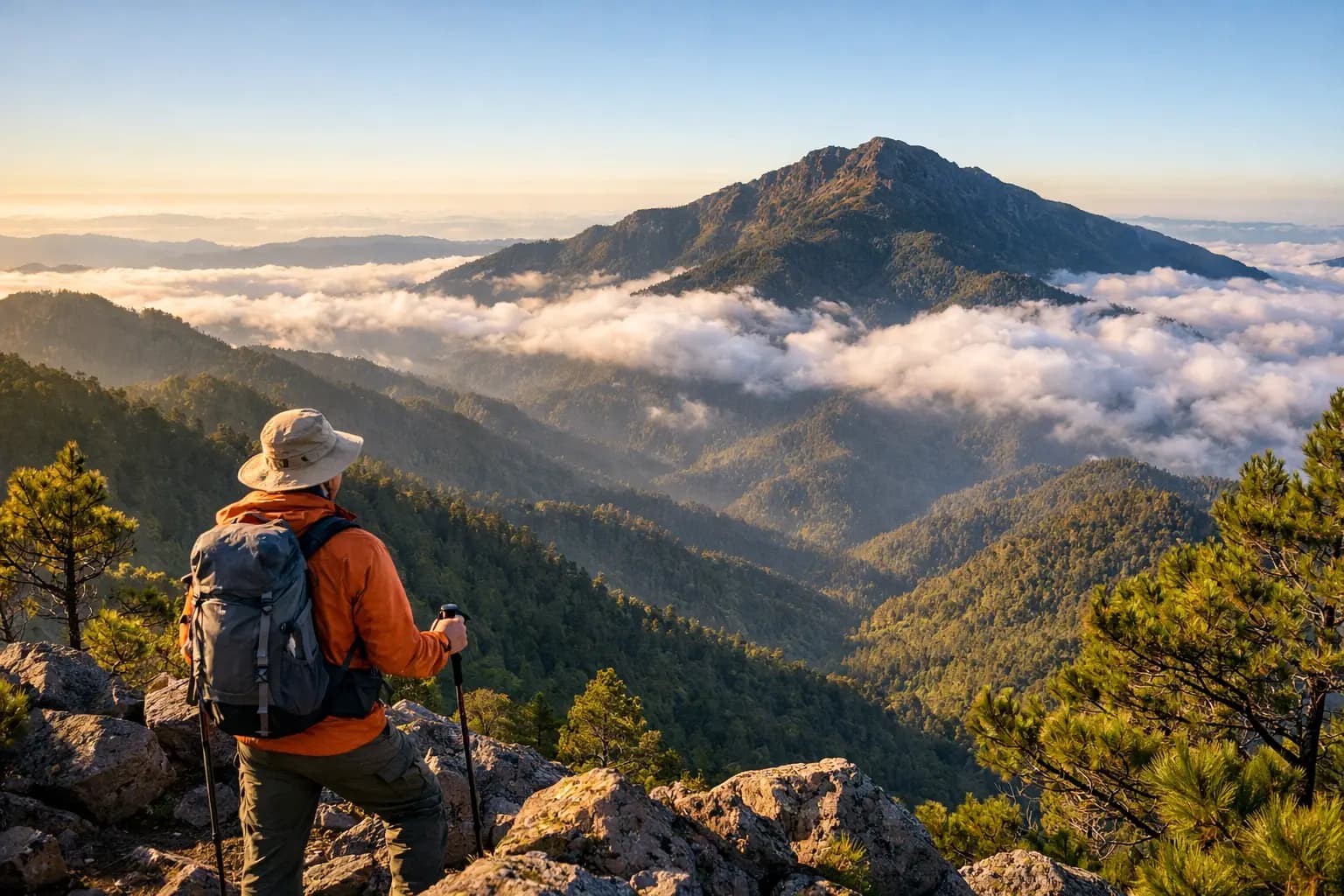
The good news is that the hike is very doable for travelers with decent fitness, realistic expectations, and the right support. If you want one of the most memorable adventures in the country, Pico Duarte delivers something very different from beaches, catamaran trips, and waterfall tours. You get pine forests, cold mountain air, sunrise views above the clouds, and the chance to stand on the highest point in the Caribbean.
How to Visit Pico Duarte: What to Know First
Pico Duarte sits in the Cordillera Central and rises to about 10,164 feet, or 3,098 meters, above sea level. Because of the altitude and remote location, most visitors reach the summit on a guided trek over two or three days, and some choose a longer pace if they want a more comfortable climb.
For most travelers, the easiest way to think about this trip is simple: you need transportation to the trail area, a licensed local guide, park access arrangements, meals, and overnight camp logistics. Trying to improvise all of that on arrival is possible, but it usually creates more hassle than savings. This is one of those Dominican Republic experiences where organized planning makes a real difference.
The mountain is inside a protected national park area, and rules can change depending on season, trail conditions, and ranger controls. That means you should not assume you can just show up and start hiking alone. In practice, guided entry is the standard approach.
Best route options for Pico Duarte
Most visitors choose one of two main access routes: Jarabacoa or San Juan de la Maguana. Both are well-known starting areas, but they create very different hiking experiences.
The most popular route begins near Jarabacoa, usually through La Ciénaga. This option is well established, easier to arrange for many travelers, and often the best fit if you are coming from Santo Domingo, the north coast, or central parts of the country. The trail is still demanding, but it is the route many first-time hikers choose because it is the most common and easiest to organize.
The San Juan side, often via Sabaneta, is typically considered a longer and quieter approach. Some experienced hikers prefer it because it feels less crowded and gives a broader mountain experience, but it requires more time and planning. If your vacation schedule is tight, Jarabacoa is usually the better match.
For organized travelers staying in major tourism hubs, your biggest decision is not really which trail is more famous. It is which route works best with your transfer time, fitness level, and total days available in the Dominican Republic.
How hard is the hike?
Pico Duarte is challenging, but it is not technical climbing. You do not need ropes or mountaineering skills. What you do need is stamina. The trail includes long uphill sections, uneven ground, mud if it has rained, and cooler temperatures than many visitors expect in the Caribbean.
A lot of travelers underestimate the altitude because they associate the Dominican Republic with heat and sea level vacations. That is a mistake. The summit area can feel cold, especially before sunrise, and the effort of climbing above 10,000 feet is noticeable even for active people.
If you can comfortably handle long hikes and several hours of walking on back-to-back days, you are probably in reasonable shape for Pico Duarte. If your trip is mostly resort-based and you have not done much physical activity lately, this is still possible, but you should choose a slower itinerary and prepare honestly.
Best time to visit Pico Duarte
The best time to hike Pico Duarte is generally during the drier months, when trail conditions are more manageable and summit views are more reliable. Cooler months are also more comfortable for walking, even if the nights get colder at camp.
Rain can happen at any time in the mountains, so there is never a perfect guarantee. A dry forecast can still turn wet by afternoon. That is normal in highland terrain. What matters most is avoiding periods of heavy rain when trails become muddy and river crossings or camp conditions get less comfortable.
Holiday periods and local long weekends can bring more hikers on the trail. If you want a quieter experience, avoid peak domestic travel dates and book early for the dates that work best for your vacation.
Permits, guides, and why organized booking matters
For Pico Duarte, local guidance is not just a convenience. It is the practical way to handle access, navigation, and camp coordination. A guide helps manage park procedures, pacing, meal stops, overnight logistics, and safety decisions if weather shifts.
Many treks also include support such as mules for carrying food, camping supplies, or heavier bags. That can make a big difference if you want to enjoy the hike instead of struggling under a full backpack. Some travelers prefer to carry all their own gear for the challenge, but many vacationers are happier with a lighter load.
This is where a Dominican Republic excursion platform with clear departure planning can help. Instead of trying to contact separate transport providers, mountain staff, and guides on your own, you can compare options more easily and book with a clearer idea of what is included.
What a typical Pico Duarte itinerary looks like
Most standard itineraries run over two nights and three days, though faster and slower versions exist. On day one, travelers usually arrive at the trailhead, register, begin hiking, and spend the first night at a mountain camp. Day two often includes the summit push, usually very early in the morning or before sunrise, followed by a return to camp or a lower overnight stop. Day three is the descent and transfer out.
A stronger group may complete the route on a shorter schedule, but that does not always mean a better experience. Rushing the mountain can turn a rewarding trek into a grind. If your goal is to enjoy the scenery and finish strong, giving yourself enough time is usually worth it.
Families with teens, mixed-fitness groups, and travelers who have never done a multi-day hike should be especially careful about choosing an aggressive pace. The mountain is much more enjoyable when the itinerary fits the group.
What to pack for Pico Duarte
Packing right matters more here than on most Dominican Republic excursions. You need layers, not just light vacation clothes. Warm clothing for the summit and overnight camp is essential, even if you started the day in tropical heat.
The basics usually include hiking shoes or boots with grip, moisture-wicking clothes, a warm jacket or fleece, a rain layer, a hat, sunscreen, refillable water bottles, snacks, and a headlamp. A change of dry clothes for camp can make a big difference after a sweaty climb. Gloves and a beanie may sound excessive for the Caribbean, but many hikers are glad they packed them.
Try not to overpack. Extra weight feels much heavier after several hours uphill. If your package includes mule support, confirm what can be carried and what needs to stay with you during the hike.
Costs and what affects the price
Pico Duarte prices vary based on route, group size, transportation, included meals, overnight equipment, and whether mule support is part of the package. A cheaper price is not always a better value if key items are missing and you have to arrange them separately.
The smartest way to compare offers is to check what is actually covered. Look for transport from your base area if needed, entrance arrangements, guide service, food, sleeping logistics, and support staff. Also confirm whether the trip is private or shared, since that affects both price and pace.
Travelers leaving from hubs like Santo Domingo often find easier logistics than those trying to start from beach zones farther away. If you are staying in Punta Cana or Puerto Plata, expect a longer transfer or consider overnight positioning before the trek starts.
Is Pico Duarte worth it for vacation travelers?
If you want an easy add-on between resort meals and beach time, probably not. Pico Duarte asks for effort, early starts, basic camp conditions, and a real time commitment. For some travelers, that is exactly the appeal.
If you want to see another side of the Dominican Republic, this is one of the best high-value adventures in the country. You trade comfort for scenery, altitude, and the kind of achievement that stays with you after the trip ends. It is especially worth considering for couples, friend groups, and independent travelers who want more than standard coastal excursions.
The best approach is to treat Pico Duarte as a dedicated trip, not a casual extra. Build your schedule around it, choose the right route, and book with people who know the mountain. Do that, and reaching the highest mountain in the Caribbean becomes far more straightforward than most first-time visitors expect.